Top 10 AI Productivity Tools in March 2026: Windsurf, Claude, and Gemini Compared
March 16, 2026
Fender Studio Pro 8 Review: 57 Mustang Amp Models, AI Audio-to-MIDI, and a $199 DAW Built for Guitarists
March 17, 2026
The YouTube creator strategy playbook for 2026 looks nothing like it did even two years ago. The algorithm now prioritizes viewer satisfaction over watch time, and revenue diversification has become essential for survival. As a content creator and music producer, here’s my data-driven analysis of what it takes to grow on YouTube in 2026.
Table of Contents
- The Creator Economy in 2026
- YouTube Creator Strategy Core: Algorithm Changes
- Thumbnail and Title Optimization
- Shorts Strategy: The Fastest Path to Discovery
- Revenue Diversification Strategies
- Leveraging AI Tools
- Common Pitfalls to Avoid
The Creator Economy in 2026
The creator economy is worth $191.55 billion and could reach $528 billion by 2030. Over 207 million content creators are active worldwide, and in the US alone, 162 million people identify as content creators. The number of followers is no longer the measure of influence — high-trust micro-influencers are outperforming low-engagement mass creators.
In 2026, 92% of brands prefer working with micro (5K-100K followers) and macro (100K-500K) influencers over mega-influencers. According to Influencer Marketing Hub’s 2026 Creator Economy Report, 78% of successful creators use documented content strategies, and those with strategies grow 3.2x faster.
YouTube Algorithm Changes: Satisfaction Over Watch Time
The most important change in 2026 YouTube creator strategy is the algorithm itself. YouTube’s recommendation engine now values viewer satisfaction, session duration, and watch performance over upload frequency.
The algorithm rewards three things: CTR (Click-Through Rate), Retention (do people keep watching?), and Satisfaction (do viewers feel they learned or enjoyed something?). This means quality trumps quantity more than ever before.
SEO has also evolved fundamentally. In YouTube 2026, intent matches SEO rather than exact keywords. You can now input semantic meaning into YouTube, making content context and intent more important than keyword density. This is a significant YouTube creator strategy shift that rewards depth over surface-level optimization.
Thumbnail and Title Optimization: Your Biggest Growth Lever
Your thumbnail determines your CTR — the single biggest growth lever on YouTube. The 2026 thumbnail rules are clear: big, clean text (3-4 words maximum), faces with emotion, high contrast, clear topic, curiosity-driven imagery, no clutter, and bold readable titles.
Titles should simultaneously trigger search intent and curiosity. Numbers, questions, and unexpected combinations work best. Most critically, your thumbnail and title should tell a unified story — they’re not two separate elements but one cohesive hook.
Shorts Strategy: The Fastest Path to Discovery in 2026
Shorts are the fastest way to get discovered in 2026. The integration of Shorts and long-form content into a cohesive YouTube creator strategy significantly enhances viewer engagement and monetization opportunities.
Effective Shorts strategies include clipping the most compelling moments from long-form content or creating standalone short tips and insights. The key is using Shorts to capture new viewers and funnel them into your channel’s long-form content ecosystem.
Revenue Diversification: The Key to Survival
In 2026, revenue diversification isn’t optional — it’s essential. Relying solely on platform ad revenue is risky, as “most creators who are really successful have multiple revenue streams.” The future of the creator economy comes down to ownership — creators are no longer just renting space on social platforms but building their own IP.
Diversify your revenue streams across ad placements, affiliate links, channel memberships, Super Chats, brand collaborations, and your own products, services, or memberships. For comprehensive strategies, check out Fourthwall’s creator monetization guide.
Leveraging AI Tools: A Creator’s Secret Weapon
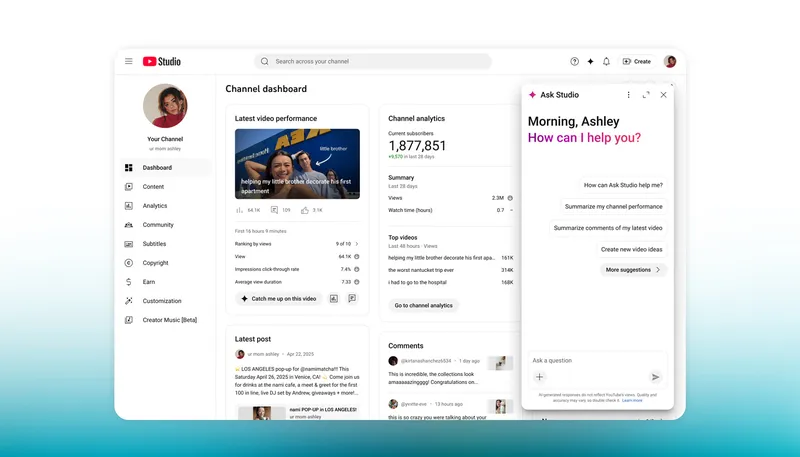
One of the biggest AI content creation trends in 2026 is the shift from viewing AI as a competitor to treating it like a creative teammate. Instead of replacing creators, AI is becoming an assistant that streamlines workflows, sparks new ideas, and enhances content strategies without diluting authenticity.
Batch filming is also an effective strategy — one filming day can produce 2-4 weeks of content. Consistency matters more than frequency, and most creators see real momentum after 20-50 videos. Statista’s 2026 Creator Report found that creators with documented strategies earn 5.6x more than those without. For detailed strategies, see InfluenceFlow’s 2026 YouTube strategy guide.
Three Common Pitfalls to Avoid
First, focus on building assets rather than chasing trends. Viral moments fade, but evergreen content compounds. Maintain a ratio of 70% evergreen to 30% trending content.
Second, income instability from relying on a single revenue stream is dangerous. Build 3-6 months of savings as a buffer and diversify your income sources. Third, beware of burnout from “always-on” culture. Set boundaries and take breaks — content creation is a marathon, not a sprint. For more growth insights, explore NewZenler’s YouTube growth guide.
What does your YouTube creator strategy look like? Share your experiences in the comments below!
Building Community: The 2026 Engagement Framework
Community building has become the most critical differentiator for successful YouTube creators in 2026. The platform’s updated engagement metrics now heavily weight community tab interactions, comment quality, and returning viewer percentages. Creators who actively foster communities see 4.7x higher retention rates and 68% more consistent view counts compared to those focused solely on content production.
The most effective community strategies revolve around consistent interaction patterns. Reply to comments within the first 2-4 hours after upload when engagement velocity is highest. Use the community tab at least twice weekly with polls, behind-the-scenes content, or direct questions to your audience. Pin meaningful comments that spark discussion rather than simple praise.
Live streaming integration has become essential for community building. Creators who incorporate monthly live streams see 23% higher subscriber loyalty and generate 31% more direct support through Super Chats and memberships. The key is consistency—schedule your streams and treat them as seriously as your main content uploads.
The Comment Strategy Revolution
YouTube’s 2026 algorithm places significant weight on comment quality and creator response rates. Comments that receive creator replies are 6x more likely to generate additional engagement threads. The platform now tracks “conversation depth”—how many back-and-forth exchanges occur under each video. Videos with higher conversation scores get boosted in recommendations.
Implement a comment strategy that goes beyond simple acknowledgments. Ask follow-up questions in your replies, reference commenters by name in future videos, and create content directly responding to community feedback. This creates a feedback loop that YouTube’s algorithm interprets as high viewer satisfaction.
Data-Driven Content Planning: Analytics That Actually Matter
YouTube Analytics in 2026 provides creators with unprecedented insight into viewer behavior, but most creators focus on vanity metrics instead of actionable data. The metrics that drive growth are audience retention graphs, click-through rates by traffic source, and returning viewer percentages. These three data points predict channel growth more accurately than total views or subscriber count.
Successful creators analyze their top-performing content monthly to identify patterns. Look for retention spikes and drops to understand which content elements work. A 15-second retention drop often indicates pacing issues, while consistent retention above 40% typically signals strong topic-audience alignment. Use this data to inform future content rather than just celebrating high-performing videos.
The New Success Metrics Framework
Traditional metrics like subscriber count and total views provide limited insight into channel health. The 2026 framework focuses on sustainability metrics that predict long-term success:
- Returning Viewer Rate: Aim for 30%+ returning viewers per video
- Average View Duration vs Video Length: Target 35%+ retention across all content
- Click-Through Rate by Traffic Source: 8%+ from browse features, 12%+ from search
- Session Data: How many videos do viewers watch after yours?
- Revenue Per Mille (RPM): Track earnings efficiency beyond just ad revenue
These metrics provide a complete picture of channel performance and help identify optimization opportunities that directly impact algorithm performance and revenue potential.
Strategic Collaborations: Cross-Channel Growth in 2026
The collaboration landscape has evolved significantly with YouTube’s improved cross-promotion features and audience-sharing capabilities. Successful creators in 2026 build strategic partnership networks rather than one-off collaborations. These partnerships include regular content swaps, shared live streams, and coordinated series that benefit all participating channels.
The most effective collaborations happen between creators with complementary audiences rather than identical ones. A music producer might partner with a filmmaker, or a tech reviewer might work with a productivity expert. These cross-niche partnerships expose creators to genuinely new audiences while maintaining relevance to existing subscribers.
Document collaboration performance meticulously. Track subscriber crossover, engagement rates on collaborative content, and long-term retention of new viewers acquired through partnerships. The most successful creator partnerships show 15-25% audience crossover and maintain 60%+ engagement rates compared to solo content.
Platform-Agnostic Partnership Strategies
Smart creators extend collaborations beyond YouTube to maximize impact. Cross-platform partnerships that span YouTube, TikTok, Instagram, and emerging platforms create multiple touchpoints for audience discovery. Coordinate content releases across platforms with slight variations to suit each platform’s format and audience expectations.
The key is creating platform-specific value while maintaining consistent messaging. A collaboration might result in a long-form YouTube video, TikTok clips highlighting key moments, Instagram Stories showing behind-the-scenes content, and Twitter threads discussing insights. This approach maximizes the return on collaborative effort and builds stronger professional relationships.
Future-Proofing Your YouTube Strategy
The most successful YouTube creators in 2026 think beyond current algorithm trends and build adaptable, sustainable content systems. This means developing evergreen content pillars that remain relevant regardless of algorithm changes, building direct audience relationships that don’t depend solely on platform discovery, and creating content workflows that can scale with growth.
Invest in owned media alongside your YouTube presence. Build an email list, maintain a website or blog, and establish a presence on emerging platforms before they become saturated. Creators with diversified audience touchpoints weather algorithm changes and platform shifts more successfully than those dependent solely on YouTube’s recommendation system.
Stay informed about platform developments through official YouTube creator channels, industry reports, and creator community discussions. However, avoid chasing every new feature or trend. Instead, focus on fundamental content quality, audience service, and sustainable growth practices that transcend temporary platform changes. The creators who succeed long-term are those who build genuine value for their audiences while adapting strategically to platform evolution.
Need YouTube growth strategy or content automation? Get consulting from a 28-year veteran creator.