Intel Clearwater Forest Xeon 6+: 288 Cores on 18A Process with Foveros Direct 3D — Inside Intel’s Make-or-Break Server CPU
March 18, 2026
RNBO Move Takeover: Run Custom Max Patches on Ableton Move — A New Era of Open Hardware Sound Design
March 19, 2026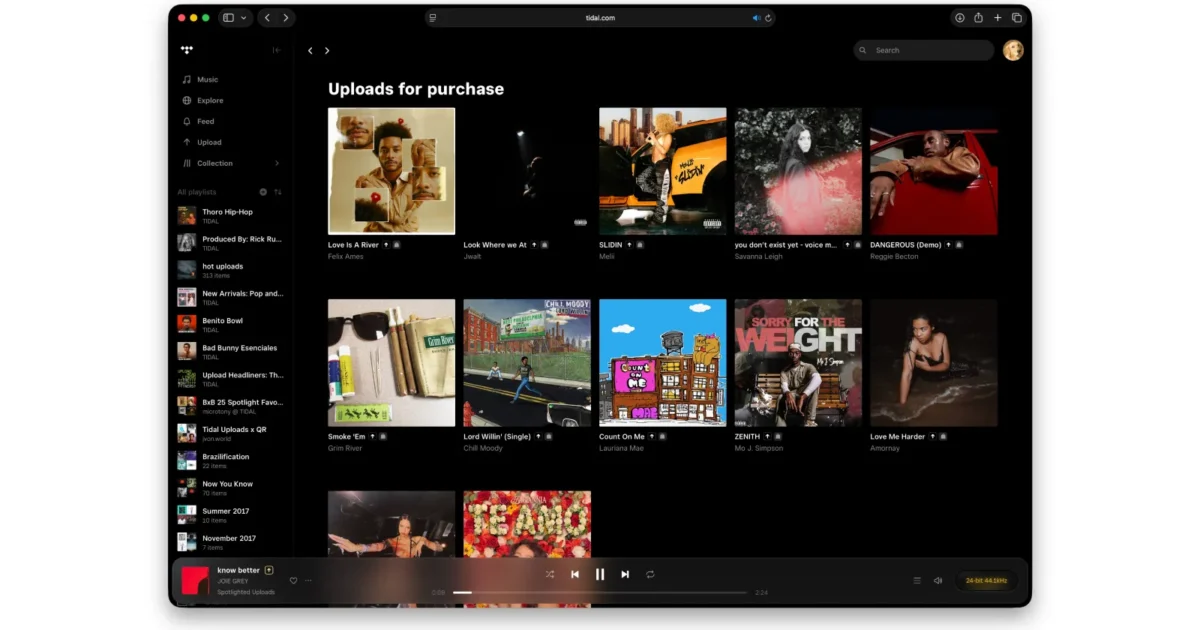
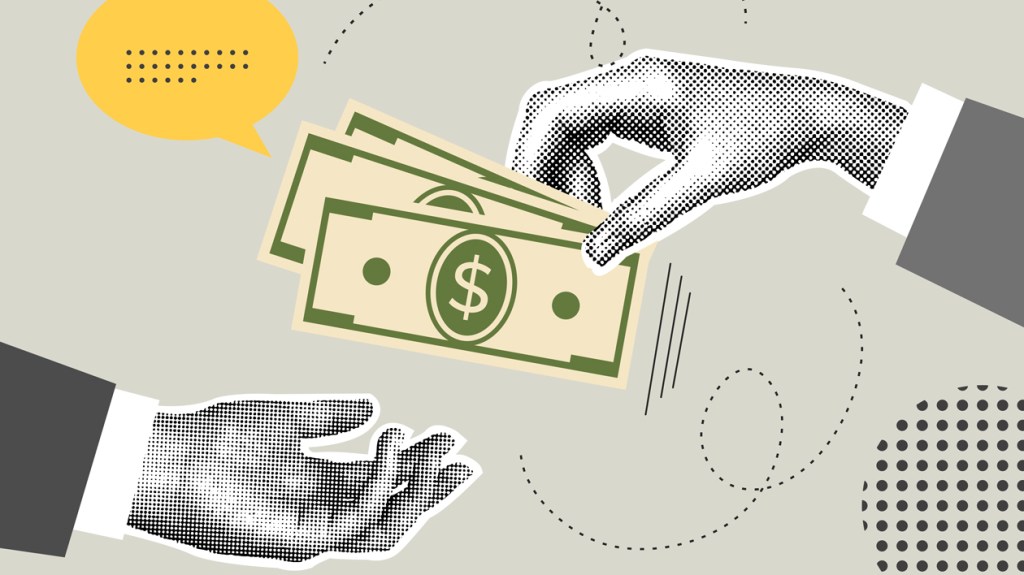
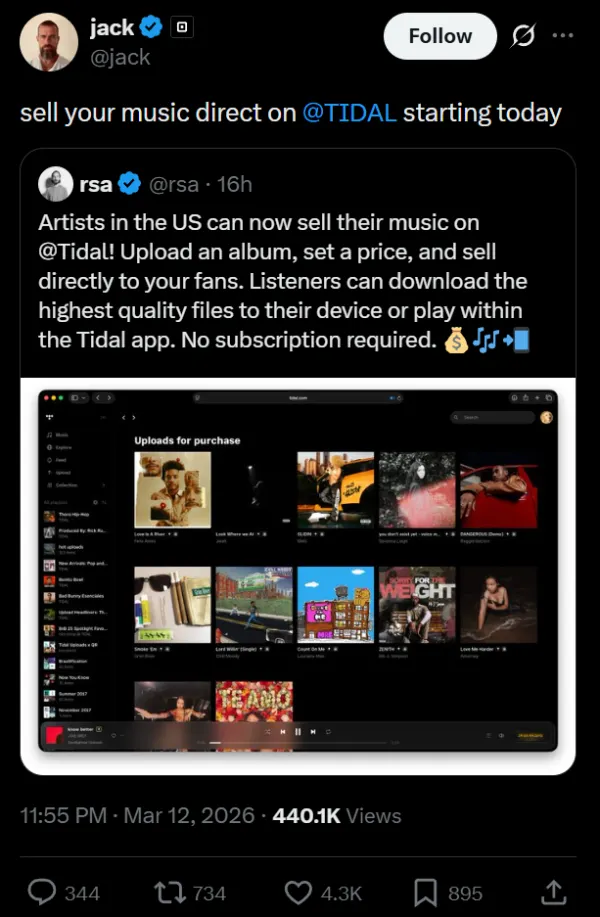
Stop giving away 15 cents of every dollar. Tidal just launched direct-to-fan downloads with a 90/10 revenue split — the most aggressive artist-friendly rate in the digital music marketplace — and it could fundamentally reshape how independent musicians sell their music in 2026.
Tidal Direct-to-Fan Downloads: What You Get for That 10% Fee
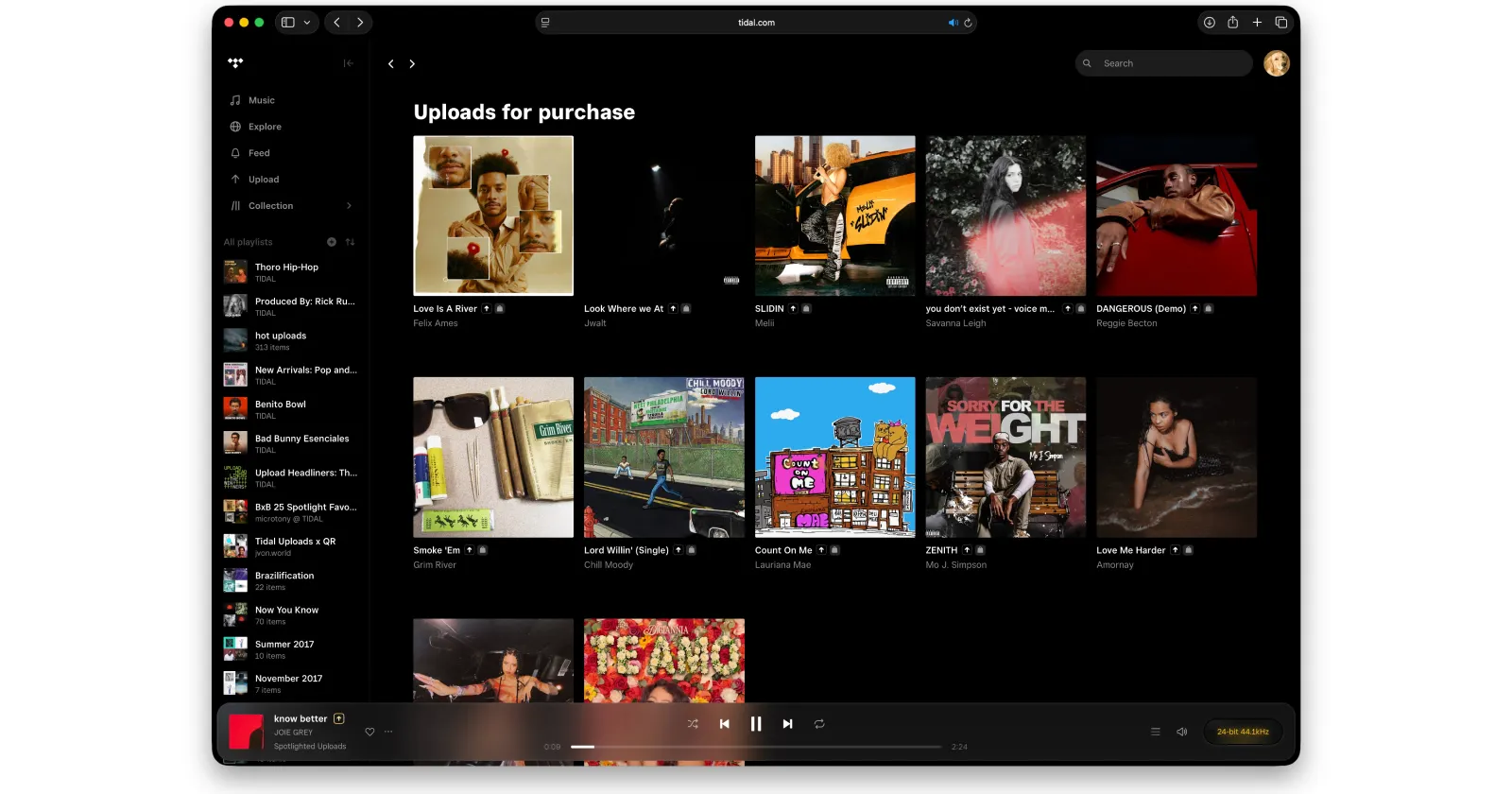
As of mid-March 2026, Tidal’s direct-to-fan sales feature is live. The premise is deceptively simple: artists upload music through the Tidal Upload dashboard, set their own price, and sell directly to fans. Tidal takes a flat 10% platform fee. The artist keeps 90%. That’s it.
But the details matter. Every transaction flows through a connected Stripe account, giving artists real-time visibility into sales and the ability to initiate instant payouts. Buyers don’t need a Tidal subscription — anyone can purchase and download the highest-quality files available, including lossless formats. They keep those files forever, or they can stream the purchased tracks within the Tidal app.
The catch? Artists must own 100% of the rights to both the recording and the underlying composition. No uncleared samples, no unlicensed covers. This is a requirement that filters out a significant portion of the independent music ecosystem — but for artists who own their masters and publishing, it’s a direct pipeline to their audience with minimal friction.
Currently, the Tidal direct-to-fan downloads feature is available to artists in the United States, Canada, the United Kingdom, and parts of Europe. Geographic expansion is expected, though Tidal hasn’t committed to a timeline.
Bandcamp’s Fee Structure: The 85/15 Split That Defined Direct Sales
For over a decade, Bandcamp has been the gold standard for direct-to-fan music sales. Their fee structure is straightforward: 15% on digital sales, dropping to 10% once an artist crosses $5,000 in revenue within a 12-month period. Physical merchandise carries a flat 10% fee regardless of volume.
On top of Bandcamp’s platform fee, artists pay payment processing fees that typically range from 4-6% per transaction. So the real take-home on a $10 album sale is closer to $7.90-$8.10 — not the $8.50 that the headline 15% rate suggests. For artists who’ve crossed the $5,000 threshold, the math improves to roughly $8.40-$8.60.
Bandcamp Fridays — monthly events where the platform waives its revenue share entirely — have become cultural moments in the independent music world. On these days, artists receive 100% of sales (minus payment processing). In 2026, Bandcamp is also transitioning its payment infrastructure to Stripe, which should streamline payouts and potentially reduce processing fees.
The Numbers Side by Side: Tidal vs Bandcamp Revenue Comparison
Let’s break down what a $10 album sale actually looks like on each platform, because the headline split percentages don’t tell the whole story.
Tidal Direct-to-Fan (90/10): On a $10 sale, Tidal takes $1.00 (10% platform fee). Stripe processing fees (approximately 2.9% + $0.30) take another ~$0.59. The artist nets approximately $8.41.
Bandcamp (85/15, under $5K): On a $10 sale, Bandcamp takes $1.50 (15% platform fee). Payment processing (~4-6%) takes another $0.40-$0.60. The artist nets approximately $7.90-$8.10.
Bandcamp (90/10, over $5K): After crossing the $5,000 threshold, Bandcamp’s rate drops to 10%. On a $10 sale, that’s $1.00 platform fee plus $0.40-$0.60 processing. The artist nets approximately $8.40-$8.60.
The difference per sale is relatively small — roughly $0.30-$0.50 in Tidal’s favor for artists under Bandcamp’s $5,000 threshold. But multiply that across hundreds or thousands of sales, and the gap becomes meaningful. For an artist selling 500 albums at $10 each, the Tidal advantage over Bandcamp’s base rate amounts to $150-$250 in additional revenue.
Beyond the Split: What Each Platform Actually Offers Independent Artists
Revenue splits are only part of the equation. The platforms diverge significantly in what they bring to the table beyond processing transactions.
Discovery and Community
Bandcamp’s editorial team curates daily picks, genre-specific recommendations, and the Bandcamp Daily publication. Their community features — wishlists, fan collections, artist follows — create an ecosystem where music discovery happens organically. Artists benefit from a built-in audience actively seeking new independent music.
Tidal’s direct-to-fan feature currently lives within the broader Tidal streaming app. While this exposes artists to Tidal’s subscriber base, the platform’s discovery mechanisms are primarily algorithm-driven and geared toward mainstream releases. Independent artists selling through D2F will need to drive their own traffic — at least for now.
Audio Quality
This is where Tidal has a genuine edge. Downloads purchased through Tidal direct-to-fan come in the highest quality available — including lossless and hi-res formats that audiophile listeners specifically seek out. Bandcamp also offers lossless downloads (FLAC, ALAC, WAV), so both platforms serve the quality-conscious buyer. However, Tidal’s brand association with premium audio gives it a perception advantage in the hi-fi market.
Payment Infrastructure
Both platforms are now on Stripe (Bandcamp transitioning in 2026). Tidal offers real-time transaction tracking and artist-initiated payouts from day one. Bandcamp’s payment schedule has historically been slower, though the Stripe migration should address this.
Physical Merchandise
Bandcamp supports physical merchandise sales — vinyl, CDs, cassettes, apparel, and more — with a 10% fee. Tidal’s D2F feature is currently digital-only. For artists whose revenue strategy includes physical products, Bandcamp remains the more complete platform.
Who Should Use Tidal Direct-to-Fan Downloads in 2026?
The Tidal direct-to-fan downloads feature isn’t a Bandcamp killer — at least not yet. It’s a compelling option for a specific profile of independent artist:
- Artists who own 100% of their rights — the non-negotiable requirement eliminates anyone with co-writers, uncleared samples, or third-party publishing agreements.
- Artists with an existing fanbase — without Bandcamp’s organic discovery, Tidal D2F works best when artists drive their own traffic.
- Audiophile-market artists — jazz, classical, acoustic, and electronic producers whose listeners value lossless quality and associate Tidal with premium audio.
- Artists already on Tidal Upload — if you’re already distributing through Tidal Upload, adding D2F sales is a natural extension with zero additional distribution costs.
- Artists in US, Canada, UK, or Europe — the current geographic limitation is a real constraint for global artists.
How to Set Up Tidal Direct-to-Fan Downloads: Step-by-Step
For artists ready to take advantage of Tidal direct-to-fan downloads, the setup process is straightforward but requires preparation. First, you need a Tidal Upload account — this is Tidal’s self-upload platform that bypasses traditional distributors entirely. From the Tidal Upload dashboard, you can manage your catalog, upload new releases, and now activate Direct-to-Fan sales.
The critical prerequisite is connecting a Stripe account. Stripe handles all payment processing, and your earnings (minus Tidal’s 10% and Stripe’s processing fee) flow directly into your connected bank account. By default, payouts are set to manual — meaning you choose when to withdraw — which gives you control over cash flow timing.
When uploading a Paid Upload, you set your own price point. There’s no minimum or maximum imposed by Tidal, which means you can experiment with pricing strategies — from $5 EPs to $25 deluxe editions. Each upload goes through a rights verification process, so have your documentation ready if you’re working with co-producers or session musicians. Remember: 100% rights ownership is non-negotiable.
Once live, your Direct-to-Fan releases appear on your Tidal artist profile alongside your streaming catalog. Fans can browse, preview, and purchase without leaving the Tidal ecosystem. The transaction data — sale amounts, buyer locations, download formats — is available in real time through your Upload dashboard, giving you analytics that most distribution platforms charge extra for.
The Distributor Question: What Tidal D2F Means for DistroKid, TuneCore, and CD Baby
Here’s an angle that hasn’t gotten enough attention: Tidal direct-to-fan downloads completely bypass traditional digital distributors. When an artist sells through DistroKid, TuneCore, or CD Baby, those services take their own cut — either through annual fees, per-release charges, or revenue percentages — before the streaming platform takes its share.
With Tidal D2F, the distribution layer disappears entirely. There’s no middleman between the artist and the sale. For an independent artist who already pays $22/year to DistroKid or 15-30% to other distributors, the elimination of that fee layer makes the effective revenue difference even larger than the headline 90/10 split suggests.
This doesn’t mean distributors are obsolete — they still handle playlist pitching, multi-platform delivery, and administrative tasks that many artists rely on. But for direct sales specifically, Tidal has created a path that makes the traditional distributor relationship optional rather than mandatory. It’s a structural shift that could pressure distributors to justify their fees more transparently.
The Bigger Picture: Why Direct-to-Fan Is the Future of Music Revenue
Tidal’s move is part of a broader industry shift away from streaming-only revenue models. With average per-stream payouts on Tidal at $0.0128 — roughly 3-6 times higher than Spotify but still fractions of a cent — even artist-friendly streaming platforms can’t provide sustainable income from streams alone.
A single $10 album sale on Tidal D2F generates the equivalent revenue of approximately 700 streams on the same platform, or over 2,500 Spotify streams. The math is unambiguous: direct sales at a 90/10 split represent a fundamentally more efficient revenue path for independent artists.
Jack Dorsey — the co-founder of Twitter/X who has been involved with Tidal’s strategic direction — promoted the launch on X, signaling that this isn’t a side feature but a core part of Tidal’s evolving identity as an artist-first platform.
The smartest approach for independent musicians in 2026 is likely a multi-platform strategy: maintain a Bandcamp presence for its discovery ecosystem and physical merchandise capabilities, add Tidal D2F for its superior revenue split and audiophile audience, and continue streaming everywhere for reach. The platforms aren’t mutually exclusive — and in a world where artists need every revenue stream they can access, using both makes the most sense.
Want to stay ahead of the shifts in music distribution and artist revenue? Get weekly industry analysis delivered to your inbox.
Get weekly AI, music, and tech trends delivered to your inbox.