Surface Pro 11 Snapdragon X Elite: Spring 2025 Updates That Finally Make ARM Windows Real
May 2, 2025
Google I/O 2025 Android 16 AI: Gemini Nano Finally Brings On-Device Intelligence to Every App
May 5, 2025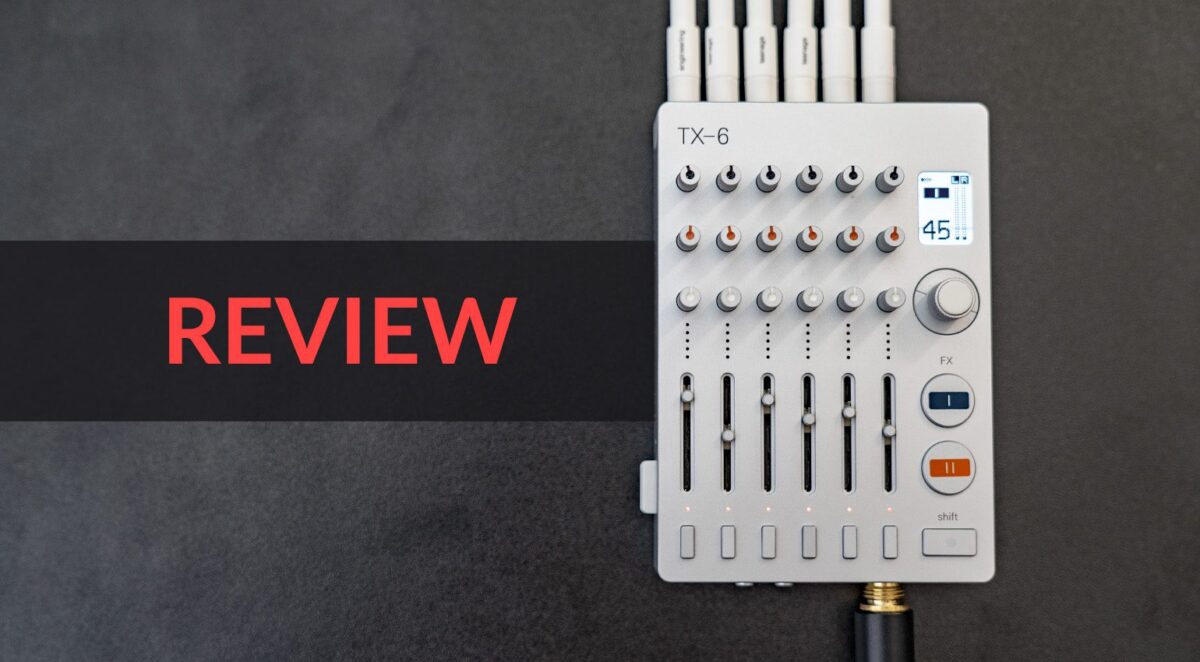
160 grams. That is the weight of a deck of playing cards — and now, apparently, the weight of a fully-featured 6-channel stereo mixer with built-in effects, a synth engine, a sequencer, and a USB audio interface. The Teenage Engineering TX-6 has been turning heads since its original release, but at Superbooth 2025 in Berlin, the Swedish design house just gave everyone a reason to look again: the Field System Black edition, firmware 1.3.0 with Link mode, and a vision for portable production that makes most desktop setups look embarrassingly oversized.
Teenage Engineering TX-6: What Fits Inside 90 x 62 x 23mm
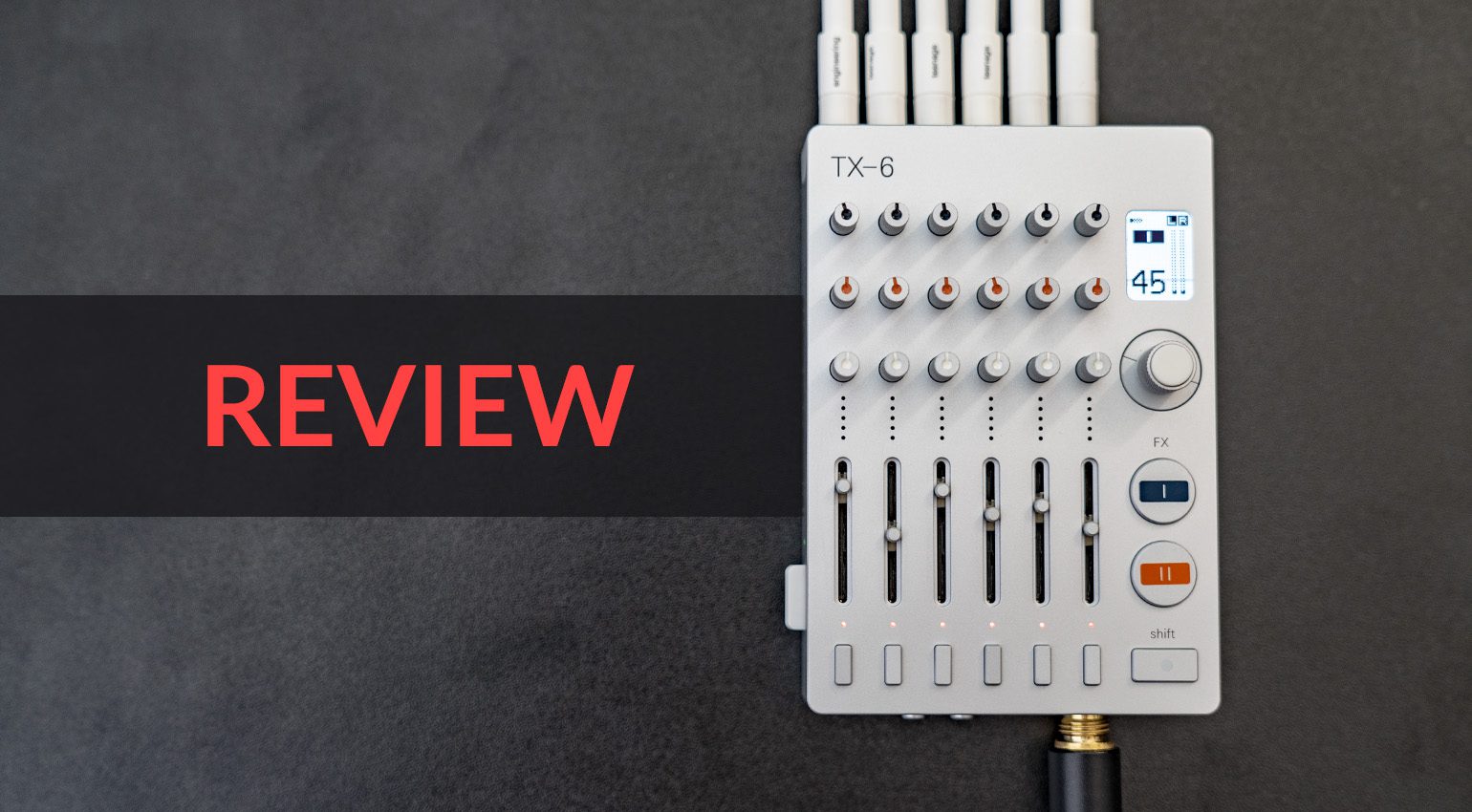
Let us get the specs out of the way, because they still read like a typo. The TX-6 packs 6 stereo input channels, 24-bit/48kHz audio conversion, a signal-to-noise ratio exceeding 120dBA on the main output, 42dB of gain, per-channel 3-band EQ and compressor, 8 built-in effects (reverb, chorus, delay, freeze, tape, filter, distortion), a built-in synth, sequencer, tuner, and DJ mode — all inside a CNC aluminum enclosure smaller than a smartphone. The 2K-molded body houses a rechargeable battery that runs for 8 hours. Connectivity includes USB-C, BLE MIDI, MFi-certified iOS support, and 3.5mm mini-jack I/O.
At $979 / £1,049 / €1,019, the Teenage Engineering TX-6 is not cheap. But calling it “just a mixer” is like calling a Swiss Army knife “just a blade.” This is a portable production hub that happens to fit in your palm.
Field System Black: Superbooth 2025’s Most Photogenic Announcement
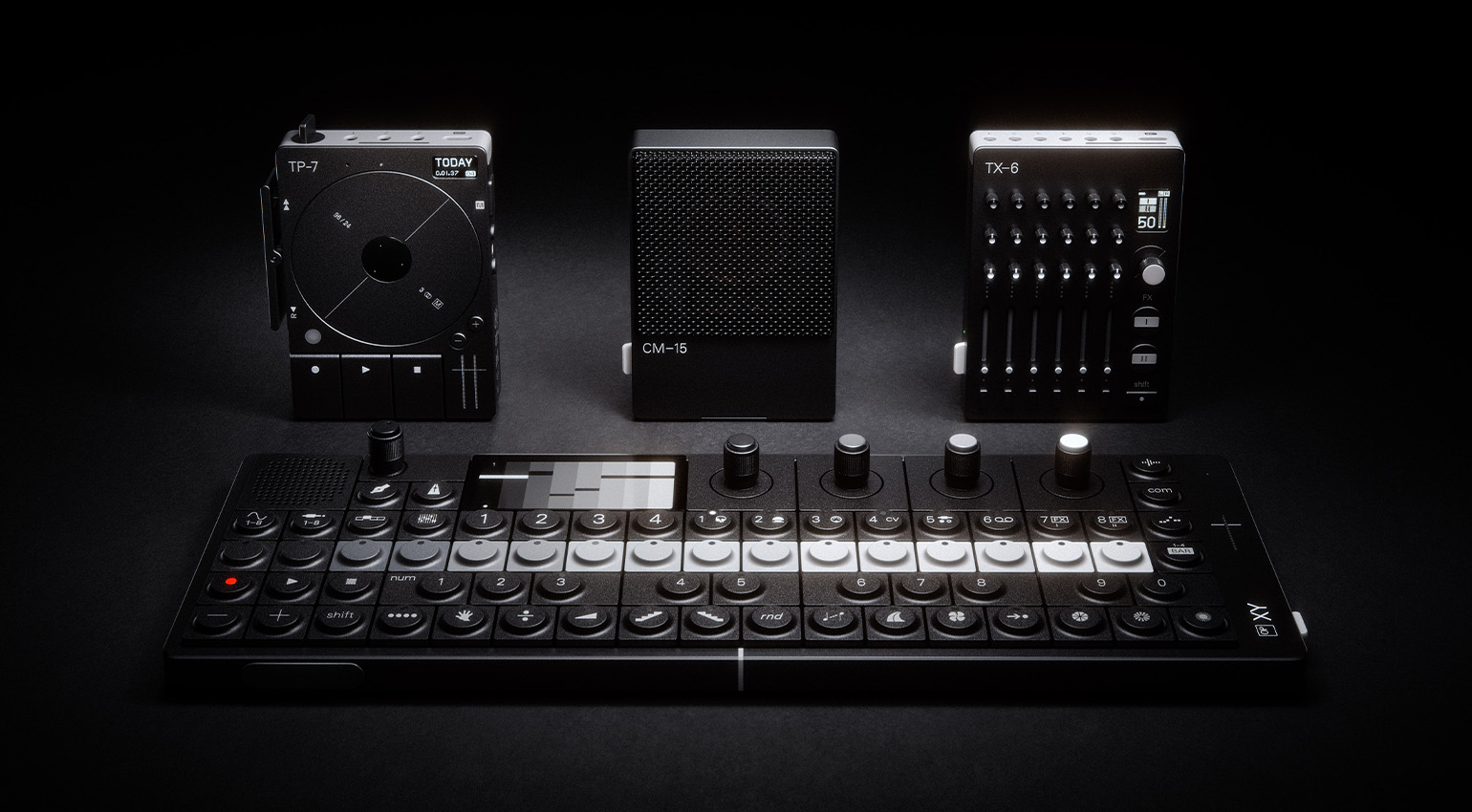
Superbooth 2025, running May 8–10 at FEZ Berlin with roughly 230 exhibitors, is where Teenage Engineering chose to unveil the Field System Black edition. The lineup includes matte black versions of the TX-6, TP-7 tape recorder, and CM-15 condenser microphone — all designed to match the OP-XY’s dark aesthetic. As MusicRadar reported, the specs and pricing remain identical to the silver models. The visual unification, however, signals something larger: Teenage Engineering is building an ecosystem, not just standalone products.
Shipping begins June 10, 2025. If you have been holding out for a TX-6, the matte black finish might be the nudge you needed.
Firmware 1.3.0: The Teenage Engineering TX-6 Gets Serious with Link Mode
The real headline from recent updates is firmware 1.3.0, and it transforms the TX-6 from a clever portable mixer into a legitimate production tool. The marquee feature is Link mode: connect two TX-6 units together and you get 24 channels of stereo mixing. For field recording, live performance, or modular setups that outgrew a single unit, this is a genuine breakthrough.
But Link mode is just the start. According to Gearnews’ firmware review, version 1.3.0 also introduces custom sequencer patterns with pitch-per-step programming, pattern chaining, full MIDI CC control, an extended gain range, and tighter integration with the TP-7 recorder. These are not cosmetic updates — they address the exact limitations that power users flagged since launch.
The earlier firmware 1.2.12 had already added a Sampler mode (6 slots with 5.5 seconds of sample time) and a Looper mode with 22 seconds of recording. Stack those features on top of v1.3.0, and the TX-6 now covers territory that used to require three or four separate devices.
Who Actually Needs a Palm-Sized Mixer That Costs $979?
Fair question. The TX-6 is not for everyone, and Teenage Engineering would probably agree. But consider the use cases where it genuinely excels:
- Modular synthesist on the go: Six stereo inputs handle a Eurorack lunchbox rig without a separate mixer. The built-in effects mean fewer modules needed.
- Field recording professional: At 160g with 8-hour battery life, the TX-6 replaces a bag full of gear on location shoots. Pair it with the CM-15 microphone and TP-7 recorder for a complete ultra-portable capture rig.
- Live performer: DJ mode, per-channel EQ/compressor, and now Link mode for 24-channel setups. The form factor disappears into any live rig.
- Podcast and content creator: USB-C audio interface mode feeds directly into a laptop or iPad. BLE MIDI and MFi support mean wireless control from iOS.
- Studio submixer: Dedicate it to drum machines, keep it on the desk for quick sketching, or use the synth engine for layering — it earns desk space despite being palm-sized.
The common thread? Anyone whose workflow demands quality audio processing in spaces — physical or creative — where a full-size mixer is impractical.
Teenage Engineering TX-6 vs. The Competition: Context Matters
At $979, you could buy a solid full-size mixer, a dedicated USB interface, AND a portable recorder. The math does not favor the TX-6 on a spec-per-dollar basis. But that comparison misses the point entirely. The TX-6 competes on integration density and portability — there is literally nothing else on the market that combines this feature set in this form factor.
The closest competitors in spirit are devices like the 1010music Bluebox (which is larger and lacks the synth/sequencer), the Bastl Dude mixer (analog, simpler, far cheaper), or using an iPad with a small interface (more flexible software, but more fragile and complex). None of them replicate the TX-6’s specific combination of mixer + interface + effects + synth + sequencer + sampler + looper in a 160-gram package.
Sean’s Take: What 28 Years in Audio Taught Me About This
I have spent nearly three decades watching the audio industry oscillate between “bigger is better” and miniaturization. The Teenage Engineering TX-6 sits at an interesting inflection point — it is the first device I have seen where the miniaturization does not feel like a compromise. The 120dBA SNR on the main output is genuinely impressive for something this size. That is not “good for a portable mixer.” That is good, period.
What excites me most about firmware 1.3.0 is the Link mode, and not for the obvious reason. Yes, 24 channels from two palm-sized units is impressive. But the real signal is that Teenage Engineering is treating the TX-6 as a platform, not a finished product. The sampler mode, looper, custom sequencer patterns, MIDI CC control — each update adds a capability that previously required separate hardware. In my studio, I have seen this pattern before with devices like the Elektron Digitakt, where firmware updates eventually made the v1.0 hardware almost unrecognizable in capability. The TX-6 is on that trajectory.
The price remains the elephant in the room. At $979, you are paying a significant premium for Teenage Engineering’s industrial design and engineering density. From a pure production standpoint, I would recommend it to anyone whose workflow genuinely benefits from extreme portability — field recordists, traveling producers, modular performers at festivals. For studio-only use, the value proposition gets harder to justify unless you specifically want the synth/sequencer integration in that form factor. But if you have ever lost a creative idea because your gear was not within arm’s reach, the TX-6 makes a compelling argument that the best mixer is the one you always have with you.
The Bigger Picture: Teenage Engineering’s Ecosystem Play
The Field System Black announcement is not just about color options. By visually unifying the TX-6, TP-7, CM-15, and OP-XY, Teenage Engineering is doing what Apple did with its product line decades ago: making the ecosystem the product. The TP-7 integration in firmware 1.3.0 reinforces this — these devices are designed to work together, and the sum is greater than the parts.
For Superbooth 2025 attendees, the TX-6 and its Field System siblings will be available for hands-on demos. For everyone else, the matte black editions start shipping June 10. Whether you see it as an indulgent design object or a serious production tool probably says more about your workflow than about the TX-6 itself — and that might be the most Teenage Engineering thing about it.
Looking for professional mixing, mastering, or studio workflow consultation? Sean Kim brings 28+ years of audio engineering experience to every project.
Get weekly AI, music, and tech trends delivered to your inbox.