WWDC 2025 Core ML Gets MLTensor, Foundation Models Framework Gives Developers a Free 3B On-Device LLM — Here’s Everything That Changed
June 4, 2025
Apple Vision Pro 2 Rumors: 40% Lighter, Half the Price, and M5-Powered — Everything We Know
June 4, 2025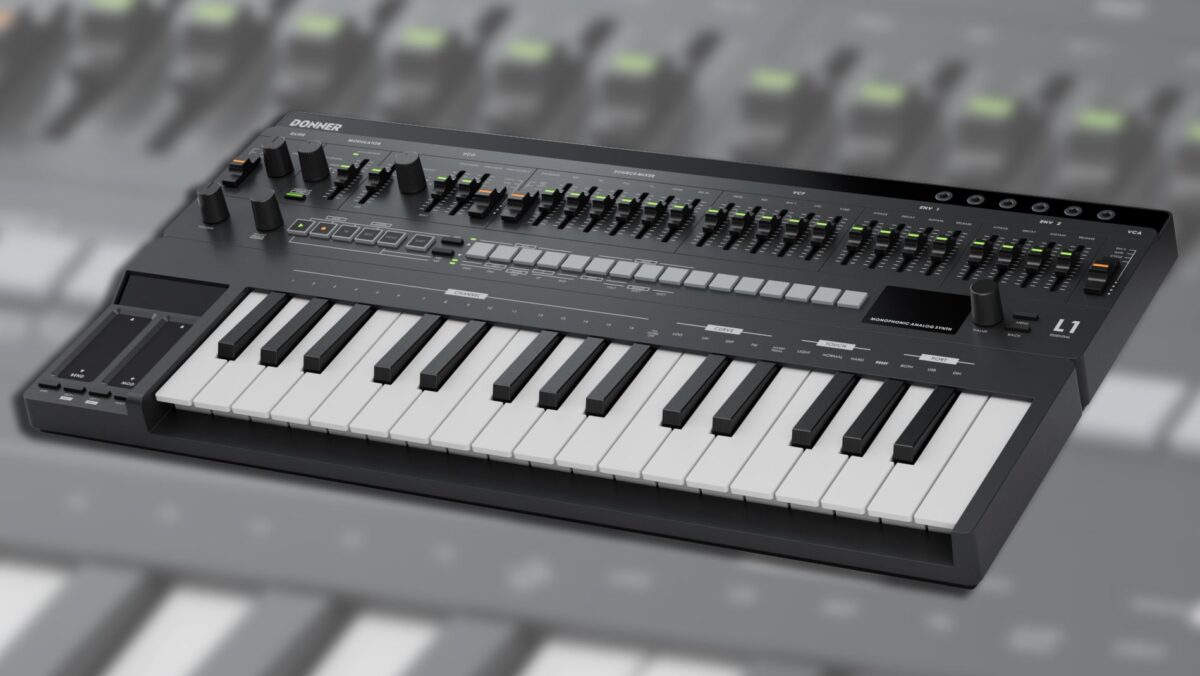
$300 can barely buy you a decent dinner for two in Nashville these days — but at Summer NAMM 2025, that same budget could score you an analog synth, four different flavors of Marshall overdrive, or a semi-modular filter with built-in delay. As the music industry gears up for Summer NAMM in Nashville (July 15–16), the budget gear landscape from Winter NAMM 2025 has finally landed on shelves — and the value proposition is genuinely staggering.
Here are seven standout pieces of gear, all under $300, that deserve your attention heading into the summer show season.
1. Donner Essential L1 Analog Synthesizer — $237.99
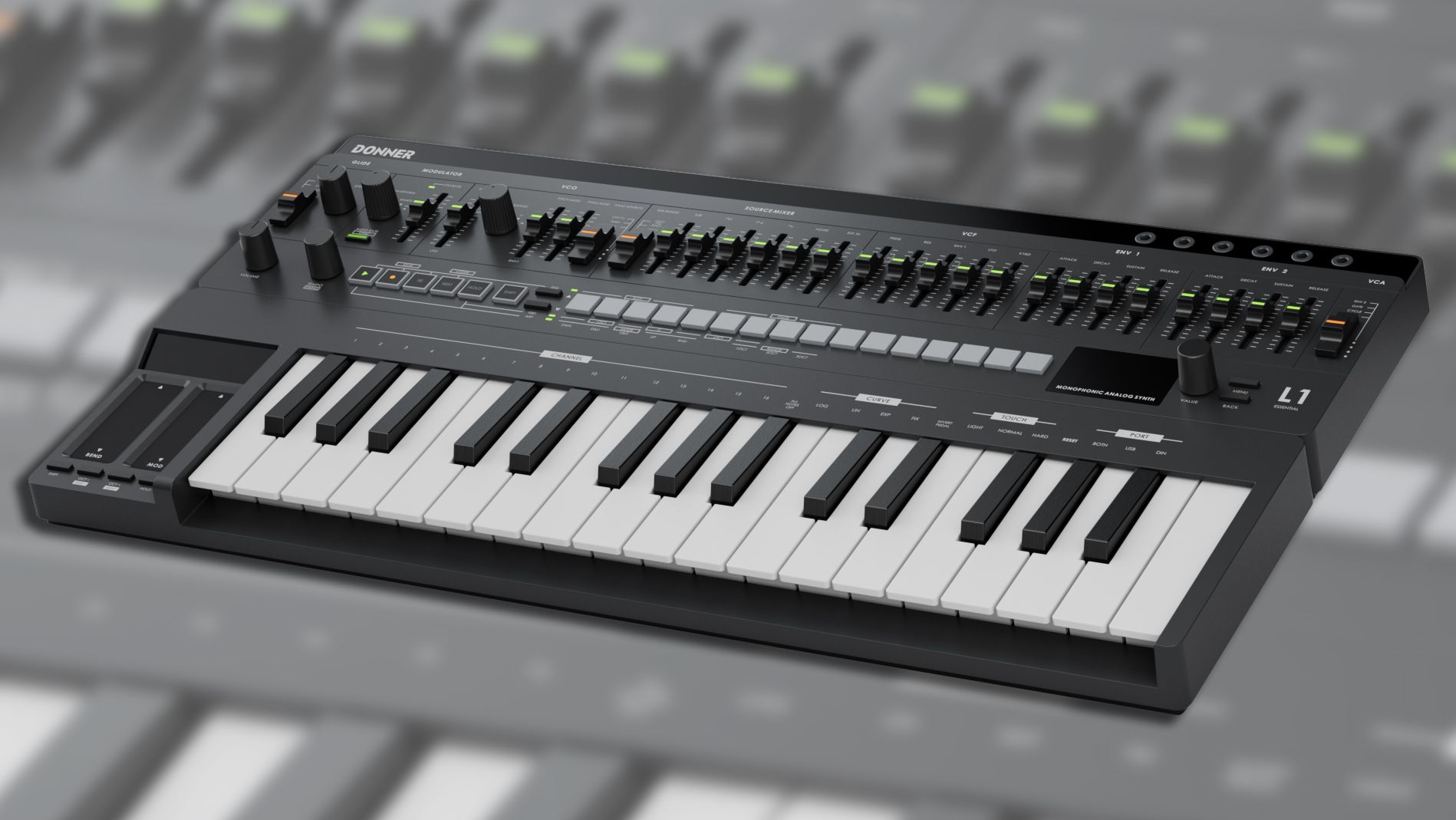
The biggest surprise of NAMM 2025 wasn’t from Moog, Sequential, or even Behringer — it was Donner, the Chinese manufacturer best known for affordable guitar pedals, stepping into the analog synth arena with the Essential L1. Inspired by the legendary Roland SH-101, the L1 delivers genuine analog oscillation, a resonant low-pass filter, and an envelope generator — all for under $240.
What sets the L1 apart is its S2C (Snap2Connect) magnetic keyboard system. The 32-key KB-32M detaches magnetically, turning the synth module into a compact desktop unit or reattaching for traditional keyboard play. The keyboard includes dual touch strips for pitch bend and modulation, giving you expressive control without the bulk.
As MusicRadar noted, Donner is now occupying territory that Behringer has dominated for years — budget recreations of classic synths — but with a modular twist that Behringer hasn’t matched. At $237.99 for the synth module (or $369.98 with the keyboard), this is the most accessible entry point into real analog synthesis in 2025.
2. Marshall Overdrive Pedals (JVM / JCM 900 / DSL / 1959) — $149 Each
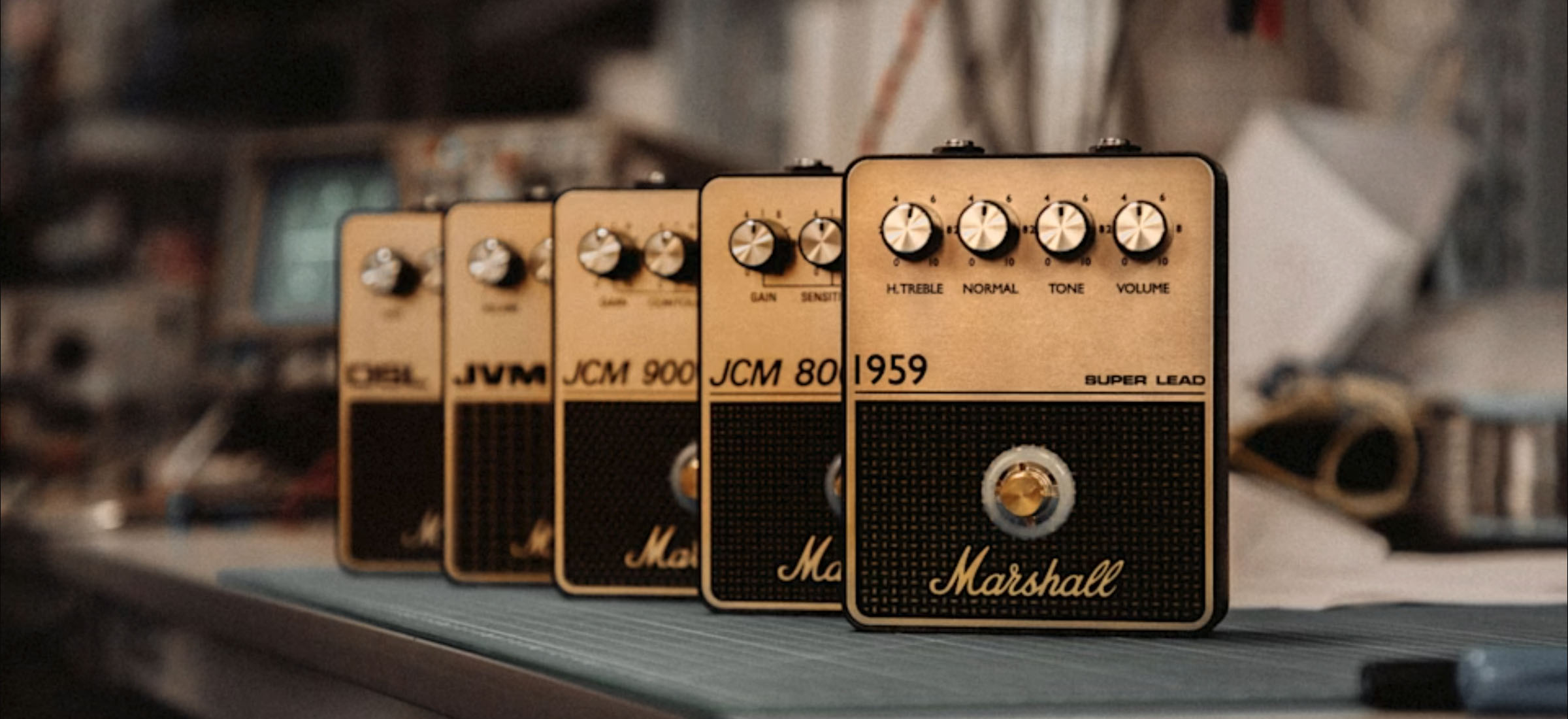
Marshall finally did what guitarists have been begging for: they distilled the DNA of four iconic amp heads into individual overdrive pedals at $149 each. The lineup includes the JVM, JCM 900, DSL, and 1959 — each capturing the specific overdrive character of its namesake amplifier.
These aren’t generic “Marshall-voiced” overdrives. Each pedal was engineered to replicate the gain structure, EQ response, and harmonic content of its corresponding amp head. The JCM 900 nails that tight, aggressive mid-push perfect for hard rock and metal rhythm tones, while the 1959 delivers the warm, saggy breakup that defined classic rock.
At $149, these undercut most boutique overdrives by $50–$150, and they carry the weight of Marshall’s own engineering team behind the voicing. For session guitarists who need multiple amp tones on a pedalboard without hauling four separate heads, this is a game-changer.
3. Vox Real McCoy / V846 Wah — $279
Vox’s wah pedal revival hit NAMM 2025 with two models: the Real McCoy and the classic V846, both priced at $279. The Real McCoy focuses on the throaty, vocal-like sweep that defined the original Clyde McCoy wahs of the 1960s, while the V846 delivers the broader, more modern sweep that session players prefer.
Both pedals shipped in March/April 2025, and early adopters have praised the build quality — true-bypass switching, heavy-duty construction, and a sweep range that responds dynamically to foot pressure. At $279, these sit in a sweet spot between the cheap $80 wahs that feel like toys and the $400+ boutique options that offer diminishing returns.
4. Thorn Soundlabs Freaq Booster — $140
At just $140, the Thorn Soundlabs Freaq is the most affordable pedal to come out of NAMM 2025 — and it punches well above its price. This isn’t a transparent clean boost; it’s a voiced booster with a distinct harmonic character that adds presence and dimension to your signal chain.
The Freaq works brilliantly as an “always-on” front-of-chain enhancer, adding subtle harmonic saturation that thickens clean tones and pushes tube amps into natural breakup. Stack it before a Marshall overdrive pedal (like the ones above) and you’ve got a $289 signal chain that rivals rigs costing five times as much.
5. Supercool Pedals Rat-Inspired Distortion — $199
The ProCo Rat has been a pedalboard staple since 1978, and Supercool Pedals has built a worthy successor at $199. Their Rat-inspired circuit adds an active 3-band EQ and a turbo switch that the original never had, addressing the two biggest complaints guitarists have had about the Rat for decades: limited tone shaping and the inability to push into higher-gain territory without losing clarity.
The active EQ is the real differentiator here. Where the original Rat’s single filter knob forced you into a love-it-or-leave-it tone, the Supercool version lets you surgically carve mids, tame highs, and add low-end weight without external EQ pedals. At $199, it’s a modern take on a classic circuit that actually improves on the original.
6. Thorn Soundlabs Tremonator — $229
Tremolo pedals often get overlooked in favor of flashier effects, but the Thorn Soundlabs Tremonator at $229 makes a compelling case for why tremolo deserves a permanent spot on your board. The pedal offers extensive wave-shaping controls that go far beyond simple sine/square switching, including adjustable symmetry, variable depth curves, and tempo subdivision options.
Whether you’re going for the choppy, staccato tremolo of surf rock or the smooth, pulsing modulation used in ambient and shoegaze, the Tremonator covers it. Paired with the Freaq booster ($140), you’d have a $369 modulation and boost setup from the same manufacturer — a cohesive pairing that’s been designed to work together.
7. Dubreq CPM DF-8 Dual Analogue Filter — ~$300
The wildcard on this list is Dubreq’s CPM DF-8, a semi-modular dual analog filter that was the sleeper hit of NAMM 2025’s synth section. At approximately $300, it packs stereo filtering, a built-in delay, controllable envelopes, and various triggering options into a compact module that bridges the gap between standalone effects and modular synthesis.
For producers already working with hardware synths, the DF-8 adds analog character that software filters simply can’t replicate. Run a digital polysynth through its dual filters and the result is instant warmth and movement. The semi-modular patching means you can integrate it into a Eurorack setup or use it standalone — versatility that’s rare at this price point.
What to Watch at Summer NAMM 2025
Summer NAMM takes place July 15–16 in Nashville, and if Winter NAMM’s budget gear trend continues, we should expect even more sub-$300 announcements targeting the home studio and gigging musician market. Donner has confirmed additional products in its Essential line, Behringer’s Pro-16 polysynth (a budget Prophet clone) should have final pricing by then, and the pedal market shows no signs of slowing down its race to deliver boutique quality at mass-market prices.
The era of “you get what you pay for” is fading fast. These seven products prove that $300 — or often much less — is enough to add genuinely professional-quality tools to your studio or pedalboard. The question isn’t whether budget gear is good enough anymore. It’s whether you can afford to ignore it.
Looking for help choosing the right studio gear or building your signal chain? Sean Kim has 28+ years of experience in music production and audio engineering.
Get weekly AI, music, and tech trends delivered to your inbox.