Output Portal 2.0 Review: 5 New Granular Algorithms That Change Everything
November 20, 2025
NVIDIA Nemotron 3 Mamba-Transformer MoE Architecture: Why 3B Active Parameters Beat 30B Dense Models for AI Agents
November 21, 2025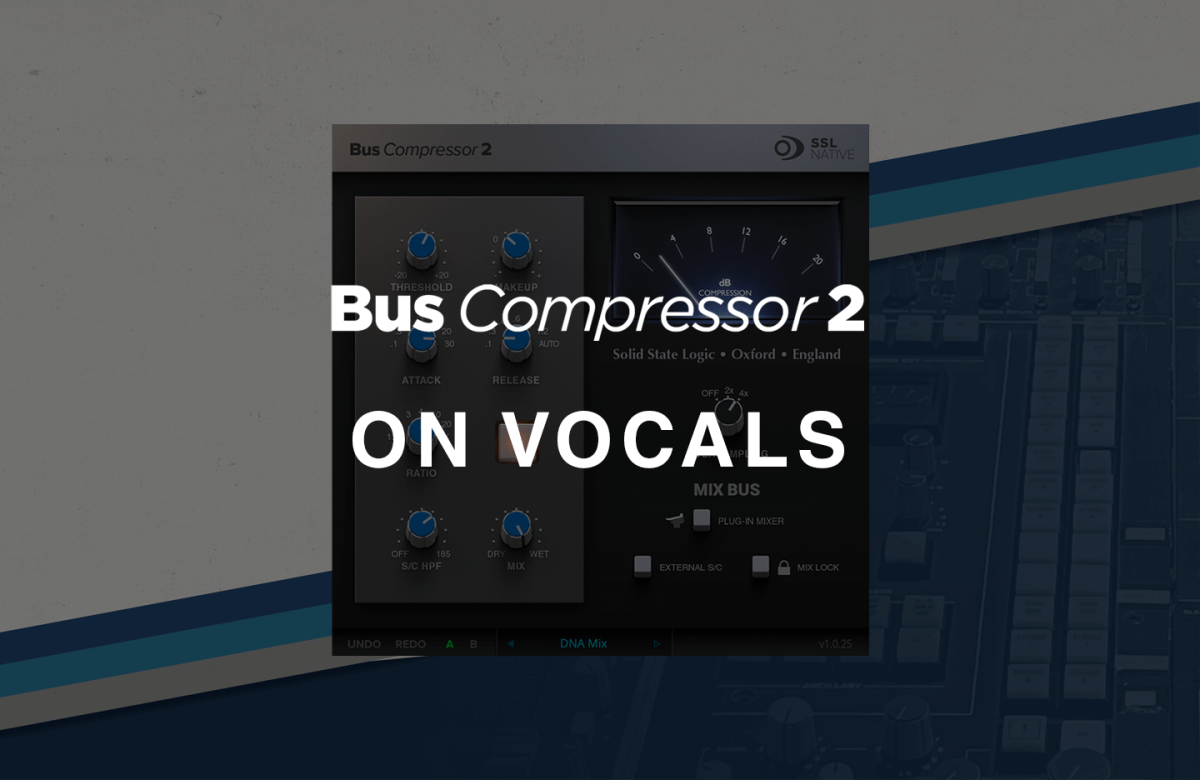
In 28 years of mixing, I can count on one hand the number of masters that never touched an SSL bus compressor. That iconic “glue” — the way an SSL G-Series compressor makes individual tracks surrender their boundaries and become a unified mix — has defined professional mixing for decades. Now, with the SSL Native Bus Compressor 2, Solid State Logic hasn’t just recreated that magic in software. They’ve expanded it into territory the original hardware could never reach.
What’s New in SSL Native Bus Compressor 2
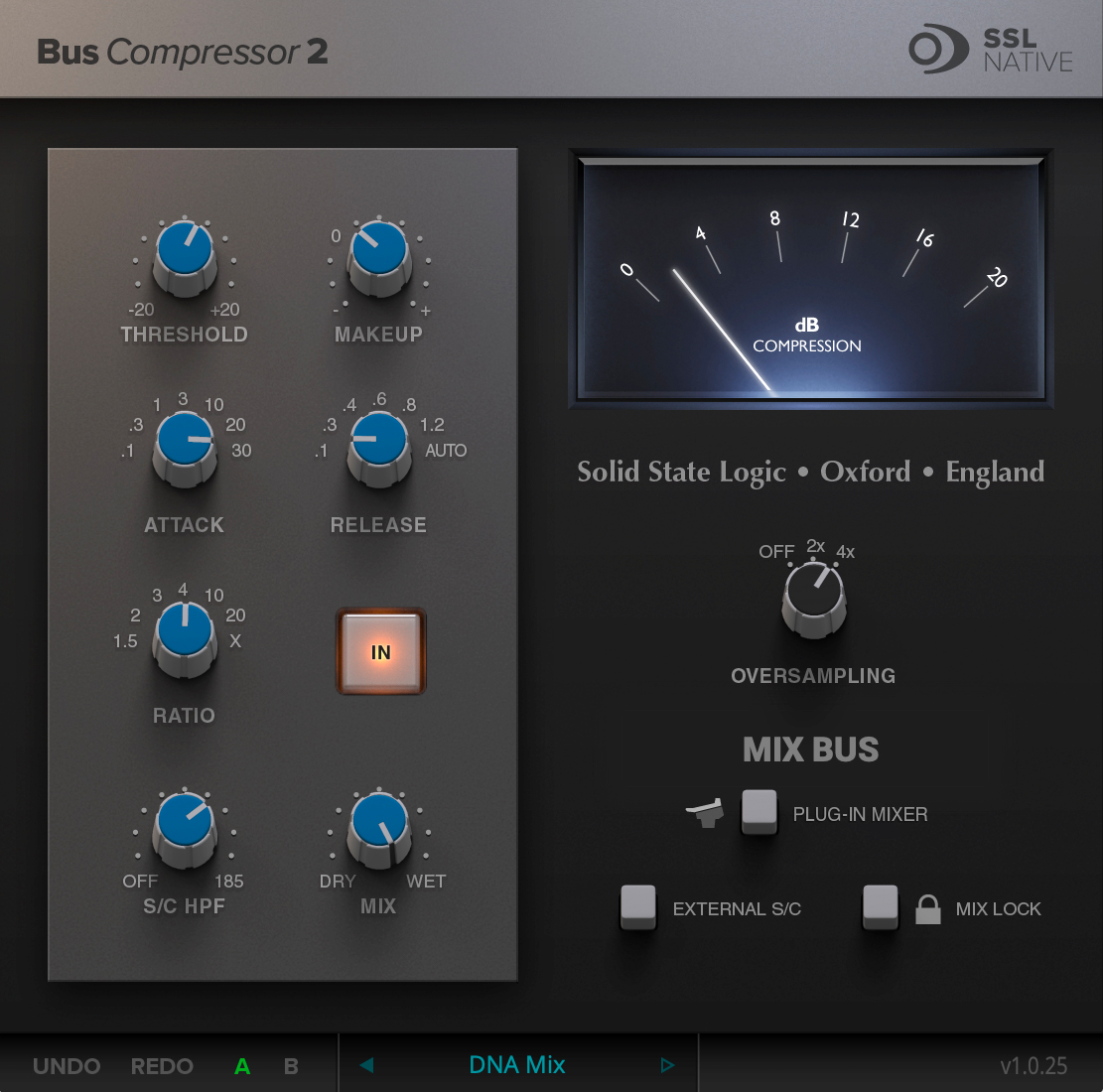
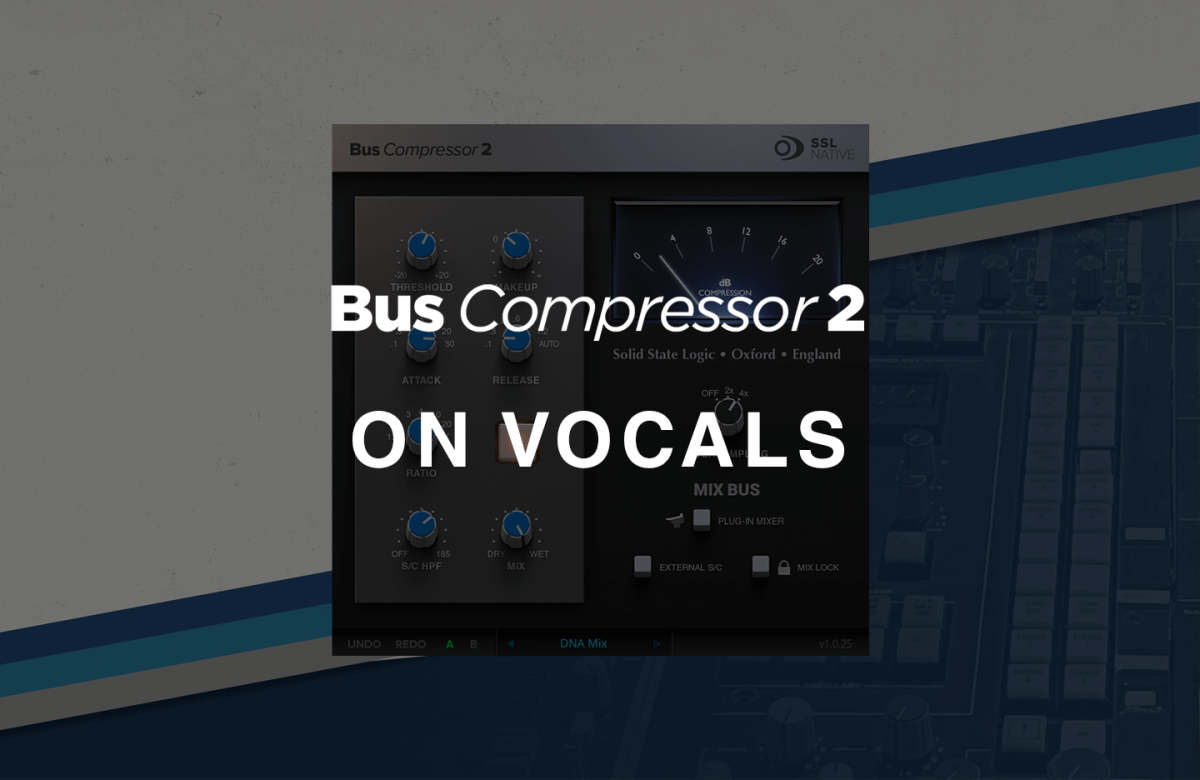
The original SSL G-Series bus compressor offered two ratio settings: 2:1 and 4:1. Simple, effective, legendary. The SSL Native Bus Compressor 2 adds five entirely new ratios — 1.5:1, 3:1, 10:1, 20:1, and the extreme X mode. That X ratio sits somewhere above 20:1 but below infinity:1, essentially functioning as a limiter. It’s the kind of feature that makes you rethink what a bus compressor can do.
The new 1.5:1 ratio deserves special attention. For years, the gentlest option on the SSL bus compressor was 2:1, which was already fairly transparent. But 1.5:1 gives you an even lighter touch — barely there compression that adds just a whisper of glue without any audible gain reduction artifacts. On delicate acoustic mixes or jazz sessions where you want cohesion without any sense of squashing, this ratio is a revelation. On the opposite end, the 10:1 and 20:1 ratios push the Bus Compressor 2 into heavy compression territory that was previously the domain of dedicated channel strip compressors.
Attack times have expanded from the classic six positions (0.1ms, 0.3ms, 1ms, 3ms, 10ms, 30ms) to include a new 20ms setting. This might seem like a small addition, but in practice, 20ms gives you a gentler approach to transient handling that sits perfectly between the existing 10ms and 30ms options — particularly useful when you want the compressor to breathe with the music rather than clamp down on it. I’ve found the 20ms attack especially effective on singer-songwriter material and pop ballads where preserving vocal transient clarity on the mix bus is critical.
Release times see even more dramatic expansion. The hardware’s four options (0.1s, 0.3s, 0.6s, and Auto) are joined by three new settings: 0.4s, 0.8s, and 1.2s. These extended release times are game-changers for using the Bus Compressor 2 on subgroups and individual tracks — applications the original was never really designed for, but where this updated version genuinely excels. The 1.2s release, in particular, opens up possibilities for smooth, transparent compression on slow-tempo material and cinematic mixes where faster release times would create audible pumping.
” alt=”SSL Native Bus Compressor 2 plugin interface”/>
Beyond the Hardware: Sidechain HPF, Wet/Dry, and Oversampling
The most practical additions to the SSL Native Bus Compressor 2 are features the original hardware simply couldn’t offer. Let’s start with the sidechain high-pass filter (HPF).
If you’ve ever put a bus compressor on your mix bus and watched the gain reduction meter pump every time the kick hits, you know the problem. Low frequencies carry the most energy, so the compressor reacts primarily to kicks and bass, causing the entire mix to “breathe” in a way that often sounds unnatural. The sidechain HPF solves this by filtering low frequencies out of the detection circuit. Set it somewhere around 80-100Hz, and the compressor responds to the overall mix energy rather than being dominated by the low end. It’s one of those features that, once you use it, you wonder how you ever lived without it.
The wet/dry mix control brings parallel compression directly into the plugin. No more setting up a separate auxiliary bus, no more routing headaches — just turn the knob. In my workflow, I use parallel bus compression on nearly every mix. Having it built into the SSL compressor itself means I can dial in aggressive settings (10:1, fast attack, medium release) and then blend it back with the dry signal at 40-60% wet. The result is that thick, dense, “everything’s louder” quality without actually crushing the dynamics.
Then there’s switchable 2x and 4x oversampling. Oversampling reduces aliasing artifacts in the digital domain, resulting in cleaner high-frequency processing. Yes, it costs more CPU, but when you’re using this on your master bus — a single instance on the most important insert point in your session — the CPU trade-off is absolutely worth it. I run it at 4x on the mix bus without hesitation. You can grab a 14-day free trial from SSL’s official page and A/B test the oversampling for yourself.
Practical Mixing Settings: SSL Native Bus Compressor 2 in Action
After 28 years behind the console, my philosophy with SSL bus compression has always been “less is more.” But the Bus Compressor 2’s expanded feature set lets you maintain that philosophy while opening doors that were previously closed. Here are three settings I’ve been reaching for consistently.
Classic Mix Bus Glue: Ratio 2:1 or 4:1, attack at 10ms or 30ms, release on Auto, targeting 2-4dB of gain reduction. This is the setting that’s been gluing mixes together since the 1980s. The addition to make here is the sidechain HPF at around 80-100Hz — it tightens up the response dramatically on bass-heavy material without changing the fundamental character of the compression.
Parallel Bus Crush: Ratio at 10:1 or 20:1, attack at 0.1ms (fastest), release at 0.3s, wet/dry at 40-60%. This is where Bus Compressor 2 truly separates itself from the original. On a drum bus, this setting brings explosive density while the dry signal preserves every transient. On vocal groups, it adds presence and thickness that cuts through a dense mix. Before this update, achieving this required a separate parallel bus chain — now it’s one knob.
X Mode Limiting: Ratio at X, attack at 0.3ms, release at 0.1s, threshold set carefully. For transparent peak limiting at the mastering stage, X mode can catch transient peaks that would otherwise push your limiter too hard. The key here is restraint — keep gain reduction under 1-2dB. This isn’t meant to be your primary limiter, but rather a safety net that catches the peaks your bus compressor normally wouldn’t touch at gentler ratios.
” alt=”SSL Native Bus Compressor 2 mix bus settings”/>
SSL 360° Integration and UC1 Controller Support
The SSL Native Bus Compressor 2 integrates fully with the SSL UC1 hardware controller. This means physical knobs for threshold, makeup gain, and ratio — real tactile control that makes the mixing experience feel like sitting at an actual SSL console. Within the SSL 360° Plug-in Mixer environment, you can manage up to eight Bus Compressor 2 instances simultaneously, which is particularly useful for engineers who use bus compression on multiple subgroups.
The UC1 integration is more than a novelty. When you’re adjusting a bus compressor threshold during playback, the tactile feedback of a real knob gives you a fundamentally different sense of control than clicking and dragging a mouse. Small threshold adjustments of 0.5dB can make the difference between a mix that breathes naturally and one that feels static, and physical control makes those micro-adjustments far more intuitive. If you’re already invested in SSL’s plugin ecosystem, the UC1 is worth serious consideration.
Format support covers AAX Native, AU, VST2, and VST3, meaning it works in Pro Tools, Logic Pro, Ableton Live, Cubase, Studio One, and virtually every other major DAW. It runs natively on Apple Silicon, so M1, M2, M3, and M4 Macs get optimized performance without Rosetta translation. System requirements are modest: macOS 10.12 or later, Windows 10 64-bit, 4GB RAM minimum, and iLok activation (software authorization or USB dongle). The plugin download is approximately 210MB. SSL also offers a 14-day free trial through iLok, so you can test it in your actual projects before committing.
Black Friday 2025: $19 for a Legendary Compressor
Here’s where the timing gets interesting. The SSL Native Bus Compressor 2 normally retails for $149. Right now, as part of the Black Friday 2025 sale on Plugin Boutique, it’s available for just $19 — an 87% discount. That price holds through January 5, 2026. SSL also offers their Complete Access Bundle subscription starting at $14.99/month, but at $19 for a permanent license, buying outright is the obvious move.
I’ve tested and purchased hundreds of plugins over nearly three decades. It’s rare to find an update that respects the character of the original hardware while adding genuinely useful modern features this seamlessly. The wet/dry control and sidechain HPF alone would justify the full retail price — at $19, this is one of the easiest purchasing decisions you’ll make this Black Friday. For context, most competing SSL bus compressor emulations from other developers — Waves, Plugin Alliance, Brainworx — sell for similar or higher prices at their discounted rates, and none of them offer the same combination of extended ratios, built-in parallel compression, and official SSL modeling.
If you’re considering the SSL Complete Access Bundle subscription at $14.99/month, keep in mind that it includes the Bus Compressor 2 along with SSL’s entire plugin library. That’s a compelling option if you want access to the SSL Channel Strip, Drumstrip, Vocalstrip, and other tools. But for engineers who primarily need the bus compressor — and let’s be honest, that’s the SSL plugin most of us reach for daily — the $19 permanent license is the smarter investment.
Bus compression isn’t just about controlling dynamics. It’s about giving your mix a personality — a sense of cohesion that makes everything feel like it belongs together. The SSL Native Bus Compressor 2 lets you do that with more precision, more flexibility, and more creativity than ever before. The expanded ratios mean it can serve as a gentle glue at 1.5:1, a classic bus compressor at 4:1, an aggressive parallel processor at 20:1, or a transparent peak limiter in X mode — all within a single plugin that maintains the sonic DNA of one of audio engineering’s most iconic pieces of hardware. Whether you’re a seasoned engineer or just starting to explore mix bus processing, this plugin deserves a spot on your master channel.
Need professional mixing, mastering, or help optimizing your plugin workflow? Greit Studios has 28+ years of experience behind the console.
Get weekly AI, music, and tech trends delivered to your inbox.