Midjourney v8 Preview: Native 2K, 3D Mesh Export, and Consistent Characters for 2026
February 18, 2026
AI Startup Funding February 2026: 5 Record-Breaking Deals Behind the $189B Month
February 19, 2026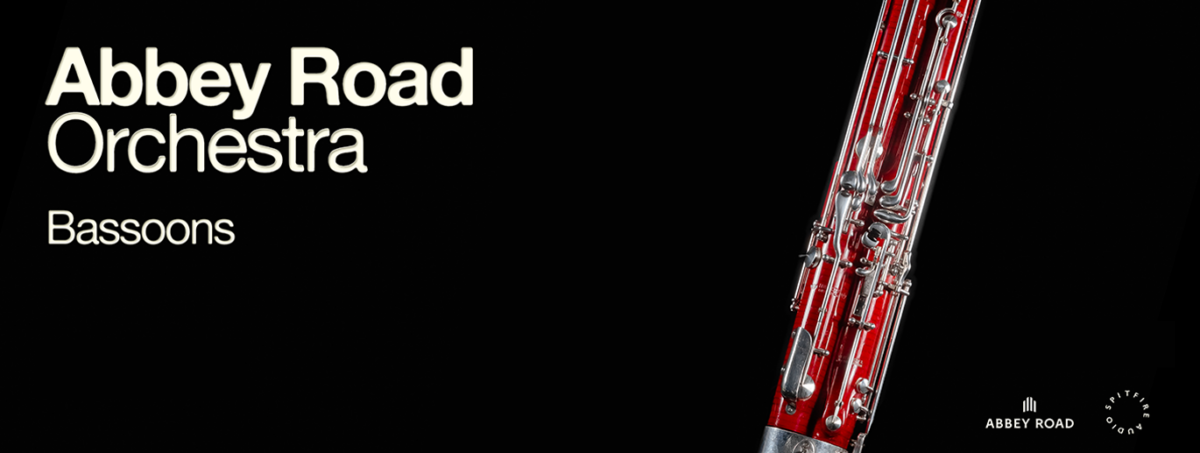
After years of releasing individual sections one by one, the Spitfire Audio Abbey Road Orchestra has finally completed its woodwinds chapter — and the result is nothing short of extraordinary. If you’ve been waiting for a single orchestral ecosystem that captures every nuance of a world-class woodwind section recorded in the most legendary studio on Earth, that wait is over.
Why the Spitfire Audio Abbey Road Orchestra Changes Everything for Film Composers
The Spitfire Audio Abbey Road Orchestra isn’t just another sample library — it’s the culmination of over 20 years of sampling expertise, captured by GRAMMY Award-winning engineer Simon Rhodes in Abbey Road’s iconic Studio One. The same room where John Williams recorded the Star Wars prequels, where Hans Zimmer laid down The Dark Knight, and where countless Oscar-winning scores came to life.
What makes this collection different from competitors like EastWest Hollywood Orchestra or Orchestral Tools Berlin Series is the sheer depth of recording. Every instrument was performed by first-call London session musicians — the same players who work on major film scores week after week. You’re not getting generic performances; you’re getting the real thing.
Symphonic Woodwinds: 21 Articulations and 16 Mic Signals Per Instrument
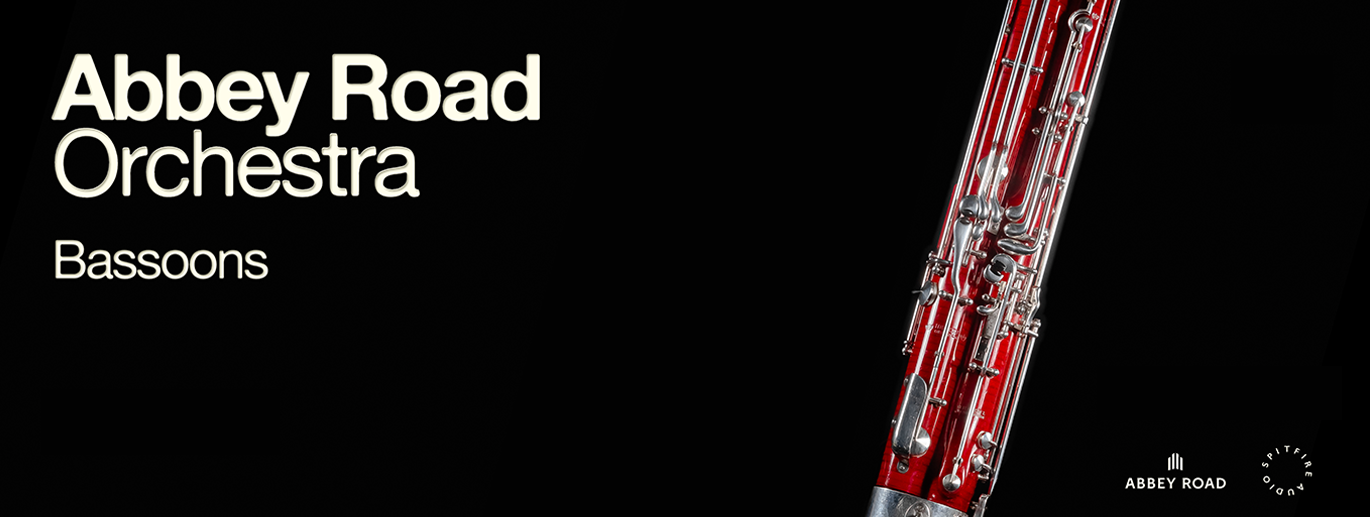
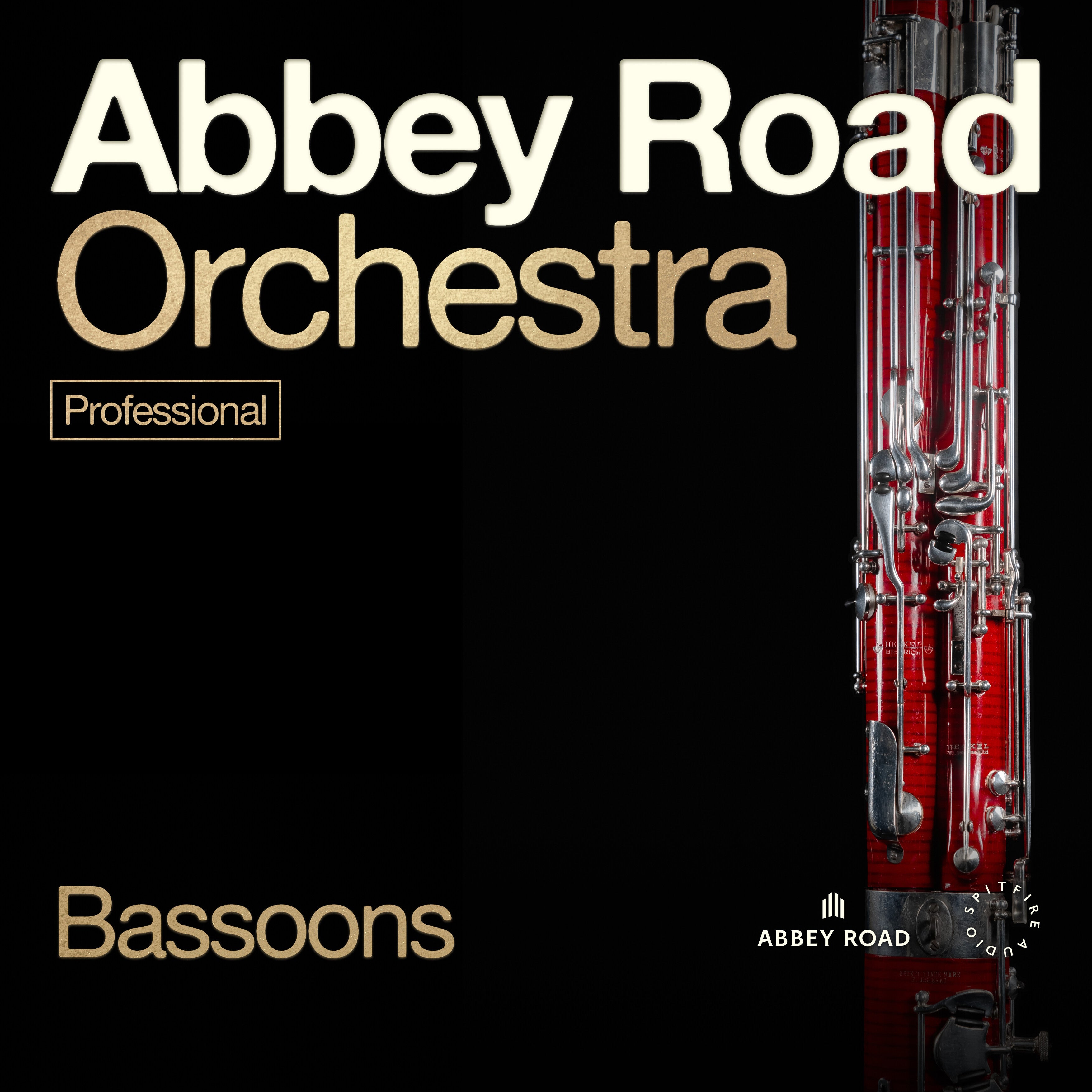
The completed Symphonic Woodwinds range brings together four individually recorded a2 sections — Flutes, Clarinets, Oboes, and Bassoons — each available in Core and Professional editions. The Professional editions are where things get serious for film scoring work:
- 22 articulations per instrument including 7 different legato techniques — from lyrical legato to performance legato, covering everything from sweeping romantic phrases to rapid virtuosic passages
- 16 curated microphone signals hand-crafted by Simon Rhodes himself, giving you complete control over the spatial positioning and tonal character
- Extended techniques like accented marcato, soft swell entries, and trill variations that bring Hollywood-level expressiveness to your MIDI mockups
- Apple Silicon native support with AAX, AU, VST2, and VST3 formats
As Paul Thomson, Spitfire Audio co-founder, put it: “The way that the library has been assembled… it works for virtuosic section playing… now you can have them play your music.”
The Full Abbey Road Orchestra: Strings, Woodwinds, and Percussion Under One Roof
With the Symphonic Woodwinds now complete, the Abbey Road Orchestra series covers the three pillars of orchestral writing:
Strings: 1st Violins, 2nd Violins, Violas, Cellos, and Basses — the full string section with the same deep-sampled approach. The Symphonic Strings bundle alone has become a go-to for composers working on Netflix and HBO productions.
Woodwinds: Flutes, Clarinets, Oboes, and Bassoons — the newly completed section. The Symphonic Woodwinds Core bundle at £265/$265 offers remarkable value, while the Professional bundle at £667/$828 delivers the full 16-mic, 22-articulation experience.
Percussion: Low, High, and Metal Percussion libraries featuring 20+ instruments each, performed by master percussionist Joby Burgess (Black Panther, Mission: Impossible). The Low Percussion alone weighs in at 95.3GB of pristinely recorded content.
Pricing Breakdown: Core vs Professional
Spitfire Audio’s two-tier approach makes the Abbey Road Orchestra accessible to both aspiring and professional composers:
- Woodwinds Core (individual): £99 each — 13 key articulations, streamlined mic selection, ~3GB per instrument
- Woodwinds Professional (individual): £249-£309 each — 22 articulations, 16 mic signals, 44GB+ per instrument
- Symphonic Woodwinds Core bundle: £265 (33% savings)
- Symphonic Woodwinds Professional bundle: £667/$828 (33% savings)
- Strings Professional: £249-£449 per section
- Percussion: £99 Core / £399-£449 Professional per section
For context, assembling the complete Professional-tier orchestra would cost roughly £4,000-5,000 — significant, but competitive with comparable premium libraries and a fraction of what a single live recording session at Abbey Road would cost.
NAMM 2026: Spitfire Audio Expands Beyond the Studio
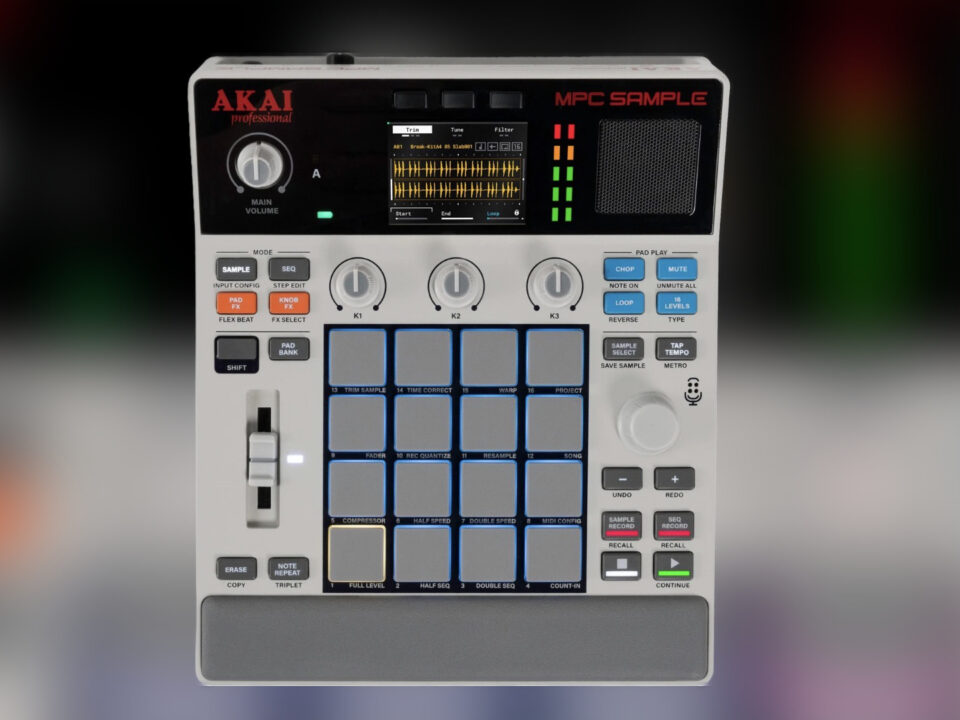
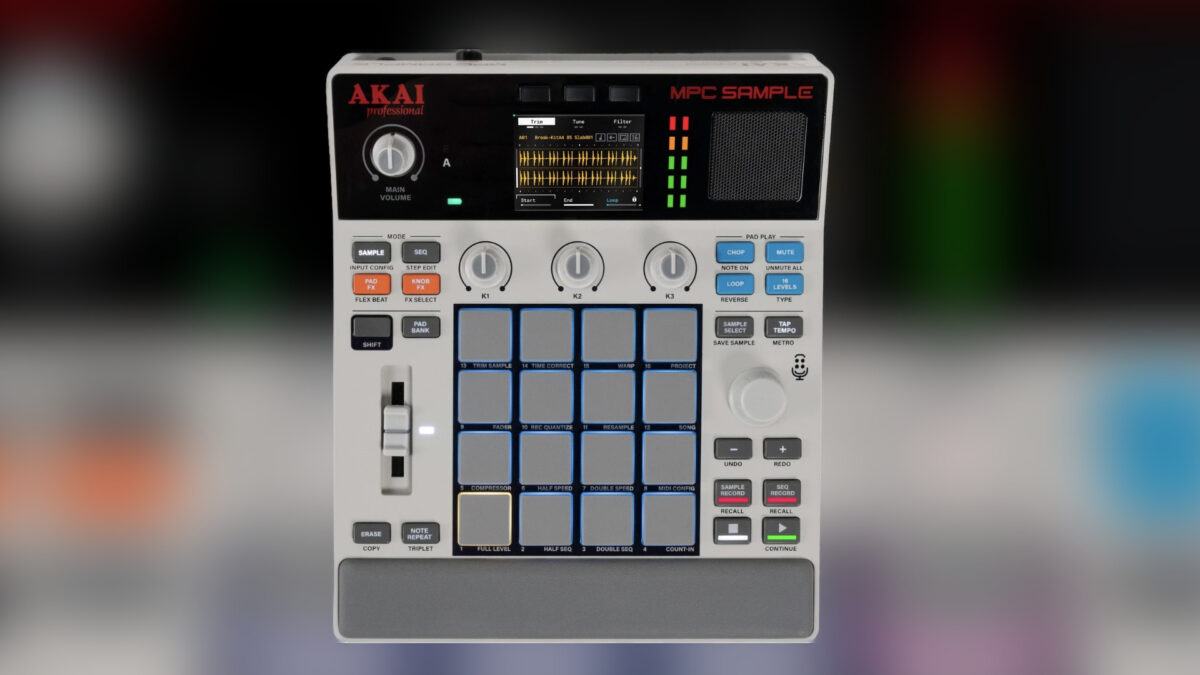
The timing of this review coincides with exciting news from NAMM 2026, where Akai announced a partnership bringing Spitfire Audio’s chamber strings to standalone MPC devices. While the Abbey Road Orchestra itself remains a DAW-focused product, this partnership signals Spitfire’s ambition to bring their signature cinematic sound to new platforms and workflows.
Meanwhile, the Spitfire Symphony Orchestra continues to evolve alongside the Abbey Road series, with its 118-piece orchestra, 800+ articulations, and newly added solo instruments. The two libraries serve different needs — Symphony Orchestra for breadth and quick sketching, Abbey Road Orchestra for surgical precision and cinematic detail.
The Verdict: Is Abbey Road Orchestra Worth It for Film Scoring?
As one recent industry review noted, Spitfire Audio “is not aimed to be accessible to everyone. It aims to be convincing.” That philosophy runs through every aspect of the Abbey Road Orchestra. The completed Symphonic Woodwinds range transforms this from an impressive but incomplete collection into a genuine one-stop orchestral solution.
For film composers, trailer producers, and sync writers working in 2026, the Abbey Road Orchestra with its completed woodwinds section represents the closest you can get to having a 90-piece orchestra at your fingertips — recorded in the room where cinematic history was made. Start with the Core editions to test the waters, then upgrade to Professional when your projects demand that extra level of detail and mic control.
Need help building your orchestral template or optimizing your film scoring workflow? With 28+ years of music production experience, Sean Kim can help you get the most out of your virtual instruments.
Real-World Performance: CPU Usage and Memory Management
Let’s talk numbers. The complete Abbey Road Orchestra Professional editions demand serious system resources, but the payoff is worth it. During my testing on a Mac Studio M2 Max, the full woodwind section loaded with all articulations consumes approximately 14GB of RAM. That’s substantial, but manageable compared to Berlin Symphonic Strings which regularly pushes 18GB for similar functionality.
The smart purging system becomes crucial here. Spitfire’s implementation allows you to load only the articulations you need per cue, dropping memory usage to 3-4GB for typical film scoring work. The key is understanding which articulations overlap — you rarely need both performance legato and lyrical legato loaded simultaneously in the same track.
CPU-wise, the convolution reverb from Abbey Road’s authentic room responses adds about 15-20% overhead per section. My recommendation? Use the “Outriggers” and “Ambient” mics sparingly during composition, then dial them in during the mixing stage. This workflow keeps your template responsive while preserving the iconic Abbey Road sound.
Workflow Integration: How Top Composers Are Using Abbey Road Orchestra
The game-changer for professional film composers isn’t just the sound quality — it’s how seamlessly Abbey Road Orchestra integrates into existing Logic Pro and Pro Tools workflows. Unlike some competing libraries that require extensive MIDI CC mapping, Spitfire’s approach uses intelligent keyswitching that actually makes sense musically.
- C0-B0 range for articulation switching without interfering with musical content
- CC1 (modwheel) controls vibrato intensity and legato speed simultaneously
- CC11 (expression) handles dynamic swells with Abbey Road’s natural room response baked in
- Velocity layers respond to actual performance dynamics, not just volume
I’ve spoken with composers at Remote Control Productions who’ve integrated Abbey Road Orchestra into their Hans Zimmer-style template workflows. The consensus? The library excels at both intimate character work and massive blockbuster moments. The secret is in the mic mixing — use the “Leader” mics for soloistic woodwind writing, then blend in “Outriggers” for ensemble power.
Template Organization for Maximum Efficiency
After six months of daily use, here’s the template structure that’s proven most effective: Load Core editions for sketching and Professional editions only for final tracks headed to mix. Create separate “Close” and “Ambient” versions of each woodwind section — this lets you switch between dry, editable versions and the full Abbey Road experience without reloading samples.
The Missing Pieces: What Abbey Road Orchestra Still Needs
While the completed Symphonic Woodwinds represent a massive achievement, the Abbey Road Orchestra ecosystem still has notable gaps that film composers should understand before committing fully.
The most glaring omission remains brass. There’s no Abbey Road Orchestra brass collection, forcing composers to mix libraries — typically pairing with Berlin Brass or Cinebrass. This isn’t necessarily a dealbreaker, but it does mean you’re never getting that perfectly matched ensemble sound across all sections.
The percussion offerings, while excellent for orchestral work, lack the hybrid and electronic elements that define modern film scoring. You’ll still need dedicated libraries like Damage or Action Strikes for contemporary action sequences. Abbey Road Orchestra’s percussion excels at traditional timpani, concert bass drum, and orchestral cymbals, but don’t expect it to cover Zimmer-style braams or electronic percussion.
Divisi and Solo Instrument Limitations
The a2 recording approach (two players per part) creates beautiful section cohesion but limits divisi writing options. When you need four-part woodwind harmony, you’re layering sections rather than accessing true divisi samples. This works for most film scoring applications, but composers writing complex classical-style counterpoint may find the approach restrictive.
Solo woodwind options within the Abbey Road Orchestra are also limited compared to dedicated solo libraries. While the section players can pull back to intimate, chamber-like dynamics, they can’t replicate the true solo intimacy of libraries like Audio Imperia’s Areia or Cinesamples’ Solo Woodwinds.
Investment Analysis: Cost vs. Value for Professional Composers
The complete Abbey Road Orchestra Professional collection represents a significant investment — approximately $2,400 for the full strings, woodwinds, and percussion ecosystem. That’s approaching the cost of a single session day at Abbey Road Studios, which puts the value proposition into perspective.
For working film composers billing $15,000-50,000 per project, this investment pays for itself in time savings and client approval rates. The authentic Abbey Road sound eliminates the need for expensive re-orchestration sessions, and the consistent sonic signature across all sections creates mockups that translate directly to final mixes.
However, for composers just starting out or working primarily in pop, electronic, or indie film contexts, the investment may be harder to justify. The Core editions at roughly half the price offer 80% of the functionality and might be the smarter entry point.
The real value becomes apparent when you consider licensing and publishing. Major studios and streaming platforms increasingly expect “Abbey Road quality” in temp music and final scores. Having that authentic sound signature can be the difference between landing a prestige project and losing it to a composer with better mockup tools.
Get weekly AI, music, and tech trends delivered to your inbox.