Claude Projects Guide: How 200K-Token Knowledge Bases Are Replacing Enterprise AI Onboarding
June 9, 2025
AMD Radeon RX 9060 XT: The $299 RDNA 4 GPU That Changes Budget 1080p Gaming
June 9, 2025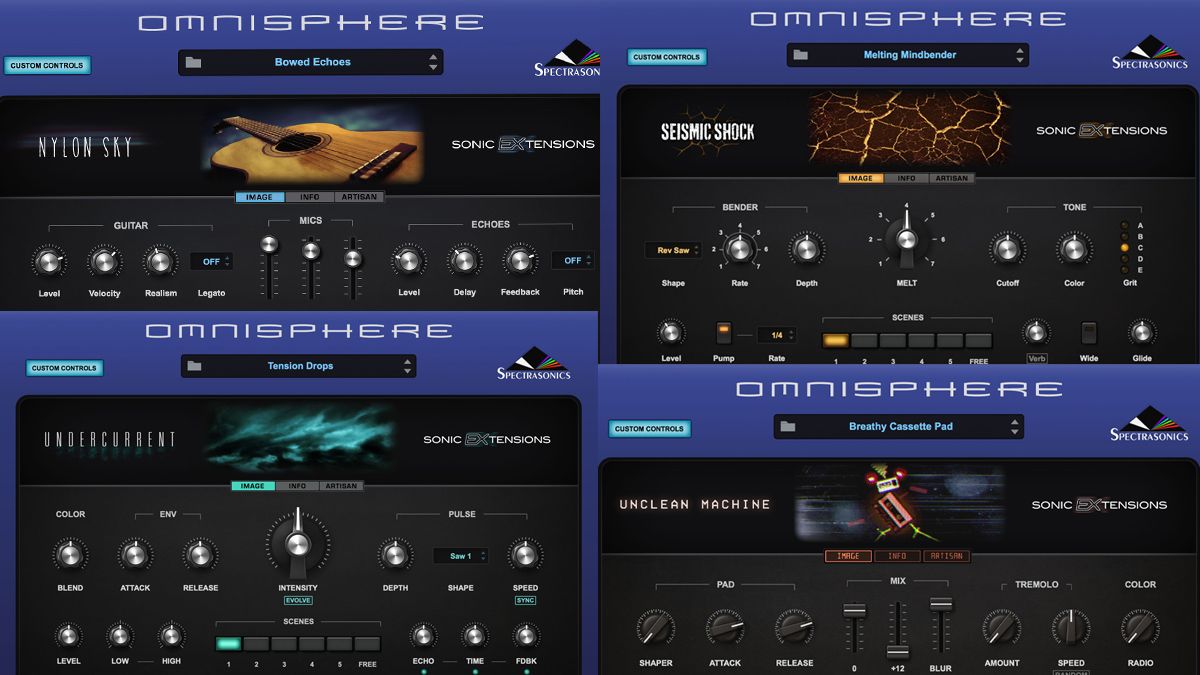
It’s been over ten years since Spectrasonics dropped Omnisphere 2 at NAMM 2015, and the question on every producer’s mind remains the same: where is Omnisphere 3? While Eric Persing and his team have remained characteristically silent, the clues are piling up — and the community isn’t staying quiet.
A Decade of Omnisphere 2: Why the Long Wait?
Spectrasonics has never been a company that rushes releases. The original Omnisphere took over six years of development before its 2008 launch. Keyscape, their acclaimed keyboard instrument, was in development for a decade with zero leaks — a feat nearly unheard of in the plugin industry. This culture of secrecy and perfectionism is exactly why Omnisphere 3 remains one of the most anticipated and least confirmed products in the music production world.
Since Omnisphere 2’s release, Spectrasonics has delivered several meaningful updates. Version 2.5 doubled the voice architecture to four layers per patch. Version 2.6 dramatically expanded Hardware Synth Integration to support over 60 hardware synthesizers. And version 2.8, released in 2021, introduced the Sonic Extensions platform — essentially mini-instruments built on top of Omnisphere’s engine, including Undercurrent, Nylon Sky, Unclean Machine, and Seismic Shock.
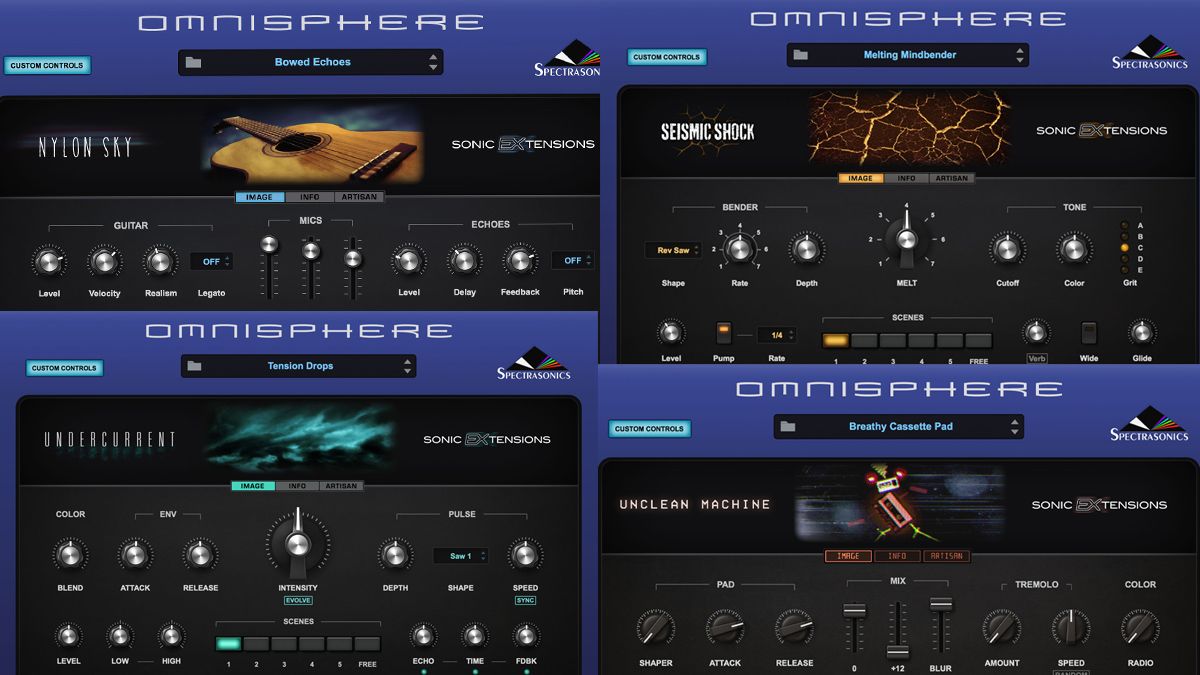
These Sonic Extensions were interesting for two reasons. First, they showed that Spectrasonics was actively developing new sound design paradigms. Second, some community members interpreted them as either a stopgap before Omnisphere 3 or, more worryingly, a sign that Spectrasonics might be pivoting away from major version releases entirely.
Omnisphere 3 Feature Speculation: What the Community Wants
The KVR Audio forums have hosted extensive Omnisphere 3 wishlist threads spanning hundreds of pages. After reading through years of user requests, several consistent themes emerge:
MPE Support — The Most Requested Feature
MIDI Polyphonic Expression (MPE) has become a standard feature in modern synthesizers like Arturia Pigments, Vital, and even hardware units from Roli and Sensel. Omnisphere 2’s lack of MPE support feels increasingly outdated. For producers using MPE controllers like the Linnstrument, Seaboard, or Sensel Morph, this is the single most important upgrade Omnisphere 3 could deliver.
UI Modernization for High-DPI Displays
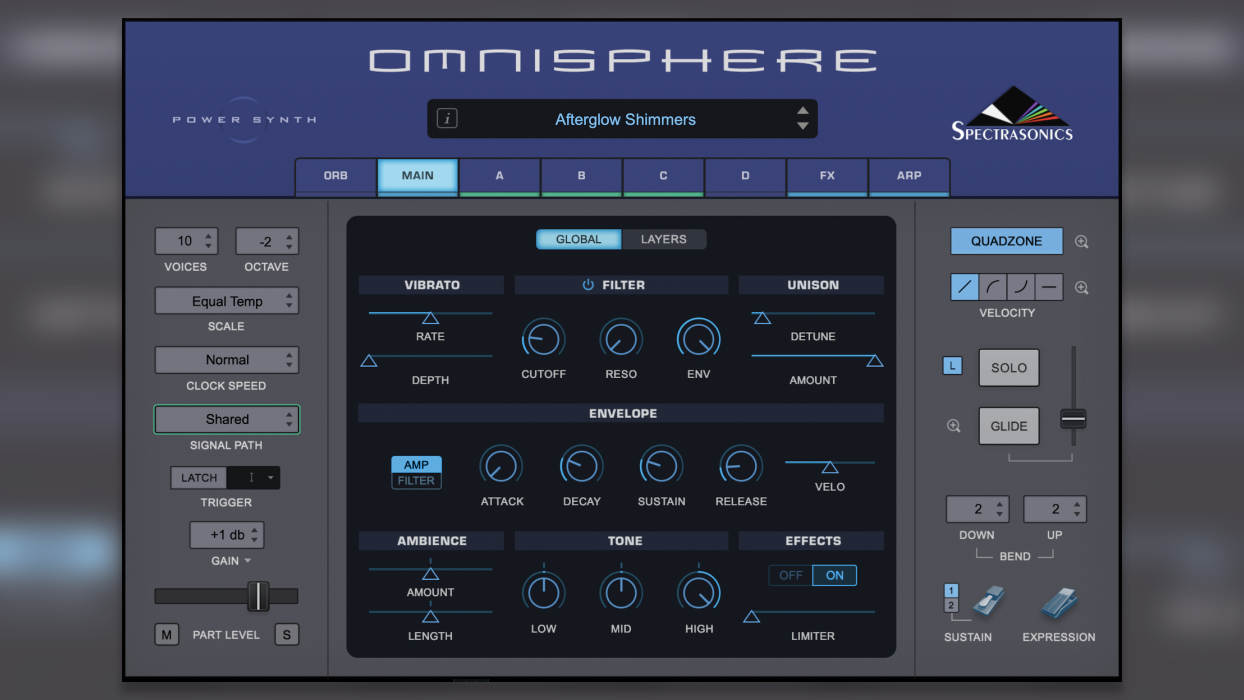
Omnisphere 2’s interface, while functional, was designed in an era before 4K and Retina displays became standard. Users have consistently requested a cleaner, more scalable UI — with some pointing to Arturia Pigments’ design as a benchmark. The browser and tagging system, in particular, has been a frequent target for improvement requests. Navigating 14,000+ sounds in the current browser can feel sluggish compared to modern alternatives.
Performance Optimization and Codebase Overhaul
This is a contentious one. Some users describe Omnisphere as feeling “heavy” and “bloated,” suggesting the codebase has accumulated too many layers over the years. A ground-up rewrite — or at least significant optimization — could address CPU usage concerns and loading times that frustrate users working with large sessions.
Advanced Synthesis and Resynthesis Engine
Perhaps the most ambitious request: a resynthesis engine that leverages Omnisphere’s massive sample library. Imagine being able to analyze and resynthesize any of the 14,000+ sounds, creating entirely new hybrid timbres. Combined with granular synthesis improvements and wavetable enhancements, this could push Omnisphere into territory no other plugin currently occupies.
Expanded Arpeggiator and Modulation
Users want multiple arpeggiators with the ability to route different layers to different patterns. The modulation system, while already deep, could benefit from a more visual approach similar to what Vital and Phase Plant offer — drag-and-drop modulation routing that makes complex patches more accessible.
What Eric Persing Has (and Hasn’t) Said
Eric Persing, Spectrasonics’ founder and Chief Sound Designer, has been remarkably tight-lipped about Omnisphere 3. In various interviews over the years, he’s emphasized Spectrasonics’ philosophy of only releasing products when they meet an extremely high quality bar. During the Omnisphere 2.6 announcement at NAMM 2019, Persing focused entirely on the hardware integration expansion without hinting at a version 3 timeline.
What we do know is that Spectrasonics operates with a relatively small team compared to companies like Native Instruments or Arturia. This means development cycles are inherently longer, but the results — as demonstrated by Keyscape and Omnisphere’s legendary sound quality — tend to justify the wait.
The Sonic Extensions strategy introduced in 2021 might actually be the most telling clue. By creating modular expansions that push Omnisphere’s engine in new directions, Spectrasonics could be simultaneously generating revenue and testing new synthesis concepts that will eventually find their way into Omnisphere 3.
Reading the Tea Leaves: Timeline Predictions
Based on Spectrasonics’ historical release patterns, here’s what we can reasonably speculate:
- Omnisphere 1 to 2: 7 years (2008 → 2015)
- Omnisphere 2 to now: 10+ years and counting (2015 → 2025)
- Keyscape development: 10 years with zero leaks
- Sonic Extensions launch: 2021 — possible R&D testbed for Omnisphere 3 technology
If Spectrasonics follows their pattern of approximately decade-long development cycles, an Omnisphere 3 announcement could realistically happen within the next year or two. The Sonic Extensions platform may have been laying the groundwork for new synthesis paradigms that will debut in the full version 3 release.
Major trade shows like NAMM (January) and Superbooth (May) have historically been Spectrasonics’ preferred venues for announcements. A late 2025 or early 2026 reveal would align with both the development timeline and the industry event calendar.
What Omnisphere 3 Needs to Compete in 2025
The synthesizer plugin landscape has evolved dramatically since 2015. Competitors that barely existed when Omnisphere 2 launched — like Vital, Arturia Pigments, and Phase Plant — now offer cutting-edge features at a fraction of the price. Here’s what Omnisphere 3 absolutely must deliver to maintain its premium positioning:
- MPE and per-note expression: Non-negotiable in 2025
- Scalable vector UI: The current interface needs a complete visual overhaul
- Improved CPU efficiency: Modern session sizes demand leaner processing
- AI-assisted sound design: With AI integration becoming standard across creative tools, intelligent patch suggestion or sound morphing would be a differentiator
- Cloud sound library: The massive install size (~64GB for full library) needs a modern streaming or selective download solution
- Hardware Integration 2.0: Expanding beyond 60 profiles to potentially hundreds, with community-created mappings
A Producer’s Perspective: Why the Wait Might Be Worth It
Having used Omnisphere since its original release in 2008, I can tell you that every major Spectrasonics update has been worth the patience. When Omnisphere 2 finally landed, it wasn’t just an incremental upgrade — it was a complete reimagining of what a virtual instrument could be. The granular synthesis, the Hardware Synth Integration, the sheer depth of the sound library — these weren’t features you’d find in any competitor at the time.
Eric Persing’s approach has always been about quality over speed. In an industry increasingly driven by subscription models and annual updates, Spectrasonics stands apart by delivering products that remain relevant for a decade or more. If Omnisphere 3 follows this philosophy, we’re likely looking at something that will redefine expectations for the next generation of music production software.
The bottom line? The silence from Spectrasonics isn’t cause for concern — it’s their standard operating procedure. When Omnisphere 3 finally arrives, the decade of development will almost certainly show in every detail. Until then, Omnisphere 2.8 with Sonic Extensions remains one of the most powerful and versatile synthesizers available, and it’s far from done.
Whether you’re exploring Omnisphere’s current capabilities or planning your next studio upgrade, professional guidance makes all the difference.
Get weekly AI, music, and tech trends delivered to your inbox.