Best Free DAW 2026: Cakewalk Sonar vs GarageBand vs Ardour 9 — The Definitive Comparison
February 24, 2026
YouTube Music Production Channel Equipment Guide: Start Professional for Under $500
February 25, 2026
A veteran film director watched a side-by-side comparison of Sora 2 vs Runway Gen-4 Turbo output last week and asked: “Wait — which one was the real footage?” That question would have been laughable six months ago. By February 2026, AI video generation has officially crossed into cinematic territory, and the pace of improvement shows no sign of slowing down. The real question is no longer whether AI can produce professional video — it’s which Sora 2 vs Runway Gen-4 tool fits your specific production needs, your budget, and your creative workflow.
Sora 2 vs Runway Gen-4 Turbo: Core Specs at a Glance
OpenAI launched Sora 2 in September 2025 and added the Pro tier in January 2026, rapidly evolving the platform into a serious cinematic tool. The improvements over the original Sora are dramatic: it now generates clips up to 25 seconds long with fully synchronized audio, dialogue, and sound effects — meaning the output is no longer silent footage that needs separate audio work. The character cameo feature lets you inject real people into generated scenes, which is a game-changer for personalized marketing content, social media, and even independent film projects. Pricing ranges from $20/month on the Plus plan to $200/month for Pro-level access with higher generation limits.
OpenAI has also introduced the Social Sora app, which features a characters injection system that lets users place themselves or others into AI-generated worlds. The storyboard feature, currently in beta, allows filmmakers to plan videos second by second before committing generation credits — a thoughtful addition that addresses one of the biggest complaints about AI video tools: wasted credits on unsatisfactory outputs.
Runway’s Gen-4 family takes a fundamentally different approach. According to Runway’s official announcement, Gen-4 focuses on maintaining consistent characters, locations, and objects across multiple scenes — a critical need for narrative content that Sora 2 still struggles with. The Gen-4 Turbo variant offers rapid experimentation at just 5 credits per second, making it practical to iterate quickly on ideas without burning through your budget. Pricing starts at an accessible $12/month for the Standard plan with 625 credits, scaling to $76/month for unlimited generation.
The Gen-4 family includes three tiers worth understanding. Gen-4 is the base model optimized for quality. Gen-4 Turbo sacrifices slight quality for significantly faster generation and lower credit costs. And Gen-4.5, the latest addition, pushes both quality and consistency to new heights while maintaining reasonable generation speeds. Each variant serves a different use case, and understanding which to use when is part of what separates casual users from professionals.
Video Quality Benchmarks: Cinematic Realism vs Production Polish
On paper, Runway wins the benchmark race. Gen-4.5 holds the #1 spot on the Artificial Analysis Text-to-Video Arena with an impressive 1,247 Elo rating, beating out every competitor including Google’s Veo 3 and Kling 3.0. But benchmarks only tell part of the story. According to SpectrumAI Lab’s comprehensive analysis, Sora 2 delivers the highest cinematic quality and prompt adherence in the industry when it comes to single-shot, film-grade output.
Here’s where the nuance matters. Sora 2 excels at realistic basketball rebounds, precise fluid dynamics, and film-grade lighting — the kind of physics-heavy scenes that tripped up every AI model just a year ago. When you prompt Sora 2 with a complex cinematic scene involving water, fire, or dynamic motion, the results are genuinely impressive. The synchronized audio generation adds another dimension entirely, producing sound effects that match the visual action without requiring separate Foley work.
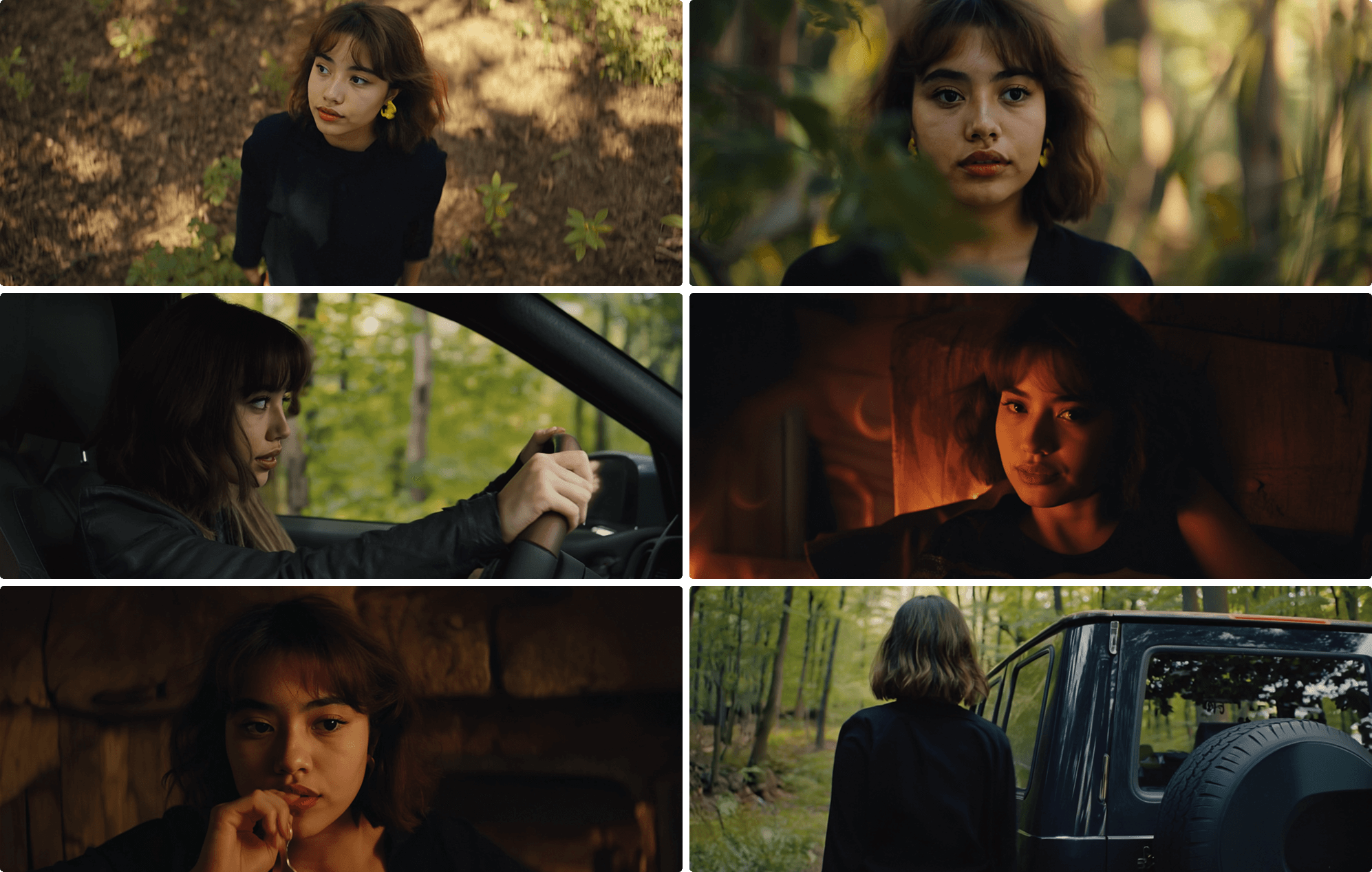
Runway Gen-4 counters with superior weight and momentum physics, advanced surface rendering, and remarkably detailed hair and fabric textures. Where Runway particularly shines is in multi-scene consistency — generating a sequence of clips where the same character appears in the same outfit with the same physical proportions across different shots. For anyone creating narrative content, advertising, or short films, this consistency is non-negotiable, and Runway currently handles it better than any competitor.
- Sora 2: Highest cinematic quality, 25-second clips, synchronized audio generation, character cameos
- Runway Gen-4 Turbo: Benchmark leader, rapid prototyping at 5 credits/second, multi-scene consistency
- Runway Gen-4.5: Overall #1 with 1,247 Elo on Artificial Analysis, best cross-scene character retention
Pricing Breakdown: Which Plan Delivers the Best Value?
Runway holds a clear advantage on accessibility and flexibility. The free tier offers 125 one-time credits — enough for approximately 25 seconds of Gen-4 Turbo footage, which is plenty to evaluate the platform before committing. The Standard plan at $12/month allocates 625 credits, while the Pro plan at $28/month bumps that to 2,250 credits. For heavy users and studios, the Unlimited plan at $76/month removes credit constraints entirely. The credit-per-second pricing model means you always know exactly what you’re spending.
Sora 2 takes a bundled approach that works differently depending on your situation. It’s included with ChatGPT Plus at $20/month, making it essentially free for the millions of existing subscribers who already pay for ChatGPT. However, the Plus tier comes with relatively modest generation limits. Serious video production demands the Pro tier at $200/month, which is a significant jump. For teams, the Team plan offers API access and higher limits but at enterprise-level pricing.
The critical distinction goes beyond raw pricing. Runway is a dedicated video production platform with masking, color grading, compositing, and relighting tools built directly into the same interface. You can generate a clip and immediately refine it without leaving the application. Sora 2 is a generation-first tool — outstanding at creating raw footage, but you’ll need external tools like DaVinci Resolve, Premiere Pro, or ironically Runway itself for post-production work. For creators who already have an editing pipeline, this isn’t a problem. For newcomers, Runway’s all-in-one approach has obvious appeal.
The 2026 Pro Workflow: Why Top Creators Use Both
Here’s the most important insight from February 2026’s AI video landscape: the best creators have stopped choosing one tool. They route different shots to different models based on each tool’s strength. Need a sweeping cinematic establishing shot with dramatic lighting and synchronized ambient audio? That goes to Sora 2. Need a series of consistent dialogue scenes where the same characters interact across multiple cuts? That goes to Runway Gen-4. The emerging standard workflow uses Sora 2 for initial cinematic generation, then brings footage into Runway’s post-production suite for color grading, compositing, and relighting.
This multi-tool approach isn’t just an indie creator trend — it’s becoming industry standard. Lionsgate, Adobe, and Microsoft have already integrated Runway into their production pipelines. Runway’s Aleph update enables live-action footage modification, positioning it as a complete creative platform that bridges the gap between AI-generated and traditionally shot content. You can now take real footage and modify it using AI within Runway — changing lighting conditions, removing objects, or even altering environments in ways that would have required extensive VFX work just months ago.
Meanwhile, Sora 2’s storyboard feature lets filmmakers plan videos second by second before committing to generation credits, solving the costly trial-and-error problem that plagued earlier AI video tools. Combined with the character cameo feature, creators can pre-visualize entire sequences with specific people placed in AI-generated environments before spending production credits on final renders.
The landscape shifted more in early 2026 than all of the second half of 2025 combined, with Sora 2 Pro, Kling 3.0, and Seedance 1.5 Pro all launching within weeks of each other. Competition is driving rapid improvement across every platform. The takeaway is clear: asking “Sora 2 vs Runway Gen-4 — which is better?” is the wrong question for 2026. Cinematic generation belongs to Sora 2. Production workflow belongs to Runway. And the best results come from combining both tools strategically based on what each shot in your project demands. The only question left is which combination fits your next project — and your budget.
Looking to integrate AI video generation into your production pipeline? With 28+ years of media production experience, I can help you design the optimal multi-tool workflow for your team.