Linux Music Production 2025: Bitwig, REAPER, and Ardour Setup Guide
August 21, 2025
Cursor 1.5 Update: Linear Integration Turns Background Agents Into Your Newest Teammate
August 22, 2025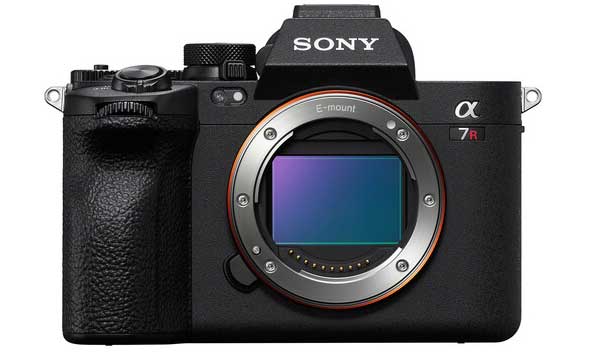
The Sony A7R VI 80MP leak just dropped, and if these specs are real, medium format cameras have a serious problem. An 80-megapixel full-frame stacked sensor. 8K video at 30fps. 30 frames per second continuous shooting with 14-bit RAW. Landscape photographers everywhere are about to rethink their entire kit.
What the Sony A7R VI 80MP Leak Reveals
The rumor mill has been churning for months, but the latest leaked specifications paint a remarkably clear picture of Sony’s next flagship resolution camera. Multiple sources — including early reports from Digital Camera World — suggest the A7R VI will pack an 80MP full-frame stacked CMOS Exmor sensor, a massive 31% jump from the current A7R V’s 61MP BSI sensor.
But resolution is only part of the story. The shift from a BSI (back-side illuminated) design to a fully stacked architecture is the real headline. Stacked sensors, as we’ve seen in the A9 III and A1 II, enable dramatically faster readout speeds. That means less rolling shutter distortion, faster autofocus response, and — critically — the ability to push continuous shooting speeds that were previously impossible at this resolution.
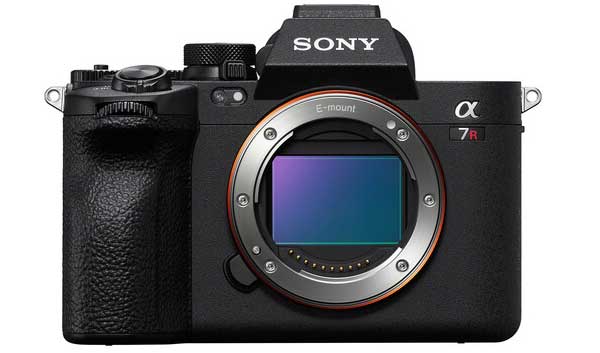
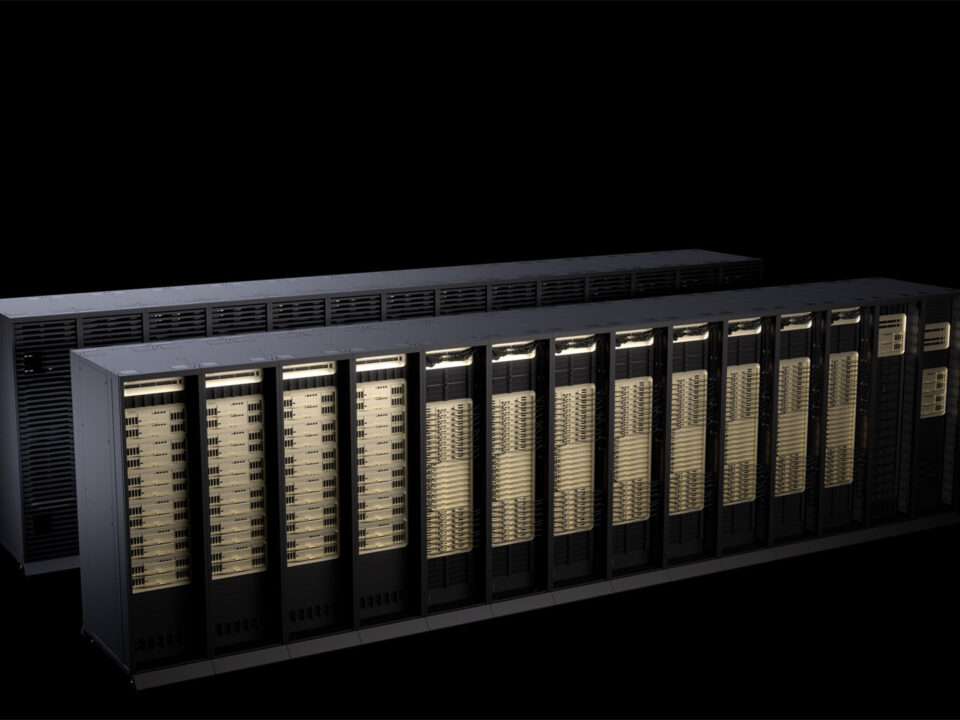
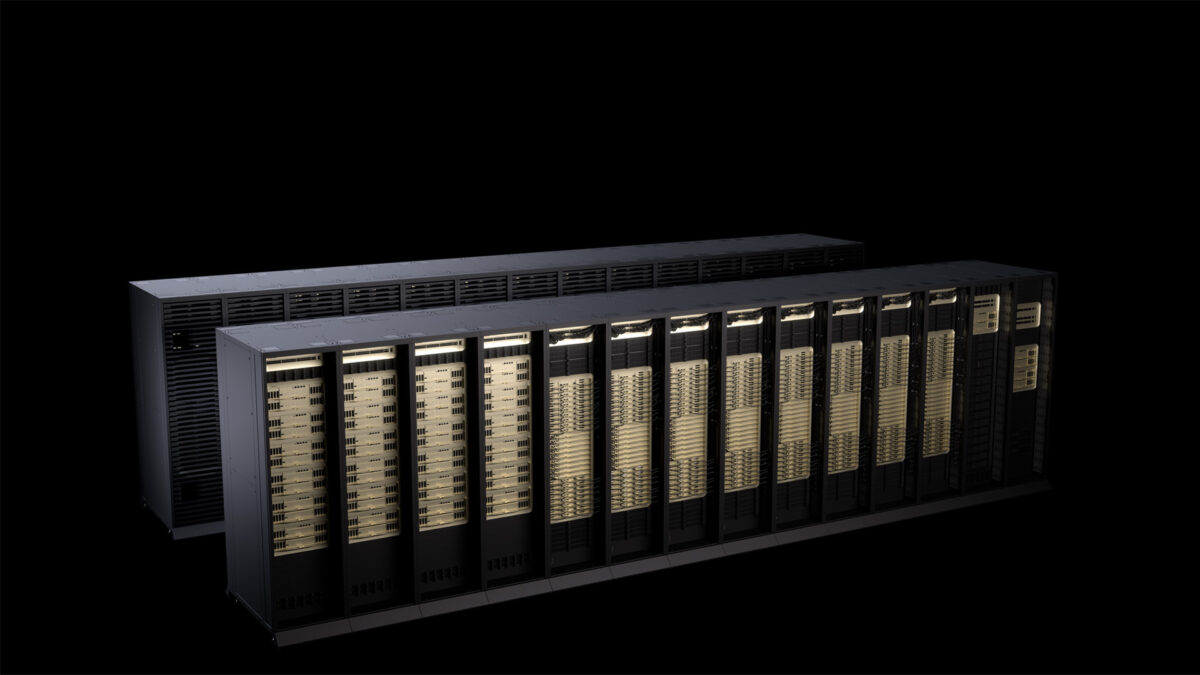
” alt=”Sony A7R VI 80MP leaked camera body front view”/>
Sony A7R VI Specs Breakdown: What We Know So Far
Based on the aggregated leaks as of August 2025, here’s the full rumored spec sheet for the Sony A7R VI:
Sensor and Processor
- Sensor: 80MP full-frame stacked CMOS Exmor (up from 61MP BSI in A7R V)
- Processor: BIONZ XR2, Sony’s next-generation imaging engine
- Dynamic Range: 16+ stops with electronic shutter — a meaningful improvement over the A7R V’s already impressive 15-stop range
Shooting Performance
- Burst Rate: 30fps continuous with 14-bit RAW files
- Pre-Capture: RAW pre-capture mode for critical moments
- AF Tracking: 60fps AE/AF tracking — double the current model
- IBIS: 8.5 stops of in-body image stabilization (up from 8 stops)
Video Capabilities
- 8K: 10.9K oversampled 8K at 30fps from full-width readout
- 4K: 4K at 120fps for smooth slow motion
- APS-C Crop: 7.1K oversampled 4K at 60fps
Body and Design
- Grip: Redesigned deeper grip borrowed from the A1 II — a welcome ergonomic upgrade
- Screen: 50% brighter than the A7R V
- Estimated Price: $3,999 – $4,499
- Expected Announcement: Late 2025, with early 2026 availability
Why 80MP Full-Frame Changes Everything
Let’s put 80 megapixels in context. The Fujifilm GFX 100S II, a medium format camera with a sensor physically 1.7x larger than full-frame, shoots at 102MP. The Hasselblad X2D 100C hits the same 100MP territory. For years, the argument for medium format has been simple: you can’t match that resolution on a smaller sensor.
The Sony A7R VI 80MP narrows that gap to a razor-thin margin. As Digital Camera World noted, this camera “could kill medium format” — and it’s not hyperbole. Consider the practical advantages:
- Speed: 30fps vs. the GFX 100S II’s 7.4fps. That’s not a gap — it’s a canyon.
- Autofocus: Sony’s real-time tracking with AI subject recognition vs. medium format’s historically sluggish AF systems.
- Video: Full 8K at 30fps vs. limited 4K options on most medium format bodies.
- Size and Weight: A full-frame body with a deep grip vs. the bulk of medium format systems.
- Lens Ecosystem: Sony’s massive E-mount lineup vs. relatively limited medium format lens options.
- Price: $3,999-$4,499 vs. $5,500+ for the GFX 100S II or $8,000+ for the X2D 100C.
The only remaining advantage for medium format is the physics of larger photosites — slightly better per-pixel quality at base ISO and that subtle “medium format look” from shallower depth of field at equivalent focal lengths. But for 95% of working photographers, the A7R VI’s combination of speed, resolution, and versatility will be the more practical choice.
Sony A7R VI vs A7R V: What’s Actually New
For current A7R V owners weighing an upgrade, the generational leap looks substantial. The A7R V launched in October 2022 at around $3,899 and remains an exceptional camera. But the rumored A7R VI improvements read like a wish list that Sony actually fulfilled:
- Resolution: 61MP BSI → 80MP stacked (+31%)
- Sensor Architecture: BSI CMOS → Fully stacked CMOS (dramatically faster readout)
- Processor: BIONZ XR → BIONZ XR2
- Burst Rate: 10fps → 30fps (3x improvement)
- Dynamic Range: ~15 stops → 16+ stops
- IBIS: 8 stops → 8.5 stops
- Video: 8K/24p → 8K/30fps oversampled from 10.9K
- Screen: Standard → 50% brighter
- Grip: Standard A7 → Deeper A1 II-style ergonomics
The most significant change is the sensor architecture. Moving from BSI to stacked isn’t just an incremental improvement — it’s a fundamental redesign that affects everything from rolling shutter performance to autofocus speed. The A7R V’s AI-based autofocus was already class-leading; pairing that intelligence with a stacked sensor’s speed could produce the most capable AF system ever put in a high-resolution camera.
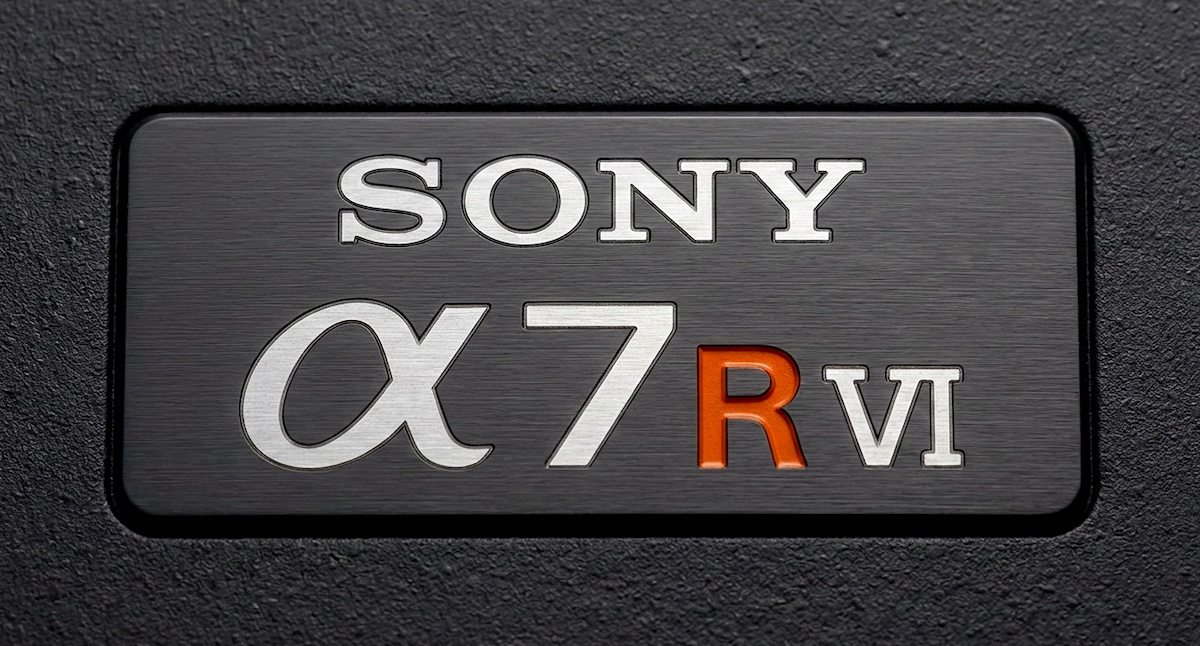
” alt=”Sony A7R VI 80MP specs comparison chart vs A7R V and competitors”/>
The Competitive Landscape in Late 2025
Sony isn’t operating in a vacuum. The full-frame mirrorless market in 2025 is fiercely competitive, and the A7R VI will face serious challengers from every direction:
Canon EOS R5 Mark II (45MP)
Canon’s latest high-resolution hybrid launched with impressive video specs and refined dual-pixel AF. At 45MP, it can’t match the A7R VI’s resolution, but Canon’s color science and RF lens ecosystem give it a loyal following. The R5 II is positioned as a hybrid shooter’s camera rather than a pure resolution champion.
Nikon Z8 (45.7MP)
Nikon’s stacked-sensor powerhouse already proves that stacked architecture delivers real-world benefits at high resolution. The Z8’s 45.7MP sensor with 120fps shooting showed what’s possible. The A7R VI essentially takes this concept and pushes it to 80MP — the question is whether Sony can maintain the same speed advantage at nearly double the resolution.
Fujifilm GFX 100S II (102MP Medium Format)
This is the camera that has the most to lose if the A7R VI delivers on its promises. The GFX 100S II’s selling point has always been accessible medium format resolution. At 102MP on a larger sensor, it still holds the resolution crown — but the A7R VI’s speed, autofocus, and video capabilities could make that 22MP difference irrelevant for most photographers.
Who Should Be Excited — And Who Should Wait
If these leaks prove accurate, the Sony A7R VI 80MP is a game-changer for several photographer profiles:
- Landscape Photographers: 80MP resolution with 16+ stops dynamic range and pixel-shift multi-shot capability (likely 320MP+) is medium format territory without medium format compromises.
- Studio and Commercial Photographers: Extreme resolution for print work combined with 30fps burst for fashion and action shoots — no more choosing between speed and detail.
- Wildlife and Sports: 30fps at 80MP with stacked sensor readout means you can crop aggressively and still have publication-quality files.
- Hybrid Shooters: 8K video at 30fps from an 80MP sensor with 4K/120fps slow motion covers virtually every video need.
That said, there are reasons to temper expectations. Leaked specs rarely tell the full story. Real-world high-ISO performance at 80MP, thermal management during extended 8K recording, buffer depth during 30fps RAW bursts, and the actual price at launch will determine whether this camera lives up to the hype. File sizes will also be enormous — each 14-bit uncompressed RAW could exceed 160MB, demanding serious storage and computing power in post.
Workflow Considerations: Handling 80MP Files in Practice
Before getting swept up in spec-sheet excitement, it’s worth addressing the practical reality of working with 80MP files daily. Each uncompressed 14-bit RAW file from the Sony A7R VI could exceed 160MB — meaning a single 30fps burst lasting just two seconds would generate nearly 10GB of data. That demands serious infrastructure.
Storage requirements jump significantly. A full day of landscape shooting with several hundred frames could easily consume 100GB or more. Wedding and event photographers shooting thousands of images would need to rethink their entire backup and editing pipeline. CFexpress Type A cards, already the standard in Sony’s alpha bodies, will remain essential — but you’ll burn through them faster than ever.
Post-processing is another consideration. Adobe Lightroom and Capture One will handle 80MP files, but older hardware will struggle with the workload. Plan on 32GB of RAM minimum, with 64GB recommended for comfortable batch editing. GPU acceleration becomes critical rather than optional. If Sony’s rumored AI-powered noise reduction (building on the A7R V’s AI AF foundation) is baked into the BIONZ XR2 processor, in-camera processing could offset some of the computational burden — but the raw files themselves will still be massive.
The Bottom Line: August 2025 and the Wait Ahead
We’re likely looking at a late 2025 announcement with early 2026 shipping — which means the final months of this year will be filled with more leaks, more speculation, and more anticipation. What’s clear already is that Sony is preparing something that blurs the line between full-frame and medium format in a way no camera has done before.
The Sony A7R VI 80MP, if it materializes as rumored, won’t just be an upgrade over the A7R V. It will be a statement that full-frame has caught up to medium format in the metrics that matter most to working photographers — resolution, dynamic range, and image quality — while maintaining advantages in speed, autofocus, video, and price that medium format simply cannot match.
Whether you’re a landscape photographer eyeing a GFX system, a studio pro considering an upgrade from the A7R V, or a hybrid creator looking for one camera that does everything, the A7R VI deserves a spot on your radar. The camera industry moves fast — but this one feels like a genuine leap forward.
Get weekly AI, music, and tech trends delivered to your inbox.