Google Pixel 9a AI Features: What 6 Months Revealed About Gemini Nano on a Budget Phone
October 9, 2025
Samsung Galaxy XR Preview: Can This $1,799 Android XR Headset Dethrone Vision Pro?
October 9, 2025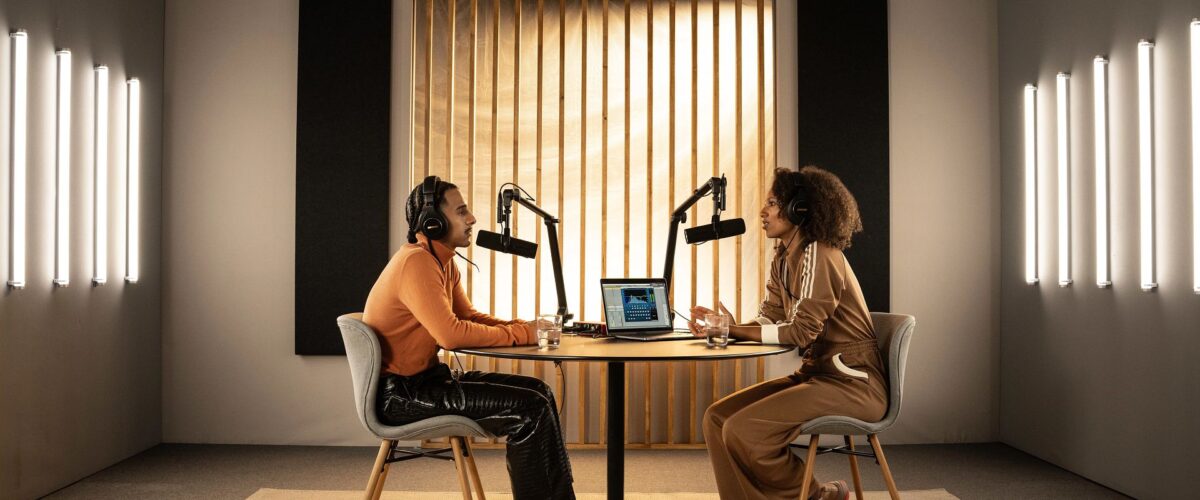
“You’ll need a Cloudlifter with that” — if you’ve ever considered buying a Shure SM7B, you’ve heard this line at least a dozen times. The Shure SM7dB ends that conversation for good. After 28 years of running recording studios, I’ve tracked countless sessions with the SM7B’s signature warmth, but the gain issue always lingered in the background. Not anymore.
Shure SM7dB — Adding a Preamp to the Legend
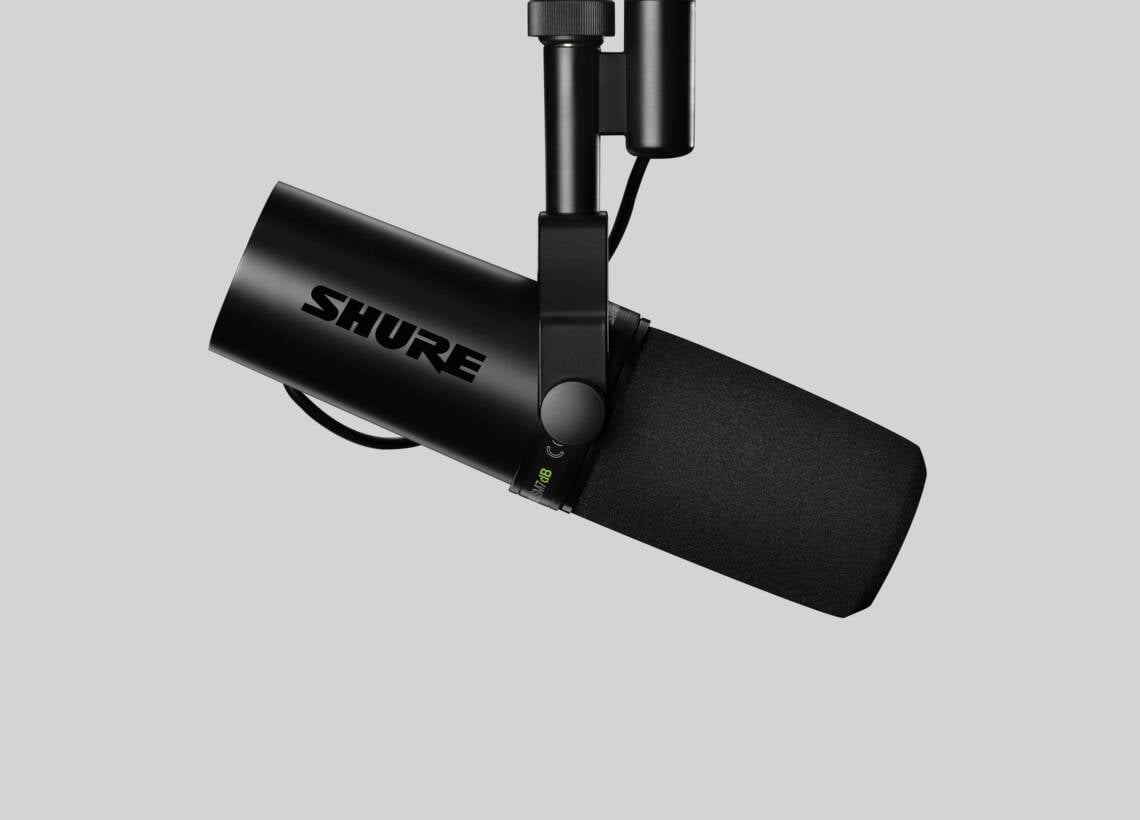
The Shure SM7dB is the active evolution of the industry-standard SM7B dynamic microphone. The headline feature is a built-in preamp offering two selectable gain stages: +18dB and +28dB. A bypass switch reverts the mic to full SM7B behavior — same sensitivity, same tone, same everything. The preamp requires 48V phantom power, which virtually every modern audio interface provides as standard.
The core specs remain familiar: 50Hz to 20kHz frequency response, cardioid polar pattern, 837g weight, and the same proven capsule that made the SM7B an industry icon. At $499, it costs $100 more than the SM7B ($399), but eliminates the need for a separate Cloudlifter CL-1 ($149) or sE Electronics DM1 Dynamite ($99) — making it the more economical choice when you factor in the complete signal chain.
SM7dB vs SM7B: What the Built-In Preamp Actually Changes
According to Sound On Sound’s review, the SM7dB is “indistinguishable from the SM7B” when the preamp is disengaged. This is the critical point — Shure SM7dB didn’t change the sound, it made that sound dramatically easier to capture properly.
The SM7B’s output sensitivity sits at -59 dBV/Pa, requiring most budget interfaces to run their preamp gain near maximum. This pushes the noise floor up and exposes the limitations of affordable preamp circuits. The SM7dB in +28dB mode bumps sensitivity to -31 dBV/Pa — comfortable territory for interfaces like the Focusrite Scarlett series, Universal Audio Volt, or even the Audient EVO 4. Clean levels without breaking a sweat.
- Bypass mode: -59 dBV/Pa sensitivity, 150Ω impedance — identical to SM7B
- +18dB mode: -41 dBV/Pa sensitivity, 27Ω impedance — optimal for mid-range interfaces
- +28dB mode: -31 dBV/Pa sensitivity, 27Ω impedance — works with budget interfaces
The four thumb-accessible switches on the rear are a welcome ergonomic upgrade from the SM7B’s recessed DIP switches. You can toggle the preamp gain, engage the bass roll-off filter, or activate the mid-range presence boost without reaching for a screwdriver or squinting at tiny toggles.
Real-World Performance: Podcasting, Streaming, and Vocal Recording
MusicRadar awarded the SM7dB a perfect 5/5 score, calling it one of the best microphones available for recording speech. Here’s where this mic truly excels in practice.
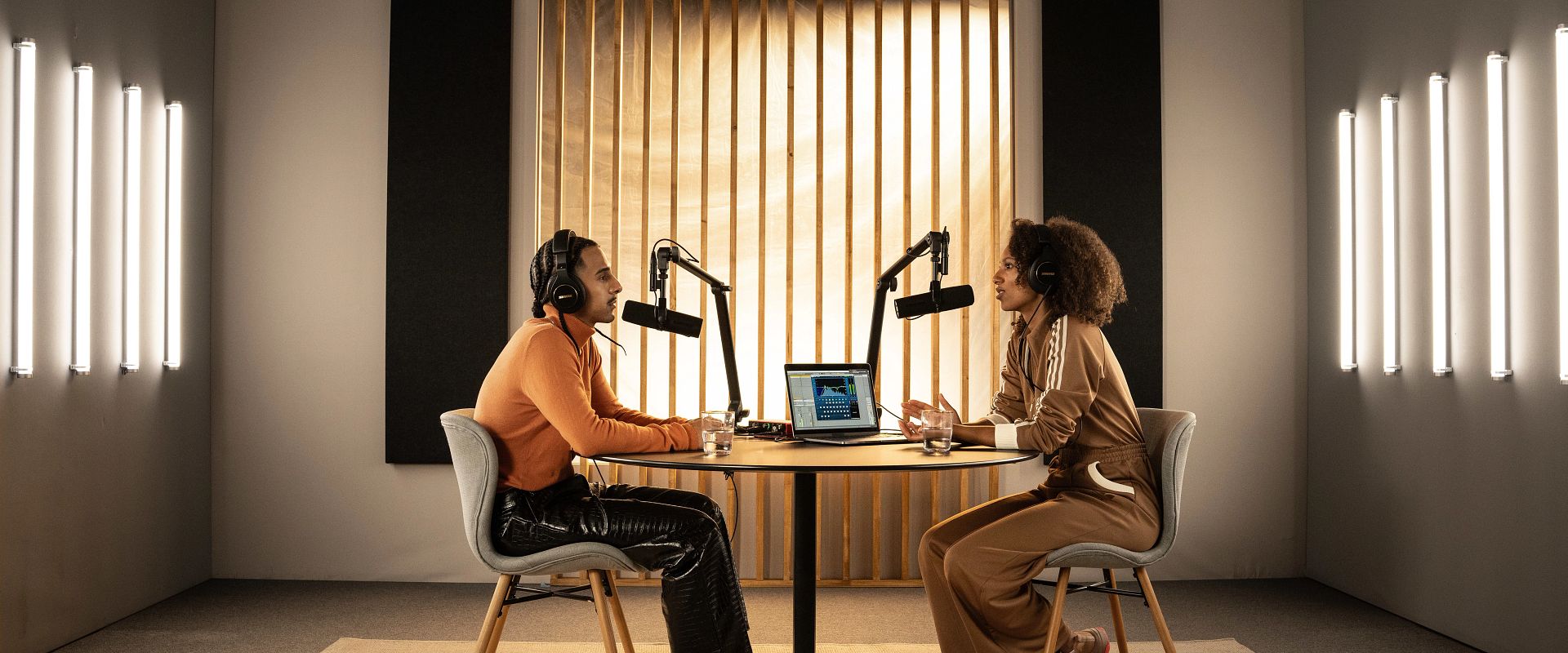
Podcasting: The Shure SM7dB’s tight cardioid pattern effectively rejects off-axis noise — a lifesaver in untreated home studios. The internal air suspension shock isolation and built-in pop filter handle desk vibrations and plosives without requiring additional accessories. For solo podcasters, this means fewer things to buy, set up, and troubleshoot.
Live streaming: Streamers previously needed the SM7B + Cloudlifter + quality interface trifecta. The SM7dB collapses that into microphone + basic interface, immediately delivering broadcast-quality audio. The advanced electromagnetic shielding is particularly valuable near monitors and gaming PCs, suppressing interference that lesser mics would pick up as buzzing or humming.
Vocal recording: Speaking from 28 years behind the console, the SM7 series’ mid-range presence boost has a unique ability to push vocals forward in a mix without sounding harsh. The SM7dB adds clean headroom to this equation, improving the source signal quality before it ever hits a compressor or EQ. For home studio vocalists working with modest equipment, this is a tangible upgrade in recording quality.
Shure SM7dB Switch Layout and EQ in Practice
The SM7dB features four thumb-accessible switches on the rear panel — a significant ergonomic improvement over the SM7B’s recessed DIP switches that required a pen or screwdriver to toggle. You get instant control over preamp on/off, gain level selection (+18dB or +28dB), bass roll-off, and mid-range presence boost, all without removing the mic from its mount.
The bass roll-off filter is particularly useful for managing the proximity effect — that bass buildup that happens when you speak close to the mic. In podcast and broadcast scenarios where close-miking is the norm, engaging this filter tightens the low end and reduces rumble without needing a separate high-pass filter in your DAW. The presence boost lifts the 5-6kHz range to enhance vocal clarity and intelligibility. Combined, these two EQ options let you dial in a broadcast-ready tone right at the source, before any processing.
A practical tip: start with the +18dB setting. Most mid-range interfaces — the Focusrite Scarlett 2i2, PreSonus Studio 24c, Audient iD4, and similar — will deliver clean levels at +18dB while leaving enough headroom on the interface side to handle dynamic peaks and transients. Reserve the +28dB setting for ultra-budget interfaces in the $50-$100 range, or for specialty applications like ASMR recording where you’re capturing extremely quiet sources.
Electromagnetic Shielding and Build Quality
One of the less-discussed reasons the SM7 series dominates broadcast studios and streaming setups is its electromagnetic shielding. The SM7dB maintains the same advanced EMI rejection as the SM7B, effectively blocking interference from computer monitors, gaming PCs, LED lighting rigs, and other electronics that fill modern recording spaces. That high-frequency “whine” that plagues many condenser microphones in desktop setups? Virtually nonexistent with the SM7dB.
Build quality carries over from the SM7B’s bulletproof reputation. The all-metal construction and robust yoke mount are designed for years of daily use. Shure provides a standard warranty, but SM7 series failures are genuinely rare — many broadcasters have run the same unit for over a decade without issues. The package includes a close-talk windscreen and a 3/8-inch thread adapter, so you’re ready to record out of the box without hunting for accessories.
It’s worth noting the weight: at 837g (1.845 lbs), the SM7dB is a substantial microphone. Budget boom arms may struggle to support it properly — investing in a quality arm like the Rode PSA1+ or Elgato Wave Mic Arm LP will save you from dealing with a slowly drooping mic during long recording sessions.
Shure SM7dB Buying Guide: Who Should Upgrade?
At $499, the SM7dB is a serious investment. But the math tells an interesting story.
Choose the SM7dB if: You’re using a budget-to-midrange audio interface. Instead of buying an SM7B ($399) plus a Cloudlifter ($149) for $548 total, the SM7dB at $499 saves you $49 while delivering a cleaner, simpler signal chain. It’s the ideal choice for podcasters, streamers, and solo creators who want professional sound without the gear complexity.
Stick with the SM7B if: You already own high-end preamps from Neve, API, SSL, or similar. The SM7B’s bypass-equivalent performance is already optimized for those signal chains. Additionally, multi-mic setups (band recording, roundtable podcasts) make the $100-per-unit difference add up quickly — the SM7B remains the more practical choice at scale.
Complete Cost Comparison: SM7dB vs SM7B Signal Chains
Let’s break down the real-world cost of getting broadcast-quality audio from each option. The SM7B at $399 needs a gain booster — the most popular choices are the Cloudlifter CL-1 at $149, the sE Electronics DM1 Dynamite at $99, or the Fethead at around $80. That puts your SM7B total signal chain between $479 and $548. The SM7dB at $499 needs nothing extra — just an XLR cable and phantom power from your interface. When you factor in the cleaner signal path (fewer connections, fewer potential failure points, less cable clutter), the SM7dB isn’t just price-competitive, it’s arguably the smarter engineering choice.
There’s also the resale market to consider. The SM7B holds its value remarkably well, typically selling for $300-$340 used. If you’re upgrading from an SM7B to the SM7dB, selling your existing unit brings the effective upgrade cost down to roughly $160-$200 — a reasonable investment for the added convenience and versatility.
The Verdict: SM7dB Is the SM7B’s Most Logical Evolution
The Shure SM7dB isn’t a revolution — it’s an evolution. As Sound On Sound described it, “a totally logical evolution” that directly addresses the SM7B’s only real weakness: its low output sensitivity. Flip the preamp on and it works with any interface. Flip it off and you’ve got the exact same SM7B that’s been the broadcast and recording standard for decades. That flexibility alone justifies the $499 price tag.
The SM7 series’ position in the professional microphone market isn’t going anywhere. What’s changed is that the barrier to accessing that legendary sound has dropped significantly. For anyone building a home studio, starting a podcast, or setting up a streaming rig in 2025, the SM7dB should be at the top of your shortlist. It delivers the same warm, focused, broadcast-ready tone that made the SM7B an industry standard — now without the asterisk about needing extra gear to make it work properly.
Need professional recording, mixing, mastering, or studio equipment consulting? Talk to an expert.
Get weekly AI, music, and tech trends delivered to your inbox.