Galaxy Z Fold7 AI Features: 5 Reasons Samsung Unpacked 2025 Changed the Foldable Game
August 20, 2025
Best Wireless Keyboard and Mouse Combos August 2025: 7 Office Productivity Picks Tested
August 20, 2025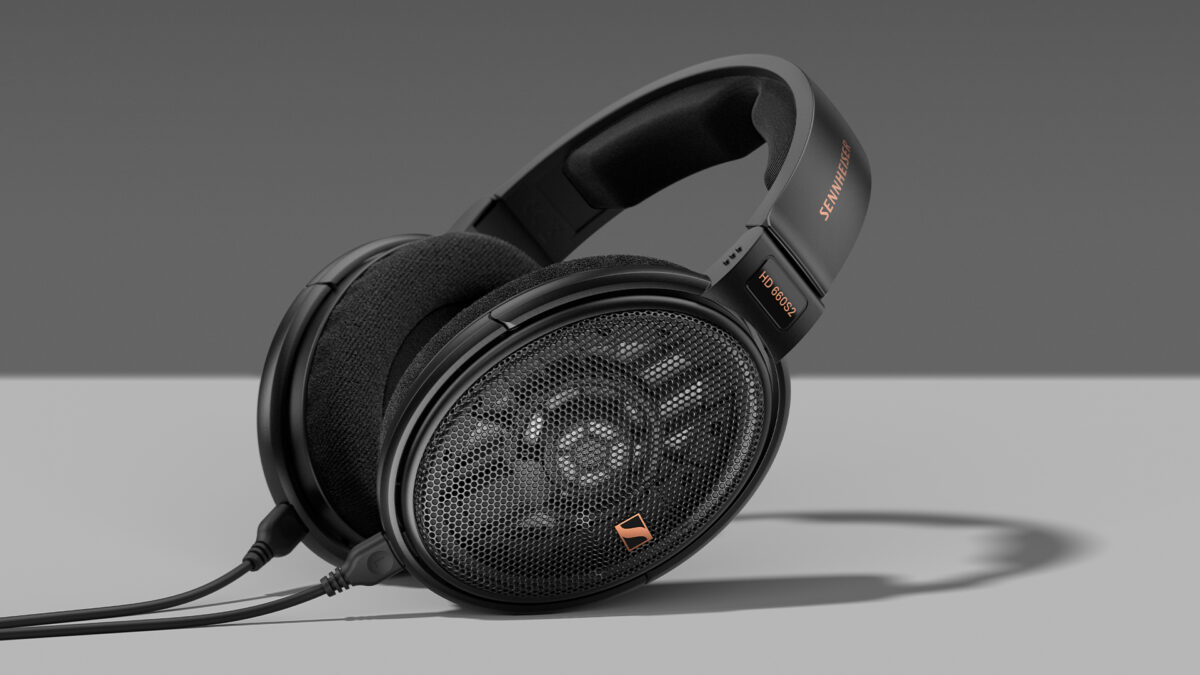
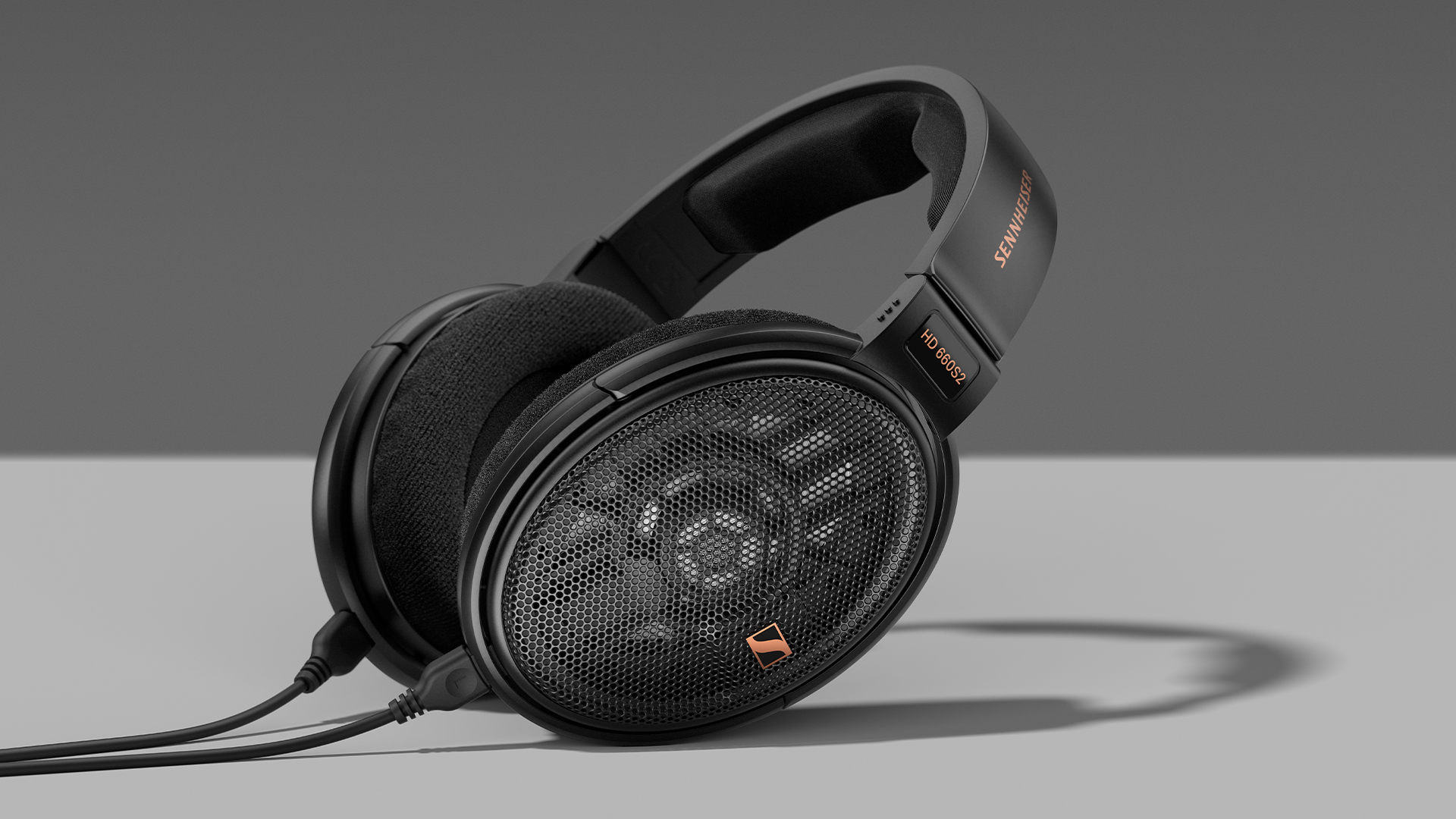
Is there really a $700 difference between a $499 headphone and a $1,199 one? After 28 years of comparing dozens of headphones in professional audio environments, my honest answer is: it depends entirely on what you do with them. In the Sennheiser HD 660S2 vs Audeze LCD-X debate, these two represent two fundamentally different philosophies in open-back headphone design — and each one can be the endgame for a completely different listener.
Sennheiser HD 660S2 vs Audeze LCD-X — The Fundamental Driver Technology Divide
At the heart of this comparison lies a fundamental technological difference. The Sennheiser HD 660S2 uses a 38mm dynamic driver, while the Audeze LCD-X employs a massive 106mm planar magnetic driver. This single difference shapes everything about how these headphones sound, feel, and perform.
Dynamic drivers work on the same principle as traditional speakers — a voice coil moves a diaphragm to produce sound. The HD 660S2 features an ultra-light aluminum voice coil that doubled the sub-bass SPL compared to the original HD 660S, while bumping impedance from 150Ω to 300Ω for improved electrical damping and cleaner impulse response. Planar magnetic drivers take a radically different approach: a thin diaphragm with conductive traces is suspended between arrays of magnets, driven uniformly across its entire surface. The LCD-X’s Uniforce™ diaphragm and Fazor waveguides maximize phase accuracy and transient response in ways dynamic drivers simply cannot replicate.
Sound Signature: Musical Relaxation vs Analytical Precision
Bass Response
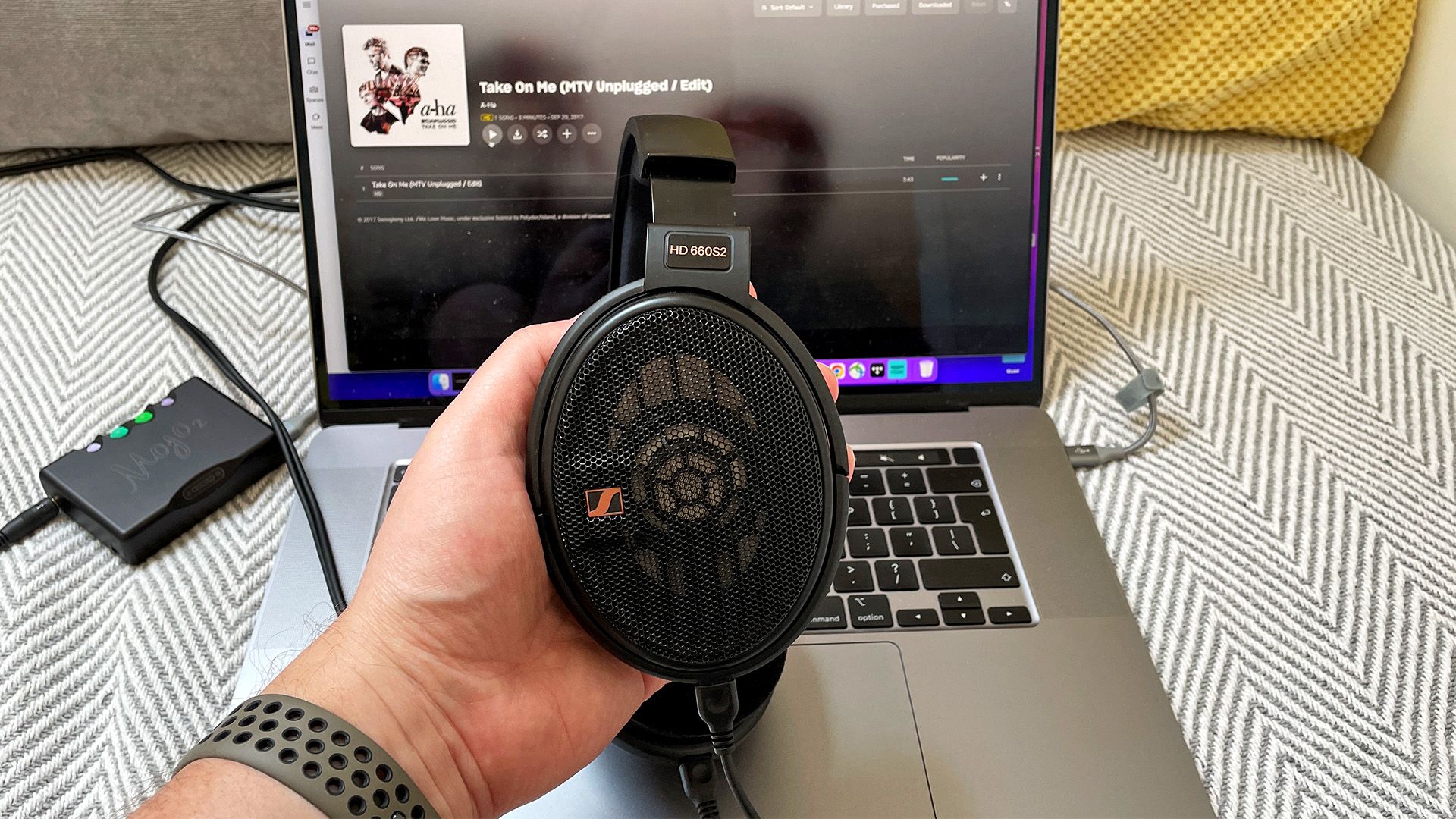
The HD 660S2’s bass is a genuine improvement over its predecessor. Sub-bass extends naturally with warm weight that adds body to the overall sound. But compared to the LCD-X, it’s in a different league. The LCD-X’s planar magnetic driver delivers bass with “punch” and “slam” that you physically feel — the impact of a kick drum, the texture of a bassline become tangible experiences. If you produce EDM or hip-hop, this difference alone could justify the price gap.
Midrange Performance
Both headphones excel in the midrange, but with distinctly different characters. The HD 660S2 is particularly impressive with vocals — What Hi-Fi? noted that these headphones “present music in a wonderfully relaxed manner and take every track in their stride.” They’re a ridiculously easy listen. The LCD-X’s midrange is more analytical and transparent — recording quality differences are laid bare, which makes its honesty a genuine asset for mixing work.
Treble Character
The HD 660S2 delivers smooth, refined treble that never fatigues even during marathon listening sessions. The LCD-X’s treble extends further and responds faster — the snap of a snare hit, the tactility of an acoustic guitar pick stroke are rendered with startling clarity. As Headphones.com’s review highlighted, the LCD-X’s transient response speed is genuinely impressive.
Soundstage and Imaging
The HD 660S2 offers an intimate but well-defined soundstage. Vocals sit close and personal — ideal for small ensembles, jazz trios, and singer-songwriter recordings. The LCD-X presents a wider, more “around your head” experience. Its spacious presentation gives orchestral music and film soundtrack work room to breathe.
Specs Head-to-Head: Sennheiser HD 660S2 vs Audeze LCD-X by the Numbers
Let’s lay out the key specifications side by side:
- Driver: HD 660S2 — 38mm Dynamic / LCD-X — 106mm Planar Magnetic
- Impedance: HD 660S2 — 300Ω / LCD-X — 20Ω
- Sensitivity: HD 660S2 — 104 dB/mW / LCD-X — 103 dB/mW
- Frequency Response: HD 660S2 — 8Hz–41.5kHz / LCD-X — 5Hz–50kHz
- Weight: HD 660S2 — 260g / LCD-X — 612g
- Ear Pads: HD 660S2 — Velour / LCD-X — Lambskin Leather or Microfiber
- Price: HD 660S2 — $499 / LCD-X — $1,199 (Creator Edition)
The impedance gap is particularly noteworthy. The HD 660S2’s 300Ω essentially demands a dedicated headphone amplifier — plugging these into a smartphone or laptop won’t deliver their full dynamic range. The LCD-X’s 20Ω and 103dB/mW sensitivity, on the other hand, means it performs surprisingly well straight out of an audio interface or even a portable DAP.
Comfort: 260g vs 612g — This Gap Matters More Than You Think
The weight difference is 352 grams — nearly the weight of an entire extra headphone sitting on your head. The HD 660S2 at 260g practically disappears during use. The velour ear pads are soft, breathable, and comfortable even in warm environments. The LCD-X at 612g is always noticeable. Audeze reduced the weight in the 2021 revision, but during sessions longer than 2-3 hours, neck and head fatigue becomes a factor. The lambskin leather pads feel premium but trap more heat than velour.
From decades of pro audio work, I can tell you that mixing sessions typically run 4-8 hours minimum. The weight on your head during those hours affects your judgment. Lighter doesn’t always mean better, but the fatigue from heavy headphones is a real and underappreciated factor in long production sessions.
Amplification Requirements: Matching Your System
The HD 660S2’s 300Ω impedance means a dedicated headphone amp is strongly recommended. Entry-level options like the Schiit Magni or iFi Zen Air ($100 range) will drive them adequately, but stepping up to something like the Singxer SA-1 or Topping A90 unlocks their full potential. Budget for the amp when buying these — it’s not truly optional.
The LCD-X’s 20Ω impedance and 103dB/mW sensitivity make it remarkably easy to drive. It sounds genuinely good straight from a Focusrite Scarlett or UA Apollo headphone output. Smartphones can even push adequate volume. A dedicated amp still improves bass control and dynamic range, but it’s more of a nice-to-have than a necessity.
Who Should Buy Which? Use-Case Recommendations
Choose the Sennheiser HD 660S2 if:
- Comfortable, extended listening sessions are your top priority
- Your library centers on vocals, jazz, classical, and acoustic music
- You need a versatile headphone for podcasting, gaming, or casual monitoring
- Your budget caps at $500 for the best open-back dynamic headphone
- You already own a quality headphone amplifier
Choose the Audeze LCD-X if:
- Professional mixing and mastering are your primary use case
- Accurate bass reproduction is non-negotiable (EDM, hip-hop production)
- You work in sound design or film post-production
- You want a reference-grade headphone worth the $1,199 investment
- You need great performance directly from an audio interface
Final Verdict: $499 vs $1,199 — What Value Really Means
The HD 660S2 packs 70 years of Sennheiser acoustic engineering into a $499 package that’s genuinely hard to beat for pure listening enjoyment. The LCD-X delivers planar magnetic precision and studio-grade transparency for $1,199 that pays for itself session after session in professional work.
Both are exceptional in their respective domains. The real question is what matters most to you. And honestly? If your budget allows, owning both is the best answer — the HD 660S2 for listening pleasure and the LCD-X for critical work. That combination is what a 28-year audio professional would call the ultimate headphone setup.
Whether you’re choosing studio headphones or optimizing your monitoring environment, feel free to reach out for professional guidance.
Get weekly AI, music, and tech trends delivered to your inbox.