How to Use Multiband Compression: 5 Mastering Chain Scenarios with Exact Settings
October 17, 2025
Cloudflare AI Gateway: How I Cut LLM API Costs by 90% With One Line of Code
October 20, 2025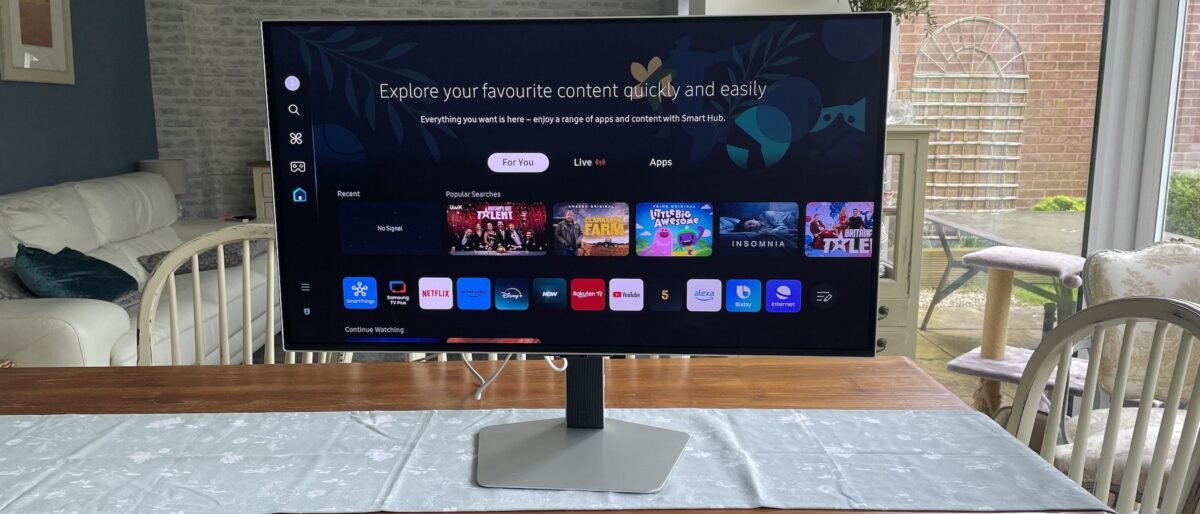
Finally — a 32-inch 4K OLED gaming monitor that doesn’t require a second mortgage. The Samsung Odyssey OLED G8 (G80SD) has dropped to $999 from its original $1,299 launch price, and at this price point, it fundamentally changes the conversation about premium gaming displays. After extensive testing, here’s whether this QD-OLED powerhouse deserves a spot on your desk.
Samsung Odyssey OLED G8 Specs: What $999 Gets You
The Samsung Odyssey OLED G8 packs Samsung Display’s latest QD-OLED panel into a flat 32-inch chassis with a resolution of 3840 x 2160 and a 240Hz refresh rate. That combination alone puts it in rarefied territory — most 4K OLED monitors top out at 120Hz or 144Hz, making the G8’s 240Hz capability a genuine differentiator for competitive gamers who refuse to compromise on resolution.
Here’s the full spec sheet that matters:
- Panel: QD-OLED (Samsung Display), flat
- Resolution: 3840 x 2160 (4K UHD) — 138 PPI
- Refresh Rate: 240Hz
- Response Time: 0.03ms GtG
- HDR: HDR True Black 400
- Color Gamut: 99% DCI-P3, 100% sRGB
- Adaptive Sync: AMD FreeSync Premium Pro, G-Sync Compatible
- Ports: HDMI 2.1 x2, DisplayPort 1.4 x1, USB-C, USB hub
- Smart Features: Samsung Gaming Hub, Smart TV apps, remote control
- Design: Silver metal, heat-pipe cooling system
Display Quality: Where QD-OLED Shines (Literally)
Let’s cut straight to what everyone wants to know: the Samsung Odyssey OLED G8’s picture quality is exceptional. Tom’s Hardware awarded it 4.5 out of 5 stars, noting “stunning image with saturated color and tremendous contrast” — and that assessment holds up in real-world use.
The QD-OLED panel delivers per-pixel dimming with true blacks that IPS and VA panels simply cannot match. Samsung’s implementation covers 99% of the DCI-P3 color space and 100% of sRGB, which means colors pop without oversaturation. Perhaps most impressive is that Tom’s Hardware found the display requires zero calibration out of the box — accurate color in both SDR and HDR modes right from first boot.
Samsung opted for a matte anti-glare coating rather than the glossy finish found on competitors like the LG UltraGear OLED lineup. This is a deliberate trade-off: you lose some vibrancy compared to a glossy panel, but gain significantly better performance in rooms with ambient lighting. For a monitor that’ll likely sit on a desk near windows, this is arguably the smarter choice.
Gaming Performance: 0.03ms Response Time Isn’t Just Marketing
The Samsung Odyssey OLED G8 delivered near-flawless motion clarity in testing. That 0.03ms GtG response time translates to virtually zero ghosting — fast-paced shooters like Valorant and CS2 look razor-sharp even during rapid camera movements. Combined with the 240Hz refresh rate, this is the kind of motion performance that competitive players have been waiting for in a 4K package.
TechRadar gave the monitor a perfect 5/5 score, specifically praising its “stunning gaming performance up to 240Hz” and “class-leading screen protection features.” The adaptive sync support covers both AMD FreeSync Premium Pro and NVIDIA G-Sync Compatible, ensuring tear-free gameplay regardless of your GPU brand.
Input lag at 240Hz measured impressively low across multiple testing outlets. Whether you’re playing single-player RPGs at native 4K or dropping resolution for competitive titles, the G8 handles every scenario with aplomb. The flat panel design — Samsung’s departure from the curved Odyssey lineup — also makes it more versatile for mixed-use setups where productivity matters alongside gaming.
The Smart TV Problem: Samsung’s Biggest Misstep
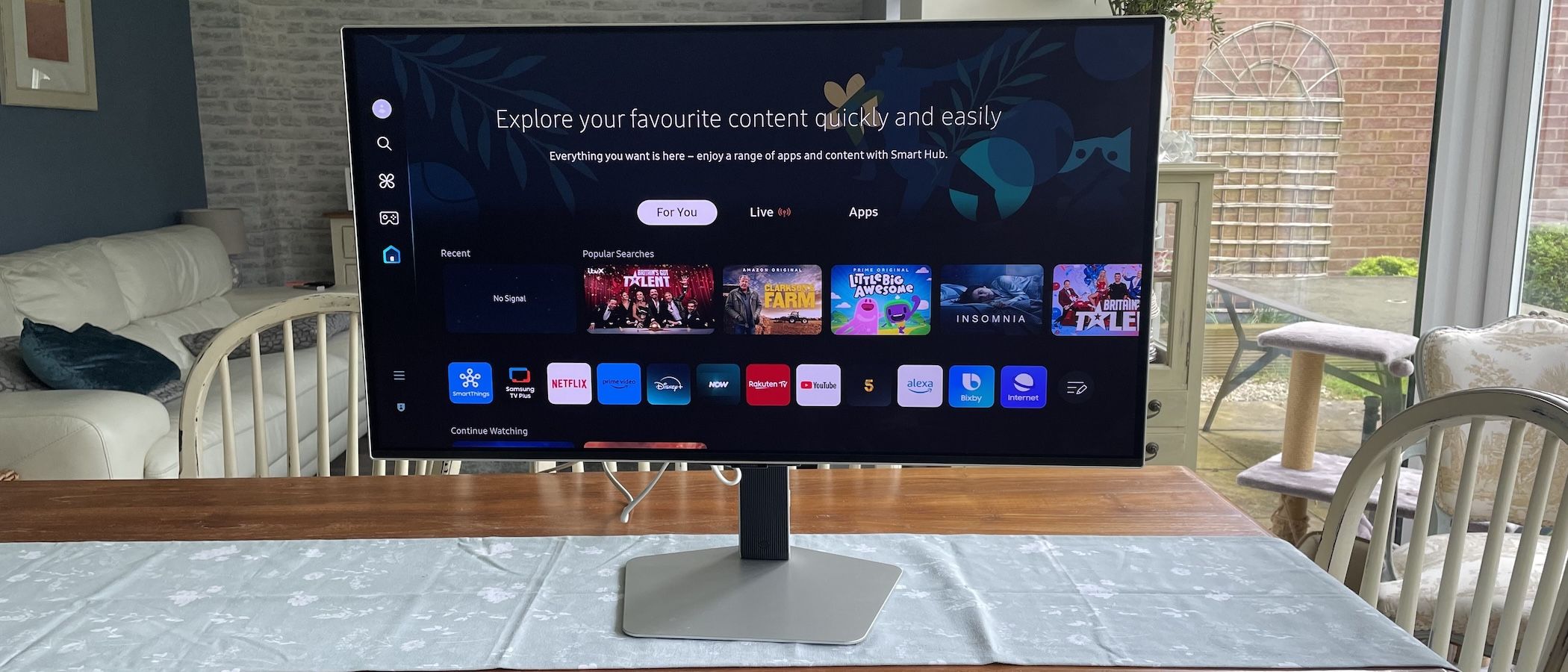
Here’s where the Samsung Odyssey OLED G8 stumbles, and it’s a significant caveat. Samsung packed full Smart TV functionality into this monitor — Samsung Gaming Hub, streaming apps, a remote control, the whole nine yards. On paper, that sounds great. In practice, it creates real frustration.
PC Gamer scored the monitor just 60/100, with the headline “So frustrating, it’ll make you cry” — and their primary complaint was the SmartTV implementation. The complex UI means navigating settings takes more taps than necessary, the boot-up sequence includes smart TV elements you can’t skip, and the OSD (on-screen display) feels designed for a TV remote rather than quick monitor adjustments.
It’s worth noting that Samsung addressed this criticism with the 2025 refresh (G81SF), which strips out the smart TV features entirely. But the G80SD at $999 is the version most buyers will encounter at this price point, and the smart TV baggage is something you’ll need to accept.
HDR Performance: True Black 400 Explained
The Samsung Odyssey OLED G8 carries an HDR True Black 400 certification rather than the more common VESA DisplayHDR tiers. This specification means the panel can hit around 400 nits of peak brightness in small highlights while maintaining the infinite contrast ratio that OLED is known for.
Is 400 nits enough for HDR? It depends on your expectations. If you’re coming from a high-brightness mini-LED monitor that peaks at 1,000+ nits, the G8’s specular highlights won’t hit as hard. But the advantage of OLED is that it produces true blacks — and the contrast between those deep blacks and the bright highlights creates a perceived HDR impact that often exceeds what brightness numbers alone suggest.
Games like Cyberpunk 2077 and Resident Evil 4 Remake showcase this beautifully. Dark scenes have genuine depth, neon lights feel electric, and the overall HDR presentation is more nuanced than what you’d get from a brighter but less contrasty display. The missing piece is Dolby Vision support — a notable omission that TechRadar flagged — which means you’re limited to HDR10 for media content.
Design and Build: Premium Metal, Smart Cooling
Samsung went all-in on premium materials. The silver metal stand and chassis give the Odyssey OLED G8 a distinctly high-end look that separates it from the plasticky builds common in this category. The flat panel design keeps the profile slim, and the overall footprint is manageable for standard desk setups.
The heat-pipe cooling system deserves special mention. OLED burn-in remains a concern for static desktop elements like taskbars and browser UI, and Samsung’s active cooling approach helps mitigate this by reducing panel temperature during sustained use. Combined with pixel-shift and logo-detection algorithms, Samsung’s burn-in prevention is among the most comprehensive in the OLED monitor market. TechRadar specifically praised these as “class-leading screen protection features.”
One hardware quirk worth noting: the monitor uses a mini HDMI port, and Samsung doesn’t include a cable in the box. It’s a minor annoyance on a $999+ product, but you’ll want to budget for a quality mini-HDMI to HDMI 2.1 cable if you don’t already have one.
Samsung Odyssey OLED G8 vs. Competitors: Where It Stands
At $999, the Samsung Odyssey OLED G8 competes directly with the LG UltraGear 32GS95UE and the ASUS ROG Swift PG32UCDM. Here’s how they stack up:
- LG UltraGear 32GS95UE: Uses LG’s WOLED panel with a glossy finish — brighter in HDR but more reflective. Supports Dolby Vision. Similar 4K/240Hz specs. Often priced around $1,100-$1,200.
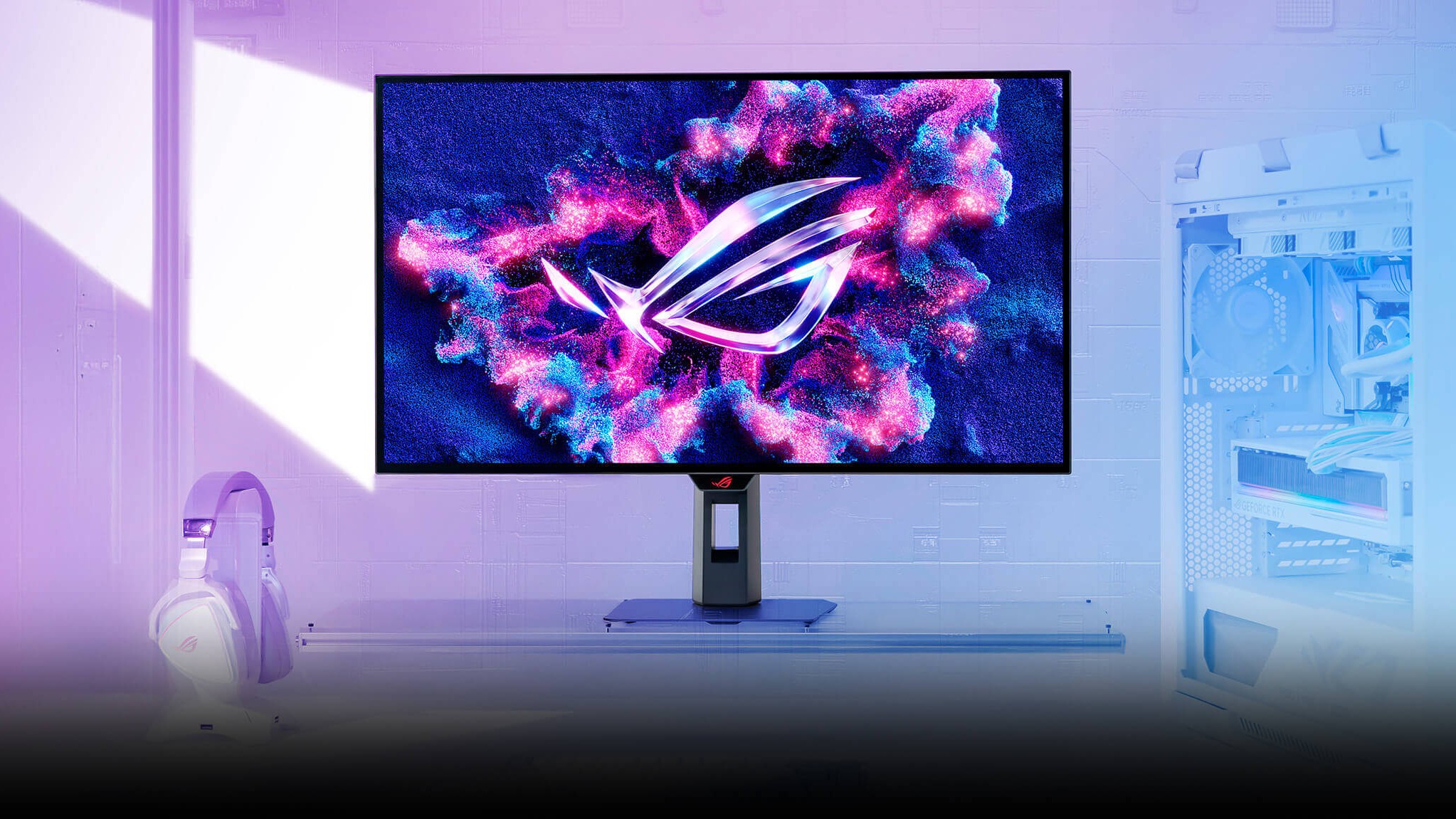
- ASUS ROG Swift PG32UCDM: Another QD-OLED contender with a focus on gaming-first design. No smart TV baggage. Comparable pricing when on sale.
- Samsung G80SD (this model): Matte anti-glare, smart TV features, heat-pipe cooling, $999 sale price. Best value if you can tolerate the smart TV UI.
The Samsung Odyssey OLED G8’s biggest advantage at $999 is pure value — you’re getting QD-OLED picture quality, 4K 240Hz, and a premium metal build at a price that undercuts most direct competitors by $100-$200.
Verdict: A Stunning Monitor With One Big Asterisk
The Samsung Odyssey OLED G8 32-inch is a genuinely excellent display wrapped in a frustrating user experience. The QD-OLED panel delivers class-leading color accuracy, the 240Hz refresh rate with 0.03ms response time makes it one of the fastest 4K monitors available, and the $999 price point makes premium OLED gaming accessible to a much wider audience.
The smart TV features are the elephant in the room. If you can overlook the clunky UI and occasional boot-up annoyances, you’re getting phenomenal display hardware at a price that would have been unthinkable even a year ago. If a clean, gaming-focused OSD is non-negotiable, consider waiting for the G81SF refresh or looking at the ASUS alternative.
For most gamers shopping in the $1,000 range, the Samsung Odyssey OLED G8 represents the best value in 4K OLED gaming right now. The display quality alone justifies the price — everything else is just a bonus you’ll learn to work around.
Get weekly AI, music, and tech trends delivered to your inbox.