Waves V15 Dropped VST2: How Plugin Alliance Compatibility Changes Affect Your Sessions
June 6, 2025
Claude Projects Guide: How 200K-Token Knowledge Bases Are Replacing Enterprise AI Onboarding
June 9, 2025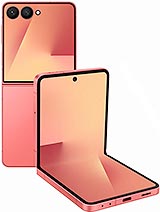
Finally — Samsung cracked the code on what a compact foldable should actually feel like in 2025. The Samsung Galaxy Z Flip7, unveiled at Galaxy Unpacked on July 9 in Brooklyn, is not just another iterative update. At 6.5mm unfolded and 188 grams, it is the thinnest and lightest Z Flip Samsung has ever built, and the edge-to-edge FlexWindow changes everything about how you interact with a closed phone.
Samsung Galaxy Z Flip7 Design: Thinner, Lighter, Bolder
Samsung has been refining the flip form factor since the original Z Flip launched in 2020, but the Galaxy Z Flip7 represents the most significant design leap in years. The unfolded thickness drops to just 6.5mm — down from 6.9mm on the Z Flip6 — while the folded profile shrinks to 13.7mm compared to the previous 14.9mm. These may sound like incremental numbers on paper, but in hand the difference is immediately noticeable. The device slips into a front pocket without the telltale bulge that earlier foldables were known for.
Weight comes in at 188 grams, which puts it in the same neighborhood as many conventional slab phones. Samsung offers three color options at launch: Jetblack for the minimalist crowd, Blue Shadow for a more distinctive look, and Coralred for anyone who wants their phone to stand out in a sea of dark rectangles.
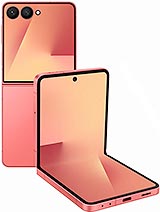
” alt=”Samsung Galaxy Z Flip7 in Blue Shadow color showing edge-to-edge FlexWindow cover display”/>
The Edge-to-Edge FlexWindow Changes the Game
If there is one feature that defines the Samsung Galaxy Z Flip7 upgrade, it is the completely redesigned FlexWindow. The cover display grows from 3.4 inches on the Z Flip6 to a generous 4.1 inches, and Samsung achieved this by pushing the bezels down to an ultra-thin 1.25mm. The result is an edge-to-edge cover screen that transforms what you can accomplish without ever flipping the phone open.
This is not just about reading notifications anymore. The expanded FlexWindow supports full widget interactions, message replies with a proper keyboard, and even camera controls that turn the cover screen into a viewfinder for FlexCam selfies. Samsung has essentially turned the outside of the phone into a capable mini-smartphone experience, which directly addresses the biggest complaint about previous flip phones: having to open them for almost everything.
The Super AMOLED panel on the cover screen delivers vibrant colors with excellent outdoor visibility. Combined with the 2600-nit peak brightness on the main display, the Z Flip7 is one of the brightest foldables you can buy. Whether you are checking quick messages at a sunny outdoor cafe or reviewing photos in a dim studio, visibility is never an issue.
Display and Performance: 6.9 Inches of Dynamic AMOLED 2X
Open the Z Flip7 and you are greeted by a 6.9-inch Dynamic AMOLED 2X main display — slightly larger than the Z Flip6’s 6.7-inch panel. The 2600-nit peak brightness makes this the brightest display Samsung has put in a Flip device, and the 120Hz adaptive refresh rate ensures smooth scrolling whether you are browsing social media or playing games.
Under the hood, Samsung made a notable shift by moving from Qualcomm’s Snapdragon 8 Gen 3 (used in the Z Flip6) to its own Exynos 2500 processor built on a 3nm process. Paired with 12GB of RAM, the chip handles multitasking, AI workloads, and everyday tasks without breaking a sweat. The move to Exynos is a strategic one — Samsung has been investing heavily in its semiconductor division, and the Z Flip7 serves as a showcase for what the company can achieve with in-house silicon.
Storage options include 256GB at the $1,099.99 starting price and 512GB at $1,219.99. There is no microSD slot, which has been standard for Samsung flagships for years now. Battery capacity jumps to 4,300mAh — up from 4,000mAh on the Z Flip6 — with Samsung claiming up to 31 hours of video playback on a single charge. Charging speeds remain at 25W wired and 15W wireless, which is adequate but not class-leading in a market where some competitors push 65W or higher.
Samsung Galaxy Z Flip7 AI Camera: FlexCam, Auto Zoom, and Gemini Live
The camera hardware remains similar to the Z Flip6 on paper — a 50MP wide lens paired with a 12MP ultrawide on the back, plus a 10MP front-facing camera. But the real story is the AI software layer Samsung has built on top.
FlexCam is the standout feature. By placing the Z Flip7 in Flex Mode (folded at a 90-degree angle on any flat surface), you get a hands-free camera setup that uses AI to detect subjects and frame shots automatically. The new Auto Zoom feature takes this further by intelligently adjusting the crop and zoom level based on the number of people in frame and their distance from the camera. It is like having an invisible photographer who knows the rules of composition.
Samsung’s ProVisual Engine brings improved Nightography for low-light shots, and Gemini Live integration adds a genuinely novel twist: you can share your camera feed with Google’s AI assistant in real time and ask questions about what the camera sees. Imagine pointing your Z Flip7 at a restaurant menu in a foreign language and getting instant translations, or asking Gemini to identify a plant species during a hike. This is where Galaxy AI moves from gimmick to genuinely useful.
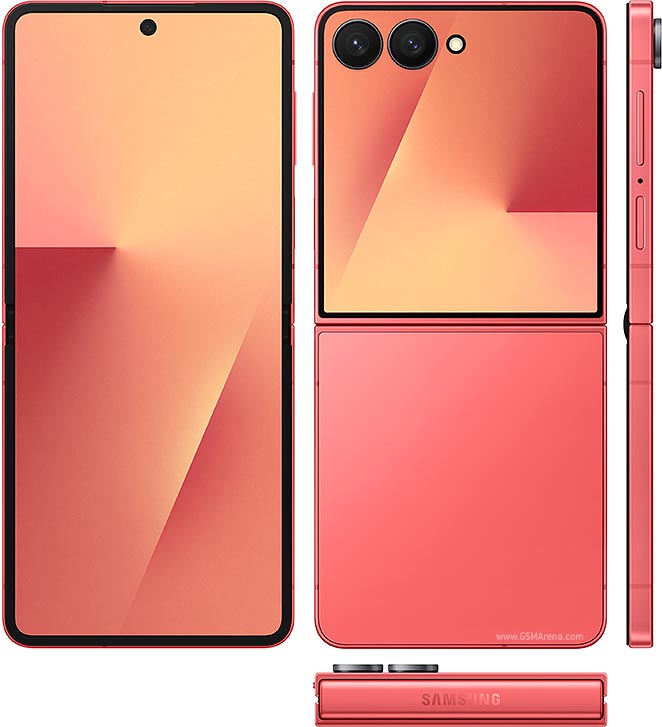
” alt=”Samsung Galaxy Z Flip7 FlexCam in Flex Mode showing AI camera features”/>
Galaxy AI Integration: More Than a Marketing Buzzword
Samsung has been pushing Galaxy AI since the S24 series, and on the Z Flip7 it feels more mature and purposeful. Beyond the camera features already mentioned, Galaxy AI powers real-time translation during calls, AI-generated summaries of long articles and emails, and intelligent photo editing tools that can remove objects, adjust lighting, and even change the background of portraits.
The FlexWindow becomes an AI command center of sorts. You can interact with Gemini Live directly from the cover screen without opening the phone, ask questions, set reminders, and control smart home devices through natural language. For a phone designed to stay closed as much as possible, this deep AI integration on the cover screen is a logical and welcome evolution.
One UI 7.1, running on top of Android 15, ties everything together with a cleaner interface and improved app continuity between the cover screen and main display. Samsung promises seven years of OS updates and security patches, matching its commitment from recent flagships and giving the $1,099 investment a longer useful lifespan than most Android phones offer.
Galaxy Z Flip7 vs Z Flip6: What Actually Changed?
For Z Flip6 owners considering an upgrade, here is the honest breakdown of what is genuinely different:
- Cover screen: 3.4 inches → 4.1 inches with edge-to-edge design (biggest upgrade)
- Thickness: 6.9mm → 6.5mm unfolded, 14.9mm → 13.7mm folded
- Battery: 4,000mAh → 4,300mAh (up to 31 hours video playback)
- Processor: Snapdragon 8 Gen 3 → Exynos 2500 (3nm)
- Main display brightness: Brighter at 2600 nits peak
- Main display size: 6.7 inches → 6.9 inches
- Camera hardware: Same 50MP + 12MP setup, but AI features upgraded
- Charging: Same 25W wired / 15W wireless
- Price: Same $1,099.99 starting (256GB)
The cover screen expansion alone justifies the upgrade for many users. If you found the Z Flip6’s 3.4-inch cover display too limiting for anything beyond glancing at notifications, the Z Flip7’s 4.1-inch edge-to-edge FlexWindow genuinely changes the daily experience. The slimmer profile and larger battery are welcome additions, though the processor swap from Snapdragon to Exynos will be watched closely by benchmark enthusiasts. As noted by PhoneArena’s detailed comparison, the real-world performance difference between the two chips should be negligible for most users.
Durability and Practical Considerations
The Z Flip7 carries an IP48 rating for dust and water resistance. While this is an improvement over earlier foldables that had no IP rating at all, it falls short of the IP68 rating found on Samsung’s own Galaxy S series slab phones. The “4” in IP48 means protection against objects larger than 1mm, which does not cover fine dust or sand — something to keep in mind if you plan to use this phone at the beach.
Samsung has improved the hinge mechanism for smoother folding and better crease management, though the display crease is still visible under certain lighting angles. This remains the inherent trade-off of foldable technology in 2025, and it is worth noting that no manufacturer has completely eliminated the crease yet.
Who Should Buy the Samsung Galaxy Z Flip7?
The Galaxy Z Flip7 makes the most sense for three groups: people who want a compact phone that fits easily in small pockets or bags, content creators who appreciate the FlexCam hands-free photography setup, and anyone who is simply tired of the monotonous slab phone design that has dominated the market for over a decade. At $1,099.99, it sits in flagship territory alongside the iPhone 16 Pro and Galaxy S25+, so this is not a budget-friendly experiment — it is Samsung’s statement that foldables are ready to be mainstream daily drivers.
If you are coming from a Z Flip5 or earlier, the upgrade is substantial across every dimension. Z Flip6 owners have a tougher call — the edge-to-edge FlexWindow is compelling, but the camera hardware and charging speeds remain unchanged. For first-time foldable buyers, the Z Flip7 is the most polished and practical compact foldable Samsung has made, and possibly the most complete flip phone from any manufacturer right now.
Samsung’s foldable lineup continues to push the form factor forward in meaningful ways. The Galaxy Z Flip7 proves that a compact foldable can deliver flagship performance, AI-powered camera intelligence, and a genuinely useful cover screen experience — all wrapped in the slimmest design yet. With general availability starting July 25, 2025, this is one launch worth paying attention to whether you are in the market for a new phone or simply curious about where mobile technology is heading next.
Get weekly AI, music, and tech trends delivered to your inbox.