Roland Cloud August 2025: GALAXIAS 1.7 MultiVerb V2, Jupiter-8 Legendary v2, and ZENOLOGY Bundle
August 15, 2025
Hot Chips 2025: AMD Instinct MI350 Packs 185 Billion Transistors to Challenge NVIDIA’s AI Throne
August 18, 2025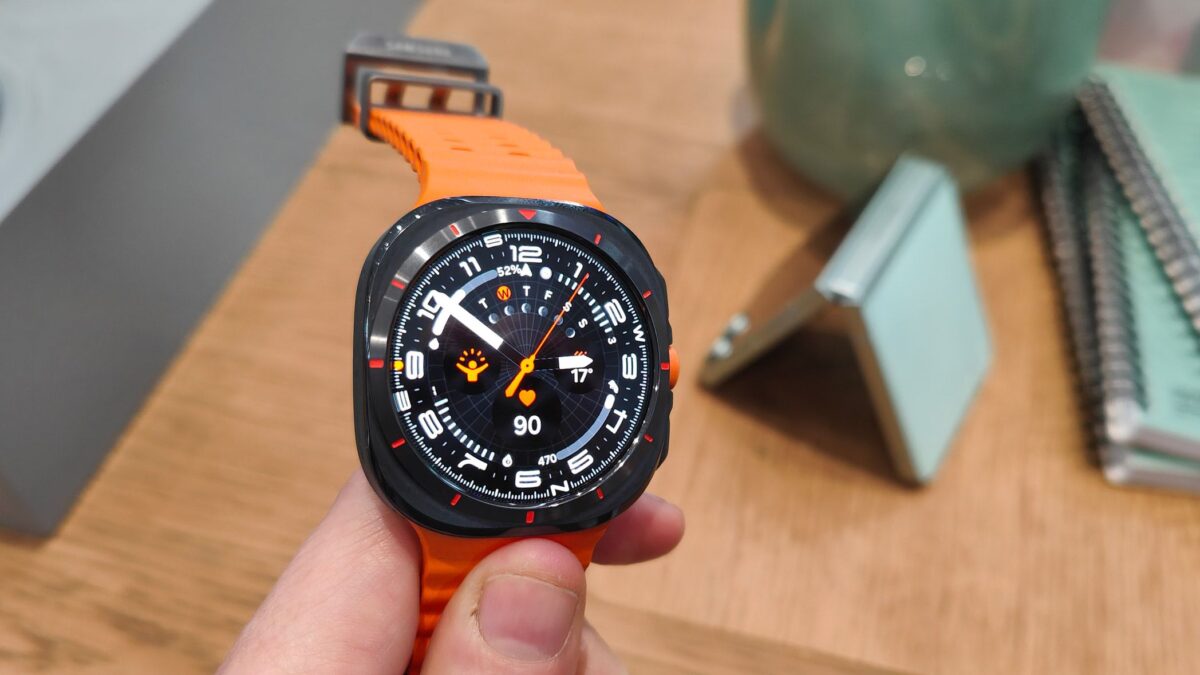
After years of watching Apple dominate the premium smartwatch space, Samsung just dropped a titanium gauntlet that changes the entire conversation. The Samsung Galaxy Watch Ultra is not just Samsung’s best watch — it might be the first Android smartwatch that genuinely makes Apple Watch Ultra owners think twice.
Samsung Galaxy Watch Ultra: Design That Demands Attention
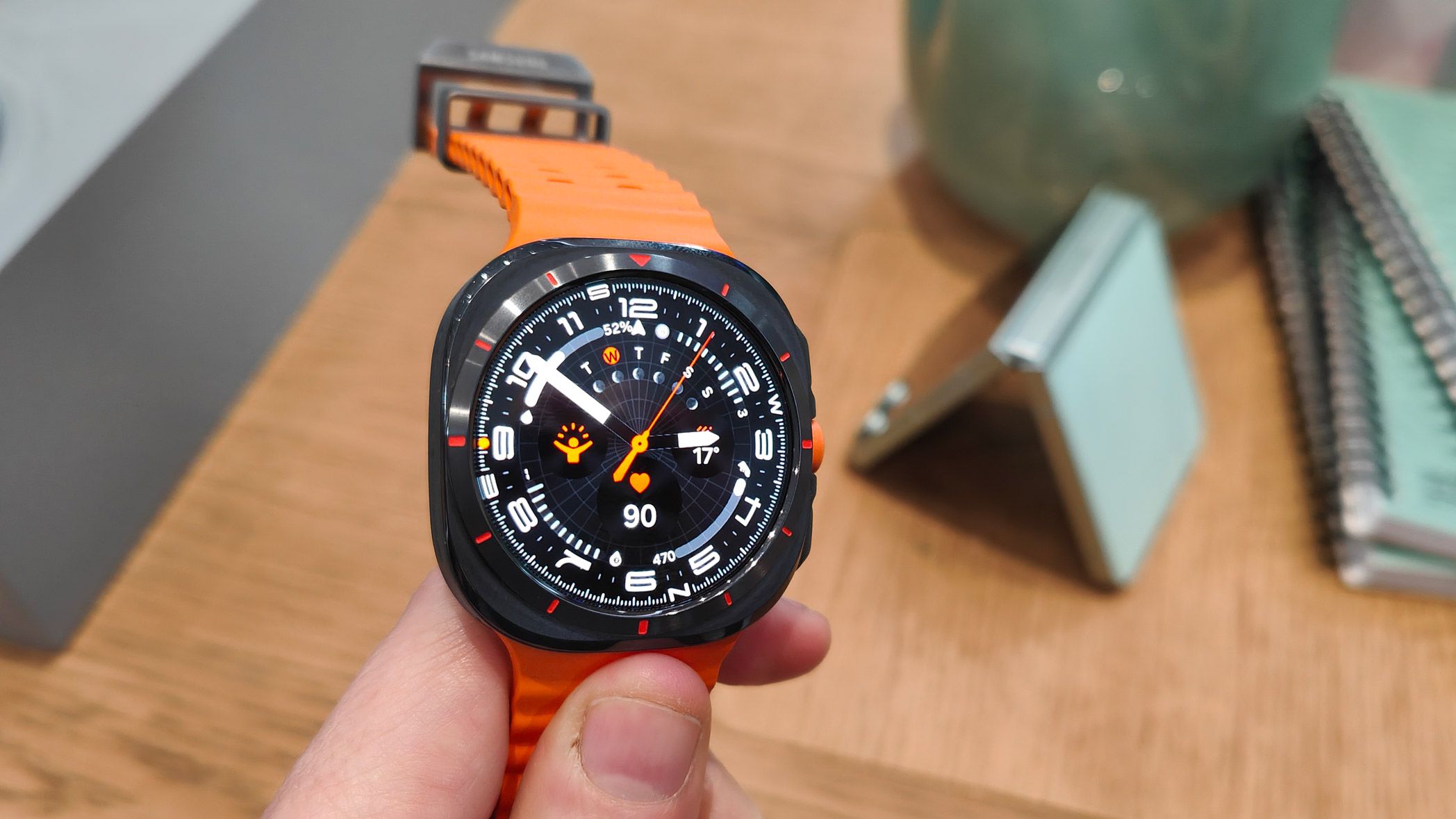
Let’s get this out of the way: the Galaxy Watch Ultra is big. At 47mm with a titanium case, it sits thick and proud on your wrist. The bright orange Marine strap practically screams “look at me,” which earned me plenty of comments during testing — not all of them positive. But that’s the point. This isn’t a watch for blending in.
The Grade 4 titanium construction gives the Samsung Galaxy Watch Ultra a premium heft that plastic-backed competitors simply can’t match. Samsung went all-in on durability here: IP68 water resistance, 10ATM dive rating (good to 100 meters), and MIL-STD-810H military-grade certification for extreme temperatures. You could take this thing from a desert hike to a deep-water dive without breaking a sweat — though you’ll definitely break one during.
Three physical buttons line the right side, including a programmable Quick Button that’s genuinely useful for launching workouts or toggling features mid-activity. My one complaint? Samsung should have included a rotating crown. The digital bezel works, but a physical crown would have elevated the navigation experience from good to great.
Exynos W1000: The 3nm Chip That Changes Everything
Under the sapphire crystal display sits Samsung’s Exynos W1000 — the first 3nm processor ever put in a smartwatch. The performance leap is immediately noticeable. Apps launch faster, transitions are smoother, and the entire Wear OS experience feels like it’s running on a different operating system compared to last year’s Galaxy Watch 6.
Samsung claims a 3x CPU speed improvement, and in daily use, that number feels about right. The 2GB of RAM and 32GB of storage (64GB on the 2025 refresh) mean you can load up Spotify playlists, install a dozen apps, and still have room to breathe. The 1.5-inch Super AMOLED display hits 3,000 nits peak brightness — enough to read your heart rate data in direct sunlight without squinting.
Galaxy AI on Your Wrist: More Than a Gimmick
The Galaxy Watch Ultra is among the first Samsung wearables to feature Galaxy AI, and the implementation is surprisingly practical. The standout feature is Suggested Replies — the AI analyzes your conversation history and generates contextual message responses. Instead of pecking out replies on a tiny keyboard, you get smart suggestions that actually sound like you.
The Double Pinch Gesture lets you control the watch and connected Samsung phones with wrist gestures. Answer calls, snap photos, dismiss alarms — all without touching the screen. It felt gimmicky for the first day, then became genuinely indispensable during workouts when my hands were occupied.
Adaptive EQ and ANC integration adjusts connected Galaxy Buds audio in real-time based on your environment and ear fit. The watch essentially becomes the brain for your entire Samsung wearable ecosystem, coordinating between devices through Galaxy AI’s multi-step voice commands.
Health Tracking: FDA-Approved Sleep Apnea Detection Is the Real Story
Samsung packed every health sensor imaginable into the Galaxy Watch Ultra, but one feature stands above the rest: FDA-authorized sleep apnea detection. This makes it the first smartwatch to receive this certification, and it’s not just a marketing bullet point — it’s potentially life-saving technology on your wrist.
The second-generation BioActive Sensor uses three times more LEDs than the previous generation, dramatically improving accuracy for heart rate monitoring, blood oxygen tracking, and body composition analysis. During my testing period, the heart rate readings consistently matched my chest strap monitor within 1-2 BPM — a noticeable improvement over Samsung’s previous wearables.
The complete health feature list is impressive: ECG monitoring, blood pressure measurement (Samsung phone required), irregular heart rhythm notification, AGEs Index tracking for metabolic health insights, and comprehensive sleep coaching with pattern analysis. The 2025 refresh added Vascular Load monitoring and an Antioxidant Index feature that uses sensor data to estimate antioxidant levels in your skin.
Dual-Band GPS and Fitness: Garmin-Level Accuracy
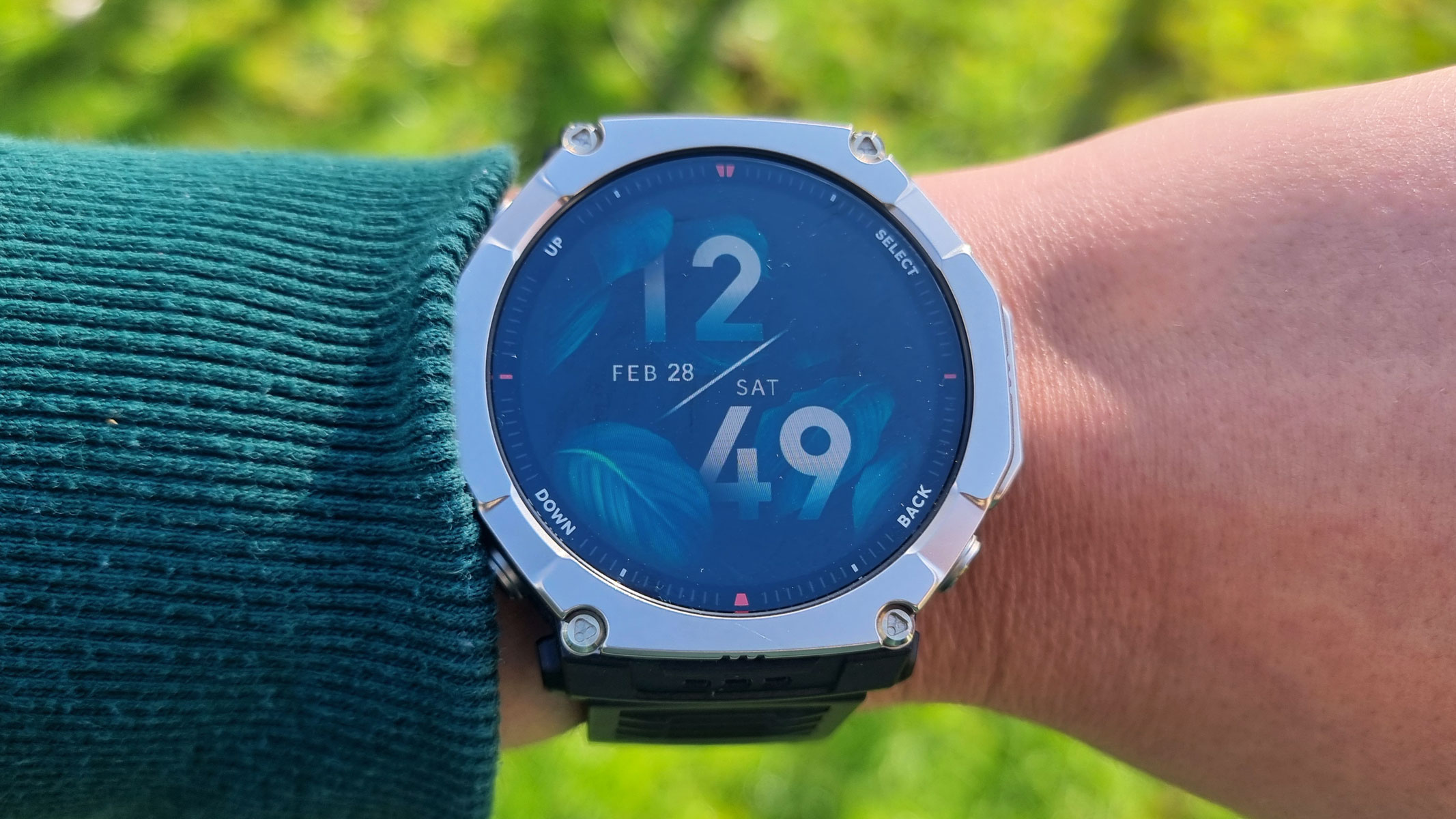
The Samsung Galaxy Watch Ultra features dual-frequency GPS (L1 + L5), and in my testing, the tracking accuracy rivaled dedicated fitness watches from Garmin. Urban canyon running — where tall buildings typically wreak havoc on GPS signals — showed remarkably clean tracks with minimal drift.
Multi-sport tracking covers everything from swimming to cycling, with functional threshold power (FTP) calculations for serious cyclists. Race mode lets you compare current performance against past efforts in real-time, and GPX navigation support means you can follow pre-loaded routes directly from your wrist. For the adventure-oriented user, this is the first Samsung watch that doesn’t feel like a compromise compared to a Garmin or Polar.
Battery Life: Good, but Not Great
The 590mAh battery is Samsung’s largest in a watch, and it delivers roughly 60 hours of regular use — about a day and a half with always-on display enabled and health monitoring active. Power Saving Mode stretches that to 100 hours, and Exercise Power Saving Mode gives you 48 hours of workout tracking.
Those numbers sound impressive on paper, but in practice, heavy GPS use during outdoor activities cut my battery life to about 18-20 hours. For comparison, the Apple Watch Ultra 2 delivers similar battery performance, and Garmin’s Fenix 8 still crushes both with multi-day GPS endurance. The Galaxy Watch Ultra is competitive, but “Ultra” battery life this is not.
Wear OS 5 + One UI Watch: The Best It’s Ever Been
Samsung’s implementation of Wear OS continues to be the gold standard for Android smartwatches. Wear OS 5 brings improved power efficiency and smoother animations, while Samsung’s One UI Watch layer adds the customization options that stock Wear OS sorely lacks.
The app ecosystem has matured significantly — Google Maps navigation, Spotify offline playback, WhatsApp messaging, and Google Wallet payments all work reliably. The built-in LTE means you can leave your phone at home for runs and still receive calls, stream music, and get navigation directions. It’s the kind of independence that justifies the $649 price tag for the right user.
Samsung Galaxy Watch Ultra vs Apple Watch Ultra 2: The Honest Comparison
The elephant in the room: how does it stack up against the Apple Watch Ultra 2? The Samsung Galaxy Watch Ultra matches Apple on build quality (both titanium), edges ahead on health sensors (sleep apnea detection, blood pressure), and offers a more affordable entry at $649 vs $799. Apple wins on battery consistency, the Action Button implementation, and the sheer depth of its fitness app ecosystem.
For Android users, this comparison is academic — the Galaxy Watch Ultra is the clear choice. For those in the ecosystem-agnostic camp, the Samsung Galaxy Watch Ultra offers more health features per dollar, while the Apple Watch Ultra 2 delivers a more polished daily-wear experience.
The Verdict: Samsung’s Most Convincing Premium Watch Yet
The Samsung Galaxy Watch Ultra earns a strong recommendation with caveats. At $649, you’re getting a titanium-built, feature-packed smartwatch with FDA-approved health monitoring, Galaxy AI integration, Garmin-rivaling GPS accuracy, and the best Wear OS experience available. The 3nm Exynos W1000 processor makes everything feel snappy, and the health sensor suite is genuinely industry-leading.
The caveats: battery life doesn’t quite live up to the “Ultra” name under heavy use, the design is polarizing (you’ll either love or hate that orange strap), and some health features like blood pressure still require a Samsung phone. But if you’re an Android user who’s been waiting for a premium smartwatch that doesn’t feel like a second-class citizen next to Apple — the wait is finally over.
Stay ahead of the latest smartwatch releases, AI wearable tech, and honest hardware reviews — delivered weekly.
Get weekly AI, music, and tech trends delivered to your inbox.