Wireless Studio Headphones Low Latency 2026: 3 Models That Actually Work for Production
February 12, 2026
iZotope RX 12 Launches Generative Fill — AI Audio Repair Will Never Be the Same
February 13, 2026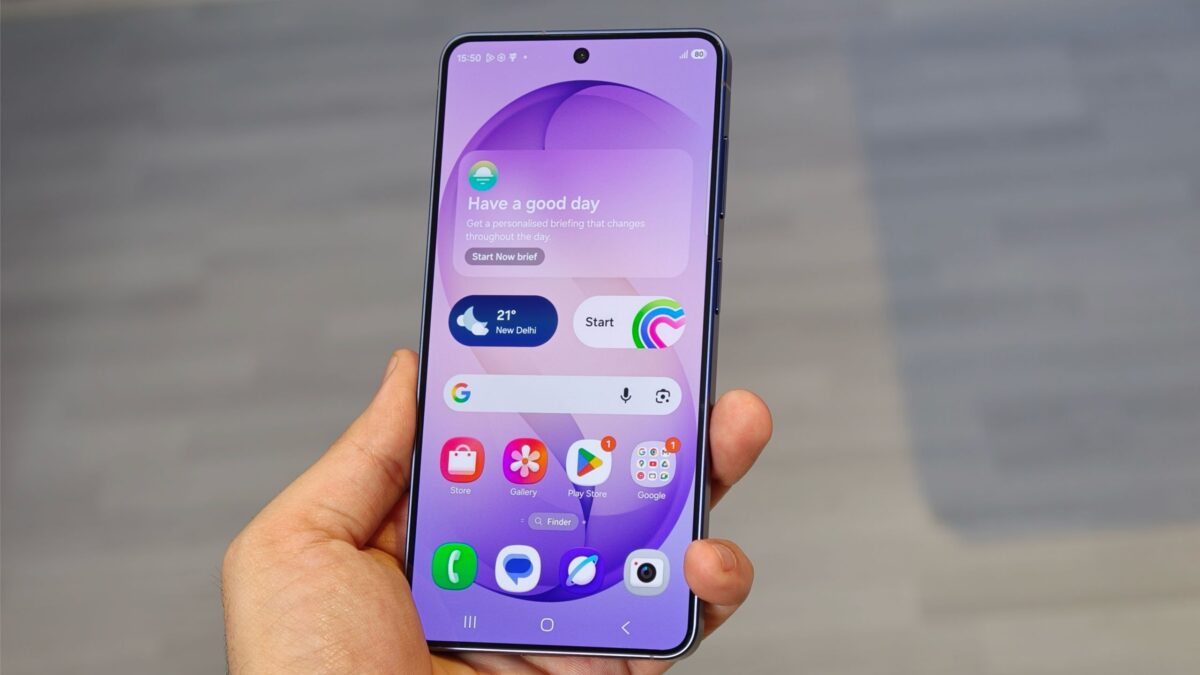
A 39% NPU boost. Real-time scam detection that never touches the cloud. A voice command that orders your coffee, hails your ride, and confirms your groceries — all without you lifting a finger. The Samsung Galaxy S26 Ultra AI leaked specs paint a picture of a phone that doesn’t just use artificial intelligence — it fundamentally runs on it. With Galaxy Unpacked just 12 days away on February 25, here’s everything we know about the 5 AI features that could redefine what a smartphone does.
Why Gemini Nano 3 On-Device Changes the Samsung Galaxy S26 Ultra AI Game
The biggest shift happening inside the Galaxy S26 Ultra isn’t a camera upgrade or a display tweak — it’s the fact that Google’s Gemini Nano 3 model runs directly on the device. Powered by the Snapdragon 8 Elite Gen 5’s NPU (which Samsung claims is 39% faster than the previous generation), the S26 Ultra can handle complex AI tasks in real time without sending a single byte to a cloud server.
Think about what that means for privacy. Your phone calls, your photos, your conversations — none of it leaves your device for AI processing. In an era where data privacy concerns are at an all-time high, Samsung is making a bold architectural decision: bring the AI to the data, not the data to the AI.
The CPU sees a 19% improvement, the GPU gets a 24% boost, and the overall platform — which Samsung’s Global Newsroom has already teased as powering “the most intuitive Galaxy AI phone yet” — enables what the company calls a multi-agent AI assistant system. More on that in a moment.
The 5 Samsung Galaxy S26 Ultra AI Features You Need to Know
1. Gemini Nano Scam Detection — Real-Time Fraud Protection During Calls
This might be the single most impactful consumer AI feature any smartphone manufacturer has shipped. During a phone call, Gemini Nano continuously analyzes conversation patterns — tone, phrasing, urgency cues — to detect potential scam or phishing attempts in real time. If it picks up red flags, you get an immediate on-screen warning.
The critical detail: according to Google’s official blog post, the Gemini Nano model runs entirely within Samsung’s Phone app. No cloud processing. No data leaving your device. Your call audio is analyzed locally and discarded — never stored, never transmitted. For the millions of people who fall victim to phone scams every year, this could be genuinely life-changing.
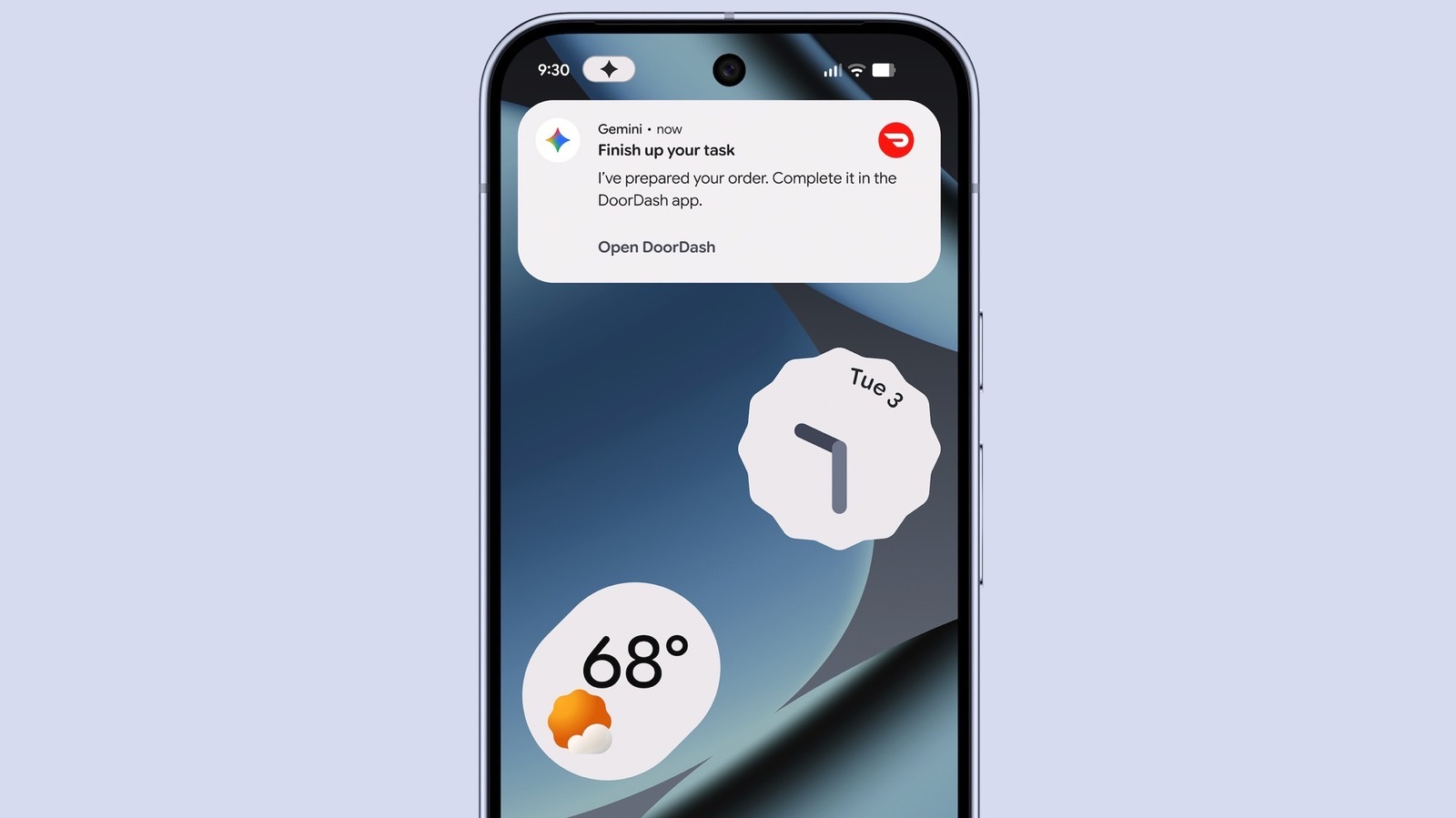
2. Gemini Task Automation — One Voice Command, Multiple Actions
“Order me an iced americano from Dunkin.” That’s it. That’s the entire interaction. Gemini opens the Dunkin app, navigates the menu, selects your usual order, and completes the purchase. If it needs clarification — size? pickup or delivery? — it asks. When it’s done, it can proactively suggest your next task.
This Screen Automation feature is powered by Gemini 3 series models that understand multi-step workflows and goals, not just individual commands. The leaked information suggests food delivery and rideshare apps will be supported at launch, with the feature being a Galaxy S26 series exclusive — at least initially. This is agentic AI in its truest form: the phone doesn’t just respond to you, it acts for you.
3. Now Nudge — Proactive AI That Anticipates Your Needs
Every AI assistant on the market waits for you to say something. Now Nudge flips that model. It reads conversational context and proactively offers suggestions. Chatting with a friend about last summer’s trip to Jeju? Now Nudge notices and asks if you’d like to pull up those photos. Discussing a restaurant recommendation? It can surface the location on a map before you even think to search.
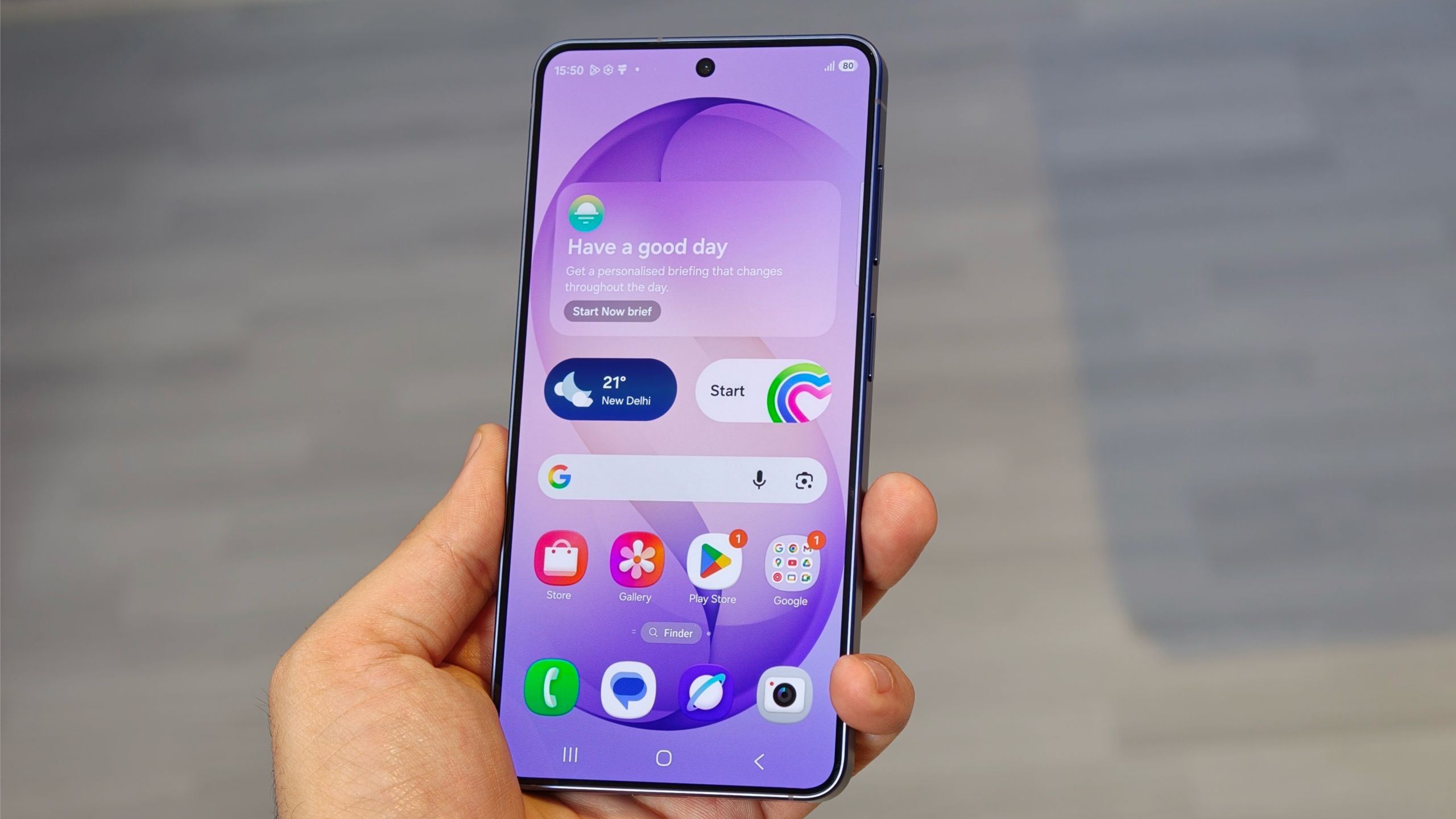
Paired with Now Brief — which provides personalized daily briefings based on your habits and schedule — Now Nudge turns the S26 Ultra into something closer to an actual personal assistant than a glorified search engine. And yes, this runs on-device too, which means Samsung isn’t building a profile of your habits on some distant server.
4. Photo Assist — Natural Language Photo Editing with Generative AI
“Turn this daytime photo into a night scene.” “Remove the person in the background.” “Change my jacket to a blue one.” Photo Assist lets you edit images using plain language commands powered by generative AI. No sliders, no layers, no learning curve — just describe what you want and let the AI handle the technical execution.
This is the kind of feature that collapses the gap between professional editing tools and smartphone cameras. For content creators, social media managers, and anyone who wants better photos without a Photoshop subscription, Photo Assist could be a genuine workflow accelerator. The quality of the generative output will be the real test, but the on-device processing power is certainly there to support it.
5. Circle to Search with Multi-Object Recognition
Circle to Search was already one of the Galaxy’s most intuitive features. The S26 Ultra upgrade adds simultaneous multi-object recognition — circle several items on screen and get search results for all of them at once. Spot three different sneakers in a street style photo? Circle all three and get shopping links, brand names, and price comparisons without leaving the screen. It’s a small upgrade with massive practical implications for visual shopping and quick research.
The Multi-Agent Architecture: Bixby + Gemini + Perplexity Working Together
Perhaps the most architecturally interesting decision Samsung has made with the S26 Ultra is the multi-agent AI system. Rather than replacing Bixby with Gemini or bolting on a single AI model, Samsung is running three AI engines in parallel. Bixby handles device control and system-level commands. Gemini manages complex reasoning, task automation, and on-device AI processing. Perplexity provides web search and real-time information retrieval.
Each engine operates in its area of strength, and the system routes your requests to the most appropriate agent. It’s a division of labor approach that, on paper, should outperform any single-model solution. Whether the handoffs between agents feel seamless in practice remains to be seen — but the architectural ambition is clear.
Privacy Display: Hardware-Level Screen Security
Not strictly an AI feature, but worth mentioning because it perfectly complements the on-device AI philosophy. The S26 Ultra’s Privacy Display uses an advanced lighting system to make screen content invisible from side angles. PINs, passwords, notifications, banking apps — you can configure it per-app, turning your phone into a private viewport that only you can see. Tom’s Guide flagged this as the S26 Ultra’s most exciting new feature in their pre-launch leak coverage, and it’s easy to see why.
What This Means for the Smartphone AI Race
With Galaxy Unpacked approaching on February 25, the picture of what Samsung is building with the S26 Ultra is becoming increasingly clear. This isn’t a phone that happens to have AI features tacked on — it’s a phone where AI is the operating principle. On-device processing for privacy. Multi-agent architecture for capability. Proactive nudges for convenience. Task automation for productivity.
If Samsung delivers on even half of what the leaks suggest, the S26 Ultra won’t just be the best Galaxy phone ever made — it’ll set the benchmark that Apple, Google, and every other manufacturer will need to answer. The real test comes in 12 days. I’ll be watching closely.
If you’re evaluating how new device capabilities like on-device AI can fit into your business workflows, or need expert guidance navigating the rapidly evolving tech landscape, feel free to reach out below.
Looking for expert analysis on emerging device technologies, or need help optimizing your tech stack for the AI-first era? Let’s talk.