Native Instruments CEO Confirms M&A Progress — But Can NI Survive Private Equity’s Wreckage?
March 20, 2026
Akai MPC Sample Launch Guide: The $399 Portable Sampler vs Roland SP-404MK2 vs TE EP-133 KO II (2026)
March 23, 2026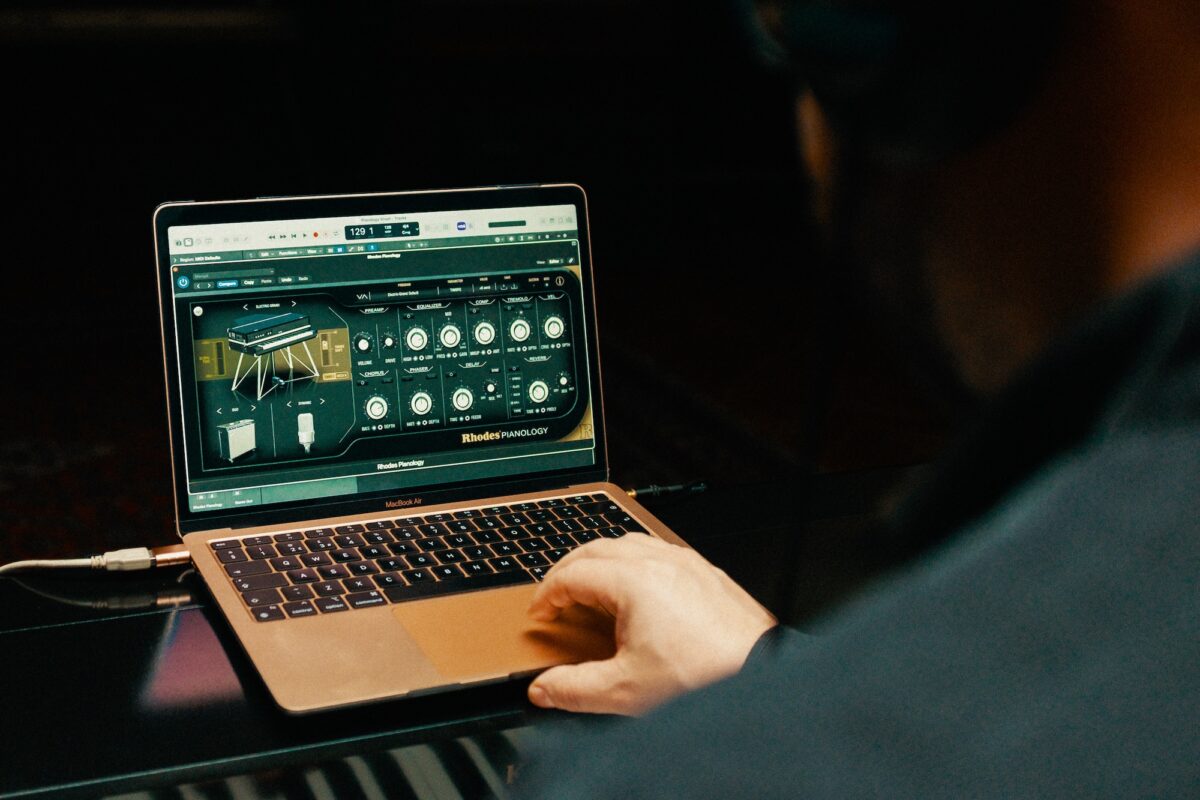
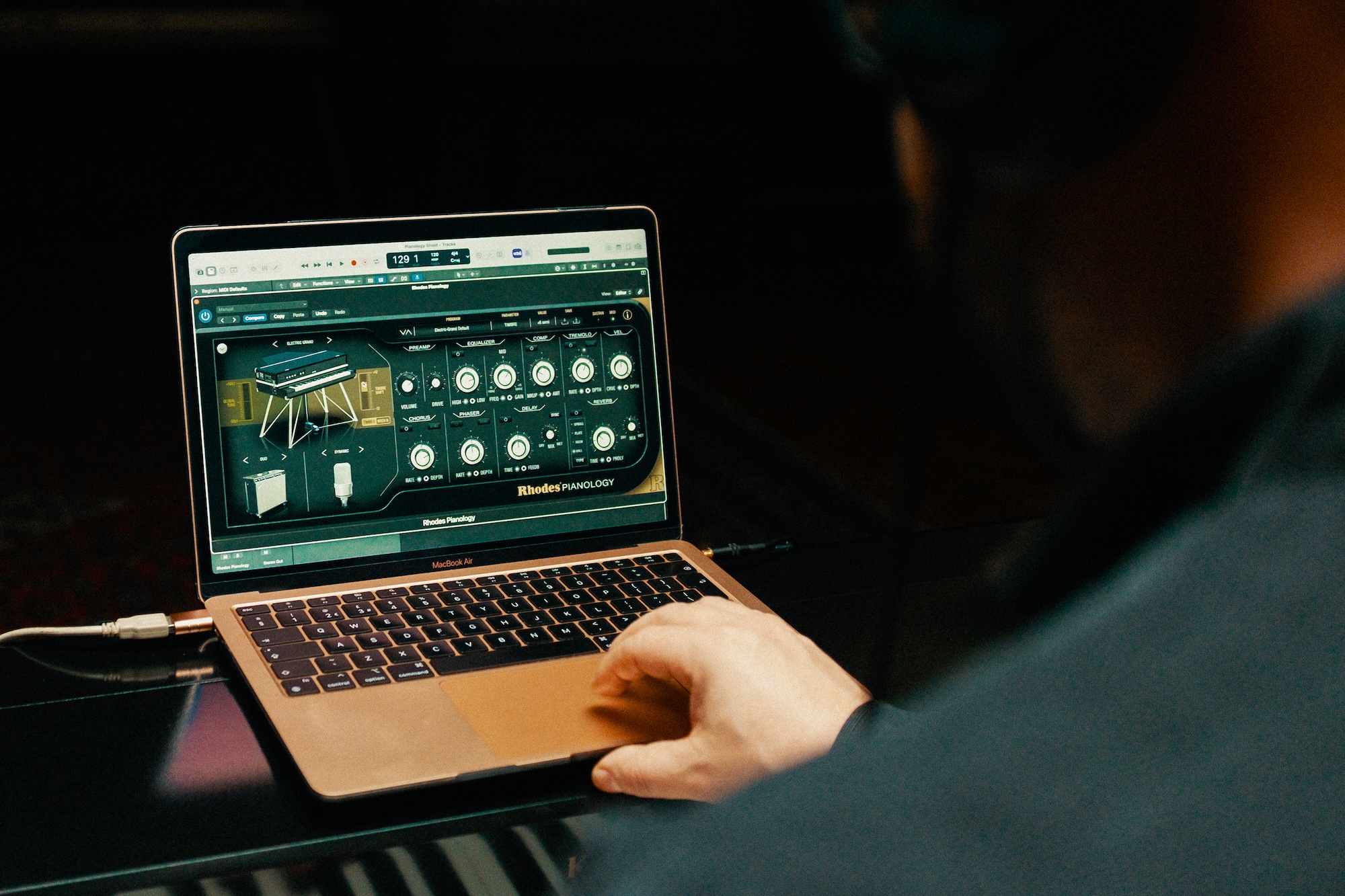
I have been testing piano VSTs for the better part of three decades, and very few have made me stop mid-session just to listen. The Rhodes Pianology plugin did exactly that. Within the first 30 seconds of playing the American Grand, I found myself abandoning the track I was working on and simply exploring the instrument — the harmonic depth, the way the sustain bloomed naturally, the subtle mechanical noise that made it feel like a real piano was sitting in my control room. This is not just another sample library with a pretty GUI. This is Rhodes entering the acoustic piano arena with serious intent.
What Is the Rhodes Pianology Plugin?
Released in March 2026, Rhodes Pianology is a virtual instrument plugin that bundles three deeply sampled pianos into a single package: a Japanese Upright, an American Concert Grand, and a Japanese Electric Grand. If you know Rhodes, you know their legacy in electric pianos — the Rhodes V8 Pro has been a staple for producers and keyboardists worldwide. But Pianology marks a deliberate expansion into acoustic territory, and it is a bold move that largely pays off.
The plugin ships in VST3, AU, and AAX formats, runs on macOS 11+ and Windows 10+, and occupies approximately 14 GB of disk space. At an introductory price of $104.95 (regular $149.95) until April 7, 2026, it sits in a sweet spot between budget options and premium libraries like Spectrasonics Keyscape.
The Three Pianos — Character, Tone, and Use Cases
What makes Pianology compelling is not just the number of instruments — it is the curation. Rhodes did not try to pack 30 keyboards into one plugin. They picked three pianos with distinctly different characters and sampled each one with obsessive depth. Let me walk you through each one.
1. Japanese Upright Piano (Yamaha U-Series)
The Yamaha U-series upright is one of the most widely used upright pianos in the world, and Rhodes has captured its essence beautifully. The tone is bright and controlled with a direct, almost percussive attack that cuts through a mix without being harsh. The midrange is focused and compact — exactly what you want when the piano needs to sit alongside vocals, strings, or a full band arrangement.
In practice, I found this piano excelling in three scenarios: jazz comping where you need clarity without overwhelming the horns, singer-songwriter productions where the piano serves as the harmonic backbone, and contemporary film scoring where understated piano figures need to convey emotion without dominating the orchestral palette. It is the most “utilitarian” of the three, but that is actually its strength. This is the piano you reach for when the song matters more than the piano itself.
2. American Concert Grand
This is the showstopper of the collection. The American Grand delivers a broad dynamic range with a balanced tonal profile that supports virtually any genre. The low end has genuine weight — you can feel the bass strings resonating — while the treble remains clear and singing without becoming brittle at high velocities. The harmonic depth and sustain behavior are where this piano truly shines; notes bloom and decay naturally, with sympathetic resonance adding a layer of realism that cheaper libraries simply cannot match.
The Lid Position control is a thoughtful addition for the Grand model. Close the lid for an intimate, muffled tone perfect for quiet ballads or background scoring. Open it fully for that concert hall projection where every overtone rings free. In my testing, the half-open position proved most versatile for pop and cinematic work, offering a balanced blend of presence and warmth. If you produce classical recordings, pop ballads, cinematic scores, or any genre where the piano is the star of the show, this is where you will spend most of your time.
3. Japanese Electric Grand (Yamaha CP-80 Heritage)
Here is where things get really interesting. The Japanese Electric Grand is almost certainly based on the legendary Yamaha CP-80 — an electro-acoustic piano with real strings struck by hammers, but with electromagnetic pickups instead of a soundboard. This instrument defined the sound of 1980s music. If you have ever listened to Peter Gabriel’s “In Your Eyes,” Phil Collins’ solo work, or early Genesis albums, you have heard this piano. The bell-like attack, the slightly compressed sustain, the way it sits in a mix with an almost synth-like presence — it is unmistakable.
Rhodes has modeled the Electric Grand’s onboard stereo tremolo circuit, which adds authentic vintage movement to the sound. Combined with the amp and mic section borrowed from their V8 Pro platform, you can dial in everything from a clean DI tone to a warm, driven amplifier character. For modern synthwave, neo-soul, or retro-inspired pop productions, this piano alone might justify the purchase price. It is also remarkably useful for layering — blending the Electric Grand with a pad or the American Grand creates rich, hybrid textures that would take hours to construct from separate plugins.
Sound Shaping — From Timbre Shift to Arena Reverb
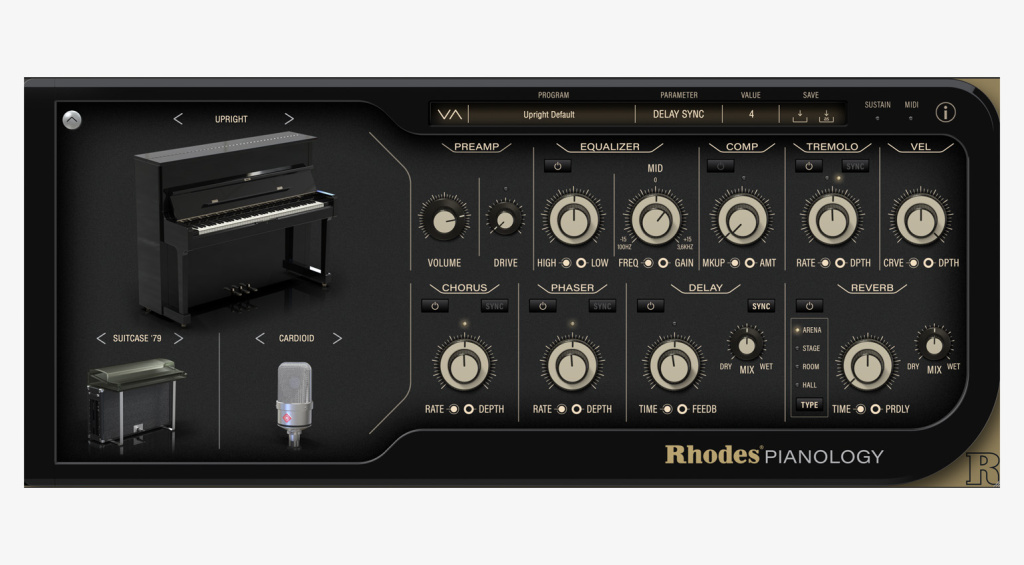
The Rhodes Pianology plugin goes well beyond simple sample playback. The Global Controls section offers four essential parameters that fundamentally shape your tone before any effects processing even begins.
Timbre Shift adjusts the tonal balance between bright and warm. Think of it as a macro control that affects the entire character of the piano — not just a simple EQ filter, but a more nuanced reshaping of the harmonic content. Global Tune lets you adjust the tuning reference, essential for sessions where other instruments are not at standard A440. Mechanical Noise controls the amount of hammer and damper noise blended into the signal, and this is where realism lives. Too little and the piano sounds sterile; too much and it becomes distracting. The sweet spot sits around 30-40% in my experience. Lid Position (Grand only) adjusts the virtual lid opening, affecting both volume and tonal character.
The effects engine is comprehensive without being overwhelming. You get piano-voiced compression (tuned specifically for piano dynamics rather than generic bus compression), a musical EQ, modulation effects, delay, stereo tremolo, panning controls, and Rhodes’ proprietary reverb algorithms. The new Stage and Arena reverb modes deserve special mention — Stage recreates the intimate reflections of a recital hall, while Arena delivers the expansive, enveloping wash of a large concert venue. Both sound natural and never veer into artificial territory.
The Amp and Mic section, inherited from the Rhodes V8 Pro, provides amplifier models and microphone choices that let you shape the piano’s output as if you were miking a real instrument in a real studio. Velocity curve and depth adjustments round out the control set, ensuring the plugin responds precisely to your playing style, whether you prefer a light jazz touch or aggressive rock dynamics.
How Pianology Stacks Up Against the Competition
The piano VST market in 2026 is crowded. Native Instruments’ The Grandeur, Spectrasonics’ Keyscape, XLN Audio’s Addictive Keys, Garritan’s CFX Concert Grand — the list goes on. So where does Pianology fit?
Price-to-quality ratio is Pianology’s strongest argument. At $104.95 introductory ($149.95 regular), you get three professionally sampled pianos with deep sound-shaping capabilities. Keyscape costs $399 and offers 36 keyboard models — impressive breadth, but you are paying nearly four times the price. Addictive Keys requires separate purchases for each piano type. Native Instruments’ Komplete bundles include The Grandeur but lock you into a $599+ ecosystem.
The electric grand is a genuine differentiator. Very few piano plugins include a CP-80-style electric grand alongside acoustic models. If you specifically need that 80s electric grand tone alongside traditional acoustic pianos, Pianology might be your only single-plugin option at this price point.
Storage footprint matters. At 14 GB, Pianology is significantly lighter than Keyscape (77 GB) or even some Kontakt piano libraries. For laptop producers or those working with limited SSD space, this is a practical advantage.
On the flip side, Pianology’s three-piano selection cannot match the sheer variety of larger libraries. There are no clavinets, no harpsichords, no toy pianos. The preset library is currently limited compared to well-established competitors with years of community-built content. And as a new release, real-world reliability data from thousands of sessions does not exist yet. These are fair caveats, but none are deal-breakers given the price and quality on offer.
Who Should Buy Rhodes Pianology — And Who Should Pass
After spending significant time with all three pianos across various production scenarios, here is my straightforward assessment:
- Buy if: You produce jazz, pop, cinematic scores, or neo-soul and want three distinct, high-quality piano voices in one plugin without breaking the bank.
- Buy if: You are a Rhodes V8 user looking to expand into acoustic piano territory while staying within the Rhodes ecosystem and familiar UI paradigm.
- Buy if: You specifically need a CP-80 electric grand alongside acoustic models — this combination is genuinely hard to find elsewhere.
- Buy if: Storage space is a concern and you need a professional piano library under 15 GB.
- Pass if: You already own Keyscape or a comparable premium library and are satisfied with your current piano sounds.
- Pass if: You need a vast variety of keyboard types beyond standard pianos (clavinets, organs, vintage synths).
- Pass if: You are a classical pianist requiring the absolute deepest velocity layers and round-robin sampling for solo concert recordings.
Final Verdict — Quality Over Quantity, and It Works
Rhodes Pianology represents a confident, focused entry into the acoustic piano plugin space from a brand that has earned its reputation through decades of iconic instrument design. The “quality over quantity” philosophy is evident in every aspect — three pianos instead of thirty, but each one sampled and modeled with genuine care. The Timbre Shift control, the Stage and Arena reverbs, and the inherited V8 Pro amp modeling give you sound-shaping depth that goes well beyond what most piano VSTs offer at this price point.
At $104.95 during the introductory period (until April 7, 2026), this is an easy recommendation for anyone looking to add professional-grade piano sounds to their production toolkit. The Japanese Electric Grand alone offers a sound that is remarkably difficult to find in competing plugins, and the American Concert Grand holds its own against instruments costing two to three times as much. If you have been waiting for Rhodes to move beyond electric pianos, the wait is over — and the result is worth it. Check out the official Rhodes Pianology page for audio demos and purchase options.
Looking for professional mixing, mastering, or help dialing in the perfect piano tone for your production? Greit Studios has 28+ years of audio engineering experience.
Get weekly AI, music, and tech trends delivered to your inbox.