W&B Prompts Deep Dive: 5 Ways Weave Is Transforming LLM Debugging and Evaluation in 2025
July 22, 2025
ASUS ROG Ally 2 Review: Ryzen Z2 Extreme Makes Every Other Handheld Feel Obsolete
July 22, 2025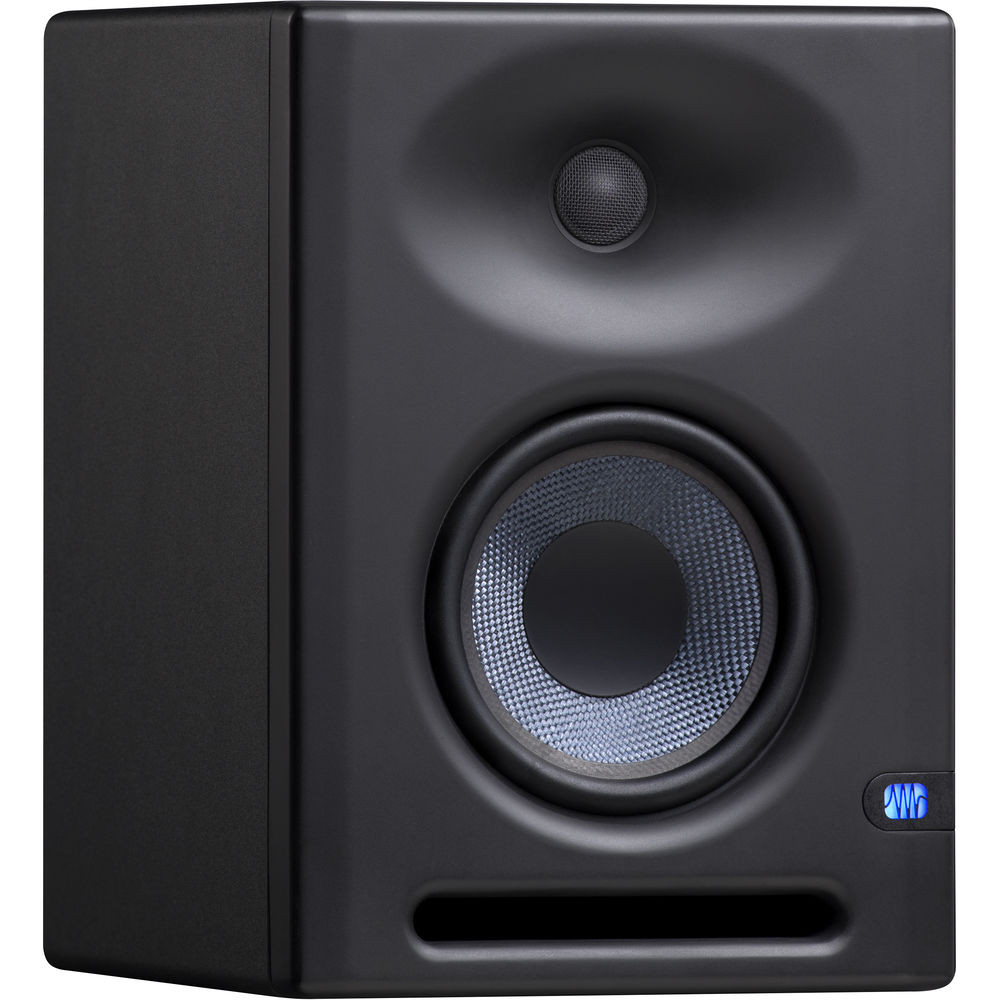
I’ve been recommending the PreSonus Eris E5 XT to home studio builders for years — it was the monitor that proved you didn’t need to spend $500+ to get honest mixes. So when PreSonus quietly dropped the Eris Studio 5 as its spiritual successor (what I’m calling the “E5 XT MkII”), I had one question: did they fix what didn’t need fixing, or did they actually make the best budget monitor even better?
After 28 years in professional audio — from tracking sessions in commercial studios to building monitoring setups for independent producers — I’ve watched the budget monitor category evolve from “barely usable” to “genuinely competitive.” The PreSonus Eris E5 XT MkII sits right at the center of that evolution, and in this review, I’ll break down whether it’s worth the upgrade in summer 2025.
What the PreSonus Eris E5 XT MkII Actually Changes
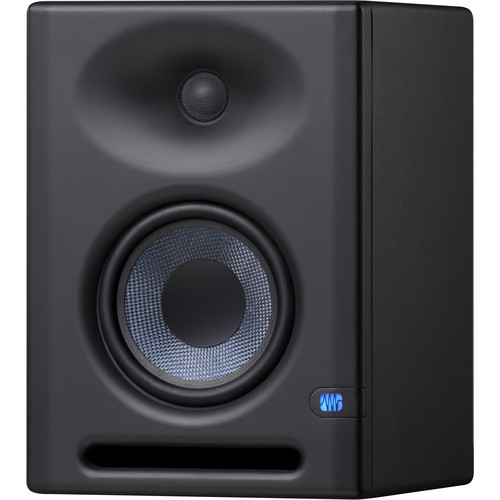
Let’s get the naming straight first. PreSonus didn’t call this the “E5 XT MkII” — they rebranded the entire line as the Eris Studio 5. But functionally, it’s the second generation of the E5 XT with meaningful upgrades across the board. Here’s what actually changed:
- Power bump: 80W total biamplification (45W LF + 35W HF), up from 70W on the original E5 XT
- Wider dispersion: 120-degree horizontal dispersion via a refined EBM waveguide, up from 100 degrees
- Front-ported design: The bass port moved from the rear to the front — a huge deal for anyone pushing monitors against a wall
- Smoother crossover: Improved voicing with richer low-end and less listening fatigue during marathon mixing sessions
- Standby mode: Auto-sleep for energy efficiency
- Updated aesthetics: Modern industrial design, slightly heavier build (11.46 lbs vs 11 lbs)
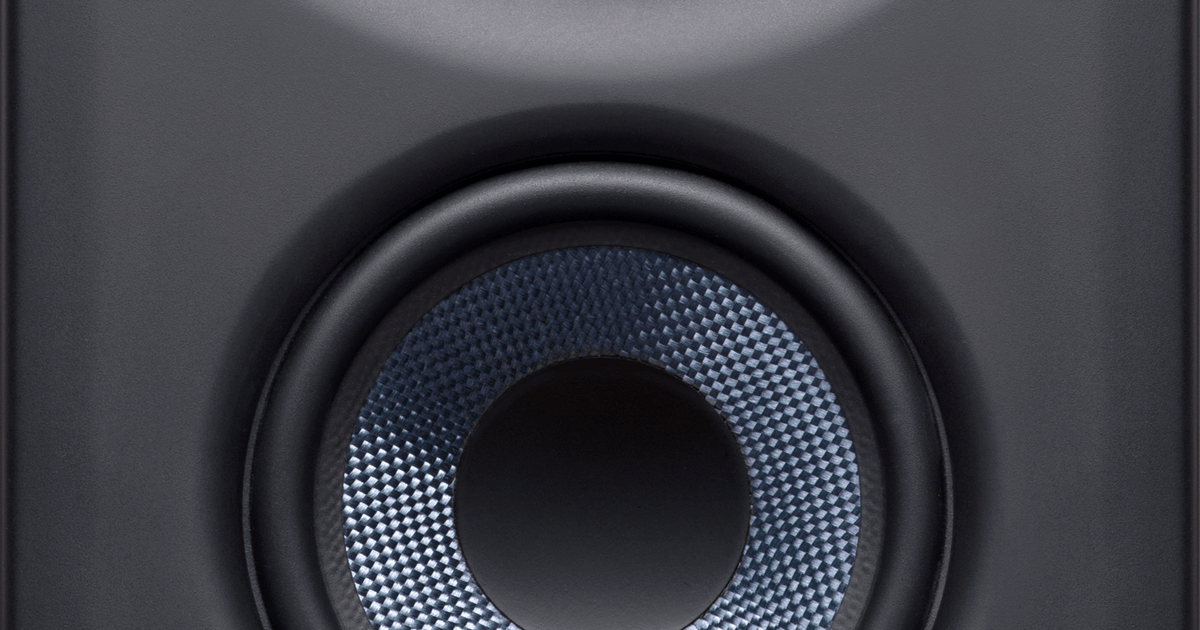
The core DNA remains: 5.25-inch woven composite LF driver, 1-inch silk-dome tweeter, Class AB biamplification, and that signature EBM (Elliptical Boundary Modeled) waveguide that gives these monitors their wide sweet spot. The frequency response stays at 48 Hz – 20 kHz, and you still get balanced XLR, 1/4-inch TRS, and unbalanced RCA inputs.
The EBM Waveguide: Why PreSonus Eris E5 XT MkII Punches Above Its Price
If there’s one feature that separates the Eris line from every other sub-$200 monitor, it’s the EBM waveguide. Most budget monitors use a simple horn or no waveguide at all, resulting in a narrow sweet spot that forces you to sit in one exact position. Move six inches to the left and the stereo image collapses.
The EBM waveguide on the PreSonus Eris E5 XT MkII creates a controlled 120-degree horizontal dispersion pattern. In practical terms, this means:
- You can move around your desk without losing the stereo image
- Off-axis response stays more consistent, giving you a more accurate picture of your mix
- Multiple people can sit in front of the monitors during a session and still hear a balanced image
- Room reflections are more predictable, which actually makes acoustic treatment more effective
The jump from 100 to 120 degrees might not sound dramatic on paper, but in a small room — which is exactly where these monitors live — that extra 20 degrees of coverage is immediately noticeable. As MusicTech noted in their review, the Eris Studio 5 delivers an “affordable fit for home studios” precisely because of this wider dispersion characteristic.
Front Port vs. Rear Port: The Upgrade That Matters Most
Here’s the change that matters most in real-world home studios: the bass port moved from the back to the front. This sounds like a minor detail. It’s not.
The original E5 XT had a rear port, which meant you needed at least 6-8 inches of clearance behind the monitor to avoid bass buildup against the wall. In a dedicated studio, that’s easy. In a bedroom studio where your desk is against the wall? You’d get boomy, undefined low-end that completely undermined the monitor’s otherwise flat response.
The PreSonus Eris E5 XT MkII’s front-ported design eliminates this problem. You can push these right up against the wall and still get clean, controlled bass response. For bedroom producers and home studio owners — the exact audience these monitors target — this is arguably the single biggest improvement.
You still get the acoustic tuning controls on the rear panel: HF adjust (+/-6 dB), Mid adjust (+/-6 dB), Acoustic Space settings (Flat, -2 dB, -4 dB), and a high-pass filter (Off, 80 Hz, 100 Hz). These room correction tools combined with the front port give you real flexibility in less-than-ideal room situations.
Sound Quality: How the PreSonus Eris E5 XT MkII Performs in Real Mixing Sessions
Numbers only tell part of the story. In practice, the Eris Studio 5 refines what the E5 XT already did well. The low-end is fuller and better defined — you can hear kick drum fundamentals with more clarity, and bass guitar notes have better separation. The midrange remains the strength of this line: vocals sit clearly, and you can hear compression artifacts and EQ moves without straining.
The high-frequency reproduction is where the silk-dome tweeter shines. Unlike some budget monitors that use metallic domes (looking at you, KRK), the silk-dome delivers highs that are detailed without being fatiguing. After 4-5 hours of mixing, your ears aren’t screaming for a break — and for home studio producers who don’t have the luxury of $3,000 Genelecs, reduced listening fatigue directly translates to better mix decisions.
The 102 dB peak SPL at 1 meter is more than enough for nearfield work. These aren’t meant to fill a live room — they’re designed for the 3-5 foot listening distance where most desktop mixing happens. At that distance, they deliver honest, workable representations of your mix.
From my experience setting up monitoring chains for independent producers, the Eris line has always translated well. Mixes done on E5 XTs tend to travel to other playback systems without major surprises, and the Studio 5 continues that tradition with a more refined low-end that gives you slightly better confidence in your bass decisions.
PreSonus Eris E5 XT MkII vs. The Competition in 2025
The budget 5-inch monitor category is stacked in 2025. Here’s how the PreSonus Eris E5 XT MkII (Eris Studio 5) compares to the main competitors:
vs. Yamaha HS5 (~$199): The HS5 remains the industry’s reference for flat response, but its narrower dispersion and rear port make it less forgiving in untreated rooms. The Eris Studio 5’s wider sweet spot and front port give it a practical edge for bedroom setups, and it’s $30-50 cheaper.
vs. Adam Audio T5V (~$179): The T5V’s U-ART ribbon tweeter offers slightly more high-frequency detail, but it’s also rear-ported and less forgiving with positioning. The Eris Studio 5 wins on dispersion and room flexibility.
vs. KRK Rokit 5 G4 (~$179): KRK’s DSP-powered room correction app is compelling, but the Rokit’s characteristic mid-forward voicing means mixes don’t always translate as cleanly. The Eris Studio 5 is more neutral out of the box.
vs. Kali Audio LP-6 (~$149): Kali’s LP-6 is technically a 6.5-inch monitor at a similar price point, offering deeper bass extension. If raw low-end extension is your priority, the LP-6 wins. But the Eris Studio 5’s tighter form factor and wider dispersion make it better for cramped desk setups.
vs. JBL One Series 104 (~$129): The JBL 104 is more portable and lifestyle-oriented. For serious mixing work, the Eris Studio 5’s biamped design, larger driver, and acoustic tuning controls put it in a different league.
Should You Upgrade from the Original E5 XT?
This is the question I get most from studio owners who already have the E5 XT. My honest answer: it depends on your room.
Upgrade if:
- Your monitors are against or near a wall (the front port alone justifies the upgrade)
- You work in a small, untreated room where the wider 120-degree dispersion will help
- You’re doing long mixing sessions and want reduced listening fatigue
- Your current E5 XTs are 3+ years old and you want a refresh
Keep your E5 XTs if:
- Your monitors have proper clearance behind them (the rear port isn’t causing issues)
- You’re happy with your current mixes and translation
- Your budget is better spent on acoustic treatment or a better audio interface
The E5 XT was already an excellent monitor. The Eris Studio 5 is a meaningful refinement, not a revolutionary redesign. If your current setup is working, there’s no urgent reason to upgrade. But if you’re starting fresh or your room setup has always been compromised by the rear port, the Eris Studio 5 is the clear choice.
At under $200 per pair on sale (street price around $119-$150 per monitor), the PreSonus Eris E5 XT MkII remains one of the smartest investments in home studio monitoring. The front-ported design, wider dispersion, and smoother voicing address the exact pain points that budget monitor users actually face — and that’s what makes this refresh genuinely worth your attention.
Whether you’re building a monitoring setup from scratch or optimizing your studio signal chain, getting the right monitors is only half the equation. Room acoustics, placement, and calibration matter just as much.
Get weekly AI, music, and tech trends delivered to your inbox.