Best Free Reverb Plugins September 2025: Top 8 Zero-Cost Options That Rival Paid Software
September 23, 2025
Together AI Mixture of Agents (MoA) Deep Dive: How 6 Open-Source Models Beat GPT-4o at 65.1% AlpacaEval
September 24, 2025
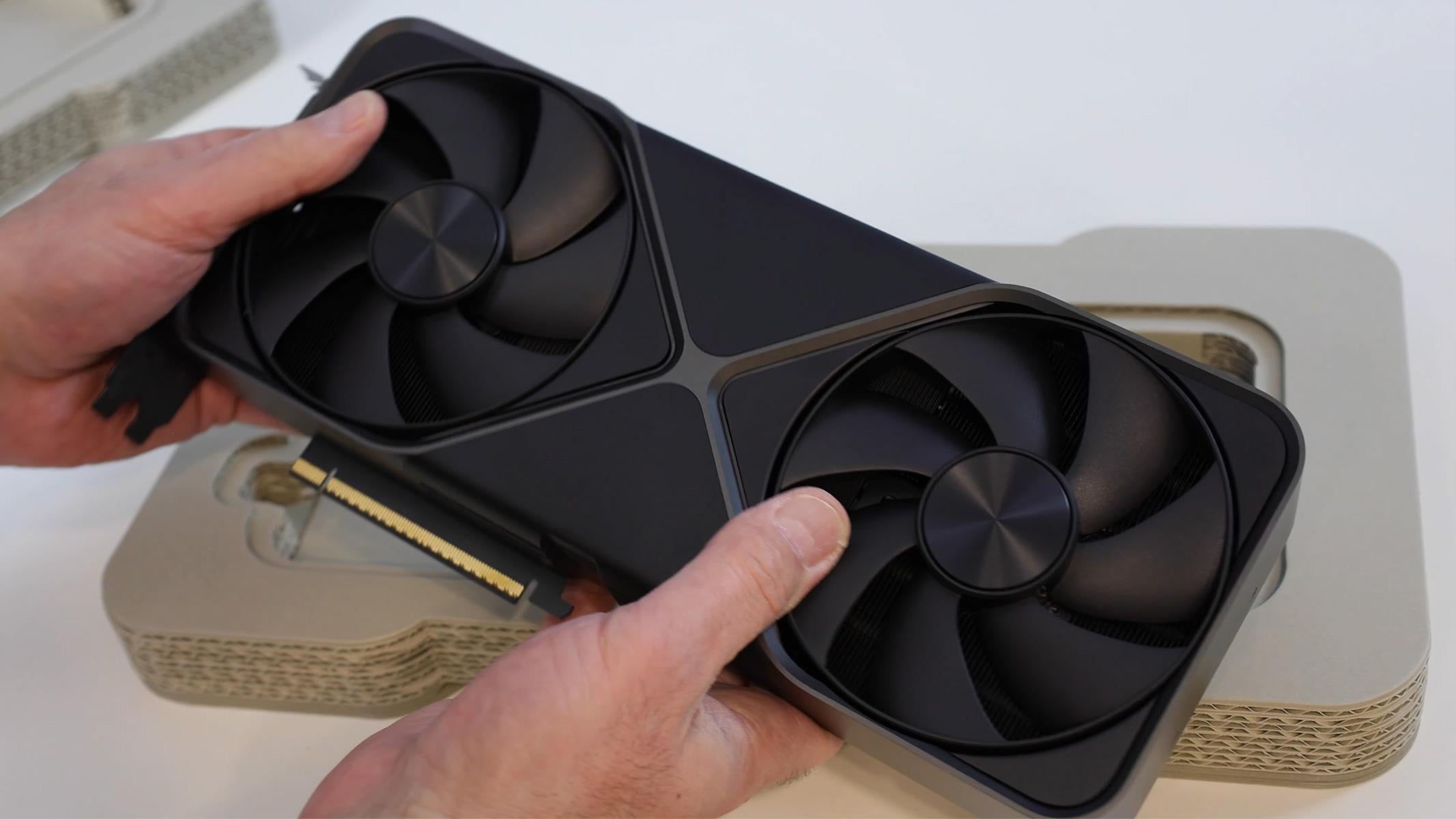
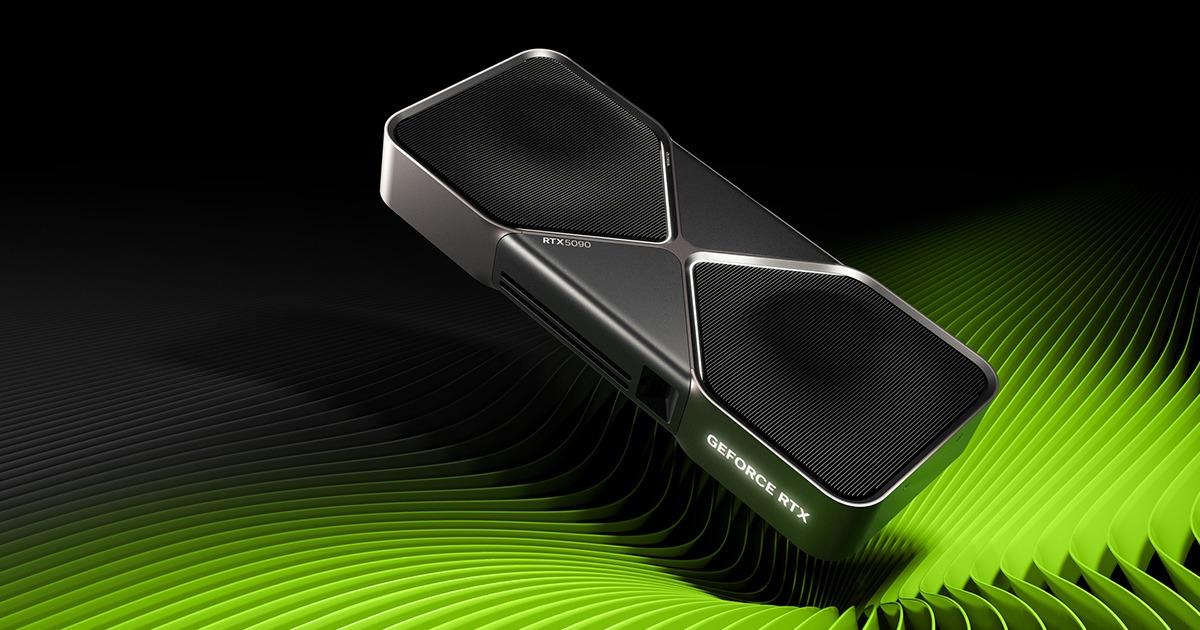
NVIDIA hasn’t even finished stocking the RTX 5090 on shelves, and we’re already looking at something that makes it seem modest. Multiple credible leaks now point to a full-die GB202 monster — the NVIDIA RTX 5090 Ti — packing up to 24,576 CUDA cores and potentially 36GB of GDDR7 memory. If these rumors hold, we’re looking at the most absurdly powerful consumer GPU ever built.
What We Know About the NVIDIA RTX 5090 Ti So Far
The RTX 5090 that launched in January 2025 already uses a cut-down version of NVIDIA’s GB202 Blackwell die — the GB202-300-A1, to be precise. It packs 21,760 CUDA cores, 32GB of GDDR7 on a 512-bit bus, and draws 575W. Impressive by any standard. But the full GB202 die has room for significantly more.
According to six internal sources cited by PCHardwarePro and corroborated by multiple hardware outlets, the NVIDIA RTX 5090 Ti would unlock the complete GB202 silicon with these rumored specifications:
- CUDA Cores: 24,576 (vs 21,760 on RTX 5090 — a 13% increase)
- Tensor Cores: 768 (5th generation)
- RT Cores: 192 (4th generation)
- Memory: Up to 36GB GDDR7 on a 512-bit bus at 28-32 Gbps
- Memory Bandwidth: Estimated 1,800-2,048 GB/s
- L2 Cache: 128MB (vs 98MB on RTX 5090)
- TGP: 600-750W
- Architecture: Blackwell (TSMC 5nm)
Why 36GB GDDR7? The Memory Configuration Debate
The memory situation is where things get interesting — and contentious. The RTX 5090 ships with 32GB across its 512-bit bus using 2GB GDDR7 modules. For the Ti variant, NVIDIA has several options: stick with 32GB, jump to 48GB using 3GB modules, or land somewhere in between with a 36GB configuration using mixed-density modules.
The 36GB figure has gained traction because it represents a practical sweet spot. It provides enough headroom over the RTX 5090’s 32GB to justify the “Ti” branding without the cost explosion of a full 48GB configuration. NVIDIA’s professional RTX PRO 6000 Blackwell already ships with 96GB, suggesting the memory controller can handle higher capacities — the question is pricing, not capability.
Adding fuel to the speculation: the ongoing DRAM supply crisis has reportedly forced NVIDIA to rethink its roadmap. The planned RTX 5090 SUPER variants were allegedly cancelled in favor of this single flagship Ti model — a move that makes more sense if NVIDIA wants to differentiate clearly on memory capacity.
Performance: 10-20% Over RTX 5090 — But at What Cost?
Early engineering sample tests paint a complicated picture. NotebookCheck reports that prototypes show roughly 10% improvement over the RTX 5090 in standard benchmarks, with the potential to hit 15-20% gains with faster memory binning and optimized drivers.
But here’s the elephant in the room: power consumption. The TGP reportedly sits between 600W and 750W, with some engineering samples hitting a staggering 1,000W during stress testing. For context, the RTX 5090 already recommends a 1,000W PSU at 575W TGP. The NVIDIA RTX 5090 Ti would likely need a 1,200-1,500W power supply — assuming your home circuit can handle it.
This raises a critical question: is 10-20% more performance worth 30-50% more power draw? For gamers, probably not. For AI researchers running local inference, content creators rendering 8K timelines, or professionals training small models locally — the calculus changes entirely.
RTX 5090 Ti vs RTX 5090: Full Spec Comparison
Here’s how the rumored NVIDIA RTX 5090 Ti stacks up against the existing RTX 5090:
| Specification | RTX 5090 | RTX 5090 Ti (Rumored) |
|---|---|---|
| GPU Die | GB202-300 (cut-down) | GB202 (full die) |
| CUDA Cores | 21,760 | 24,576 |
| Tensor Cores | 680 | 768 |
| RT Cores | 170 | 192 |
| Memory | 32GB GDDR7 | Up to 36GB GDDR7 |
| Memory Bus | 512-bit | 512-bit |
| L2 Cache | 98MB | 128MB |
| TGP | 575W | 600-750W |
| Price | $1,999 | $2,499-2,999 (est.) |
The Blackwell Architecture Advantage
What makes the full GB202 die particularly compelling is the 128MB L2 cache — a 30% increase over the RTX 5090’s already generous 98MB. This expanded cache reduces pressure on the GDDR7 memory subsystem, which matters enormously for AI workloads where data locality determines throughput.
The 5th-generation Tensor Cores also benefit from the full die configuration, with 768 units versus 680. For local LLM inference — a rapidly growing use case as models like Llama 3 and Mistral become more popular — this combination of more Tensor Cores, more cache, and more VRAM creates a meaningfully different tier of capability.
NVIDIA’s DLSS 4 with Multi-Frame Generation would also benefit. More CUDA cores means more headroom for generating additional interpolated frames, potentially pushing DLSS performance multipliers even higher than the already impressive results on the RTX 5090.
Release Timeline and Pricing Expectations
Multiple sources converge on a Q3 2026 launch window — roughly a year from now. PC Gamer’s Dave James, citing “credible and reliable contacts from different countries and different companies,” reported a September 2026 timeframe for a GPU that beats the RTX 5090.
Pricing is anyone’s guess, but the RTX 5090’s $1,999 MSRP and the current street prices exceeding $2,400 due to DRAM shortages suggest the NVIDIA RTX 5090 Ti could easily land between $2,499 and $2,999. Some industry watchers speculate it could carry RTX Titan branding instead of a Ti designation, which historically commands even higher pricing — the original Titan RTX launched at $2,499 back in 2018.
Should You Wait for the RTX 5090 Ti?
The honest answer depends entirely on your use case. If you’re a gamer, the RTX 5090 already handles everything at 4K with headroom to spare. Waiting a year for 10-20% more performance while dealing with a GPU that might need its own dedicated circuit breaker doesn’t make practical sense.
But if you’re an AI researcher who needs maximum local VRAM for model experimentation, a 3D artist rendering massive scenes, or a video editor working in 8K — the full GB202 die with potentially 36GB of the fastest memory available changes what’s possible without renting cloud compute. That 128MB L2 cache alone could shave meaningful time off workloads that currently bottleneck on memory bandwidth.
One thing is certain: NVIDIA’s Blackwell generation isn’t done surprising us. Whether it arrives as the RTX 5090 Ti, the RTX Titan Blackwell, or something else entirely, the full GB202 die represents the absolute peak of what this generation’s silicon can deliver — and that’s worth keeping an eye on.
Keeping up with GPU launches, AI hardware, and the tech that matters? Get weekly breakdowns delivered straight to your inbox.
Get weekly AI, music, and tech trends delivered to your inbox.