How AI Is Revolutionizing Dolby Atmos and Immersive Audio Production in 2026
March 11, 2026
2026 DRAM Shortage: How AI’s Memory Hunger Is Making Your Next Music Production PC 80% More Expensive
March 11, 2026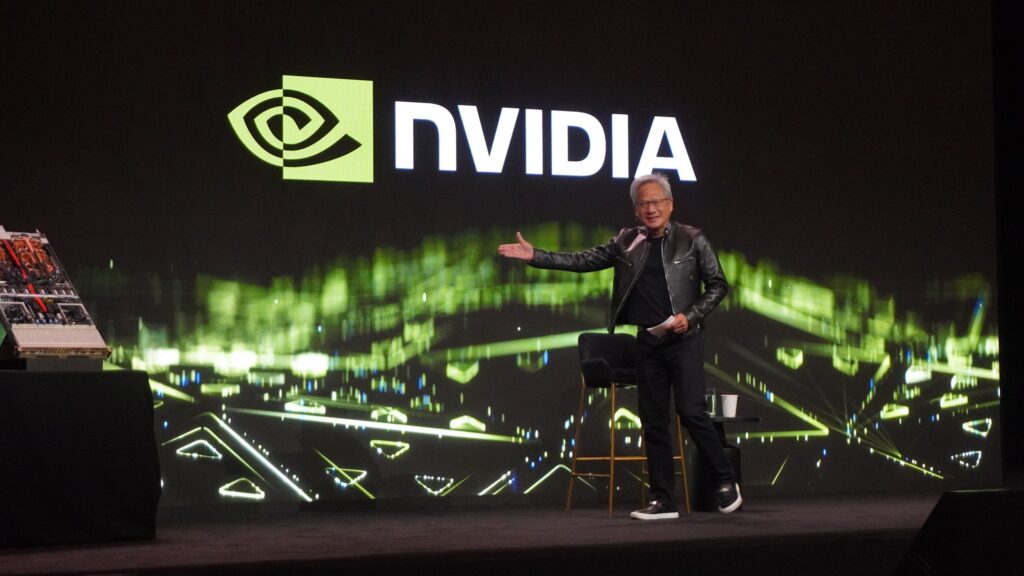
On March 16, NVIDIA’s annual developer conference GTC 2026 opens in San Jose. CEO Jensen Huang has promised to unveil “chips the world has never seen before,” and the star of the show is expected to be the Feynman architecture — built on TSMC’s groundbreaking A16 (1.6nm) process. If you’re a music producer or AI creator, here’s why you should be paying attention.
![[Placeholder] NVIDIA GTC 2026 Conference](https://res.cloudinary.com/dvbcyctrb/image/upload/v1773218025/blog/references/eepvokwa1kfq9nctf59h.jpg)
What Is the Feynman Architecture?
Feynman is the successor to Blackwell, the architecture currently powering the RTX 5090. Built on TSMC’s A16 node, it delivers an 8–10% speed improvement and 15–20% power reduction compared to the current 2nm (N2P) process. The key innovation is Super Power Rail (SPR) — a technology that moves power delivery lines to the back of the wafer, dramatically increasing logic cell density.
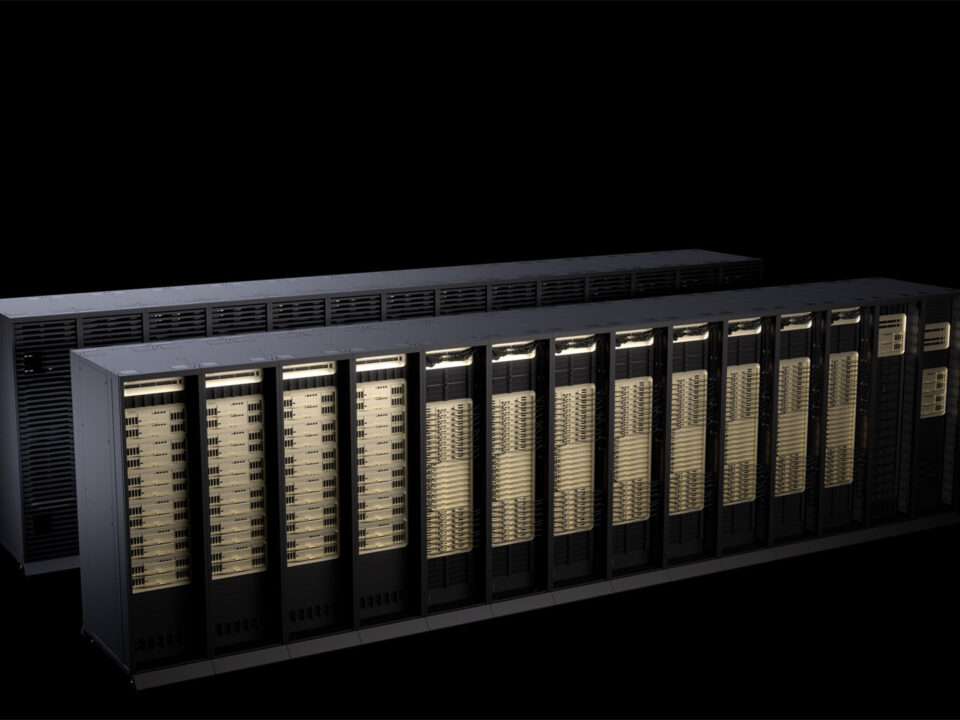
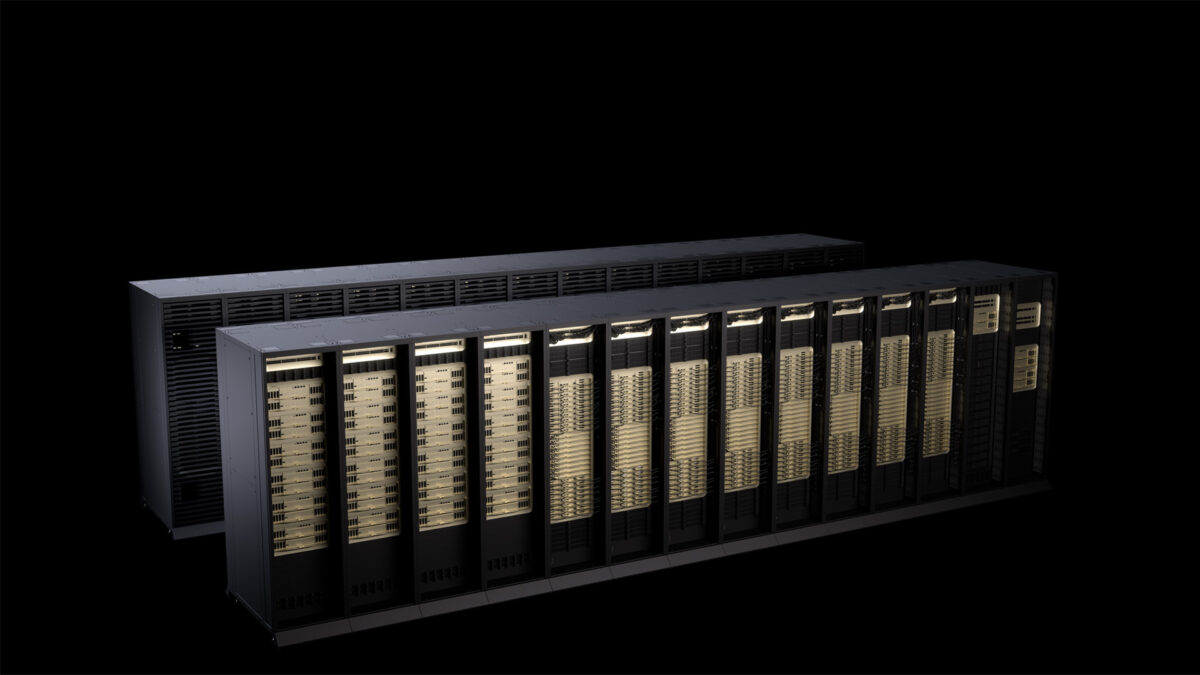
But Feynman isn’t just a GPU. It pairs with the Vera CPU (custom ARM-based “Olympus” cores) and HBM4/HBM5 memory, creating a tightly integrated ecosystem where CPU, GPU, and memory work as one unified system.
3 Reasons Music Producers Should Care
1. Real-Time AI Audio Processing Becomes Viable
Feynman’s design philosophy centers on “Inference Sovereignty” — optimizing for inference (running AI models) rather than training them. For music producers, this means AI-powered stem separation, real-time noise reduction, and AI mastering could run inside your DAW with zero latency. For context, the current RTX 5090 already generates Stable Diffusion XL images in 1.8 seconds and renders Blender scenes 75% faster than the RTX 4090. Feynman pushes this even further.
2. Power Efficiency — A Game Changer for Home Studios
A 15–20% power reduction isn’t just about your electricity bill. Less power means less heat, which means quieter fans — and in a recording environment, that matters more than any benchmark number. The RTX 5090 demands 575W TDP. Feynman-generation cards should deliver equivalent or better performance at significantly lower thermal and acoustic footprints.
![[Placeholder] NVIDIA Feynman GPU Architecture](https://res.cloudinary.com/dvbcyctrb/image/upload/v1773218027/blog/references/tadfoc8vlt7zf1x7pihb.jpg)
3. Groq LPU Integration — Deterministic Inference
NVIDIA has licensed Groq’s LPU (Language Processing Unit) technology and integrated it into their inference engineering team. The LPU’s deterministic logic guarantees consistent latency — no random slowdowns. Imagine using AI effects during a live performance or real-time AI audio processing during a stream. With deterministic inference, the “occasional lag” problem disappears.
What to Watch at GTC 2026
- Feynman architecture official specs — possibly a live demo of the 1.6nm chip
- Rubin AI chip lineup updates — next-gen data center GPUs
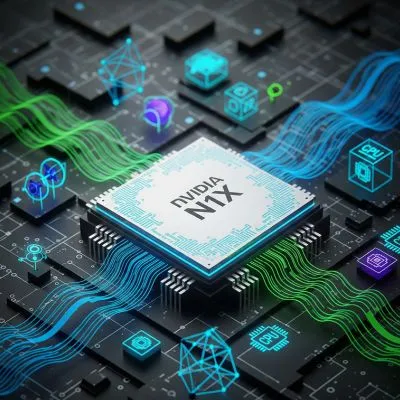
- PC CPU chip — NVIDIA’s entry into the PC processor market
- Physical AI and digital twin software — Omniverse ecosystem expansion
Timeline: When Can You Actually Use This?
Feynman mass production is expected to begin in late 2026, with consumer products arriving in 2028–2029. The RTX 5090 remains the best option right now, but if you’re planning your next upgrade cycle, Feynman is worth waiting for.
The GTC 2026 keynote takes place on March 17 (local time). You can register for free virtual attendance at nvidia.com/gtc. As a music producer and AI creator — don’t miss this one.
Get weekly AI, music, and tech trends delivered to your inbox.