iZotope RX 11 De-Hum Deep Dive: How Dynamic Adaptive Mode’s 1024 Notch Filters Changed My Post-Production Workflow
July 7, 2025
Gemini Photo to Video: How Veo 3 Turns Your Still Photos Into 8-Second AI Videos with Sound
July 8, 2025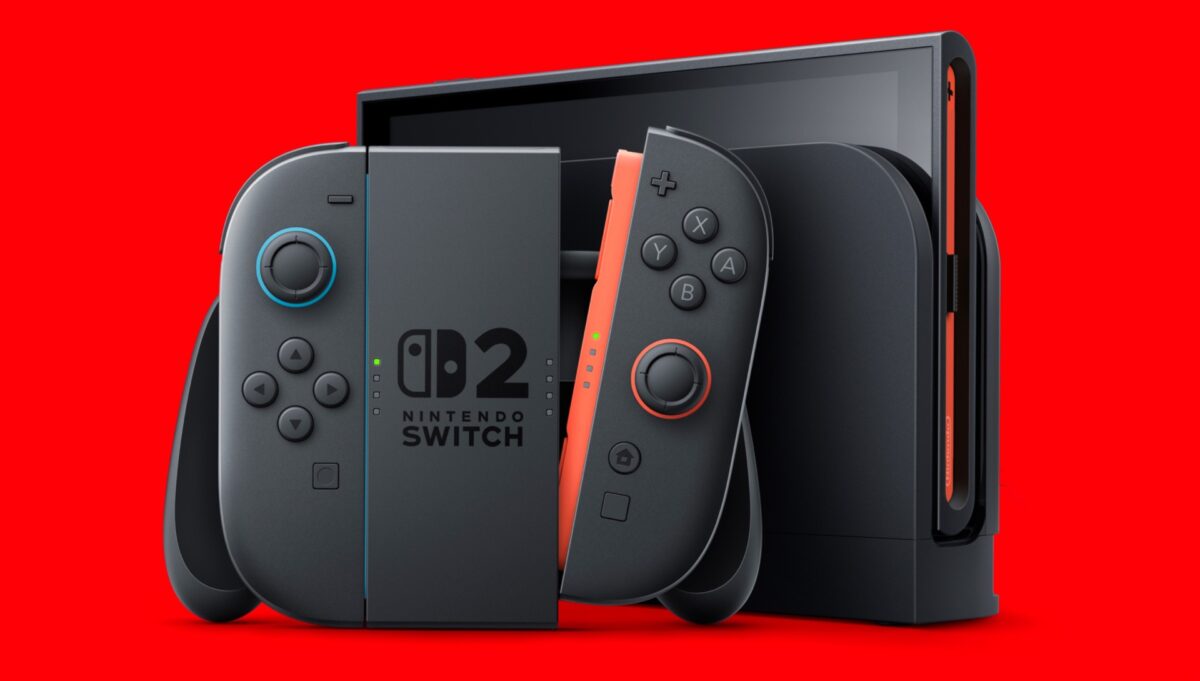
Five million consoles in a single month, and Nintendo is already scrambling to patch them. The Nintendo Switch 2 summer update wave has arrived — firmware 20.2.0 just dropped, Mario Kart World got its fourth patch since launch, and a brand-new party game mode is about to use your Joy-Con 2 as a mouse. Here is everything that happened in the first five weeks of the Switch 2 era.
Nintendo Switch 2 Summer Update: Firmware 20.2.0 Patch Notes
On July 14, 2025, Nintendo rolled out system update 20.2.0 for the Switch 2 — only the second major firmware patch since the console’s June 5 launch. According to Nintendo Life’s full breakdown, the update addresses two critical bugs that had been frustrating early adopters.
First, a Parental Control transfer bug that prevented settings from migrating properly from the original Switch has been squashed. Second, a persistent “Searching for networks” issue — where the console would hang indefinitely on the Wi-Fi scan screen — is now resolved. These may sound minor, but for parents who bought the Switch 2 as an upgrade and couldn’t transfer their existing restrictions, it was a dealbreaker.
There is a catch, though. Multiple users have reported that the update resets their HDR calibration settings. If you spent time fine-tuning your display output — adjusting peak brightness, black levels, and color temperature to match your specific TV — you will need to redo it after installing 20.2.0. Nintendo has not officially acknowledged this side effect yet, which is frustrating given how much emphasis the company placed on HDR support during the Switch 2 reveal event.
The HDR calibration issue aside, the firmware update is a net positive. The Parental Control fix alone removes a significant barrier for families upgrading from the original Switch. And the network scan fix addresses what was arguably the most common complaint on Nintendo’s support forums during the first four weeks of the console’s life.
25+ Backwards Compatibility Fixes — The Big List
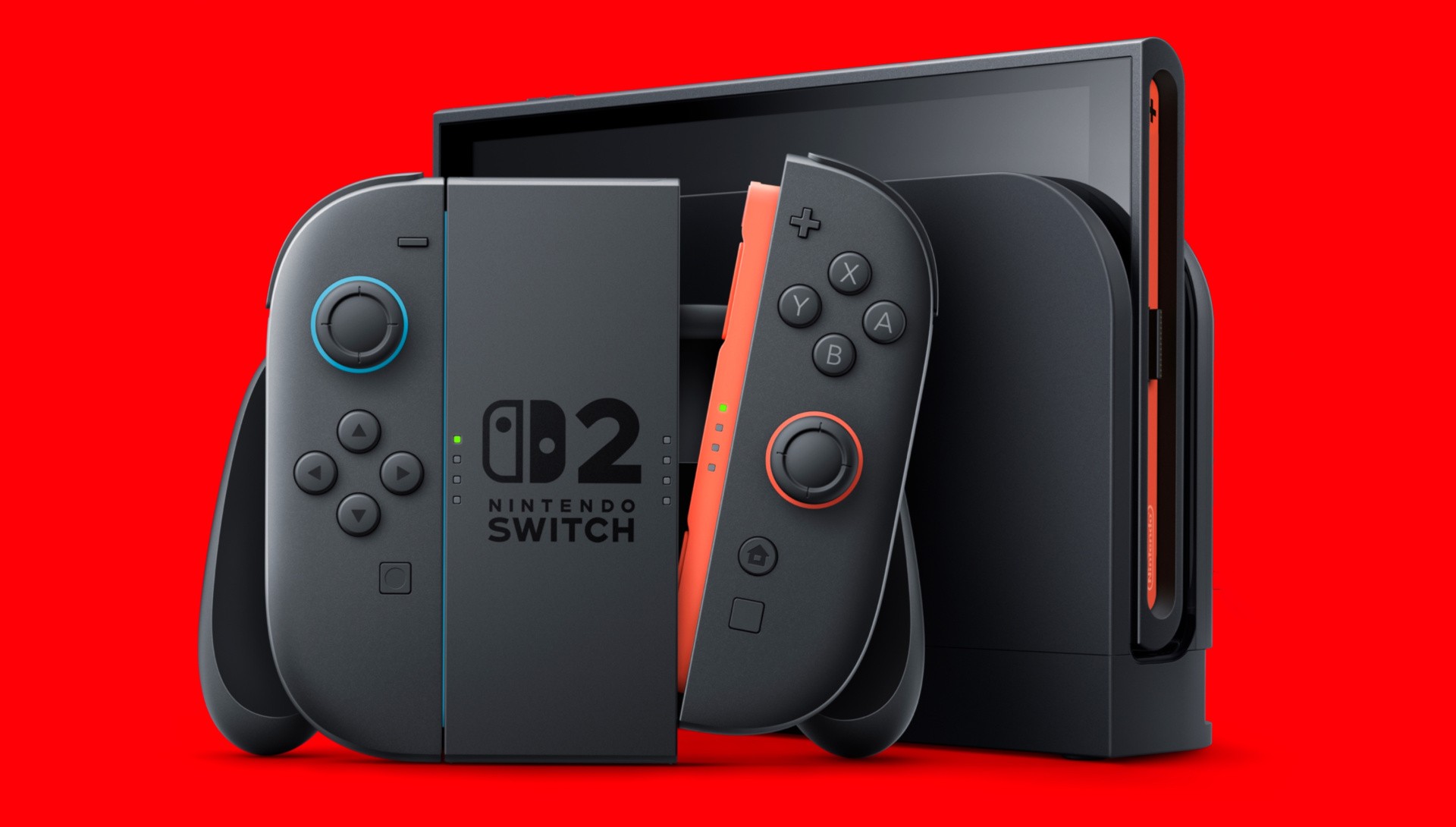
This is where the Nintendo Switch 2 summer update gets genuinely impressive. Since launch day, Nintendo has quietly been patching backwards compatibility issues with original Switch titles, and the tally has now crossed 25 games. Nintendo Everything compiled the full list, and some of the fixes are significant.
Games Now Working Properly on Switch 2
The fixed titles span genres and publishers. Portal 2 — one of the most high-profile backwards compatibility failures at launch — now runs without the audio desync and crash issues that plagued it in week one. Other notable fixes include:
- Portal 2 — Audio sync and crash fixes
- Harvestella — Performance improvements eliminating frame drops
- Sakuna: Of Rice and Ruin — Graphical glitches resolved
- Endless Ocean Luminous — Stability improvements
- Sky: Children of the Light — Online connectivity fixes
- Crypt of the NecroDancer — Input timing corrections
- Gunbird 2 — Display scaling fixed
- Dragon’s Lair Trilogy — FMV playback corrected
- Northgard — Save file compatibility restored
- SEGA Ages titles — Multiple emulation improvements
Games Still Having Issues
Not everything is fixed yet. Batman: Arkham Knight, Darkstar One, and Welcome to Empyreum are still listed as having known compatibility issues. If you own these titles, you may want to hold off on playing them through backwards compatibility until Nintendo pushes additional patches.
The pace of fixes is encouraging. Twenty-five games patched in five weeks suggests Nintendo has a dedicated team working through the backwards compatibility library systematically. With over 4,000 original Switch titles in the wild, there is a long road ahead — but the trajectory is promising.
What makes these fixes particularly noteworthy is the diversity of issues being addressed. Audio desync, graphical glitches, save file incompatibility, input timing errors, online connectivity failures — these are fundamentally different types of bugs that require different engineering approaches. The fact that Nintendo is tackling all of them simultaneously suggests a well-resourced backwards compatibility team with specialists in multiple areas of emulation and hardware abstraction.
Mario Kart World v1.2.0: AI Gets a Nerf
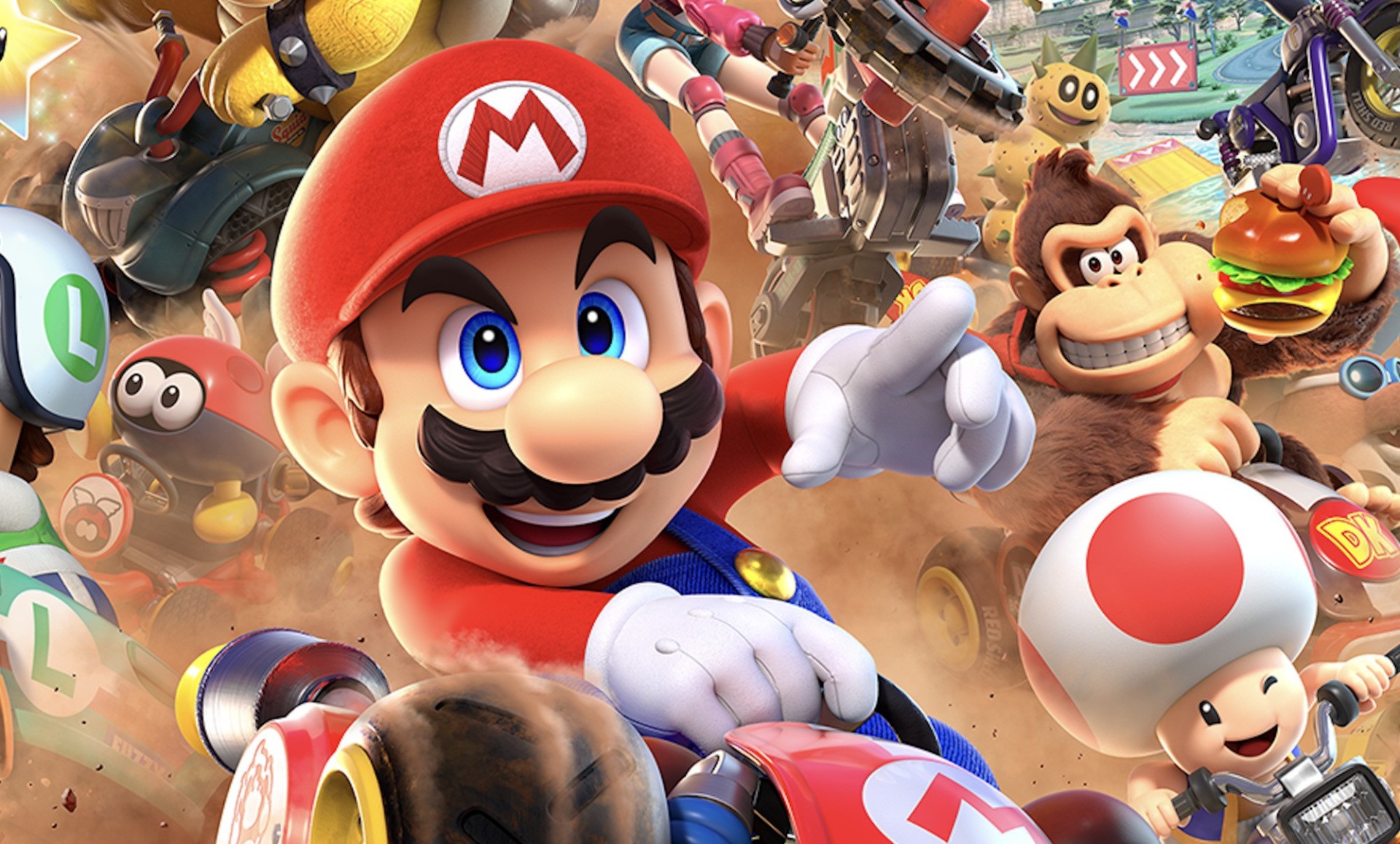
Mario Kart World continues to dominate. The game that shipped 14 million copies alongside the Switch 2 launch is still sitting at #1 on the eShop charts as of July 6, 2025, according to Nintendo Everything’s chart tracking. And it just got its fourth update.
Version 1.2.0 brings two significant gameplay changes. First, lap-type courses now appear more frequently in rotation — a direct response to community feedback that the track selection felt too randomized. Second, and more notably, AI opponents have been weakened outside of Battle mode.
That second change is a big deal. Since launch, casual players have complained that the AI difficulty curve was too steep, particularly in the 150cc and Mirror classes. Mario Kart has always been a party game at heart, and when your eight-year-old is getting blue-shelled into oblivion by CPU racers, something is off. The v1.2.0 nerf should make the single-player and local multiplayer experience significantly more accessible without touching the competitive online balance.
The lap-type course frequency increase is also worth discussing. Mario Kart World introduced a new course generation system that dynamically selects tracks, and early feedback indicated that the variety felt uneven — players were seeing point-to-point courses far too often relative to traditional lap circuits. This patch rebalances that distribution, which should give races a more familiar Mario Kart rhythm while still preserving the new course types that make World feel fresh.
Super Mario Party Jamboree TV: The Joy-Con 2 Showcase
Mark your calendars for July 24, 2025. That is when Super Mario Party Jamboree launches its Switch 2 Edition, and the headline feature — Jamboree TV — might be the most creative use of the new hardware yet.
Jamboree TV is a brand-new mode built exclusively for the Switch 2, featuring 20 new minigames that are impossible on the original hardware. According to Nintendo’s download listing, the mode leverages four Switch 2-exclusive features:
- Joy-Con 2 mouse controls — Point-and-click style minigames using the improved IR sensor
- HD Rumble 2 — Enhanced haptic feedback for tactile puzzle games
- Built-in microphone — Voice-controlled challenges (no more external peripherals)
- USB-C camera support — Augmented reality minigames using an external camera
This is Nintendo doing what Nintendo does best — finding playful, unexpected uses for new technology. The original Mario Party Jamboree on Switch was already a solid party game, but the Switch 2 Edition transforms it into a genuine hardware showcase. Twenty new minigames built around features that did not exist six weeks ago is an aggressive content push.
The USB-C camera support is particularly intriguing. Nintendo has experimented with camera-based gaming before — the 3DS AR cards come to mind — but this is the first time they have brought augmented reality to a home console context with Mario Party. If the minigames land well, expect other developers to explore the Switch 2’s camera capabilities in their own titles. It could become this generation’s equivalent of the Wii Remote — a hardware gimmick that turns into a genuine platform differentiator.
The Bigger Picture: Switch 2’s Record-Breaking Launch
All of these updates and releases land against the backdrop of the most successful hardware launch in gaming history. Nintendo’s official numbers confirm that the Switch 2 sold 3.5 million units in its first four days after the June 5, 2025 launch. By the end of June, that number climbed to over 5.8 million units worldwide.
For context, the original Switch sold 2.74 million in its first month back in 2017. The PS5 managed about 3.4 million in its first four weeks. The Switch 2 nearly doubled both benchmarks. Mario Kart World, the flagship launch title, has moved over 14 million copies — meaning more than two copies sold for every three consoles. That attach rate is extraordinary and speaks to how effectively Nintendo positioned a single must-have title as the reason to buy the hardware at launch.
The sales velocity also gives Nintendo significant leverage with third-party developers. A 5.8 million unit install base after just one month means publishers can justify Switch 2-exclusive features and ports much earlier than they could for previous console launches. That translates directly into a healthier software library, which in turn drives more hardware sales — the virtuous cycle every platform holder dreams of.
What is particularly telling about the Switch 2 summer update cadence is how quickly Nintendo is iterating. Four Mario Kart World patches in five weeks. A major firmware update within six weeks of launch. Over 25 backwards compatibility fixes. This is not a company resting on its launch sales numbers — this is a platform holder actively listening to its install base and responding fast.
What to Expect Next
July 2025 has been packed, but the rest of the summer looks equally busy. The backwards compatibility fix list will continue to grow — Nintendo has not given an official timeline, but the current pace of five-plus fixes per week suggests most major titles will be addressed by the end of August. Mario Kart World will almost certainly see more balance patches as the competitive scene develops. And Super Mario Party Jamboree TV’s launch on July 24 will be the first real test of whether Switch 2-exclusive features can drive software sales beyond launch window hype.
For the 5.8 million people who already own a Switch 2, this has been a reassuring first month. The hardware sold fast, the software is selling faster, and Nintendo is fixing problems before they become permanent complaints. If this pace holds through the holiday season, the Switch 2 will not just be the fastest-selling console launch — it will set the template for how to support a new platform in its critical first year.
Get weekly AI, music, and tech trends delivered to your inbox.