Apple Intelligence in iOS 26: ChatGPT-Powered Image Playground, Live Translation, and 20+ AI Features That Actually Shipped
September 4, 2025
AirPods Pro 3 Launch: Hearing Aid Features, Heart Rate Sensing, and 2x Better ANC for $249
September 4, 2025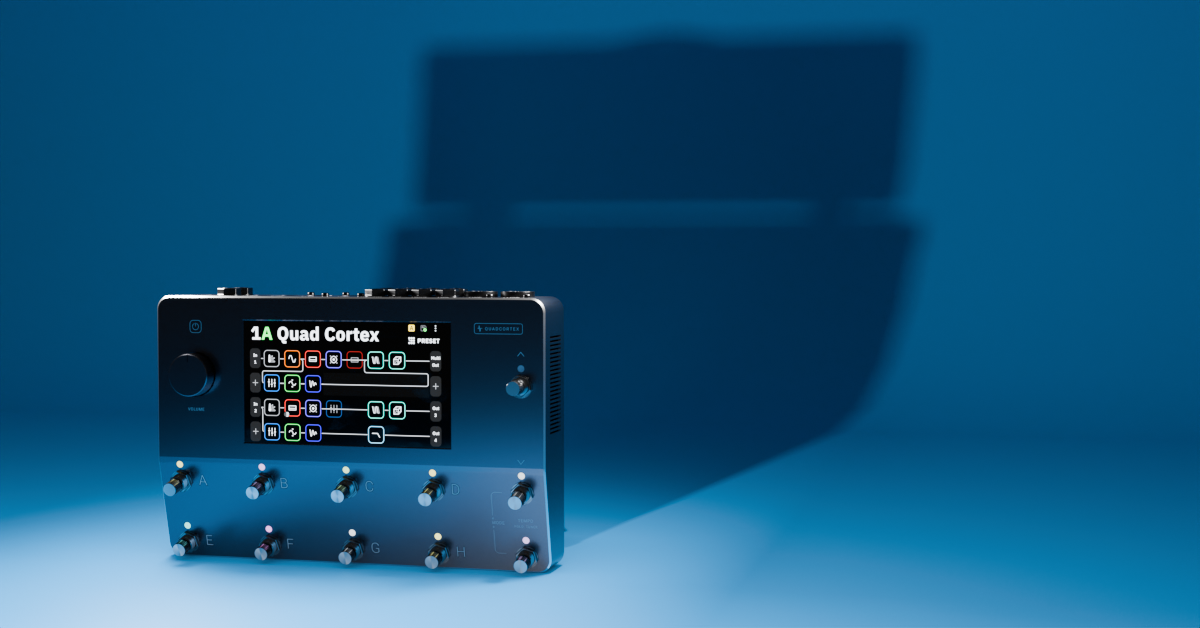
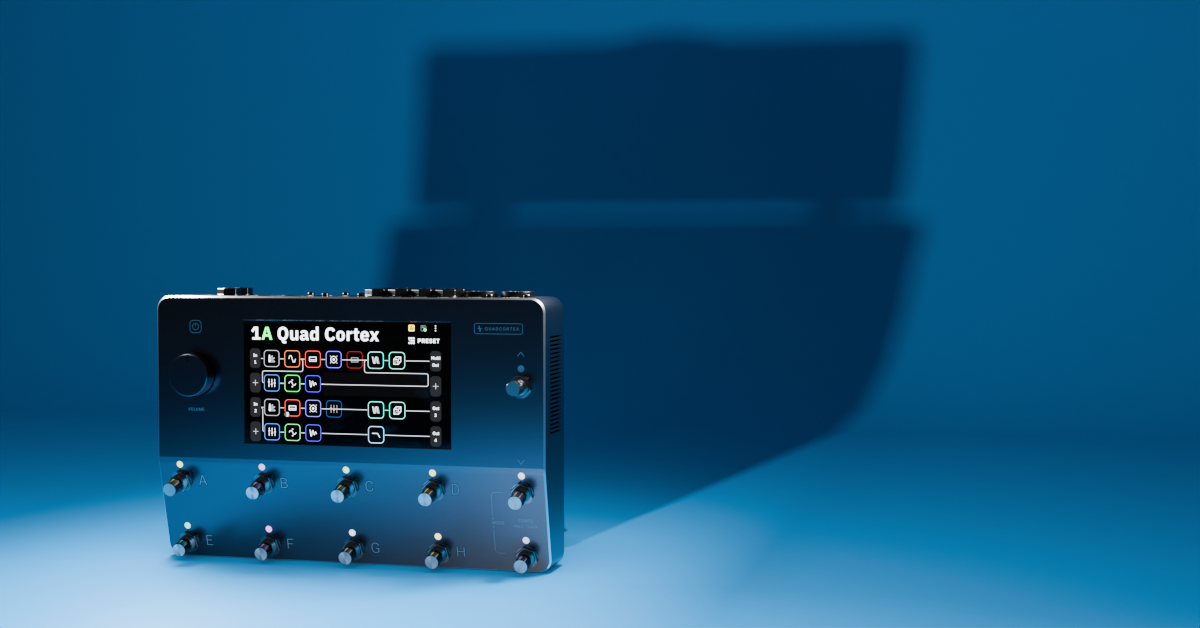
Three plugin ports, a live tuner that should have existed from day one, and a hardware-level codec swap that cuts power consumption in half — Neural DSP Quad Cortex CorOS 3.2 dropped on August 7, 2025, and it might be the most consequential update since the unit launched. Let’s break down what actually changed and why it matters for your rig.
Neural DSP Quad Cortex CorOS 3.2 — What’s in the Box
CorOS 3.2.0 (alongside Cortex Control 1.3.0) is not a minor maintenance patch. This release packs three headline plugin ports, a suite of workflow tools that gigging musicians have been requesting for years, and a behind-the-scenes hardware transition that signals where Neural DSP is heading with the Quad Cortex platform long-term. According to Neural DSP’s official changelog, the update also includes critical bug fixes for the Downloads Queue crash and the Fortin Nameless oscillation issue that plagued earlier firmware versions.
” alt=”Neural DSP Quad Cortex CorOS 3.2 floorboard with touchscreen display”/>
1. Three New Plugin Ports: Cory Wong X, Nolly X, and Parallax X
The centerpiece of CorOS 3.2 is the arrival of three desktop plugin suites on the Quad Cortex hardware. If you’ve been running these as VST/AU plugins in your DAW, you can now load them directly onto the floorboard — same models, same signal chains, no laptop required.
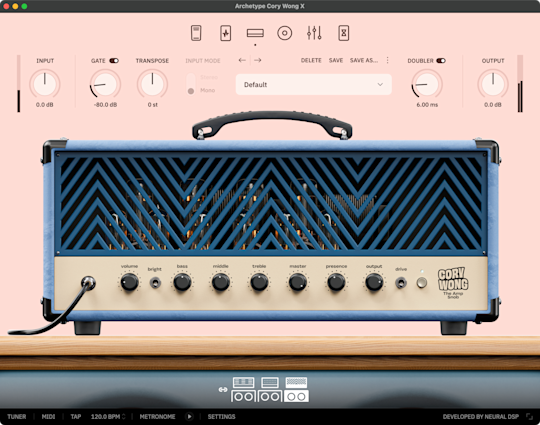
Archetype: Cory Wong X
Cory Wong — the funk guitarist behind Vulfpeck’s tightest grooves — collaborated with Neural DSP on what might be the most comprehensive clean-tone suite available on any modeler. According to Neural DSP, the Archetype Cory Wong X package includes the “Clean Machine” amp (built from the ground up for pristine cleans), the “Amp Snob” for edge-of-breakup tones, a staggering 324 impulse responses (6 virtual mic positions across 108 IRs per cabinet), and 133 artist-designed presets.
Two effects stand out: the 4th Position Compressor, designed to replicate the feel of a studio-grade optical compressor under your fingers, and the Postal Service envelope filter, which gives you that auto-wah quack without needing a separate expression pedal block. The plugin also supports MIDI expression pedal mapping, which translates directly to the Quad Cortex’s expression pedal inputs.
Archetype: Nolly X
Adam “Nolly” Getgood — the bassist and producer behind Periphery’s crushing modern metal sound — brings his custom-modded amp collection to the Quad Cortex. Where the Cory Wong X suite is all about pristine cleans and funky dynamics, Nolly X is a high-gain monster. Neural DSP claims 100% accuracy in capturing Nolly’s personal amp modifications, and if you’ve heard any Periphery record from the last decade, you know exactly what that sounds like: tight low-end, surgical mids, and harmonics that sing instead of fizz.
Parallax X
Bass players haven’t been forgotten. Parallax X is Neural DSP’s dedicated bass amp modeling suite, and its arrival on the Quad Cortex means bassists no longer need to rely on guitar-centric amp models or external IRs to get professional-grade bass tones from the unit. For session players and touring musicians who switch between guitar and bass rigs, this is a significant workflow improvement.
2. Live Tuner in Gig View — Finally
This one has been near the top of every Quad Cortex forum wishlist since launch. CorOS 3.2 introduces a Live Tuner directly accessible from Gig View — the performance-optimized interface you actually use on stage. No more navigating out of your preset to tune between songs. It’s the kind of feature that seems trivially obvious in retrospect, but anyone who has fumbled through menus on a dark stage mid-set knows exactly how much this matters.
The tuner is accurate, responsive, and visible from a standing position. For a $1,849 floorboard competing against units like the Kemper Profiler and Line 6 Helix — both of which have had dedicated tuner modes since day one — this was overdue. But it’s here now, and it works.
3. Metronome and Looper X Pre-Roll: Practice and Performance Tools
Neural DSP clearly listened to the “I use my Quad Cortex for everything” crowd with this update. A built-in metronome, accessible via the Tempo Menu, means you can practice with a click track without needing a separate app or device. It’s routed through the headphone output, so it won’t bleed into your front-of-house mix during live use.
The Looper X Pre-Roll feature adds count-in functionality (configurable from 1 to 32 bars) with metronome sync. This is genuinely useful for solo performers and content creators who need a consistent starting point for layered loops. Set your count-in, hit record, and the looper starts capturing right on beat one — no more chopping off the first note of your phrase because you weren’t quite ready.
4. The ESS Codec Transition: 50% Less Power, Same Audio Quality
This is the change that flew under most guitarists’ radar but has significant long-term implications. Starting with manufacturing units from August 2025, Neural DSP is transitioning from the original Cirrus Logic audio codec to an ESS Technology codec. The reason? The original Cirrus component has been discontinued — a supply chain reality that forced Neural DSP’s hand.
According to Neural DSP’s Development Update #56, the ESS codec delivers up to 50% reduction in power consumption with no compromise in audio quality. The company explicitly confirmed identical audio performance between old and new units. Additional improvements include better phantom 48V isolation (good news for condenser mic users running through the Quad Cortex) and automatic TS/XLR input detection — which means the physical TYPE switches on Inputs 1 and 2 are no longer present on newer manufacturing units.
For existing Quad Cortex owners: nothing changes on your unit. CorOS 3.2 detects which codec your hardware uses and configures itself accordingly. For prospective buyers: the ESS-equipped units will run cooler and draw less power, which is a tangible benefit for pedalboard builds where thermal management and power supply headroom matter.
” alt=”Neural DSP Quad Cortex CorOS 3.2 update interface showing new features”/>
5. Workflow Improvements: Sidechain Follow, LED Brightness, Scene Navigation
Beyond the headline features, CorOS 3.2 packs several quality-of-life improvements that add up to a noticeably smoother experience:
- Sidechain Follow Input — Automatically detects which input is active and routes accordingly. Useful for players who switch between instruments without wanting to manually reassign input blocks.
- Adjustable LED Brightness — Customize LED intensity across all modes. Finally, no more blinding footswitch LEDs on dimly lit stages or barely visible indicators in daylight.
- Scene Editor Navigation Arrows — Previous/Next arrows in the Scene Editor for faster preset building. Small change, big time savings when you’re deep in a complex preset with 8+ scenes.
- Multi-Selection in Downloads — Select and manage multiple items in your Downloads folders simultaneously. The download queue is now capped at 200 items to prevent the crash bug that plagued earlier versions.
- Settings Menu Reorganization — A cleaner, more logical settings layout. Not glamorous, but you’ll appreciate it the next time you’re hunting for a specific option.
Who’s Using the Quad Cortex Now?
The Quad Cortex’s artist roster reads like a who’s-who of modern guitar. Beyond Cory Wong and Nolly, the platform is used by John Mayer, Jim Root (Slipknot), Mark Tremonti (Alter Bridge), Kiko Loureiro, and members of Sleep Token, Disturbed, and Tesseract. Guitar World’s 5-star review called it “the modeler to beat,” and MusicRadar echoed the sentiment, suggesting it might be “the only modeler you’ll ever need.”
That kind of endorsement carries weight. When artists at the level of John Mayer — someone who can afford literally any rig on earth — choose to incorporate a digital modeler into their setup, it signals that the technology has crossed a threshold. CorOS 3.2 reinforces that position by filling in gaps (live tuner, metronome) that previously gave competitors like the Kemper and Helix an edge in specific use cases.
Notable Bug Fixes
No firmware update story is complete without mentioning what got fixed. CorOS 3.2 addresses several issues that had been frustrating users:
- Downloads Queue crash — Previously, exceeding a certain queue size could crash the unit. Now capped at 200 items with graceful handling.
- Fortin Nameless oscillation — A bug causing unwanted oscillation in the Fortin Nameless amp model has been resolved.
- Splitter Crossover mode — Fixed incorrect behavior in crossover frequency splitting.
- Momentary footswitch state — Corrected an issue where momentary switches wouldn’t return to their default state properly.
The Bottom Line: CorOS 3.2 Is a Maturity Update
CorOS 3.2 isn’t about flashy new modeling algorithms or a radical UI overhaul. It’s about the Quad Cortex growing up. The live tuner and metronome fill genuine holes in the platform’s feature set. The three plugin ports expand the tonal palette significantly — especially for clean-focused players (Cory Wong X) and metal guitarists (Nolly X). And the ESS codec transition shows Neural DSP thinking ahead about supply chain resilience and hardware efficiency.
If you already own a Quad Cortex, updating is a no-brainer. If you’ve been on the fence, CorOS 3.2 makes the argument harder to resist — particularly now that the live tuner gap has been closed and the plugin library continues to grow with each major release. The Quad Cortex isn’t just competing with other modelers anymore. With updates like this, it’s making a case for replacing your entire pedalboard, amp, and studio rig in one compact floorboard.
Looking for professional mixing, mastering, or studio workflow consulting? Sean Kim at Greit Studios brings 28+ years of audio engineering experience to every project.
Get weekly AI, music, and tech trends delivered to your inbox.