CES 2026: NVIDIA Jensen Huang Keynote — What to Expect from Next-Gen AI Hardware
January 2, 2026
NVIDIA CES 2026 Keynote Preview — 7 AI Breakthroughs Jensen Huang Is Expected to Unveil
January 2, 2026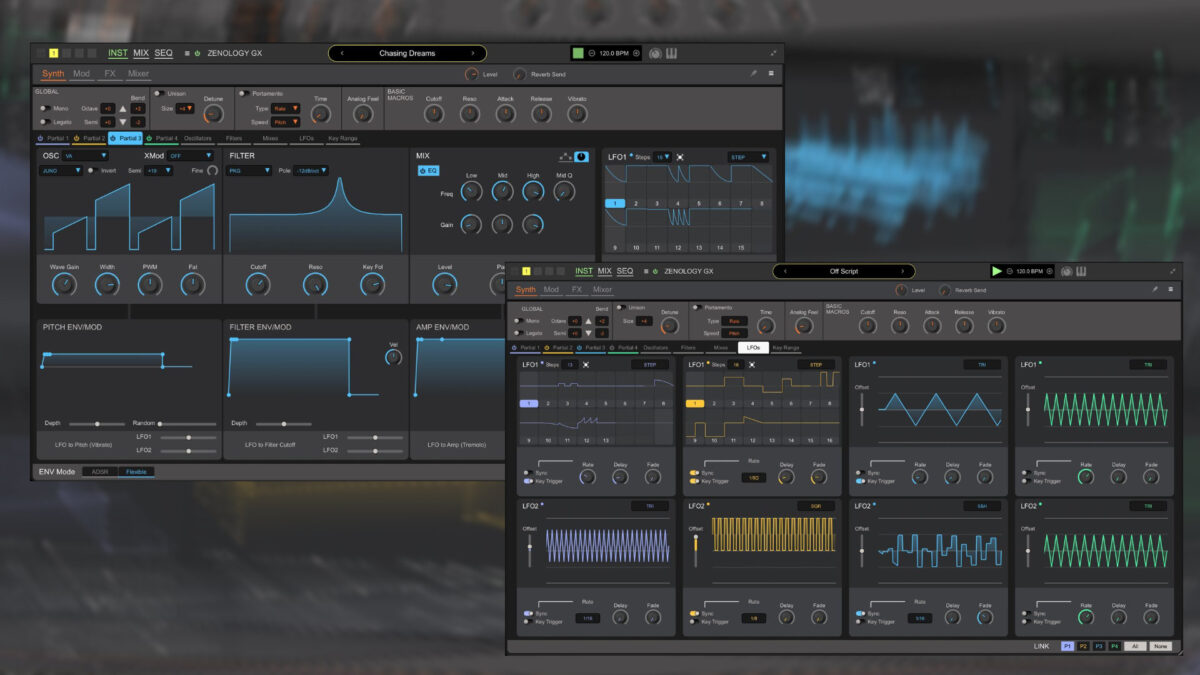
Over 11,000 tones in a single plugin. A 4-oscillator upgrade for hardware that’s been out for years. A rhythm machine carrying the TR legacy into 2026. The Roland NAMM 2026 synth lineup is shaping up to be one of their most significant product cycles in recent memory — and the show hasn’t even started yet. With NAMM 2026 kicking off January 20th, Roland has already confirmed enough products and updates to make this preview worth your attention. After 28 years of working with Roland gear in professional studios, I can tell you this lineup signals something bigger than just new SKUs: it’s the moment ZEN-Core finally ties hardware and software into a single, seamless ecosystem.
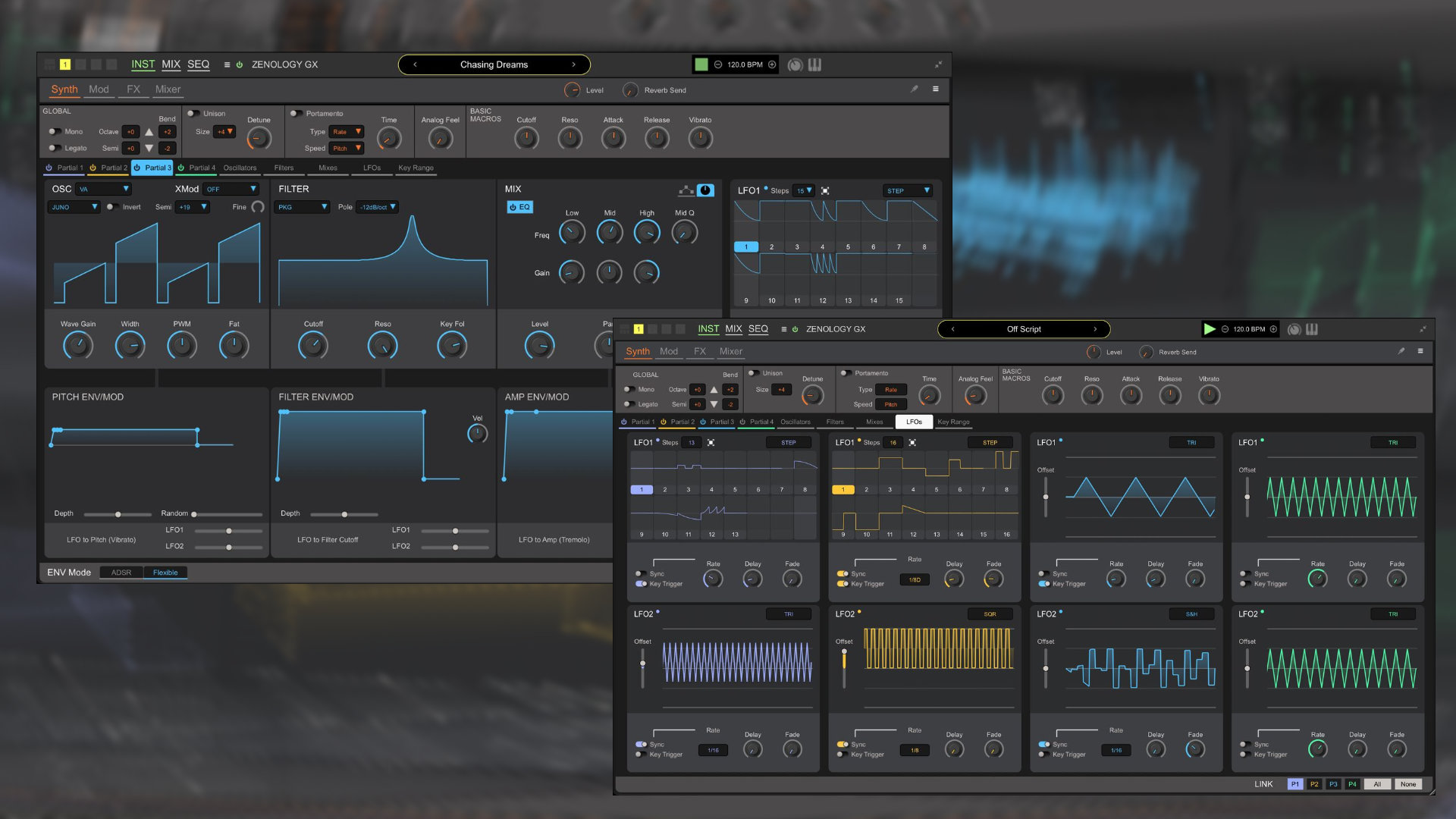
ZENOLOGY GX — The Centerpiece of Roland’s NAMM 2026 Synth Strategy
Launched in November 2025, ZENOLOGY GX is Roland Cloud’s new flagship synthesizer plugin, replacing ZENOLOGY Pro. This isn’t a minor update — it’s a ground-up rebuild of Roland’s software synth offering. The plugin runs four partials simultaneously, ships with over 11,000 tones, and includes filter models that go well beyond Roland’s own catalog. You’ll find Jupiter-style filters alongside Moog ladder filters and Sequential Prophet filter emulations, all running within the ZEN-Core engine.
The performance numbers are what caught my attention first. Thanks to Galaxias 1.8 integration, ZENOLOGY GX delivers a 90% improvement in CPU performance and a 40% reduction in RAM usage compared to its predecessor. If you’ve ever hit a wall running multiple synth instances in a dense production, those numbers matter. Add in over 90 built-in effects, and you’ve got a plugin that can handle complex sound design without needing a chain of external effects processors eating up additional CPU cycles.
But perhaps the most exciting pre-NAMM announcement is ZENOLOGY GX for iPad. This marks the first time Roland has brought a flagship instrument to the iPad platform. At launch, all features will be unlocked for free — a smart move to build adoption — before transitioning to a Roland Cloud membership model. For mobile producers, this means full ZEN-Core synthesis power on a tablet, which pairs perfectly with the new hardware we’ll discuss shortly.
What makes ZENOLOGY GX particularly compelling for studio professionals is the tone compatibility layer. The 11,000+ tones aren’t just presets — they’re patches that can be shared across every ZEN-Core device in Roland’s ecosystem. A tone you craft in ZENOLOGY GX on your desktop DAW loads identically on a Jupiter-X hardware synth or on an iPad. This cross-platform tone portability has been Roland’s long-term promise with ZEN-Core, and ZENOLOGY GX is where that promise finally becomes practical for everyday workflows.
Jupiter-X/Xm v3.0 Firmware — 4 Oscillators, Supersaw, and Cross-Brand Filters
If you own a Jupiter-X or Jupiter-Xm, the v3.0 firmware update is essentially a free upgrade to a new instrument. The new JupiterX model engine expands the oscillator count to four and introduces seven new waveforms, including the highly requested Supersaw and Alpha Juno waveforms. For anyone making modern electronic music, the Supersaw alone is worth the firmware update.
The filter section has been completely reworked. Beyond the classic Jupiter filter, Roland has added Moog-style ladder filters and Sequential-style filters to the hardware. This means a single Jupiter-X can now convincingly cover sonic territory that used to require multiple synthesizers from different manufacturers. Scene storage has been expanded to 512 slots, and the UI has been refined for better live performance workflows.
What makes this update particularly noteworthy is what it says about Roland’s approach to product longevity. The Jupiter-X series has been on the market for several years now, yet Roland continues to add substantial new capabilities through firmware alone. The ZEN-Core architecture makes this possible — because the sound engine is fundamentally software-based, firmware updates can deliver features that would traditionally require new hardware. It’s a compelling argument for investing in ZEN-Core instruments.
AIRA Compact Ecosystem — Community-Driven Growth
Roland’s AIRA Compact series has carved out a unique niche in the portable hardware synth market, and the ecosystem around it continues to mature. A significant development ahead of NAMM 2026 is the release of a free editor plugin for the AIRA Compact S-1 by developer Dennis Shaw, available for both macOS and Windows.
This might seem like a small story compared to flagship product launches, but it’s actually a meaningful indicator. When third-party developers invest time building tools for a hardware platform, it signals a healthy and growing user base. The S-1 editor makes it dramatically easier to access deep parameters that are cumbersome to reach through the device’s compact interface. For AIRA Compact owners, this bridges the gap between the portability of the hardware and the editing convenience of software — and it’s exactly the kind of community growth that sustains a product line long-term.
TR-1000 Rhythm Creator and GO:MIXER Studio — New Hardware
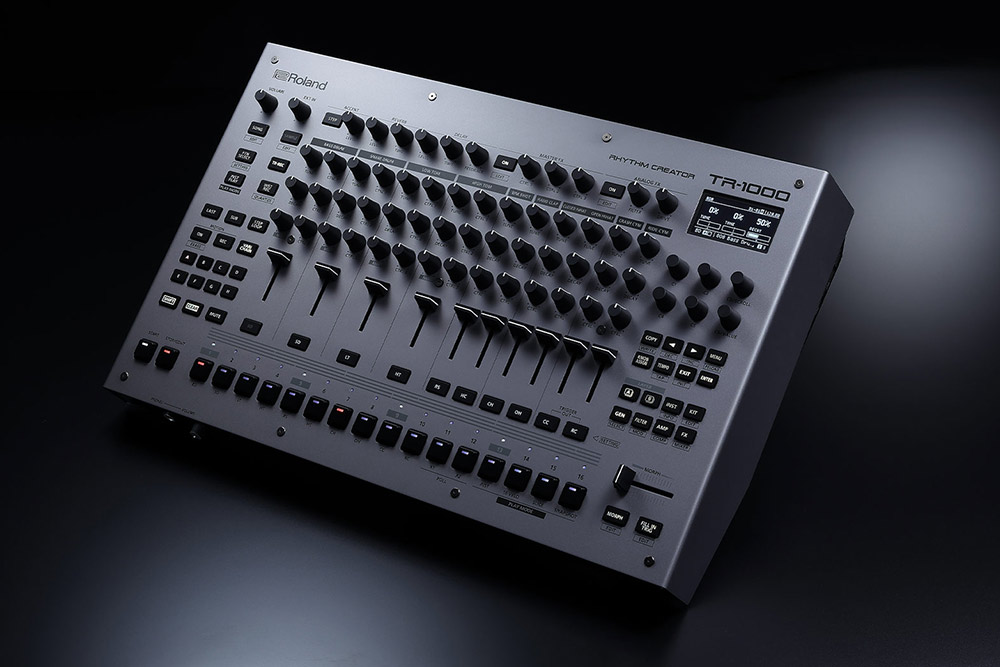
Moving to completely new products, Roland’s official NAMM 2026 event page confirms the TR-1000 Rhythm Creator. As the latest entry in Roland’s legendary TR series — the lineage that gave us the TR-808 and TR-909 — the TR-1000 carries significant expectations. Details are still emerging, but the naming convention alone suggests Roland is positioning this as a next-generation rhythm production tool rather than a retro recreation.
The GO:MIXER Studio targets the growing mobile content creation market with serious specifications: 12 input channels, 6 outputs, 24-bit/192kHz resolution, 16 scene memories, all at a $299 price point. For podcasters, streamers, and mobile musicians, these specs punch well above the price class. The 192kHz sample rate support is particularly notable at this price — most competitors in the sub-$300 range top out at 96kHz. The 16 scene memories also suggest Roland is thinking about users who need to switch between different routing configurations quickly, such as streamers who toggle between music performance and interview setups.
And here’s where the ecosystem play becomes clear: pair a GO:MIXER Studio with an iPad running ZENOLOGY GX, and you’ve got a professional-grade mobile production rig at a fraction of the cost of traditional setups. Add an AIRA Compact unit for hardware sequencing, and the entire Roland mobile ecosystem clicks together in a way that no other manufacturer currently offers.
Roland Cloud Updates — CR-78 and BOSS Effects Plugins Expected
On the software side, industry rumors point to some exciting additions to Roland Cloud during NAMM week. A CR-78 Software Rhythm Composer is widely expected. The original CR-78, released in 1978, was Roland’s first programmable rhythm machine and became iconic through its use on tracks like Phil Collins’ “In the Air Tonight” and Blondie’s “Heart of Glass.” If Roland applies their ACB (Analog Circuit Behavior) technology to the CR-78 — as they’ve done with the TR-808 and TR-909 plugins — the result could be one of the most accurate vintage rhythm machine emulations available.
There’s also buzz around updates to the BOSS Effects Pedals plugin. The expected additions include the DM-2 Delay, OD-2 Turbo OverDrive, and DC-2 Dimension C — three classic BOSS pedals that are highly sought after in their hardware form. The DC-2 Dimension C, in particular, has become a cult favorite for adding subtle width and movement to synth pads and vocals — original hardware units routinely sell for $400-600 on the used market. Having an accurate software version modeled with Roland’s ACB technology would be valuable not just for guitarists but for producers working in any genre who want that specific analog character without hunting down increasingly rare vintage hardware.
The Bigger Picture — Roland NAMM 2026 Synth Strategy and ZEN-Core Unification
Step back and look at the full Roland NAMM 2026 synth lineup, and a clear strategic vision emerges. ZEN-Core is the connective tissue linking everything: hardware instruments (Jupiter-X, AIRA Compact), desktop plugins (ZENOLOGY GX), mobile apps (ZENOLOGY GX for iPad), and cloud-based content delivery (Roland Cloud). Roland is building a world where a sound created on any ZEN-Core device can be loaded on any other ZEN-Core device, regardless of form factor.
The iPad launch of ZENOLOGY GX is the linchpin. Picture this workflow: design a patch on your Jupiter-X in the studio, recall it on your iPad with ZENOLOGY GX during a commute to refine it, then load the final version into your DAW using the desktop ZENOLOGY GX plugin for mixdown. Add Roland Cloud syncing the entire tone library across devices, and you have a genuinely platform-agnostic synthesis environment. No other manufacturer is executing this kind of cross-platform integration at this scale.
NAMM 2026 runs January 20-24, and there’s likely more to be announced from the show floor. Roland also has the V-Drums 5 Series, Aerophone Brisa, CUBE Street Mini, and GX-1 Guitar Effects Processor listed on their official event page — products we haven’t covered here but that further demonstrate the breadth of their 2026 push.
Between confirmed products like ZENOLOGY GX for iPad and the TR-1000, plus strong rumors around CR-78 and BOSS Effects plugins, Roland is entering this NAMM with serious momentum. For anyone invested in the ZEN-Core ecosystem — or considering joining it — this show could be the tipping point. Whether you’re a hardware player, a plugin producer, or a mobile musician, this lineup has something worth watching. Stay tuned for our post-show coverage with hands-on impressions and the full breakdown of everything Roland reveals at NAMM.
Looking for professional mixing, mastering, or help optimizing your synth-heavy production workflow? Greit Studios has you covered.
Get weekly AI, music, and tech trends delivered to your inbox.