NAMM 2026 Audio Interfaces Under 500 Dollars: 5 Best New Picks for Every Studio
January 8, 2026
OpenAI o3 One Year Later: How the 87.5% ARC-AGI Score Rewrote the Rules of AI Reasoning
January 9, 2026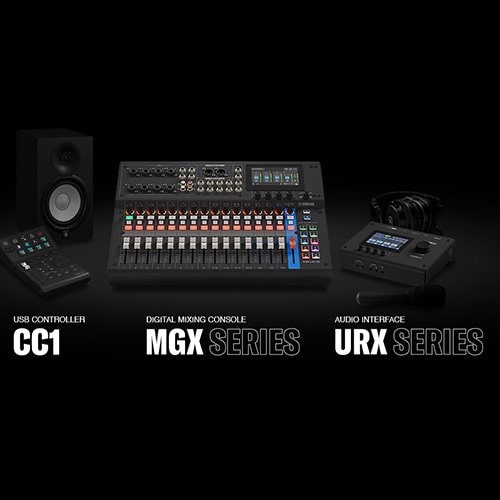
After 28 years of testing virtually every audio interface that hits the market, I don’t get excited easily anymore. But the NAMM 2026 audio interfaces lineup has genuinely caught my attention — we’re looking at 32-bit recording, built-in analog filters, and touch LCD displays, all under $500. That would have been a fantasy spec sheet just two or three years ago, and yet here we are, days away from the NAMM Show (January 20-25) where these products will finally be shown to the world.
I’ve been tracking every announcement, leak, and early spec sheet to put together this comprehensive preview. Whether you’re building your first home studio or looking for a meaningful upgrade, here’s everything you need to know about the most promising NAMM 2026 audio interfaces under $500 — and one premium pick that might reshape your long-term goals.
The Biggest NAMM 2026 Audio Interfaces Trend: Workflow Over Specs
Before diving into individual products, let’s talk about the elephant in the room. The spec war is effectively over. At the $200-$500 price point, virtually every interface now delivers clean, transparent audio that would have been considered professional-grade a decade ago. So where do manufacturers compete?
The answer in 2026 is workflow integration. As Funky Junk’s NAMM 2026 analysis puts it, the industry is “moving beyond raw specifications to streamlined workflows that preserve analog character.” In practical terms, this means interfaces are becoming creative tools rather than simple signal converters — built-in DSP, touchscreens, analog circuits, and bundled software that actually matters.
This is great news for producers and engineers. It means choosing your next interface isn’t just about which one has the highest sample rate — it’s about which one fits the way you actually work. With that context in mind, let’s break down the standout products.
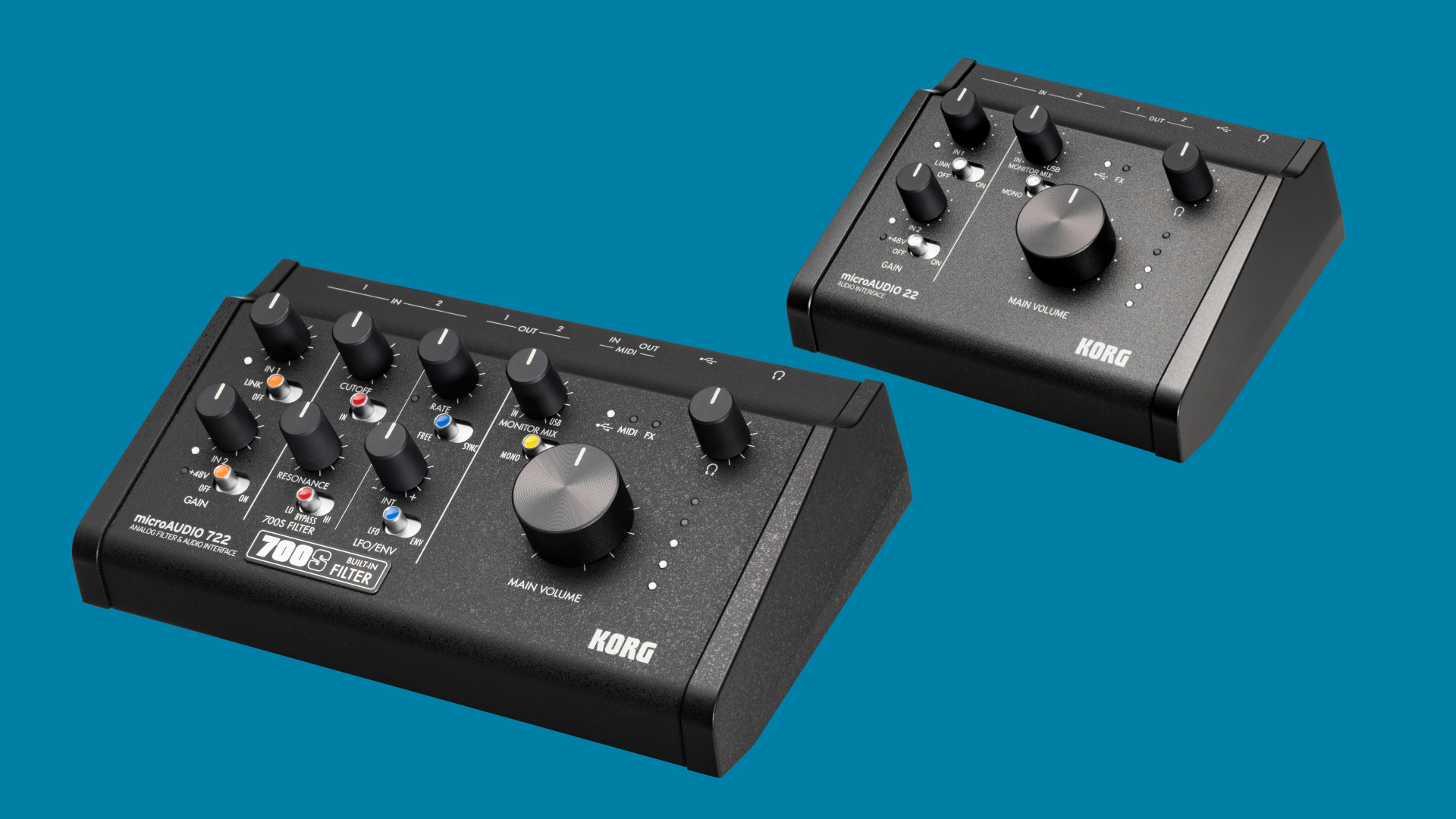
Korg microAudio 22 & 722: When a Synth Company Makes an Interface
Korg entering the audio interface market is one of those moves that seems obvious in hindsight. They’ve built legendary synthesizers for decades — the miniKORG 700S, MS-20, Prologue — and they’ve finally asked the question: what if we put our filter technology inside an audio interface?
microAudio 22 ($199) — The New Entry-Level Benchmark
At $199, the microAudio 22 offers USB-C connectivity, 24-bit/192kHz conversion, and — here’s what separates it from the pack — Korg’s Filter Ark plugin bundled free. Filter Ark includes 14 filter modules based on Korg’s vintage synthesizer circuits, giving you analog-modeled filtering right inside your DAW. For a sub-$200 interface, that’s a remarkable value proposition. Most interfaces at this price come with generic lite versions of DAWs and basic utility plugins. Korg is offering something genuinely unique.
microAudio 722 ($269) — The Real Star of the Show
This is the one that made me sit up. The microAudio 722 doesn’t just bundle filter software — it has an actual hardware analog filter circuit built into the interface itself. Based on the legendary miniKORG 700S filter, this analog circuit processes your audio signal in real time before it even hits your computer.
Think about what that means for a moment. You’re recording vocals and you can apply subtle analog warmth and character at the input stage. You’re tracking a guitar DI and you can shape the tone with a genuine analog filter, complete with LFO modulation and an envelope follower that responds dynamically to your playing. Add MIDI I/O for connecting hardware synths, and you have an interface that’s genuinely unlike anything else at this price point.
The microAudio 722 ships in March 2026 with an expected street price of $269. For electronic producers and synth enthusiasts, this could easily become the default recommendation. Synthanatomy has the full breakdown of both models’ specifications.
Yamaha URX22 ($475): The Premium Budget Contender
Yamaha has been quiet in the prosumer interface space for a while. The UR series served them well, but it was starting to show its age compared to the rapid innovation from competitors. The URX series changes everything.
The URX22 at $475 is the flagship of the under-$500 lineup, and its spec sheet reads like it should cost significantly more:
- 32-bit/192kHz recording — still uncommon at this price. 32-bit integer recording provides massive headroom, virtually eliminating clipping from unexpected level spikes
- Touch LCD display — adjust gain, routing, and DSP effects directly on the interface without touching your computer
- Built-in DSP mixing and effects — zero-latency monitoring with onboard processing, a huge advantage for vocalists who need reverb in their headphones while tracking
- 4-in/2-out configuration — enough for duo recording, stereo miking, or running a mic and a DI simultaneously
- 120dB input dynamic range, 130dB output dynamic range — professional-grade numbers that compete with interfaces at twice the price
The touch LCD is the feature that excites me most. I’ve worked in studios where the interface is tucked away in a rack or behind a monitor, and adjusting settings means alt-tabbing to a control app. With the URX22, you can glance at the unit, tap the screen, and adjust your headphone mix — all without interrupting your creative flow. For live streamers and podcasters, this is even more critical, as you often can’t afford to switch away from your broadcast software.
At $475, the URX22 sits at the top of our budget range, but it’s earning that price with features that genuinely improve daily workflow. Yamaha also announced the URX44 at $605 (6-in/4-out) and the URX44V at $985 (adds HDMI output for video creators), but those push past our $500 ceiling. The Gearspace announcement thread has additional details and early user impressions.
ESI Amber 2|4 Pro: The Dark Horse with Built-In Channel Strip
ESI might not be the first name that comes to mind for most North American producers, but in the European market, they’ve built a solid reputation for delivering surprising quality at aggressive price points. The Amber 2|4 Pro is their bid to break into the mainstream conversation.
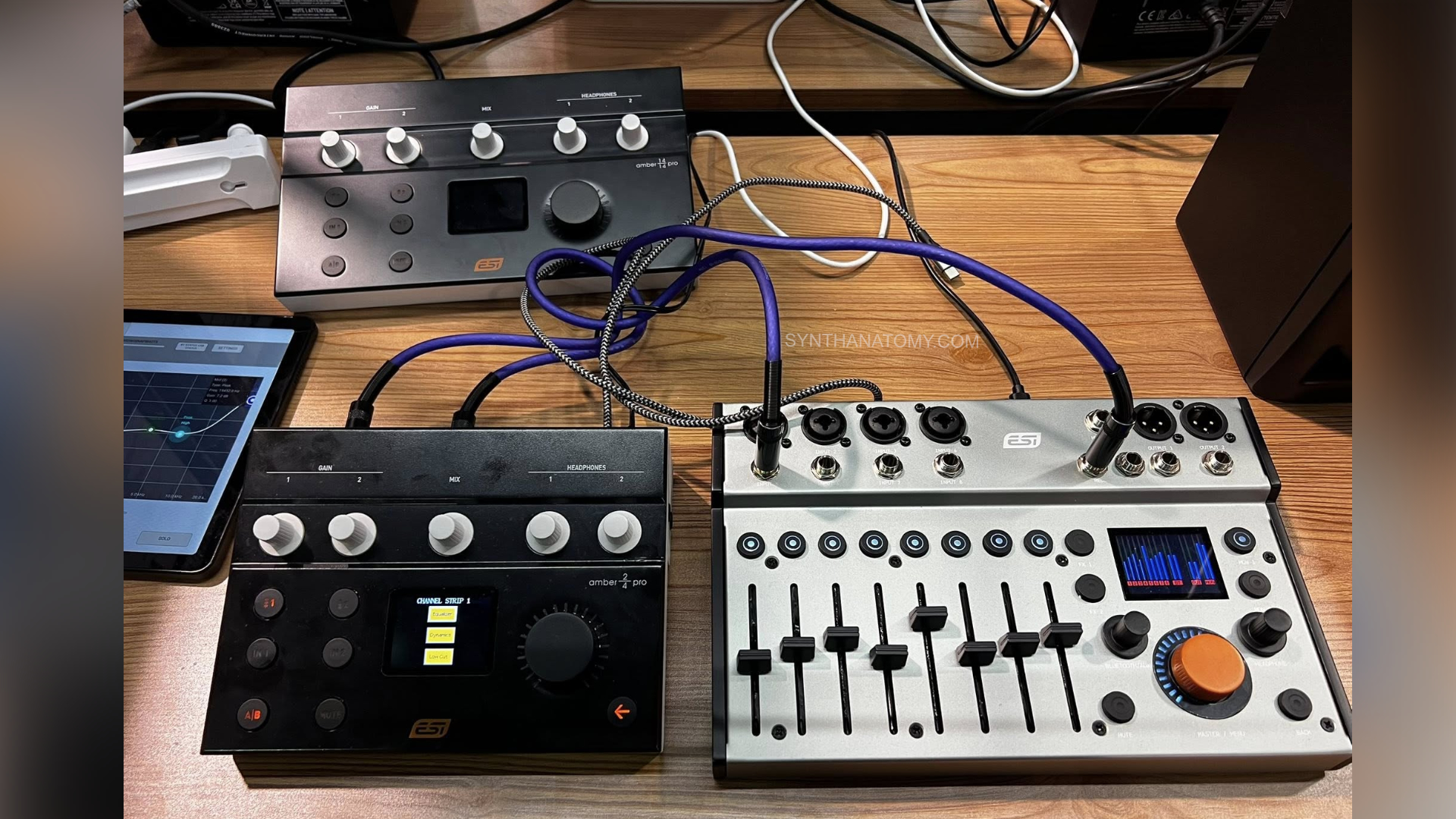
The standout feature is a built-in hardware channel strip — EQ, dynamics processing (compressor/limiter), and a low-cut filter, all operating at the hardware level. This means you can apply basic signal conditioning during recording without any latency and without loading a single plugin. For vocalists and voice-over artists, having hardware-level dynamics control at the input stage can mean the difference between a clean take and one marred by unexpected peaks.
The OLED display provides clear visual feedback for metering and settings, which is a welcome step up from the basic LED arrays found on most budget interfaces. Pricing hasn’t been officially announced yet, but given ESI’s track record of aggressive pricing, industry watchers expect it to land somewhere between $200 and $350 — which would make it an extraordinary value if the channel strip delivers on its promise.
Synthanatomy’s ESI NAMM coverage includes details on the larger Amber 14|14 Pro model as well.
The Premium Benchmark: Apogee Symphony Nova ($1,499)
I know — $1,499 blows past our $500 budget. But the Apogee Symphony Nova deserves a mention because it represents where the desktop interface category is heading, and it’s a useful benchmark for evaluating what you’re getting (and giving up) at lower price points.
The Symphony Nova features ARM-based DSP processing, four mic inputs with real-time DSP effects, SoundID speaker correction integration, and ADAT expansion for growing your I/O count later. It’s essentially a desktop Apollo competitor from one of the most respected names in digital audio conversion. Shipping Q2 2026.
For most home studio producers, is the Symphony Nova three times better than the Yamaha URX22? Almost certainly not in terms of raw recording quality. But if you need the expanded I/O, the speaker correction, and the prestige of Apogee conversion, it’s the interface to save toward.
How Do These Compare to Existing Champions?
No audio interface roundup is complete without addressing the established players. The current budget interface landscape is dominated by:
- Focusrite Scarlett 2i2 4th Gen ($219) — the safe, reliable default. Excellent preamps, Air mode for presence boost, massive driver support across every platform
- PreSonus Studio 1810c ($399) — unbeatable I/O count for the price with 18 inputs and 10 outputs
- Audient EVO 4 — the “set it and forget it” option with its Smartgain auto-level feature
- SSL 2+ — the one you buy for the SSL Legacy 4K preamp emulation and that distinctive SSL color
These are all proven, reliable interfaces with years of driver maturity and community support behind them. If you need an interface today and can’t wait for NAMM announcements to ship, any of these remains an excellent choice.
But here’s what the 2026 newcomers offer that the established players don’t: genuine workflow differentiation. The Scarlett 2i2 gives you clean preamps and solid conversion — but it doesn’t have a touch screen, an analog filter, or a built-in channel strip. The new entrants are competing not just on audio quality (which is effectively a tie at this point) but on how they change the way you interact with your recording setup.
My advice? If your current interface works well and you’re happy with your workflow, there’s no urgent need to upgrade. But if you’re in the market for a new purchase — whether first-time or replacement — it’s worth waiting until after NAMM for hands-on reviews and real-world testing results before making a decision.
Sean’s Picks: Best Interface for Every Use Case
Based on decades of experience across commercial studios and home setups, here are my recommendations by use case:
- Electronic Producers & Synth Players → Korg microAudio 722 ($269): The built-in analog filter and MIDI I/O make this a no-brainer for anyone working with hardware synths or who wants analog character at the input stage.
- All-Around Home Studio → Yamaha URX22 ($475): 32-bit recording, touch LCD, onboard DSP. If you want one interface that handles vocals, instruments, streaming, and podcasting without compromise, this is it.
- Budget-Conscious Beginners → Korg microAudio 22 ($199): The Filter Ark plugin bundle alone would cost more than many entry-level interfaces. At $199 with USB-C and 24-bit/192kHz, this sets a new standard for what a sub-$200 interface should include.
- Vocal-First Recording → ESI Amber 2|4 Pro (Price TBA): The hardware channel strip with EQ and dynamics is a genuine differentiator for anyone who records vocals or voice-overs regularly.
- Dream Setup, No Budget Limit → Apogee Symphony Nova ($1,499): ARM DSP, SoundID integration, ADAT expansion. The desktop interface endgame for 2026.
NAMM 2026 runs January 20-25. Once hands-on demos and proper A/B comparisons become available, I’ll update this article with real-world impressions and final verdicts. Bookmark this page — the audio interface market hasn’t been this exciting in years, and this is a genuinely great time to be shopping for studio gear.
The right interface choice depends entirely on your specific workflow, your studio environment, and the type of content you create. From picking the right converter to optimizing your entire signal chain, every gear decision compounds — and getting it right from the start saves countless hours of troubleshooting down the road.
Need help choosing the right interface or optimizing your studio signal chain? 28 years of audio engineering experience at your service.
Get weekly AI, music, and tech trends delivered to your inbox.