DeepSeek Engram Breakthrough: 3 Papers in 13 Days Reveal mHC, Conditional Memory, and R1’s Full Architecture
January 13, 2026
AI Regulation 2026: Every Federal and State Law That Just Changed the Game on January 1
January 14, 2026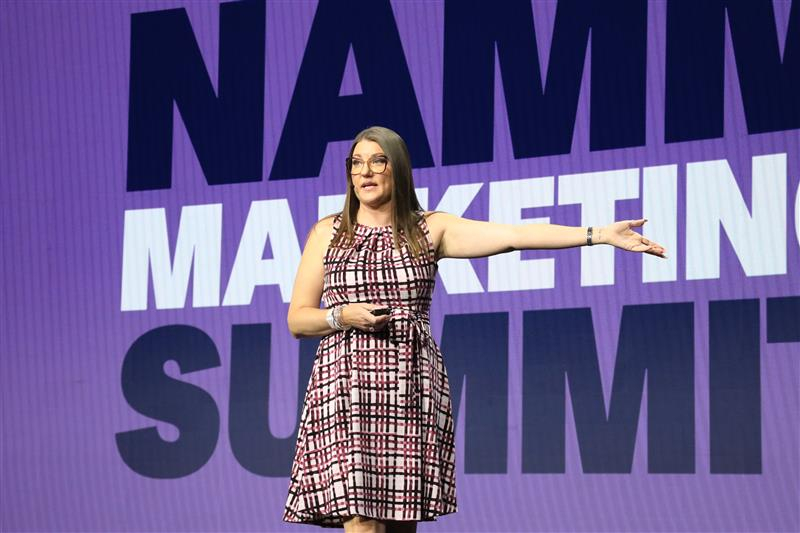
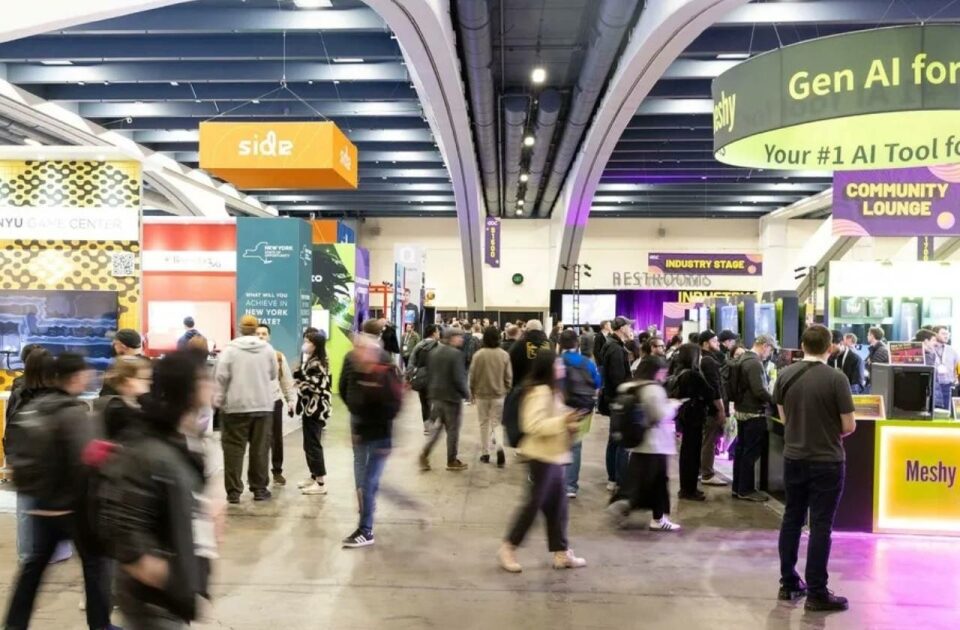
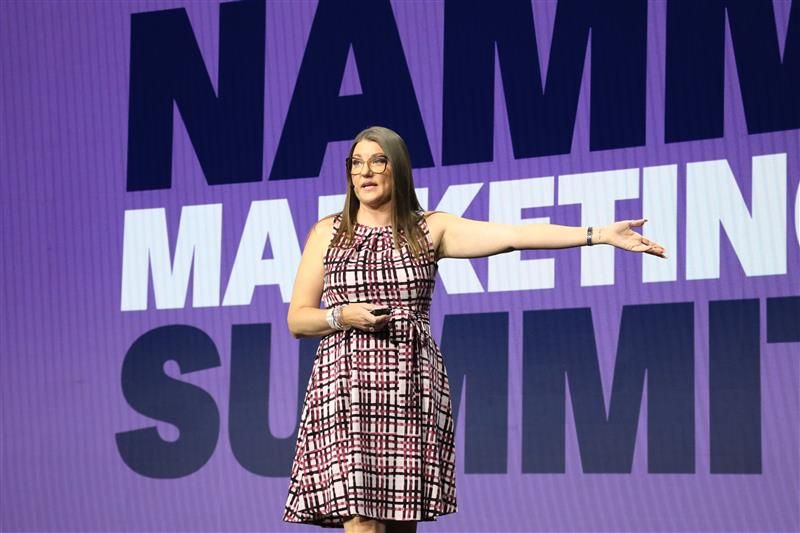
NAMM 2026 opens in one week, and this year’s show is different. The A3E program alone has over 65 AI-related sessions, Suno v5 already shipped a browser-based DAW, and major labels have gone from suing AI companies to building platforms with them. The NAMM 2026 AI music tools landscape has fundamentally shifted — here are the five things every producer needs to know before hitting the show floor.
1. Suno v5 — A Complete NAMM 2026 AI Music Tool Inside Your Browser
Released in late 2025, Suno v5 has reset the bar for AI music generation. The most immediately noticeable improvement is audio quality: 44.1kHz output (up from 24kHz in v3), which means streaming-ready fidelity straight out of the generator. The platform hit an ELO benchmark score of 1,293, surpassing all previous iterations and competitors in audio fidelity, musical structure, and vocal realism.
But the real game-changer is Suno Studio. This browser-based DAW environment gives you a multi-track timeline with direct control over BPM, volume, and pitch. Three real-time generation sliders — Weirdness (creative risk), Style Influence (genre compliance), and Audio Influence (reference audio bias) — let you fine-tune AI output with surprising precision. You can extract up to 12 “Generative Stems” and maintain consistent “Vocal Personas” across multiple tracks, which is genuinely useful for album projects.
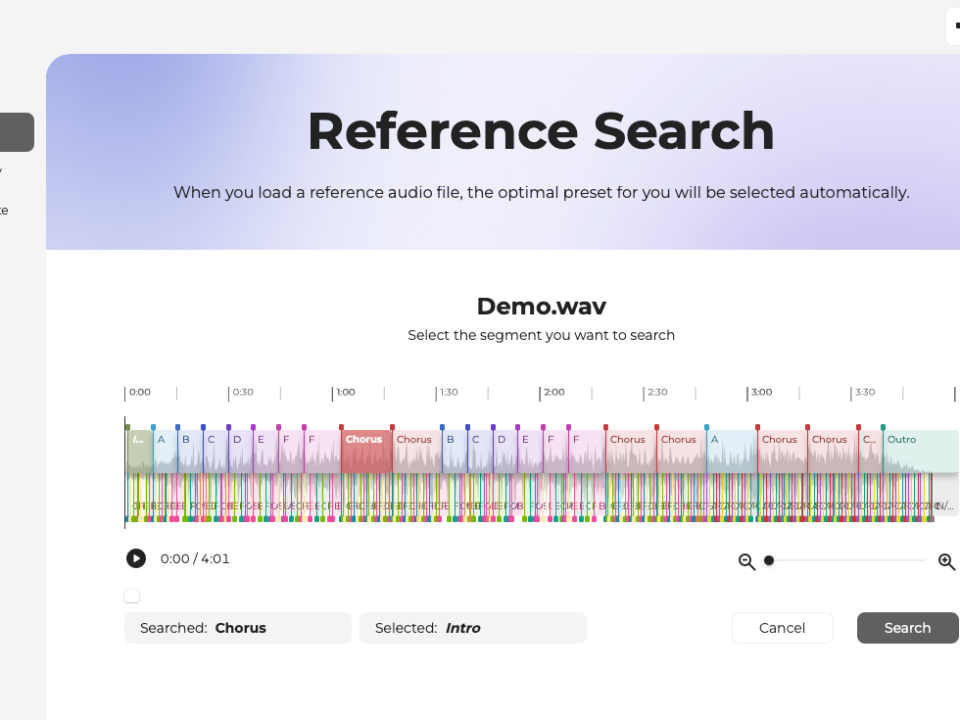
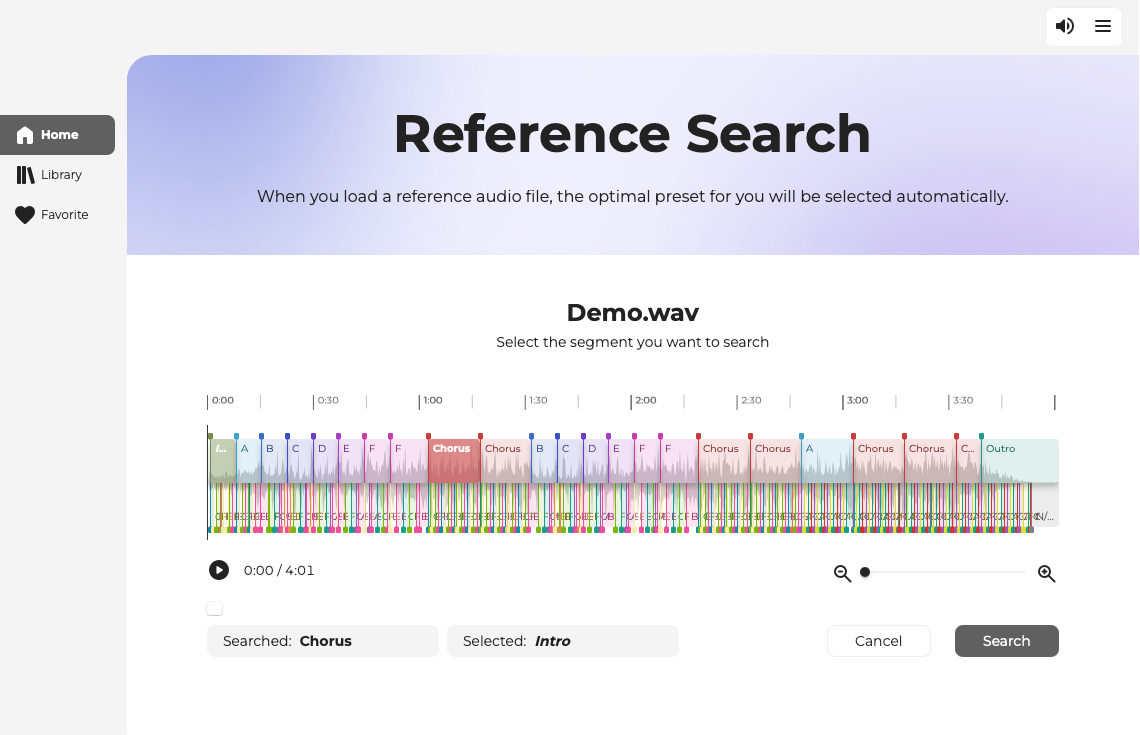
The v5 model also introduces intelligent composition awareness that understands verse-chorus dynamics on a near-human level. Compositions can run up to eight minutes while maintaining structural coherence across verses, choruses, bridges, and outros. The new ReMi lyrics model produces significantly better rhyming and rhythmic alignment.
Pricing remains accessible: Pro at $10/month (500 songs), Premier at $30/month (2,000 songs), with a free tier offering roughly 10 songs per day for personal use only.
What makes v5 particularly relevant heading into NAMM is its January 2026 Help Center update, where Suno clarified its ownership and commercial use policies. The company now explicitly states that user-written lyrics — including those created with AI assistance where you guide, edit, and make creative decisions — belong to the creator. Paid plan subscribers retain commercial use rights even after cancellation, while free-tier users are limited to personal listening and experimentation. Perhaps most significantly, Suno acknowledged that platform-granted ownership is separate from legal copyright, noting they “cannot override” national human authorship requirements. This level of transparency is unprecedented for an AI music platform and sets a standard others will need to match.
2. Udio — The Major-Label-Licensed AI Music Platform
Built by ex-Google DeepMind researchers, Udio pulled off something remarkable in late 2025: settling copyright lawsuits with both Universal Music Group (October) and Warner Music Group (November). Instead of paying damages and disappearing, Udio secured deals to build a fully licensed AI music service trained on authorized catalog with artist opt-in provisions, scheduled for public release in mid-2026.
Udio’s standout technical feature remains its inpainting tool. Select any specific section of a generated song and regenerate just that portion. If the verse is perfect but the chorus falls flat, you fix the chorus without touching anything else. The 2026 model captures vibrato, pitch glide, and tone shading with performance quality close to real singers.
Pricing mirrors Suno at $10/month (Standard) and $30/month (Pro) with comparable generation limits. But Udio’s real differentiator heading into NAMM isn’t the tech — it’s the legal legitimacy. This is the first AI music platform with explicit blessing from multiple major labels, and that changes the commercial calculus for every producer considering AI tools.

3. ElevenLabs Music — The Vocal Synthesis Leader Enters the Ring
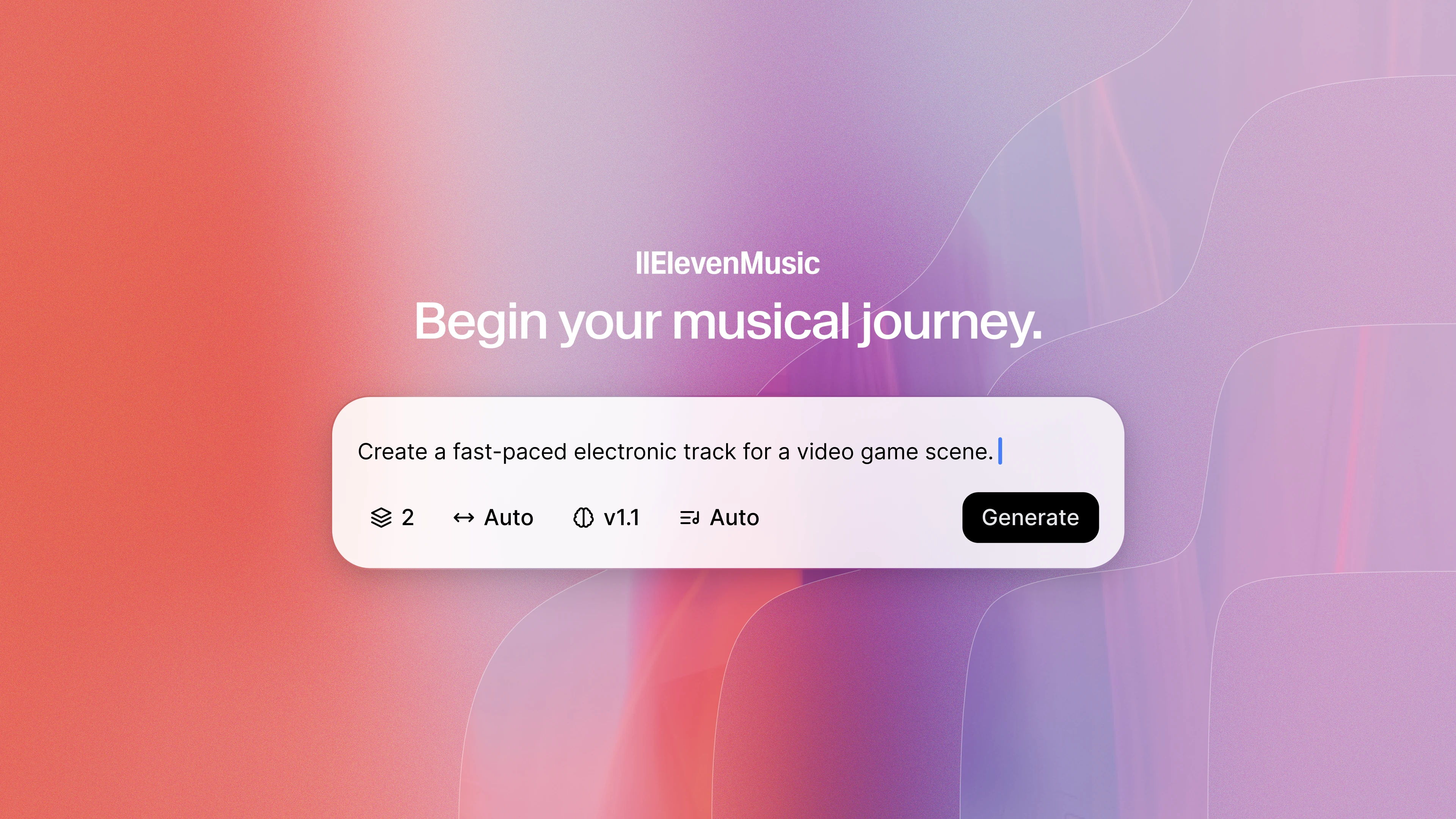
Voice synthesis pioneer ElevenLabs launched Eleven Music in August 2025, and the numbers speak for themselves: over 8 million songs generated since launch. When the company that arguably produces the most realistic AI voices in the world decides to make music, the results in vocal quality are predictably stunning.
Three things set ElevenLabs apart in the AI music space. First, vocal realism that’s a cut above — their core competency in speech synthesis translates directly into more convincing singing. Second, proactive licensing deals with Kobalt and Merlin, two major independent music rights organizations, ensuring commercially cleared output from day one. Third, six downloadable studio-quality stems for additional mixing and arrangement in your own DAW.
The platform recently made headlines with “The Eleven Album” — an unprecedented project where legendary artists including Liza Minnelli and Art Garfunkel “co-created” original music using the AI model, spanning rap, pop, R&B, EDM, and cinematic scoring. Whether you love it or hate it, this kind of high-profile collaboration signals where the industry is heading.
4. A3E @ NAMM 2026 — The AI Session Lineup You Can’t Miss
The A3E (Advanced Audio + Applications Exchange) program at NAMM 2026 is essentially a roadmap of where AI music technology is going. Running January 20–24 at the Anaheim Convention Center, the lineup for Friday January 23 alone is packed with must-attend sessions:
- Neurocreativity in the Age of AI (10:00–11:00 AM) — Moises AI’s Torrie Jones, Modbap Modular’s Corry Banks, and UC San Diego’s King Britt explore music creation through brainwaves, gestures, and emotional states. Yes, making music with your mind is now a serious research topic.
- On-Device AI for DAWs & Instruments (12:00–1:00 PM) — AudioShake CEO Jessica Powell and LANDR’s Daniel Rowland discuss how AI integration in Logic, Ableton, and Pro Tools can preserve privacy while reducing cloud reliance. This session addresses a real producer concern: keeping your unreleased tracks off someone else’s server.
- AI Voices + Human Creativity (4:00–5:00 PM) — AutoTune’s Sherri Hendrickson and SoundLabs CEO BT (yes, that BT) tackle voice-cloning, vocal synthesis, and what “reimagining vocal performance through artificial creativity” actually means in practice.
- GenAI 2026 Workflows Workshop (Saturday 10:00–11:00 AM) — From prompt-driven composition to AI-enhanced sample generation and intelligent agent-based workflows. This is the technical deep-dive session.
A3E’s overarching initiative this year is “Define, Label, and Protect Artistic Originality,” drawing a clear line between HDCC (Human-Driven Content Creation) and AICG (AI-Driven Content Generation). That distinction will likely shape industry policy for years to come.
5. The Licensing Shift — NAMM 2026 AI Music Tools and the New Rules of Ownership
2025 was the year AI music’s legal framework fundamentally changed. Major labels pivoted from litigation to collaboration, and the results are crystallizing just in time for NAMM 2026.
- Suno: January 2026 Help Center update — clarified that user-written lyrics belong to the creator, paid plans grant commercial use rights (even after cancellation), free tier is personal use only, and critically: “platform ownership does not equal legal copyright.”
- Udio: Settled with UMG (October 2025) and WMG (November 2025) — new models trained on licensed, authorized catalog with artist opt-in provisions.
- ElevenLabs: Secured Kobalt and Merlin licensing deals before launch — commercially cleared from day one.
The critical takeaway: owning a song on a platform and holding its copyright are two different things. As Suno explicitly stated, platform-granted ownership cannot override national copyright law’s human authorship requirements. If you plan to use AI tools commercially, document your creative contributions meticulously and review each platform’s licensing terms carefully.
Beyond the Big Three: Other NAMM 2026 AI Music Tools Worth Watching
While Suno, Udio, and ElevenLabs dominate the conversation, several other AI music tools will be making noise at NAMM. AIVA continues to lead in orchestral and cinematic composition at €15–€49/month, with film and game composers increasingly adopting it for initial scoring drafts. Boomy offers a unique distribution angle at $10–$30/month, letting creators push AI-generated music directly to streaming platforms with a 20% royalty split. Soundraw targets the commercial licensing market with copyright-safe instrumental tracks at $10–$50/month. Google’s MusicFX remains free but limited to 70-second clips, while Meta’s MusicGen is open-source and self-hosted — a compelling option for developers building custom music generation pipelines. At NAMM, Soundverse AI CEO Sourabh Pateriya will be presenting at A3E’s “AI for Instruments” session, showcasing neural network integration in hardware instruments — a frontier that blurs the line between traditional gear and intelligent software.
Your NAMM 2026 AI Music Tools Checklist
Before you walk the show floor, here’s what to do:
- Take Suno v5 Studio for a test drive — the free tier gives you enough to evaluate the DAW features firsthand
- Watch Udio’s licensed model closely — it’s the first major-label-approved AI music platform, and it sets a precedent
- Block out the A3E sessions on your schedule — especially the 1/23 On-Device AI and 1/24 GenAI Workflows sessions
- Review the commercial use terms of any AI tool before using it in client work — they vary significantly across platforms
- Try ElevenLabs Music stem downloads — layering AI-generated elements into existing projects is the most practical entry point for skeptical producers
AI music tools are no longer a novelty or a threat to argue about in forums. Suno v5’s browser DAW, Udio’s major-label licensing, ElevenLabs’ vocal realism — these three platforms are setting a new baseline for music production in 2026. NAMM 2026 will be the moment this shift becomes visible to the entire industry. How you incorporate these tools is your call, but ignoring them is no longer a viable strategy.
Looking to build an AI-powered music production workflow or need professional mixing and mastering? Sean Kim brings 28+ years of experience to every project.
Get weekly AI, music, and tech trends delivered to your inbox.