AI Predictions 2026: 7 Trends That Will Reshape the Industry Next Year
December 25, 2025
AI API Pricing December 2025: Complete Cost Comparison from GPT-5.2 to DeepSeek V3.2
December 26, 2025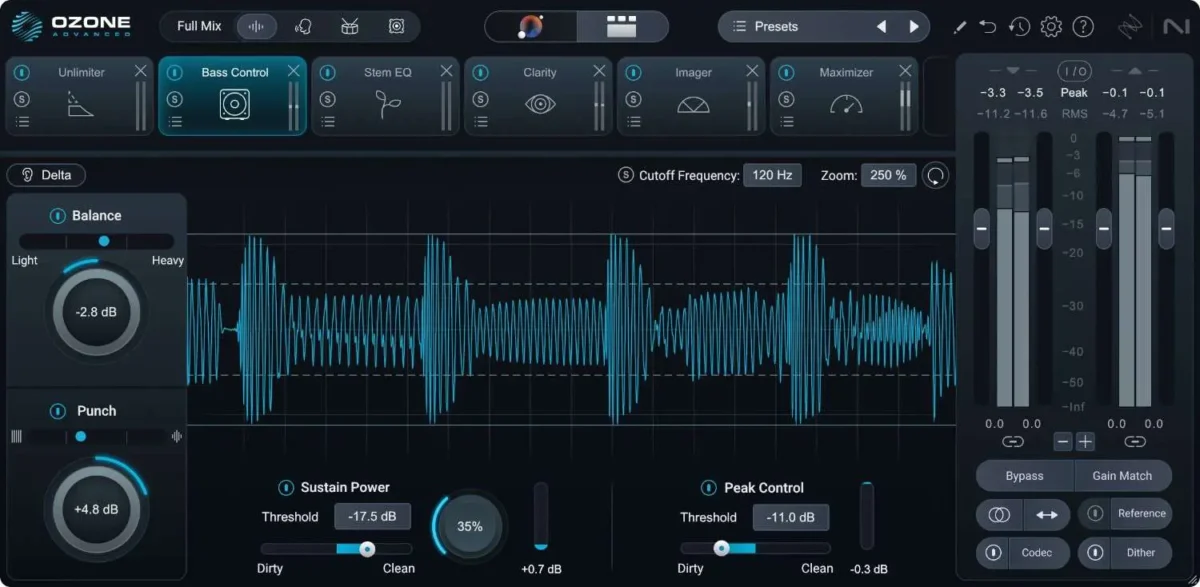
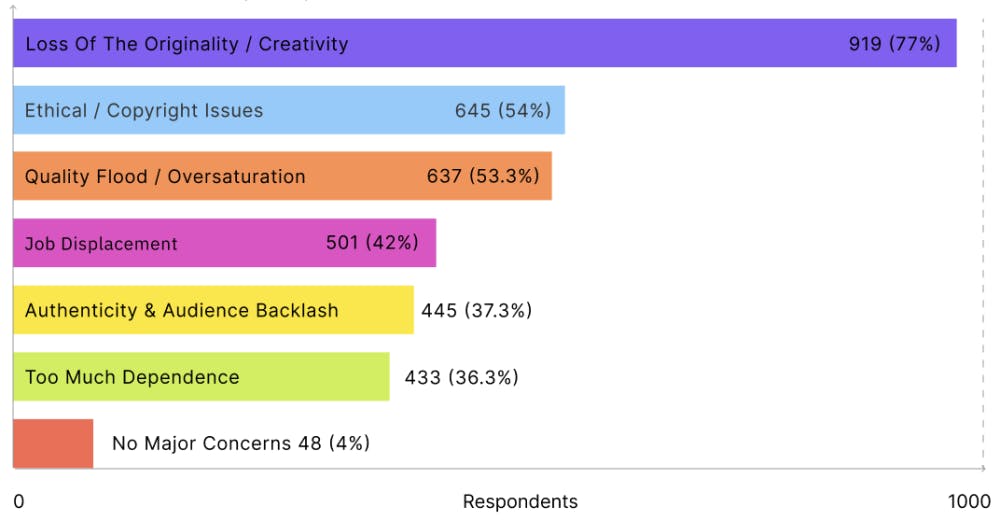
Music production trends 2026 are already taking shape, and the numbers tell a compelling story. According to a recent Sonarworks producer survey, over 60% of producers are now using AI for ideation and audio cleanup, while 77% fear losing their creative originality in the process. As we wrap up 2025 on this Christmas Day, it’s the perfect time to look ahead. With 28+ years in the music and audio industry, I’ve seen countless technological shifts — and 2026 is shaping up to be one of the most transformative years yet.
Best Plugins of 2025 That Signal Music Production Trends 2026
The standout plugins of 2025 offer a clear preview of where the industry is headed. SonicScoop’s Best Plugins of 2025 roundup highlighted three products that define the trajectory.
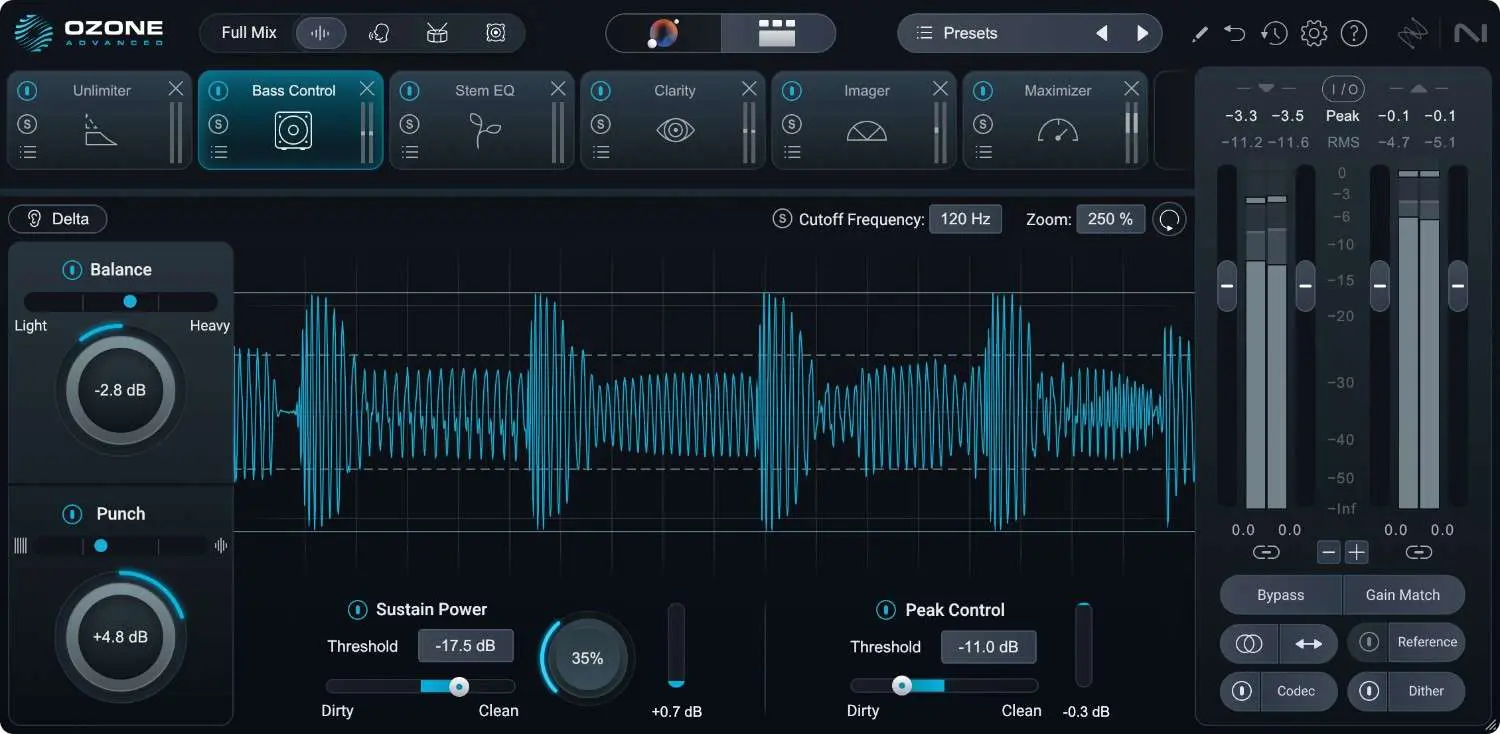
iZotope Ozone 12 introduced stem-separation-based mastering — a genuine paradigm shift. Instead of processing a stereo master as a single entity, Ozone 12 isolates vocals, drums, and bass on the master bus, applying optimized processing to each. Expect this approach to become the mastering standard in 2026.
Valhalla FutureVerb delivered cutting-edge algorithmic reverb for just $50, challenging hardware reverb units costing 10 to 50 times more. This pricing disruption signals a broader affordability wave coming to the plugin market in 2026.
Waves Intrigger elevated AI-powered drum replacement beyond simple triggering. By analyzing performance nuances, it delivers replacements that preserve the human feel of the original performance. The BPB free plugins review for 2025 also showed a surge in AI-powered tools across the board.
Major DAW Updates Coming in 2026
The DAW landscape is set for significant evolution in 2026. Here’s what to expect from each major platform.
Logic Pro 11.1 Session Players will likely expand Apple’s AI-powered virtual session musician feature. Following the drummer and bassist introduced in Logic Pro 11, keyboardists and guitarists are expected next. For solo producers, this could be revolutionary — full band arrangements without leaving your DAW.
Ableton Live 12 introduced Roar (a distortion multi-effect) and Meld (a wavetable synth) that opened new sound design possibilities. In 2026, expect even more integrated creative tools as Ableton continues to blur the line between DAW and instrument.
FL Studio 24 is anticipated to ship with native stem separation. While third-party solutions exist, having it built directly into the DAW will dramatically streamline workflows for producers who rely on sampling and remixing.
Serum 2 and its spectral warping engine have been in development for years. Steve Duda’s next-generation synth could redefine sound design when it finally drops — and 2026 looks increasingly likely for the release.
Spatial Audio Goes Mainstream: Dolby Atmos and Beyond
2025 proved that spatial audio is no longer a niche format. Apple Music’s Dolby Atmos catalog has surpassed 10,000 tracks, and consumer awareness is at an all-time high.
The game-changer for 2026 is Google’s Eclipsa Audio — an open-source spatial audio format that eliminates Dolby Atmos licensing fees. For indie producers who’ve been priced out of immersive audio, this opens the door wide. Combine this with Apple’s ASAF (Apple Spatial Audio Format) expanding its ecosystem, and Steinberg WaveLab 13 adding Atmos mastering capabilities, and you have a perfect storm for spatial audio democratization.
My strong advice: if you’re still producing exclusively in stereo by the end of 2026, you’ll be leaving significant opportunities on the table. Start learning spatial audio workflows now.
AI in Music Production: Opportunity Meets Anxiety
As that Sonarworks survey revealed, AI adoption in music production is already widespread — but the way producers use it may surprise you.
The majority use AI for ideation (generating initial ideas and sketches) and audio cleanup (noise removal, vocal isolation, audio restoration). Very few are letting AI compose entire tracks. This suggests AI is evolving as an assistant to human creativity, not a replacement for it.
Looking ahead to 2026, platforms like Suno v4/Studio, Udio, and ElevenLabs Music will push AI generation capabilities further. ElevenLabs entering the music space is particularly noteworthy — their existing vocal synthesis technology is among the most advanced in the world.
However, the 77% who fear losing originality raise a valid concern. In 2026, the producers who thrive will be those who use AI tools while maintaining a distinctive sonic signature. The tool doesn’t make the artist — the artist makes the art.
MIDI 2.0: A 40-Year Revolution Finally Takes Hold
MIDI 1.0 launched in 1983. After over four decades, MIDI 2.0 is finally gaining real-world traction. Logic Pro is leading DAW support, and Windows 11 is preparing OS-level integration.
On the hardware side, Korg and Waldorf are shipping MIDI 2.0 compatible devices. The biggest benefit? 32-bit resolution control data, leaping from the 7-bit (128-step) limitations of MIDI 1.0 to over 4 billion steps of resolution. This means infinitely smoother expression, more precise automation, and controller movements that finally feel truly continuous.
2026 will likely be the year MIDI 2.0 crosses from early adoption into professional standard. When purchasing new gear, make MIDI 2.0 compatibility a non-negotiable requirement.
Pro Tools 2025.12: Setting the Immersive Mixing Standard
Pro Tools 2025.12 introduced several significant features. Audio Vivid dramatically simplifies immersive mixing workflows, while VoiceWunder and Vovious showcase AI-powered vocal tuning capabilities that go well beyond traditional pitch correction.
Avid’s serious investment in immersive audio signals that Dolby Atmos mixing will become a standard service offering in professional studios throughout 2026, rather than a premium add-on.
The Bigger Picture: Convergence Is the Story of 2026
What makes 2026 different from previous years is convergence. AI, spatial audio, MIDI 2.0, and stem separation aren’t evolving in isolation — they’re colliding. Imagine an AI assistant that helps you create a Dolby Atmos mix from a stereo source using stem separation, with MIDI 2.0 controllers providing nuanced real-time adjustments. That workflow isn’t science fiction; it’s what the current trajectory points toward.
The democratization angle is equally important. Google’s open-source Eclipsa Audio removes spatial audio licensing barriers. Free AI plugins from developers featured in BPB’s roundup lower the cost of entry. MIDI 2.0 support baked into operating systems means you won’t need specialized drivers. Every one of these developments points toward a future where professional-quality production is more accessible than ever before — which raises the bar for everyone.
Preparing for 2026: Practical Recommendations
After 28+ years in this industry, I’ve navigated the analog-to-digital transition, the hardware-to-software revolution, and the stereo-to-surround evolution. 2026 represents another inflection point. Here’s how to prepare:
- Start learning spatial audio now. Whether you choose Dolby Atmos or Google’s Eclipsa Audio, having immersive mixing skills will set you apart in 2026.
- Integrate AI tools into your workflow, but keep creative control. Use AI for ideation and cleanup. Let your ears and instincts guide the final decisions.
- Plan your MIDI 2.0 transition. You don’t need to replace everything at once, but every new purchase should be MIDI 2.0 compatible.
- Watch the stem separation space closely. This technology will be a game-changer across mixing, mastering, and remixing in the coming year.
- Invest in yourself, not just gear. The most valuable upgrade is always knowledge and skill development.
2026 is going to be a remarkable year for music production. The convergence of AI, spatial audio, MIDI 2.0, and next-gen DAW features creates unprecedented creative possibilities. Embrace the change, stay curious, and keep making great music.
Need professional mixing & mastering? We offer full-service production including Dolby Atmos immersive mixing.
Get weekly AI, music, and tech trends delivered to your inbox.