GDC 2026 Festival of Gaming: 5 Takeaways from Google Genie 3 to the Indie Renaissance
March 20, 2026
Native Instruments CEO Confirms M&A Progress — But Can NI Survive Private Equity’s Wreckage?
March 20, 2026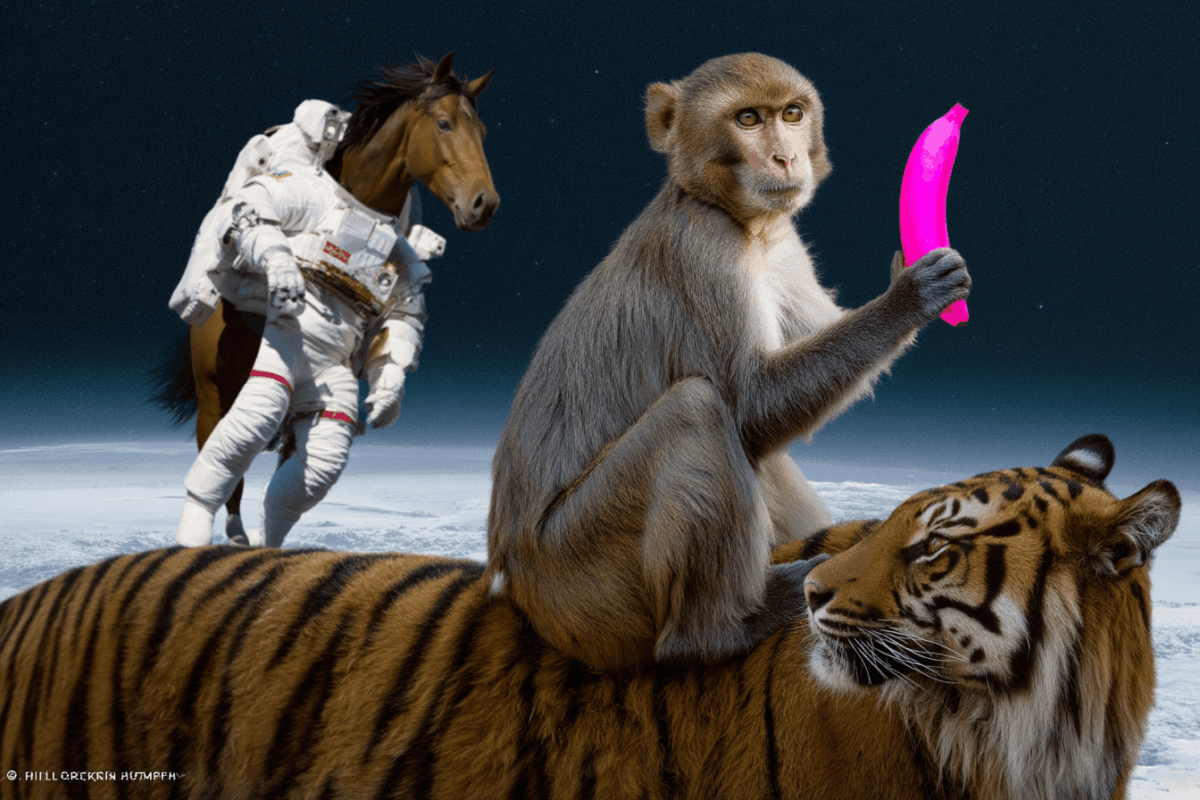
Finally. After months of speculation and a community rating party that had everyone refreshing their feeds, Midjourney v8 Alpha dropped on March 17, 2026. Images now generate in under 10 seconds. Native 2K resolution without upscaling. Improved text rendering that actually works. But there is a catch that nobody saw coming — and it changes the economics of AI image generation entirely.
After 28 years in music and audio production, I have watched countless creative tools promise revolution and deliver iteration. Midjourney v8 sits in a genuinely interesting middle ground. The speed improvements are real and transformative. The pricing model, however, deserves a hard look before you commit your workflow to it. Let me break down everything that matters.
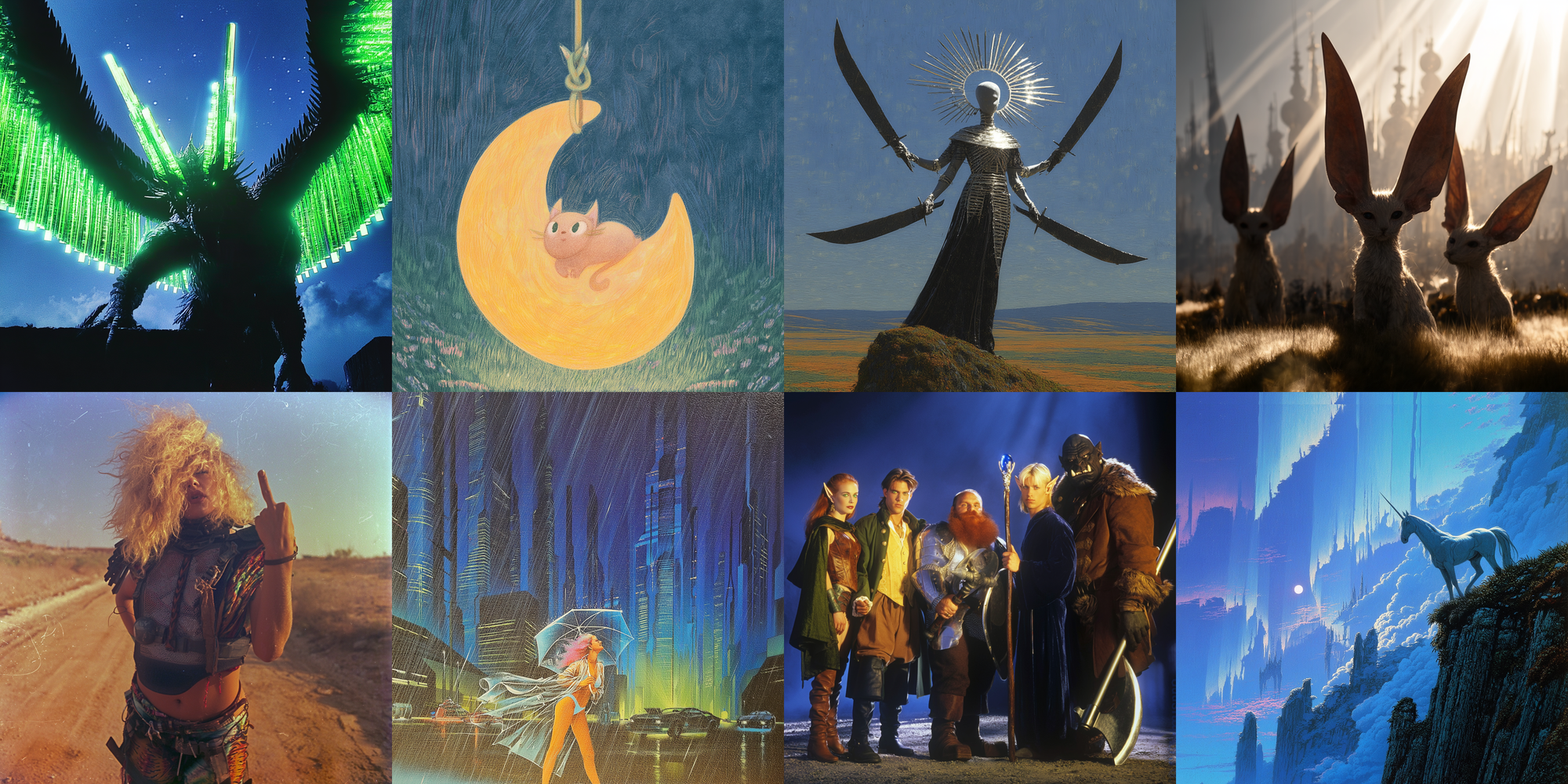
What Changed in Midjourney v8: The Core Upgrades
The headline number is speed. V7 took 30 to 60 seconds per image. V8 standard generations complete in under 10 seconds. That is not an incremental improvement — it fundamentally changes how you interact with the tool. Rapid exploration becomes viable. You can iterate through dozens of concepts in the time it used to take to generate four images.
The second major upgrade is the --hd parameter for native 2K resolution. Previous versions required a two-step workflow: generate first, then upscale separately. V8 renders at 2K from the start, which eliminates the detail loss that upscaling inevitably introduced. For anyone producing final deliverables — portfolio pieces, editorial illustrations, concept art — this is a significant quality-of-life improvement.
Text rendering has taken a notable step forward. Wrapping text in quotation marks within your prompt now produces surprisingly accurate results. Street signs, product labels, poster typography — V8 handles these with a level of readability that V7 could not match. The official V8 Alpha announcement showcases several examples of clean text rendering that would have been impossible just a year ago.
Prompt understanding has also improved substantially. Longer, more detailed prompts now work better rather than being penalized. Complex multi-element compositions render with higher fidelity. Specific spatial positioning, color palettes, and lighting conditions are followed more reliably. Small details that V7 would silently drop are now retained.
The Paradigm Shift: From Prompt Engineering to Personalization Profiles
Here is what most coverage is missing: the biggest change in Midjourney v8 is not technical. It is philosophical. The creative center of gravity has shifted from the prompt to the personalization profile.
In V7 and earlier, your skill as a prompt engineer determined your output quality. In V8, a well-trained personalization profile — built from rating at least 200 images — outperforms even perfectly crafted prompts. You describe the scene in your prompt. Your profile handles the aesthetic decisions. Midjourney calls this “photographer’s intuition,” and it is an apt metaphor. The AI learns your lighting preferences, your color sensibilities, your compositional tendencies.
This is a fundamental workflow disruption for V7 veterans. If you have spent months perfecting your prompt templates, you may find yourself “working against the tool” until you invest time in profile development. The old four-image grid exploration workflow has been replaced by rapid thumbnail generation followed by selective 2K upscaling of the best candidates.
The upside is consistency. Once your profile is trained, every generation carries your aesthetic signature. For professionals building a visual brand, this is genuinely powerful. For hobbyists who enjoyed the surprise factor of prompt experimentation, the learning curve may feel like a barrier.
Midjourney v8 Pricing: The Speed-Cost Paradox
The subscription tiers remain unchanged. Basic at $10 per month, Standard at $30, Pro at $60, and Mega at $120, with a 20 percent discount for annual billing. No free tier exists.
- Basic: $10/month (3.3 GPU hours)
- Standard: $30/month (15 GPU hours)
- Pro: $60/month (30 GPU hours)
- Mega: $120/month (60 GPU hours)
Standard V8 generations are covered by your existing subscription at no extra cost. The catch is in the premium features. Using --hd, --q 4, style references, or moodboards consumes GPU hours at 4x the normal rate. Stack --hd with --q 4, and you are looking at 16x the cost per image. As The Decoder’s analysis details, this creates a significant cost concern for professional users with high-volume needs.
Making matters worse, Relax mode has been eliminated in V8 Alpha. This was previously the budget-friendly option that allowed slower-queue generations at no GPU cost. Every generation now counts against your allocation. Midjourney has mentioned plans for new server infrastructure that could reduce costs in the future, but no timeline has been given.
The practical implication is an inverted cost structure: cheap standard exploration, expensive premium finishing. Smart users will iterate quickly with standard generations and only apply --hd and --q 4 to their final selections.
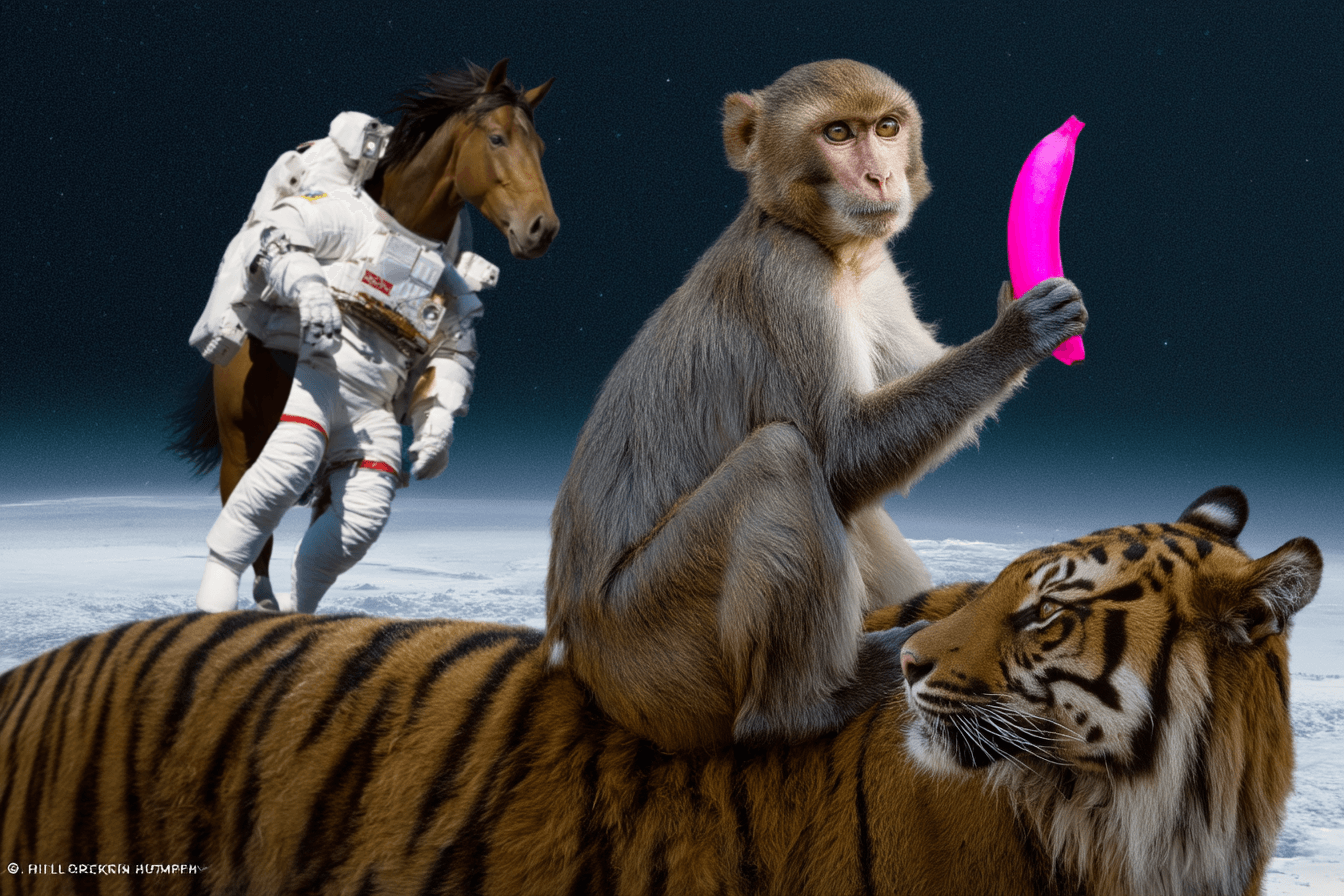
Version Evolution: From V6 to V7 to Midjourney v8
Placing V8 in Midjourney’s development timeline reveals the pace of improvement. V6 arrived in December 2023 and became the default through mid-2024. V6.1 delivered a 25 percent speed boost. V7 launched in April 2025, introducing Draft Mode and Omni Reference. V8 Alpha, arriving in March 2026, pushes forward on four fronts simultaneously: speed (5x), resolution (native 2K), text rendering, and personalization-driven generation.
The new interface deserves mention. Conversation Mode enables natural language direction without requiring parameter syntax knowledge. Grid Mode allows viewing larger image sets at once. A sidebar provides instant access to settings, image references, personalization profiles, and moodboards without obstructing your workspace. These UI improvements, while less flashy than the generation upgrades, meaningfully reduce friction in daily use.
New V8 Parameters
--hd: Native 2K resolution rendering--q 4: Enhanced coherence for intricate scenes--chaos: Variation control--weird: Unconventional results--exp: Experimental mode--raw: Recommended for photos or controlled looks--stylize 1000: Recommended maximum for personalization-driven results
The Honest Assessment: Strengths and Weaknesses
What Works
- Speed is transformative: Sub-10-second generation makes rapid ideation practical in ways V7 never allowed
- Native 2K eliminates workflow friction: No more generate-then-upscale for high-resolution deliverables
- Text rendering has real utility now: Short text on signs, labels, and posters is genuinely usable
- Personalization profiles deliver consistency: Your aesthetic preferences carry across every generation
- Backward compatibility: V7 profiles, moodboards, and style references work in V8
- Better prompt comprehension: Complex, detailed prompts are rewarded rather than penalized
What Falls Short
- Premium features at 4x cost: The best output quality requires significantly more GPU hours
- Relax mode is gone: No more budget-friendly generation option
- Text rendering still trails competitors: Ideogram 3.0 achieves 90 to 95 percent accuracy versus Midjourney’s inconsistent results
- Alpha instability: Default aesthetics are still being tuned, and srefs/moodboards cannot combine with
--hdor--q 4during alpha - Diffusion model ceiling: Autoregressive competitors like GPT Image 1.5 outperform on precise prompt adherence
- No API access: Still web-only, not even available on Discord during alpha
Competitive Landscape: Where Midjourney v8 Stands in 2026
The AI image generation market in March 2026 is genuinely multipolar. No single tool dominates across every dimension, and understanding where each excels is critical for making informed workflow decisions.
Ideogram 3.0 leads text rendering with 90 to 95 percent accuracy, making it the go-to choice for posters, social graphics, and branded content. GPT Image 1.5 from OpenAI excels at prompt adherence and complex scene composition, outperforming Midjourney on photorealism and precise scene recreation. Flux.1 Schnell generates in 1 to 4 steps, making it the fastest option for real-time applications and rapid prototyping.
Midjourney v8’s edge remains aesthetic quality. As one comprehensive comparison put it, Midjourney images “look intentional in a way that’s hard to quantify.” When the image itself is the deliverable — portfolio work, editorial illustration, concept art — Midjourney remains the strongest choice. V8 extends this advantage with personalization-driven aesthetic control that no competitor currently matches.
The smartest approach for teams and professionals in 2026 is a multi-tool strategy. Use Midjourney v8 for final aesthetic polish. Use Ideogram for text-heavy designs. Use GPT Image for precise compositional work. The days of any single AI image generator being the answer to everything are over.
Worth noting: Stable Diffusion 3.5 still holds the open-source crown for local deployment, giving teams full control over their generation pipeline without subscription costs. For studios running high-volume production, this remains a compelling alternative, even if the output quality is more variable depending on model configuration and sampler settings.
The Bottom Line
Midjourney v8 Alpha sets a new standard for speed and aesthetic quality in AI image generation. The 5x speed improvement and native 2K resolution are genuine breakthroughs that will reshape creative workflows. The shift to personalization-driven generation is bold and, for those willing to invest in profile development, genuinely rewarding.
The 4x premium feature cost and the removal of Relax mode, however, demand careful budget planning. For a Pro subscriber at $60 per month with 30 GPU hours, using –hd and –q 4 on every generation would burn through that allocation roughly 16 times faster — meaning you would get approximately 1.9 hours of premium generation versus 30 hours of standard work. The math is stark, and professionals need to plan accordingly.
The best strategy is a hybrid approach: rapid standard-quality exploration followed by selective premium rendering on final picks. Generate dozens of variations quickly at standard quality, curate the strongest compositions, and then apply –hd and –q 4 only to the images you will actually use. This workflow mirrors how professional photographers shoot hundreds of frames but only develop their best selections — and it is exactly the paradigm Midjourney seems to be designing for.
If you are building creative AI into your business workflow, V8 Alpha is worth testing right now. The speed alone justifies exploration. Just keep a sharp eye on your GPU hour consumption, and remember that the alpha designation means the default aesthetic, pricing structure, and feature limitations may all shift before the full release.
Looking to integrate AI image generation tools into your creative pipeline or need guidance on building an efficient multi-tool workflow?
Get weekly AI, music, and tech trends delivered to your inbox.