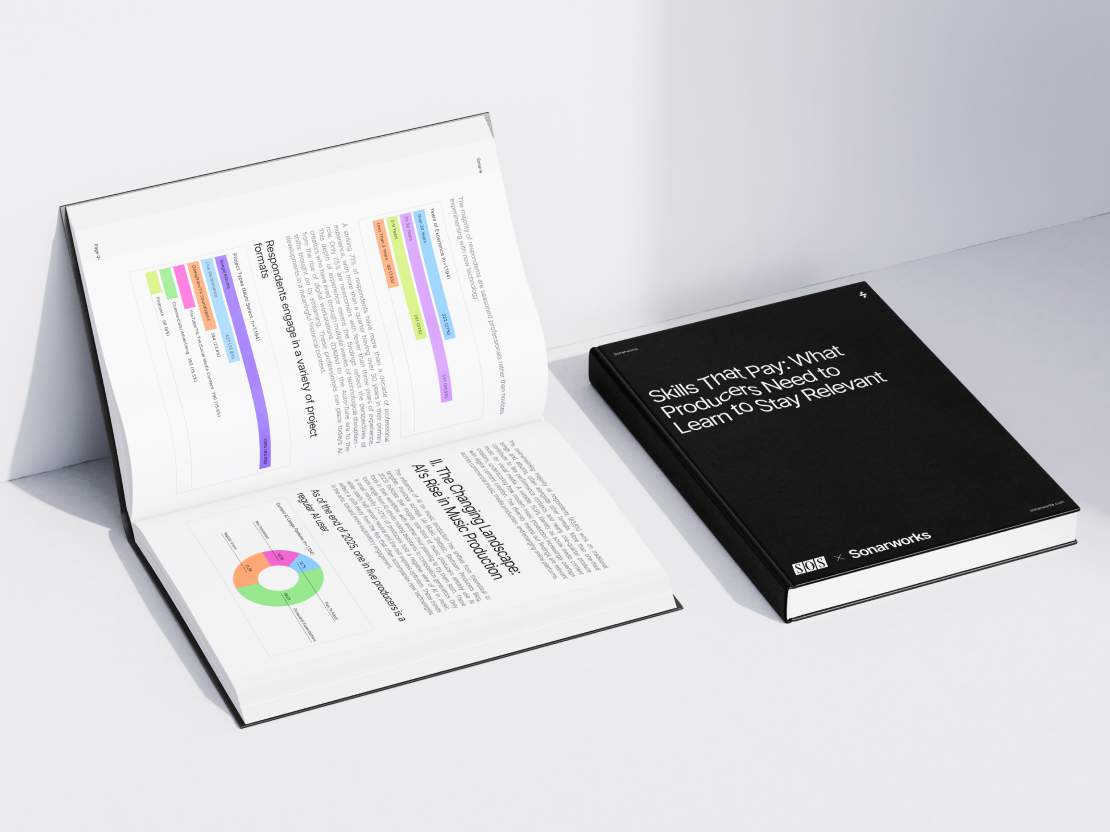
1,194 Producers Exposed the Truth About AI in Music — 77% Fear Losing Originality (Sonarworks x SOS 2026 Survey)
March 11, 2026
WordPress Official AI Plugins: Claude vs Gemini vs ChatGPT — A Practical Guide for Bloggers
March 11, 2026
On March 9, 2026, Live Nation struck a deal with the Department of Justice to settle the biggest antitrust case in music industry history. But here’s the twist — 26 states and Washington D.C. rejected the settlement, calling it woefully inadequate. The trial continues, and the future of concert ticketing hangs in the balance.
What’s Actually in the Live Nation-Ticketmaster Settlement
The settlement boils down to three major concessions. First, Ticketmaster service fees at Live Nation-owned amphitheaters will be capped at 15% of the ticket price — a direct response to the checkout sticker shock fans have endured for years. Second, Live Nation must divest exclusive booking agreements at 13 amphitheaters across the U.S., including venues in Milwaukee, Cincinnati, Syracuse, and Austin. Third, up to 50% of tickets at Live Nation amphitheaters can now be sold through competing ticketing platforms.
The existing consent decree — which bars Live Nation from retaliating against venues that don’t use Ticketmaster — gets an eight-year extension. And touring artists will be allowed to use other promoters when performing at Live Nation-owned venues.
3 Reasons 26 States Rejected the Deal
1. $280M Is Just 4 Days of Live Nation’s Revenue
Stephen Parker, executive director of the National Independent Venue Association (NIVA), put it bluntly: the $280 million settlement fund equals roughly four days of Live Nation’s 2025 revenue. For a company accused of monopolistic practices spanning over a decade, that number barely registers as a slap on the wrist.
2. No Real Protection for Independent Venues or Artists
The settlement lacks specific, explicit protections for fans, artists, and independent venues. The 15% service fee cap only applies to Live Nation-owned amphitheaters — not the thousands of other venues using Ticketmaster. Independent promoters and smaller artists who’ve been squeezed by Live Nation’s market dominance see little relief in these terms.
3. Secret Negotiations Drew a Judge’s Rebuke
The federal judge overseeing the case scolded both the DOJ and Live Nation for secretly negotiating the settlement while the trial was actively underway. State attorneys general were given just one day to decide whether to join — a timeline North Carolina AG Jeff Jackson called “a terrible deal.” The optics of backroom dealing during an open trial didn’t help either side’s credibility.
What This Means for Music Producers and Artists
If the settlement holds, touring artists gain the ability to use alternative promoters at Live Nation venues — a meaningful change for mid-tier and independent musicians who’ve historically had limited leverage. The 50% ticket allocation to competing platforms could also open doors for newer ticketing services that offer better terms.
But without breaking up Ticketmaster’s fundamental market position, these changes amount to incremental reforms rather than structural transformation. The real question is whether the 26 states’ ongoing lawsuits will produce stronger remedies — potentially including a forced separation of Ticketmaster from Live Nation.
What Happens Next: The Trial Continues
The states that rejected the settlement will continue their trial next week. If they succeed, the court could impose far more aggressive remedies, including breaking up Live Nation and Ticketmaster entirely. For now, the settlement hasn’t been approved by the judge, and the coalition of 26 states represents a formidable legal force.
Whether you’re a touring musician, an independent venue owner, or a fan tired of paying $30 in fees on a $50 ticket, this case matters. The fight for fair competition in live music isn’t over — it may just be getting started.
Get weekly AI, music, and tech trends delivered to your inbox.