CES 2026: AMD Ryzen AI 400 Series Arrives With 60 TOPS, Zen 5 Cores, and the First Copilot+ Desktop CPU
January 5, 2026
Samsung Galaxy AI Home: Everything CES 2026 Revealed About the Future of Smart Living
January 6, 2026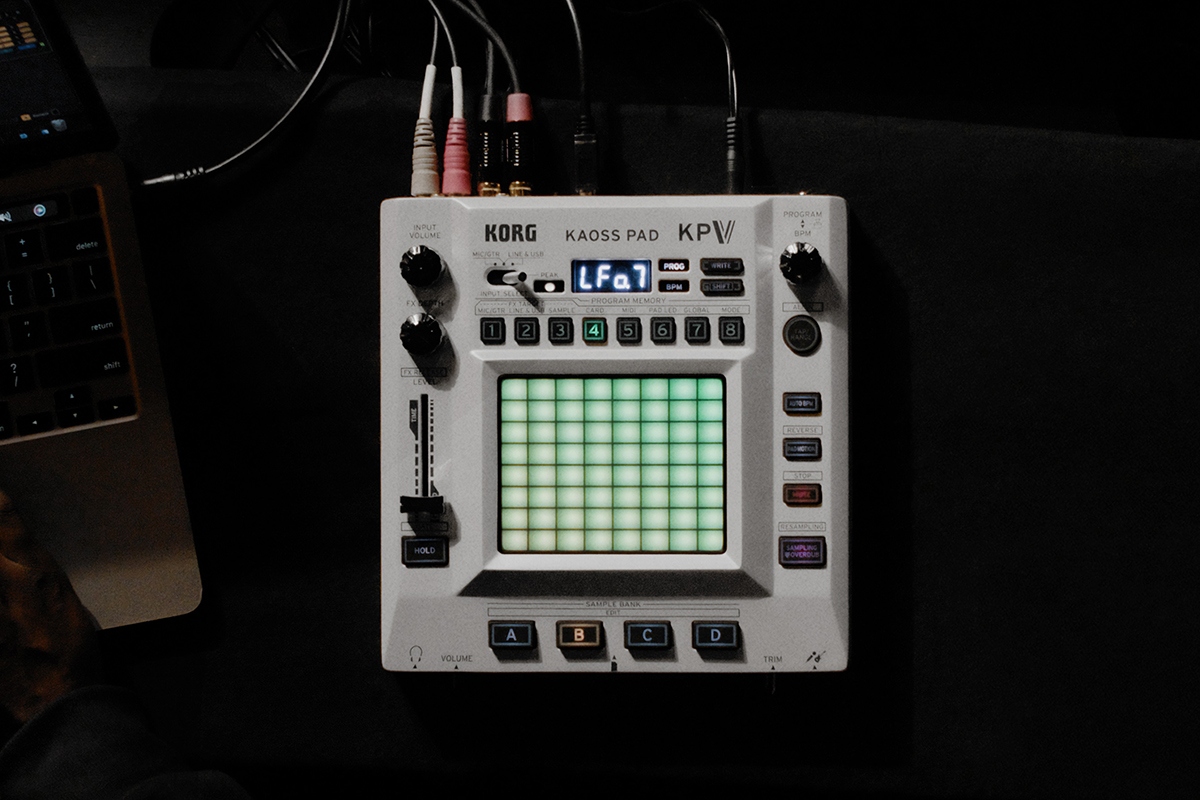
Korg just dropped one of the most ambitious product lineups in recent memory. At Korg NAMM 2026, the company unveiled seven new products — and this isn’t your typical incremental update. We’re talking about a synthesizer that vibrates actual steel resonators to create sound, the first major KAOSS Pad redesign in 13 years, and an audio interface that doubles as a standalone analog filter. Here’s a complete breakdown of every product, every price, and every spec that matters.
Korg Phase8 — An Acoustic Synthesizer Like Nothing Else
The Phase8 is the most adventurous product in the Korg NAMM 2026 lineup, and possibly one of the most innovative synthesizers to emerge in years. Priced at $1,149.99, it’s an 8-voice electromechanical instrument that generates sound by physically vibrating chromatically tuned steel resonators. Korg provides 13 resonators in total, of which 8 can be installed at any given time, giving you control over the tonal character of the instrument at a hardware level. The ability to swap resonators means you can physically reconfigure the instrument’s voice — something no other synthesizer on the market offers.
Unlike conventional analog or digital oscillators, the Phase8’s sound source is genuinely acoustic — metal plates resonating in real space. The result is an organic, evolving texture that sits somewhere between a prepared piano, a vibraphone, and a synthesizer. Envelope shaping controls let you sculpt the attack and decay of each voice, while the AIR slider adjusts the resonant characteristics in real time. Think of the AIR slider as controlling how much “room” the resonators have to breathe — subtle changes produce dramatically different timbral results. An onboard sequencer turns it into a self-contained performance instrument, capable of generating complex evolving patterns without any external gear.
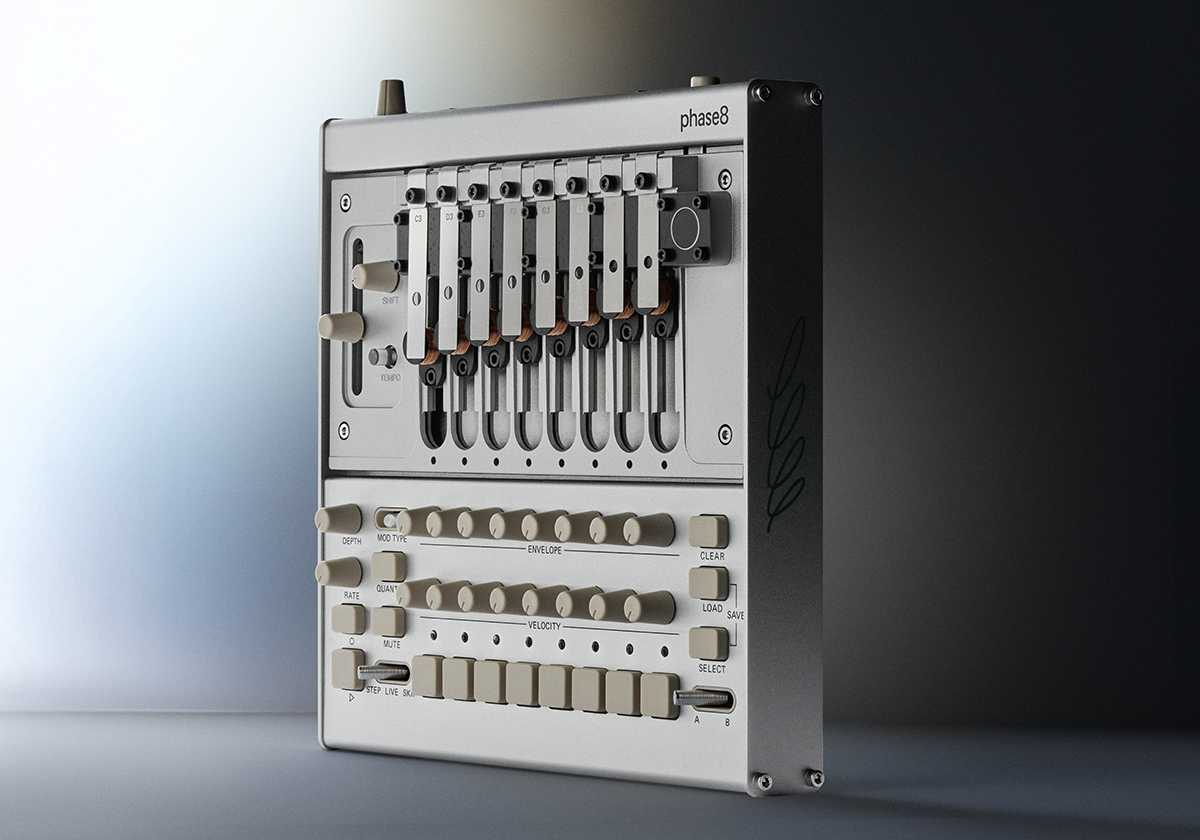
Connectivity covers all the bases: MIDI via TRS-A for traditional setups, USB-C for direct DAW integration and bus power, and CV input for modular synthesizer rigs. At just 1.71kg and 231 x 236.5 x 46mm, it’s surprisingly portable — you could easily bring it to a gig or session. As someone who’s spent over 28 years working with synthesizers and studio gear, I can say that the Phase8 represents a genuine paradigm shift. This isn’t another virtual analog or wavetable synth — it’s a new category entirely. The closest comparison might be the Folktek instruments or prepared piano techniques, but even those don’t offer the same level of electronic control over acoustic resonance. For producers working in ambient, film scoring, or experimental sound design, the Phase8 could become an indispensable creative tool.
KAOSS Pad V — 13 Years in the Making
The KAOSS Pad has been a staple of live electronic performance since its debut, but the series hasn’t seen a major overhaul in over a decade. The KAOSS Pad V ($649.99) changes everything. The headline feature is dual-touch control — the touchpad now responds to two simultaneous finger inputs, allowing you to manipulate two parameters independently in real time. If you’ve ever wished you had a third hand during a live set, this gets you closer.
Korg also introduced a completely new Voice FX engine with pitch-shifting, harmonizing, and vocoding capabilities. Plug in a microphone, and the KAOSS Pad V becomes a powerful vocal processor — a use case that previous KAOSS Pad models never addressed. For beatboxers, vocalists, and live performers who use voice as an instrument, this alone could justify the purchase. The effect library has been expanded to 300 presets — 200 brand new algorithms plus 100 user slots for saving your own creations. The 8-bar sampler now supports overdubbing, which opens up sophisticated loop-based performance possibilities that weren’t available on previous models. You can build up layered loops in real time, adding new elements with each pass.
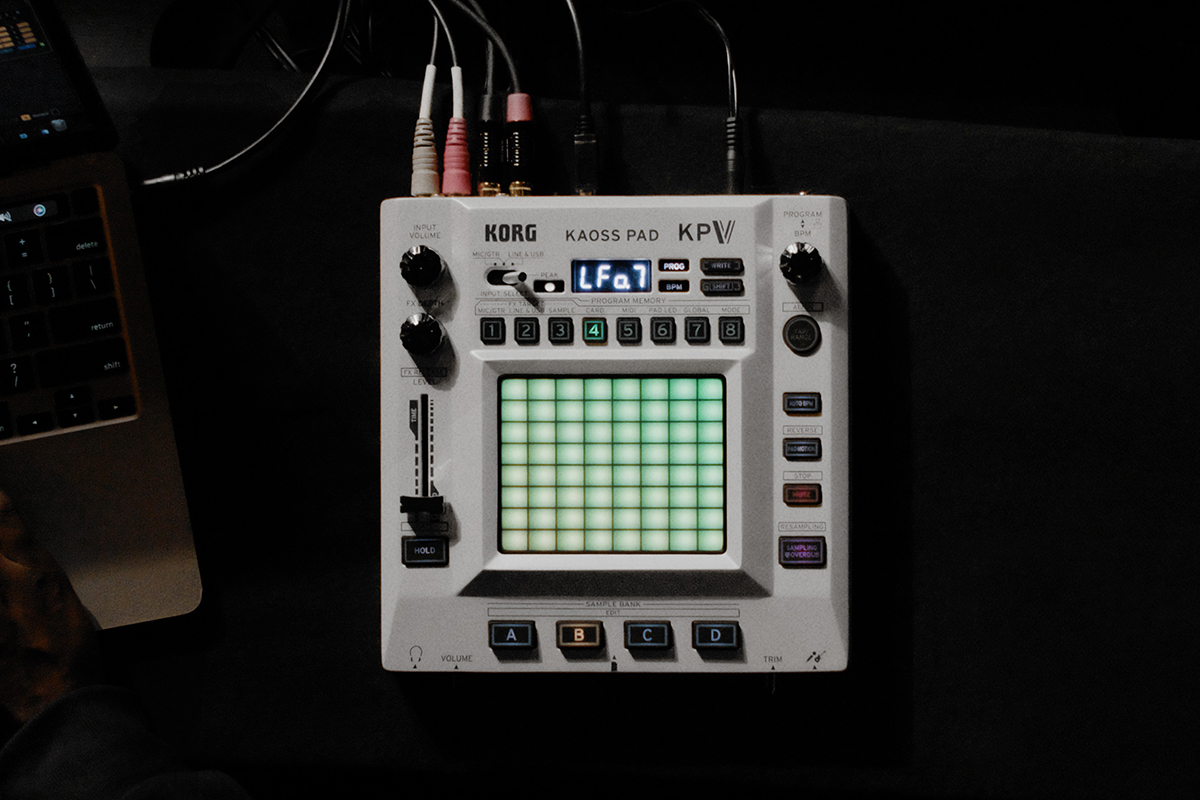
Hardware connectivity has been significantly upgraded as well. A Hi-Z input means guitarists and bassists can plug in directly without needing a separate DI box or preamp — just plug your guitar cable straight in and start processing. A balanced mic preamp with proper gain staging handles vocal duties with professional-grade quality. USB audio interface functionality lets you route processed audio directly to your DAW for recording or further processing. And an SD card slot supporting up to 32GB provides expandable storage for samples and presets.
As MusicRadar noted, this is a complete reimagining of a beloved effects powerhouse. The physical dimensions are 210 x 226 x 49mm at just 1.3kg, making it highly portable for live use. The KAOSS Pad V ships in May 2026 with a price tag of $649.99 — premium, but justified given the sheer breadth of functionality packed into this unit.
microAUDIO 22 and 722 — Audio Interfaces With a Twist
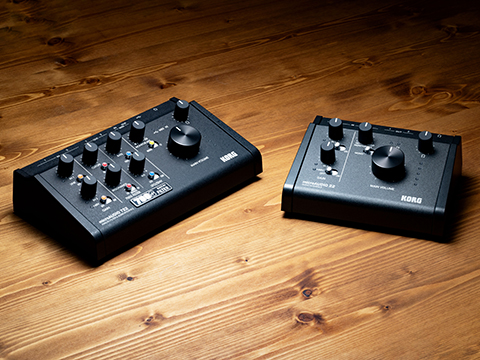
The audio interface market is crowded, so Korg needed a differentiator. They found it. The microAUDIO 22 ($199.99) and microAUDIO 722 ($269.99) are compact 2-in/2-out interfaces supporting 24-bit/192kHz audio with combo mic/line/Hi-Z inputs and 48V phantom power. Both include onboard DSP processing with noise gate and compressor/limiter — useful features at this price point. But the real story is the 722.
The microAUDIO 722 integrates a genuine analog filter derived from the legendary miniKORG 700S. This isn’t a digital emulation — it’s a real analog circuit with low-pass, high-pass, and bypass modes, plus an LFO and envelope follower. You can use it as a standalone analog filter processor, running live inputs or DAW playback through it. MusicRadar put it perfectly: you might be tempted even if you have no need for more I/O. For $269.99, you’re getting a competent audio interface AND a genuine Korg analog filter. The 722 also adds MIDI connectivity.
Filter Ark — Korg NAMM 2026 Bonus DAW Plugin
Both microAUDIO models ship with the Filter Ark DAW plugin, which digitally models classic Korg filters from four iconic synthesizers: the MS-20, Polysix, miniKORG 700S, and ARP Odyssey. Each filter has a distinct character — the MS-20’s aggressive, screaming resonance is fundamentally different from the Polysix’s warm, creamy roll-off. Having these four legendary filter personalities available as a plugin means you can apply signature Korg textures to any track in your DAW, whether or not you own the original vintage hardware. For the microAUDIO 22 buyer at $199.99, the Filter Ark plugin alone represents significant added value. For the 722 owner, it complements the hardware analog filter with additional digital options.
The Rest of the Lineup — nanoKEY Fold, Liano LIVE!, MetroClip
The nanoKEY Fold ($119.99) is a foldable 25-key MIDI controller with USB-C and TRS-MIDI output. It’s aimed squarely at mobile producers who need a playable keyboard that can fit in a laptop bag or even a large jacket pocket. The folding mechanism is the key innovation here — Korg is betting that portability matters more than ever in an era where producers create music on planes, in hotel rooms, and at coffee shops. The critical question — whether the folding hinge compromises key feel and playability — will be answered once units hit the market. At $119.99, the price point is accessible enough for a dedicated travel controller.
The Liano LIVE! targets a very specific but rapidly growing market: livestreaming musicians. It’s an 88-key piano with an integrated USB audio interface, mixer, and microphone input all built into the instrument itself. For worship leaders conducting online services, music teachers running virtual lessons, and performers livestreaming on YouTube or Twitch, this eliminates the need for a separate audio interface, mixer, and routing setup. Everything goes through a single USB connection to your streaming software — plug in, play, and broadcast.
Finally, the MetroClip is a clip-on metronome that attaches to your clothing or instrument and delivers the beat through haptic vibration rather than audible sound. It’s a simple but clever solution for quiet practice environments, orchestral rehearsals, or live stages where an audible click track would bleed into microphones. While it’s the least flashy product in the lineup, it solves a real problem that every gigging musician has encountered at some point.
What Korg NAMM 2026 Tells Us About the Industry
The through-line connecting every product in the Korg NAMM 2026 lineup is hybrid functionality. The Phase8 merges physical acoustics with electronic control. The microAUDIO 722 combines a digital interface with an analog filter. The KAOSS Pad V serves simultaneously as an effects processor, sampler, vocal processor, and audio interface. Even the Liano LIVE! merges a piano with a streaming rig. Korg is betting that musicians want fewer boxes doing more things — and based on what they’ve shown, they might be right.
The microAUDIO 722’s analog filter and the bundled Filter Ark plugin also signal something broader: Korg is building a software ecosystem alongside its hardware. As confirmed in the official Korg announcement, all products will be available for hands-on demos at NAMM Show booth #6802, Hall-C. Whether you’re hunting for a new sound source, upgrading your live rig, or looking for a studio interface that does something no competitor offers, this lineup has something worth investigating.
Thinking about integrating new gear into your studio workflow? Get advice from a 28-year industry veteran.
Get weekly AI, music, and tech trends delivered to your inbox.