Groq LPU Inference at 500+ Tokens/Second: The Chip That Could Dethrone NVIDIA in Real-Time AI
May 27, 2025
Best USB-C Hubs 2025: 7 Multi-Port Adapters Every Laptop User Needs in May
May 27, 2025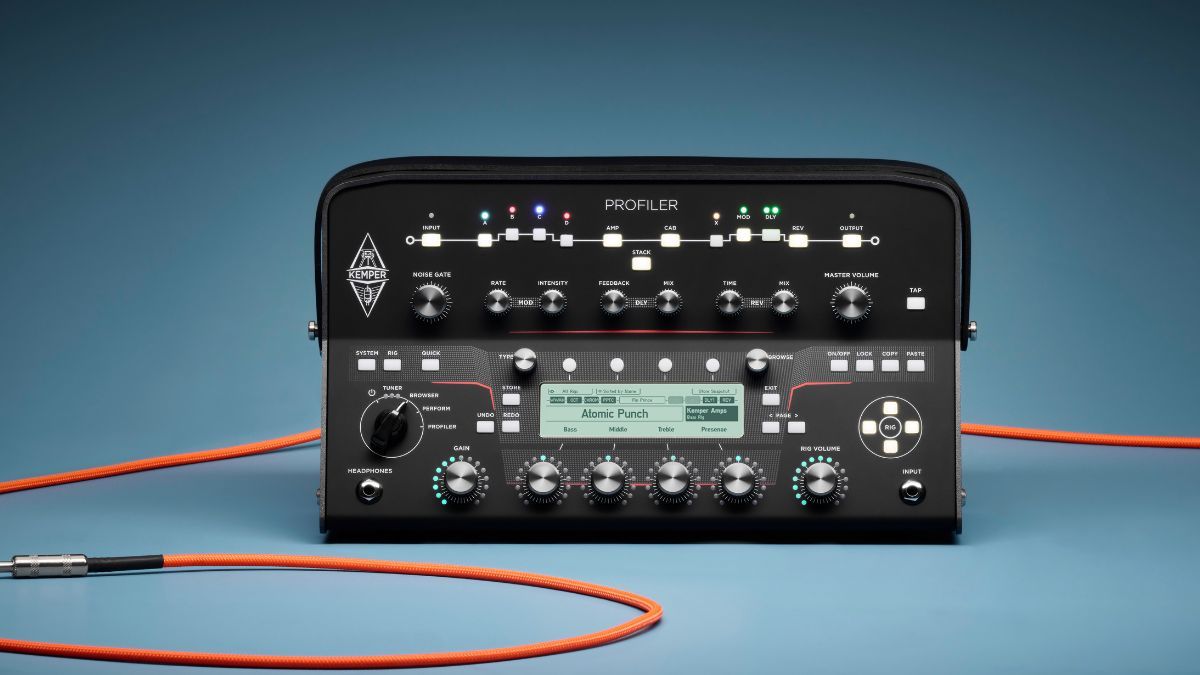
Finally. After years of watching Neural DSP and Line 6 chip away at the amp modeler throne, Kemper just dropped the hardware refresh everyone’s been waiting for. The Kemper Profiler MK 2 series isn’t a minor spec bump — it’s a ground-up rethink of what the Profiler platform can do, and the numbers alone tell the story: 20 simultaneous FX blocks, 8-channel USB audio, and a Stage unit that’s genuinely lighter to carry. Let’s break down what changed, what it means for your rig, and whether this puts Kemper back at the top.
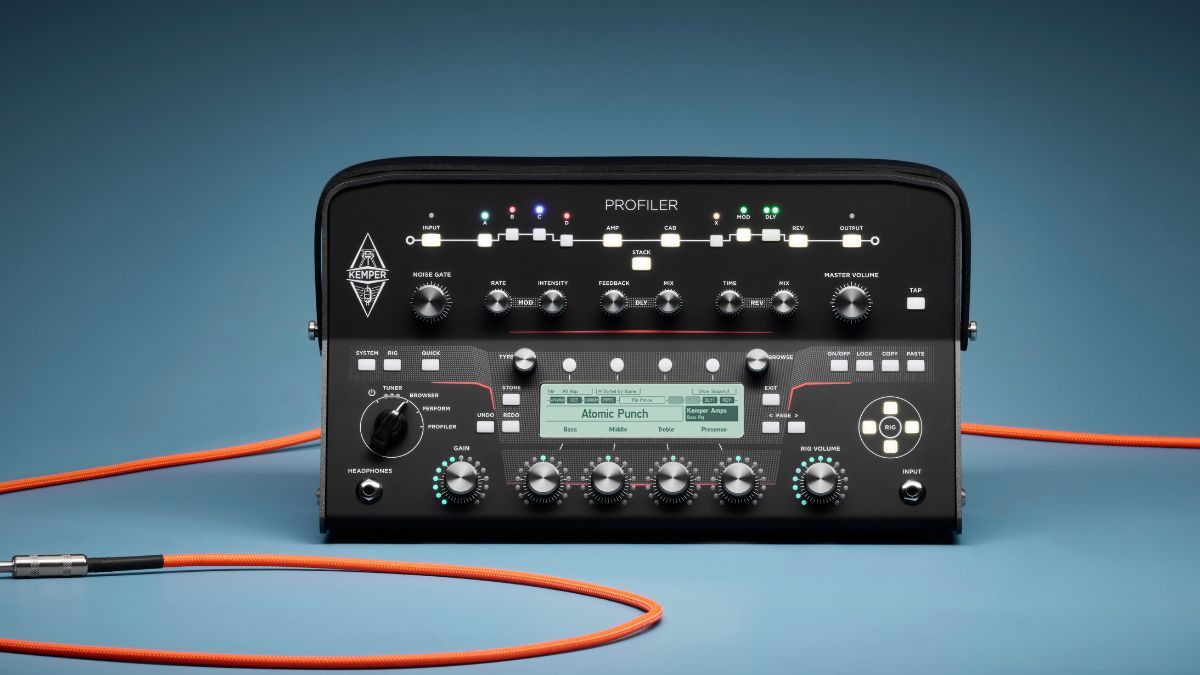
” alt=”Kemper Profiler MK 2 Stage floor unit front view”/>
What’s New in the Kemper Profiler MK 2 Series
The headline feature is the jump from 13 to 20 simultaneous FX blocks. That’s not incremental — it’s a 54% increase in processing headroom that fundamentally changes how you build signal chains. Christoph Kemper himself put it best: the MK 2 is “more like a complete rig than ever before.” And he’s not wrong. With 20 blocks, you can run complex parallel chains, stack multiple drives, and still have room for ambient effects without ever hitting the ceiling.
But the FX count is just the start. Here’s the full breakdown of what Kemper rebuilt:
Core Hardware Upgrades
- 20 simultaneous FX blocks (up from 13) — more routing flexibility than any previous Profiler
- 8-channel native USB audio interface — record direct, re-amped, wet, and dry signals simultaneously without an external interface
- ~20-second boot time — nearly instant power-on compared to the original’s sluggish startup
- 2-minute looper — doubled from the original, finally long enough for actual songwriting loops
- Liquid Profiling with 100,000+ frequency points — the most detailed amp capture resolution on the market
- Lighter aluminum construction (Stage MK 2) — real weight savings for gigging players
Six New Effects Worth Knowing
Kemper didn’t just add more FX slots — they filled them with genuinely useful new effects that address real gaps in the original platform:
- Palm Ninja Noise Gate — a context-aware gate designed specifically for high-gain palm muting. This alone will make metal and djent players pay attention.
- Pure Booster — clean, transparent gain staging without coloring your tone
- WahWah — Kemper’s own take on the classic effect with expanded parameter control
- Vintage Chorus — modeled after the lush, warm chorus sounds of the ’80s rack units
- Air Chorus — a lighter, more ethereal modulation for ambient and clean tones
- Double Tracker — automatic doubling effect that replaces the need for manual double-tracking in the studio
Kemper Profiler MK 2 Pricing: The Full Lineup
Kemper isn’t positioning the MK 2 as a budget option, and the pricing reflects that. Here’s what each model costs:
- Stage MK 2 — $1,475 / €1,549
- Head MK 2 — $1,329 / €1,398
- Rack MK 2 — $1,329 / €1,398
- PowerHead MK 2 — $1,699 / €1,798
- PowerRack MK 2 — $1,699 / €1,798
- Remote — $469 / €426
For context, the Stage MK 2 at $1,475 sits right in the middle of the premium modeler market — roughly in line with Neural DSP’s Quad Cortex ($1,849) and above Line 6’s Helix Floor ($1,699 at launch). The Head and Rack models at $1,329 are actually competitive, especially considering the built-in USB interface eliminates the need for a separate audio interface in many setups.
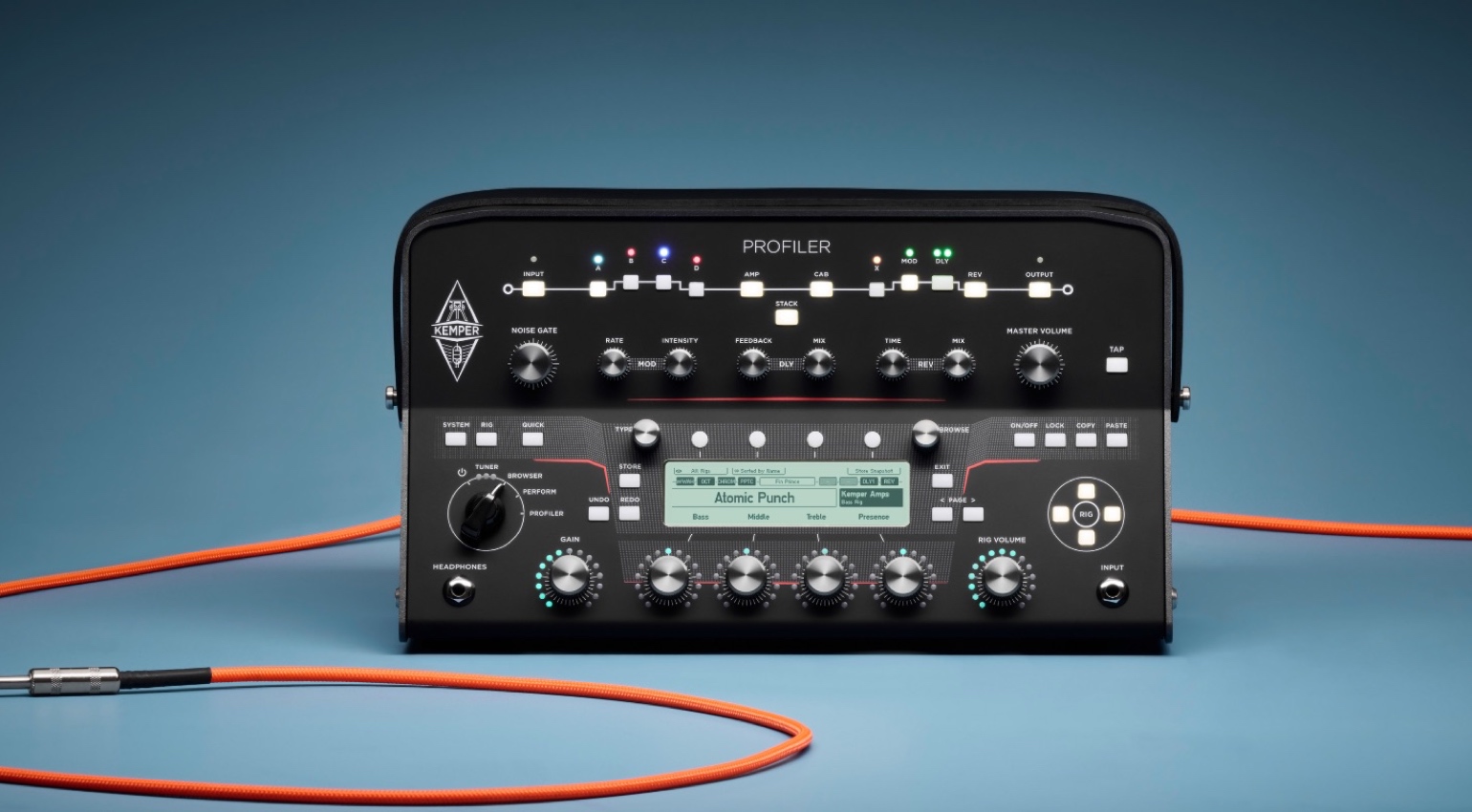
” alt=”Kemper Profiler MK 2 full lineup including Head Rack and Stage models”/>
The USB Audio Game-Changer
Let’s talk about the 8-channel USB audio interface, because this is the feature that will matter most to studio players and home recordists. Previous Profiler models required an external audio interface to record — now you plug in a single USB cable and get eight discrete channels of audio into your DAW.
Why does this matter? Because you can simultaneously record your wet processed signal, a dry DI for re-amping, individual effect returns, and monitoring feeds — all from one unit. For a home studio setup, this could legitimately replace both your amp modeler and your audio interface. That’s a significant reduction in gear, cables, and complexity.
As someone who’s spent 28+ years in audio production, I can tell you that workflow simplification is where the real value lies. The fewer conversion stages and cable runs between your guitar and your DAW, the cleaner your signal path and the faster your creative process. Kemper nailing this integration in the MK 2 is a smart move that directly competes with Neural DSP’s Quad Cortex, which has offered USB audio from day one.
Liquid Profiling: Still Kemper’s Secret Weapon
While competitors rely on neural network modeling (Neural DSP) or impulse response-based approaches (Line 6), Kemper’s Liquid Profiling remains fundamentally different. The MK 2 pushes this further with 100,000+ frequency data points per profile, capturing not just the static tone of an amp but its dynamic behavior — how it responds to pick attack, volume knob roll-offs, and gain staging.
This is what MusicRadar described as “unmatched tonal power, surgical precision, and effortless usability.” The resolution increase means profiles feel more alive under your fingers — less like a static snapshot of an amp and more like the actual amp responding in real time.
Kemper has also teased Profiling 2.0 coming in summer 2025, which suggests even more refinement to the capture process. If you’re already invested in the Kemper ecosystem with thousands of community profiles, the MK 2 makes all of those sound better without re-profiling.
How the Kemper Profiler MK 2 Stacks Up Against the Competition
The amp modeler market in 2025 is the most competitive it’s ever been. Here’s how the MK 2 positions itself against the three main rivals:
vs. Neural DSP Quad Cortex: The Quad Cortex still wins on touchscreen UI and neural capture technology, but the MK 2 now matches it on USB audio and surpasses it with 20 FX blocks (Quad Cortex offers 11 blocks per row, 4 rows). Kemper’s massive existing profile library is an ecosystem advantage Neural DSP can’t easily replicate.
vs. Line 6 Helix: The Helix platform remains the most versatile in terms of routing flexibility and HX Edit software. But the MK 2’s Liquid Profiling offers something Helix fundamentally can’t — the ability to capture any real amp with forensic accuracy. Pricing is comparable.
vs. Fractal Axe-Fx: Fractal’s Axe-Fx III is still the king of raw processing power and modeling depth, but it’s also the most complex and expensive option. The Kemper MK 2 offers a more approachable user experience while Liquid Profiling provides a different path to authentic amp tone.
As Guitar World noted, competition from Line 6 and Neural DSP clearly pushed Kemper to deliver a substantial upgrade rather than a minor revision. The result benefits everyone in the market.
Who Should Upgrade — And Who Should Wait
If you’re running an original Kemper Profiler and you’ve been eyeing the Quad Cortex, the MK 2 gives you a compelling reason to stay in the Kemper ecosystem. The USB audio integration alone could save you the cost of a separate audio interface, and 20 FX blocks opens up signal chain possibilities that simply weren’t available before.
If you’re new to the amp modeler world and choosing your first unit, the Stage MK 2 at $1,475 is an excellent entry point into the premium tier. You get Kemper’s proven profiling technology, a massive community library of profiles, and hardware that’s been modernized to compete with anything on the market.
If you’re already happy with your Quad Cortex or Helix setup and your workflow is dialed in — there’s no urgent reason to switch. The MK 2 is a fantastic product, but it’s not so revolutionary that it invalidates other platforms. The best amp modeler is the one that fits your workflow.
What’s clear is that the Kemper Profiler MK 2 series is the most significant hardware refresh in the company’s history. With 20 FX blocks, native USB audio, faster boot times, and a lighter Stage unit, Kemper has addressed nearly every criticism of the original platform while doubling down on what made it special — Liquid Profiling that captures real amps with unmatched fidelity. Whether you’re tracking in a professional studio or gigging every weekend, this is a platform that’s finally caught up with its own potential.
Thinking about upgrading your guitar rig or optimizing your studio signal chain? Sean Kim brings 28+ years of audio production expertise to help you find the right setup.
Get weekly AI, music, and tech trends delivered to your inbox.