Samsung Galaxy S26 Ultra AI: 5 On-Device Gemini Nano 3 Features That Change Everything
February 13, 2026
Samsung Galaxy S26 Ultra Privacy Display Hands-On: The Bold Screen Tech That’s Splitting Opinions
February 16, 2026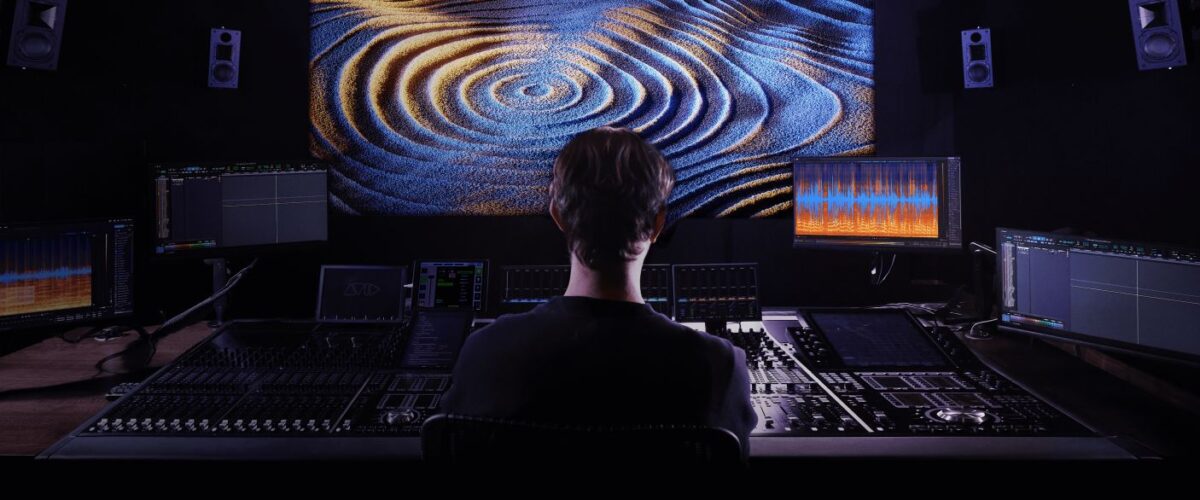
Picture this: a perfect vocal take, ruined by a car horn blaring right through the bridge. With every audio repair tool you’ve ever used, your best option was to cut it, smooth it, and hope nobody notices the gap. iZotope RX 12 just changed the game entirely. Its new Generative Fill feature doesn’t just remove unwanted sound — it reconstructs what should have been there. Welcome to the era of AI audio regeneration.
What Is Generative Fill for Audio?
If you’ve used Adobe Photoshop’s Generative Fill, you already understand the concept. Select a region, tell the AI what you want, and it fills in content that looks — or in this case, sounds — like it belongs there. iZotope RX 12 brings this same paradigm to audio restoration, and the implications are enormous.
Traditional spectral repair works by analyzing the surrounding frequency content and interpolating across the damaged region. It’s effective for short gaps and subtle artifacts, but it falls apart with longer disruptions or complex audio like overlapping dialogue. iZotope’s new approach uses a deep learning model trained on vast datasets of speech, music, and environmental sound to understand context at a much deeper level. When you select a damaged region in the spectral editor, the AI analyzes the speaker’s vocal characteristics, the acoustic environment, the rhythm of speech, and even the semantic context to generate audio that fills the gap naturally.
Think of it as the difference between patching a hole in a wall with spackle versus having an AI that understands the entire room’s architecture and recreates the missing section with matching texture, paint, and structural integrity. That’s the leap iZotope RX 12 is making for audio.
iZotope RX 12 Key Features Breakdown
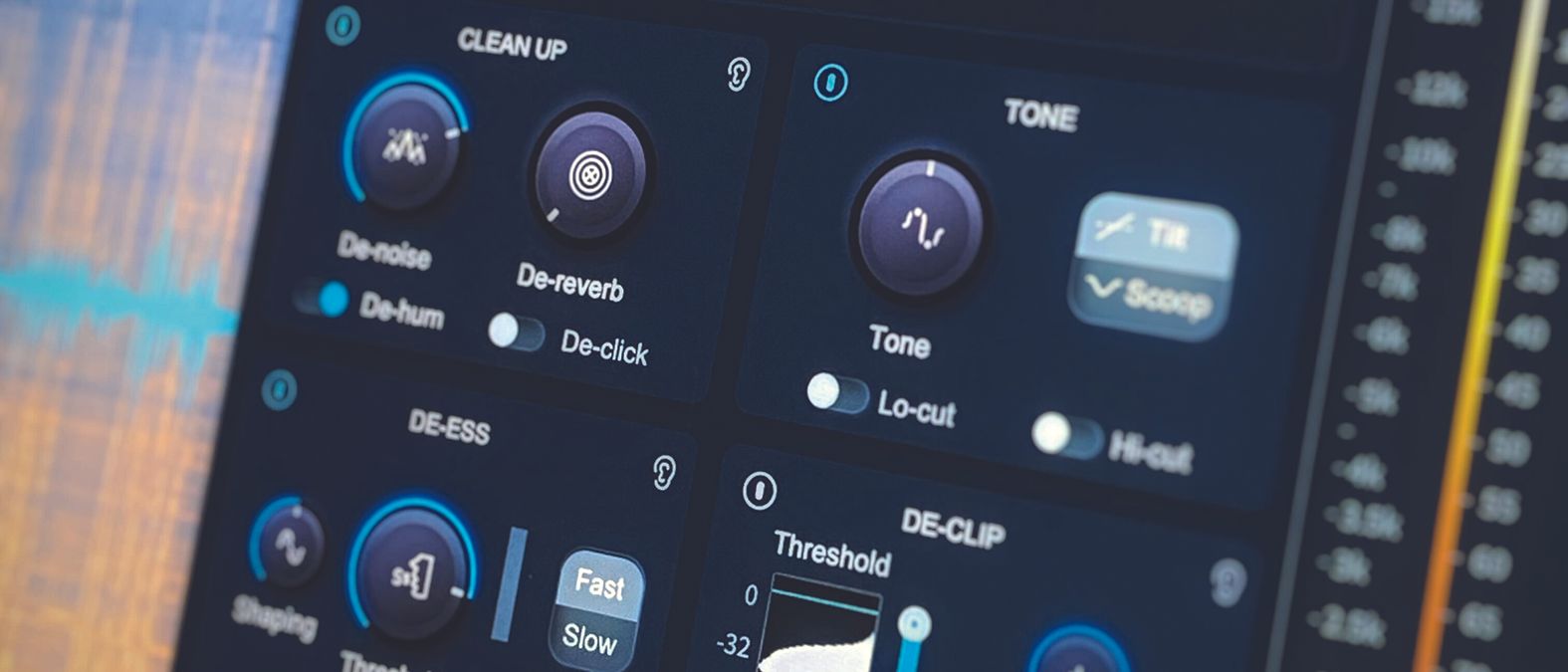
Generative Fill is the headline feature, but RX 12 ships with a full suite of upgrades that make this feel like a genuine generational leap rather than an incremental update. Here’s what’s new:
- Generative Fill: Context-aware AI audio reconstruction that goes beyond removal to regeneration. Works on dialogue, music, and ambient sound.
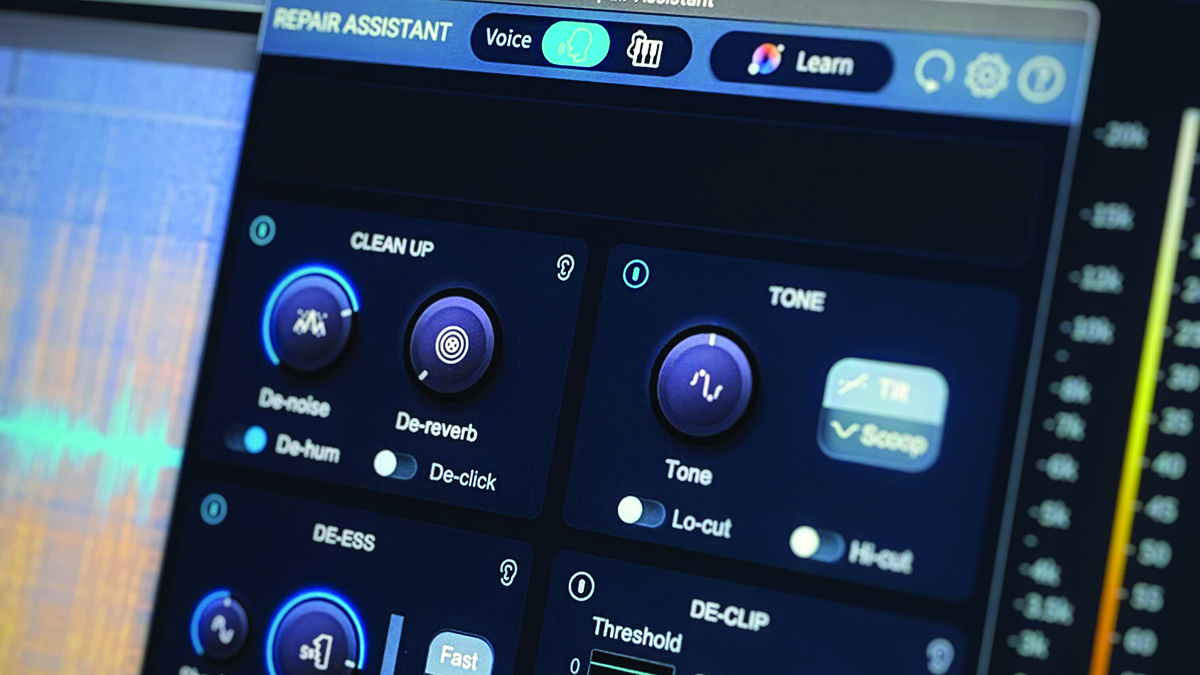
- Repair Assistant 3.0: Third-generation ML engine with significantly improved problem detection accuracy. It now identifies issues it couldn’t before, including subtle phase problems and intermittent digital artifacts.
- Enhanced Dialogue Isolate: Real-time machine learning processing with 2x speed improvements. Critical for live broadcast and on-set monitoring workflows.
- Music Rebalance Pro: Next-generation neural network stem separation that handles bleed, reverb tails, and transient preservation with noticeably better fidelity.
- ARA 2.0 Deep Integration: Tighter DAW integration for seamless round-tripping between your session and RX’s spectral tools.
- Multi-Channel Spatial Audio Support: Expanded support for Dolby Atmos, Sony 360 Reality Audio, and other immersive formats — a must-have as spatial audio content continues to grow.
The cumulative effect is substantial. iZotope has clearly been listening to the post-production community, and the NAMM 2026 timing feels strategic — this launch arrives right when engineers are evaluating their tool chains for the year ahead.
How RX 12 Stacks Up Against the Competition
The audio restoration space has gotten dramatically more competitive since RX’s early days of near-monopoly. Let’s look at how RX 12 compares to the most notable alternatives.
Accentize dxRevive Pro has been the most technically interesting challenger. The German company’s approach already goes beyond traditional filtering — dxRevive identifies and reintegrates missing frequency components using what they call “resynthesis.” Version 1.2.0 improved low-frequency reconstruction significantly, and its 100% local processing is a selling point for studios with strict data policies. However, RX 12’s Generative Fill appears to operate at a higher level of abstraction — not just filling in missing frequencies but reconstructing complete audio events based on contextual understanding.
Adobe Enhance Speech V2 has democratized basic AI audio cleanup with its cloud-based service. At $9.99/month with a free tier offering one hour per day, it’s accessible to podcasters and content creators who need quick fixes. But it’s a consumer-grade solution — no spectral editing, no multi-channel support, no DAW integration. For professional post-production, it’s not in the same conversation.
Steinberg SpectraLayers Pro remains the closest direct competitor to RX in terms of comprehensive spectral editing. Its AI Unmix technology and tight Cubase/Nuendo integration make it a strong choice for Steinberg users. Meanwhile, Hush Pro, which won a Technical Emmy in 2025 for its GPU-accelerated ML noise reduction, represents the cutting edge of real-time processing. And as Sound On Sound noted in their coverage of the competitive landscape, these alternatives are pushing iZotope to innovate faster than ever.
Real-World Impact: Who Benefits Most?
The Generative Fill feature has different value propositions depending on your workflow:
Post-production engineers working on film, television, and documentaries will find this transformative. Location sound is inherently unpredictable — planes overhead, HVAC rumble, crew noise — and ADR (automated dialogue replacement) is expensive and time-consuming. Generative Fill could dramatically reduce the need for ADR sessions by salvaging takes that would previously have been unusable.
Podcasters and content creators dealing with imperfect recording environments will appreciate the upgraded Repair Assistant 3.0. The AI-guided workflow makes professional-grade cleanup accessible without deep technical knowledge of spectral editing.
Music producers gain the most from Music Rebalance Pro’s improved stem separation. Whether you’re sampling, remixing, or trying to isolate a vocal from a mixed master, the neural network improvements mean cleaner separations with fewer artifacts.
There’s an interesting broader context here, too. Production Expert had raised concerns about iZotope’s development trajectory following Native Instruments’ insolvency proceedings. The release of RX 12, coming on the heels of an aggressive 2025 product slate (Ozone 12, Velvet, Equinox, FXEQ), suggests that iZotope’s engineering team is not just surviving but thriving under the restructured organization.
Should You Upgrade from iZotope RX 11?
If you regularly work with heavily damaged audio — location dialogue, archival recordings, forensic audio — Generative Fill alone justifies the upgrade cost. If your work primarily involves lighter cleanup tasks like de-noising podcast recordings or removing the occasional click from a music track, RX 11 still handles those jobs well, and you might wait for a sale or bundle deal.
The bottom line: iZotope RX 12 represents a philosophical shift in audio restoration. We’ve moved from “remove the bad” to “regenerate the good,” and that’s a paradigm change worth paying attention to. The generative AI revolution that transformed text, images, and video has officially arrived in professional audio — and RX 12 is leading the charge.
Need expert guidance on building your audio restoration workflow or choosing the right plugin suite for your studio? Greit Studios offers personalized consultations for producers and engineers.