Plugin Alliance September Sale: Back-to-Studio Deals on 50+ Plugins Including bx_console SSL, AMEK & SPL
September 12, 2025
Meta Connect 2025 Preview: Quest AI Features, Ray-Ban Display Glasses, and 5 Updates Worth Watching
September 15, 2025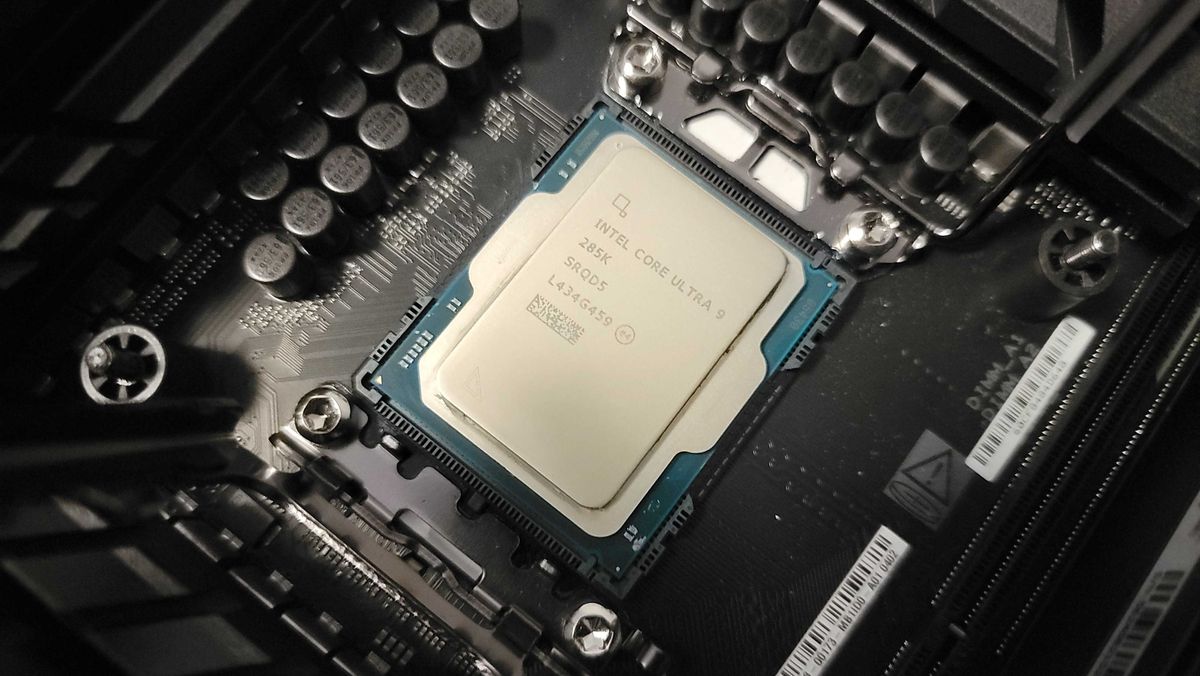
Intel just admitted what every PC builder has been whispering for months: there are “holes to fill on the desktop front.” At this week’s Goldman Sachs Technology conference, Intel laid bare its entire desktop CPU roadmap through 2026 — and the Intel Core Ultra 300 desktop story is far more complex than anyone expected.
Intel Core Ultra 300 Desktop: The Nova Lake Factor
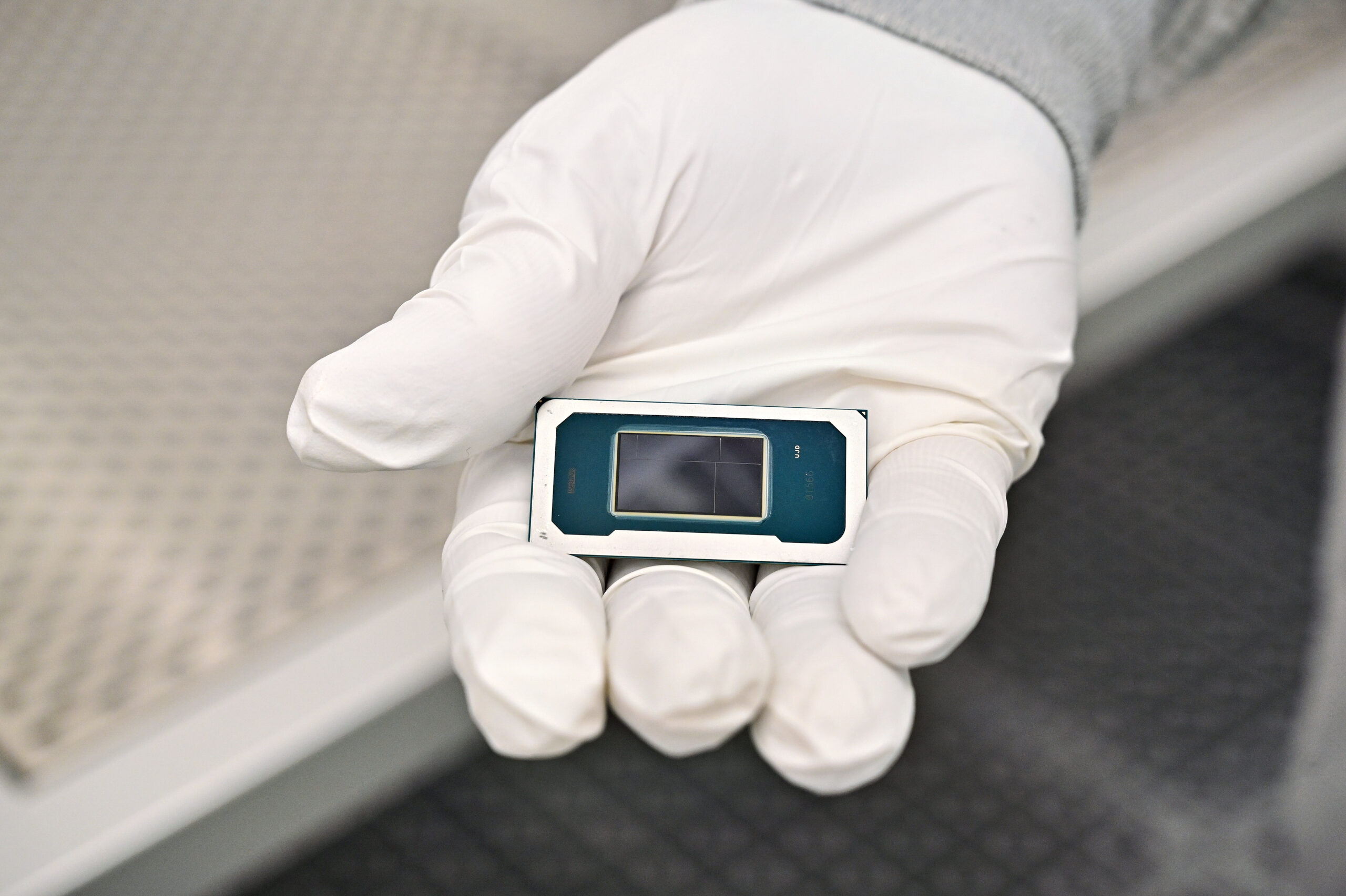
Here’s the twist most buyers don’t realize: the Core Ultra 300 series isn’t one chip — it’s two completely different architectures. Panther Lake, launching for laptops in late 2025, carries the Core Ultra 300 branding for mobile. But for desktops? Intel has something entirely different in the pipeline: Nova Lake-S.
Nova Lake-S is the true Intel Core Ultra 300 desktop processor, scheduled for the second half of 2026. It will debut on the new LGA 1954 socket, replacing the current LGA 1851 platform that Arrow Lake introduced just last year. That means a full platform change — new motherboard, new chipset, new everything.
Arrow Lake Refresh: The Bridge You’ll Have to Cross First
Before Nova Lake arrives, Intel plans an intermediate step: the Arrow Lake Refresh, officially branded as Core Ultra 200S Plus. According to leaked specifications reported by Tom’s Hardware, the lineup includes three models:
- Core Ultra 9 290K Plus — 24 cores (8P+16E), boost to 5.8 GHz, 36MB L3 cache
- Core Ultra 7 270K Plus — 24 cores (8P+16E, up from 8P+12E), boost to 5.5 GHz, DDR5-7200 support
- Core Ultra 5 250K Plus — 18 cores (6P+12E), boost to 5.3 GHz, starting at $199
The most significant change is the Core Ultra 7 270K Plus gaining four additional E-cores, jumping from 20 to 24 total cores. Combined with DDR5-7200 native memory support (up 800 MT/s from current Arrow Lake), this refresh addresses the two biggest complaints about the original lineup: multi-threaded performance and memory latency.
18A Process: Intel’s Make-or-Break Manufacturing Bet
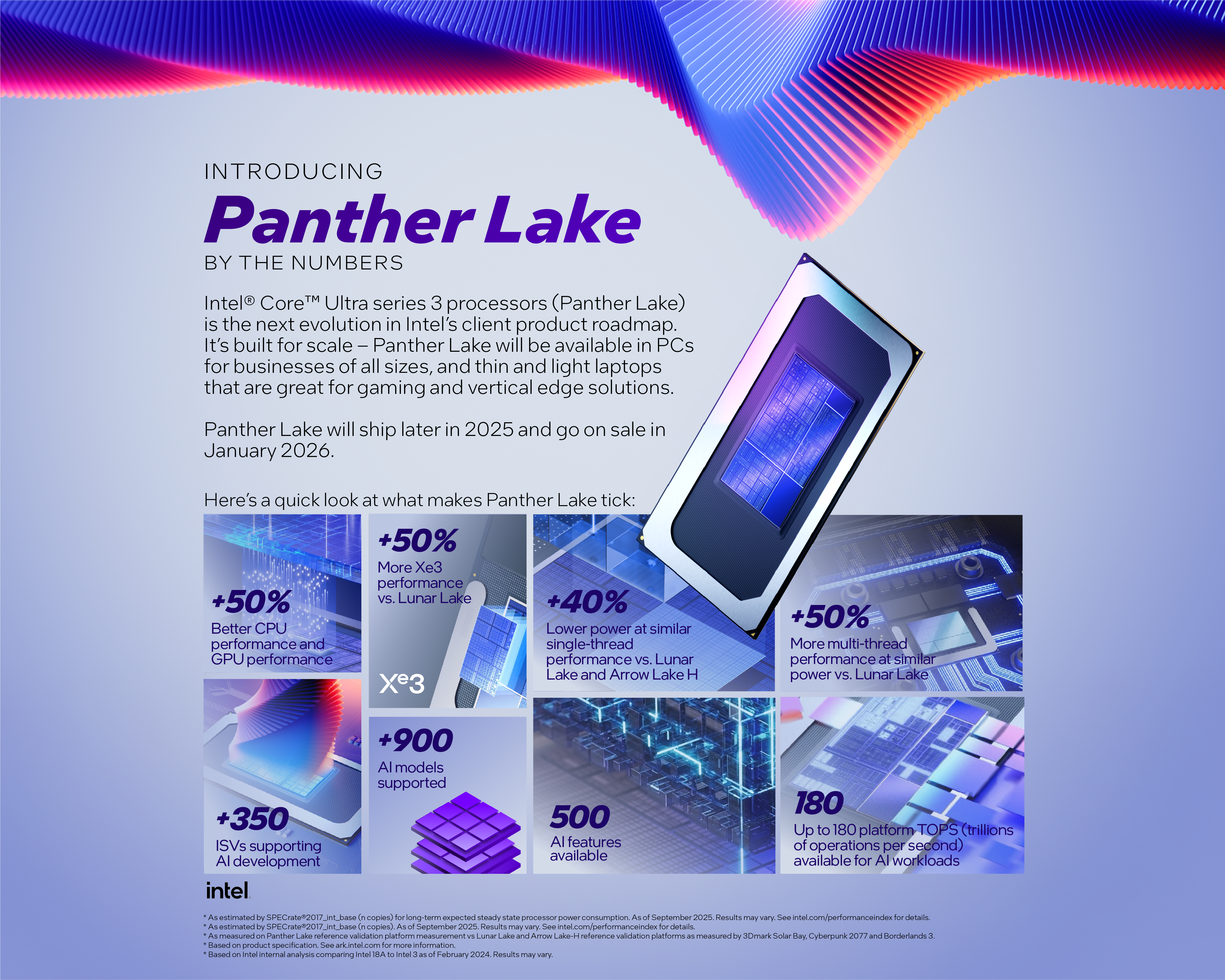
What makes the Intel Core Ultra 300 desktop launch so significant isn’t just the architecture — it’s the manufacturing process. Nova Lake will be built on Intel 18A, the company’s most advanced process node ever developed. Panther Lake, launching first on mobile, will be the proving ground for 18A before it scales to desktop.
The numbers Intel has shared are ambitious: 50% faster CPU performance and 50% faster graphics compared to the previous generation. Panther Lake’s 5-tile design features Cougar Cove P-Cores, Darkmont E-Cores, and the new Xe3 Celestial GPU architecture. While desktop Nova Lake specs haven’t been confirmed, expect similar or greater performance gains given the desktop’s higher thermal headroom.
LGA 1954: Why a New Socket Matters More Than You Think
The move from LGA 1851 to LGA 1954 isn’t just about pin count. With 103 additional pins, Intel can deliver improved interconnect bandwidth between the CPU and chipset, better power delivery for higher core counts, and potentially support for next-generation DDR5 or even early DDR6 memory standards.
For current Arrow Lake builders, this is the uncomfortable truth: your LGA 1851 motherboard has a limited upgrade path. Arrow Lake Refresh will be the last CPU generation on this socket. If you’re planning a build today, you’re essentially committing to a single generation of upgradability — unless you wait for Nova Lake and the LGA 1954 ecosystem.
The AMD Factor: Ryzen 9000X3D Is Already Here
Intel’s roadmap doesn’t exist in a vacuum. AMD’s Ryzen 9000X3D processors with 3D V-Cache are already shipping, and they’ve taken the gaming performance crown convincingly. Intel acknowledged the competitive pressure directly, which is why the Arrow Lake Refresh is prioritizing gaming improvements — early leaks suggest 15% better gaming performance over stock Arrow Lake at 1080p.
But 15% over a chip that already trailed AMD in gaming isn’t exactly closing the gap. The real competitive answer is Nova Lake’s architectural redesign on 18A, which is why Intel is “confident in the roadmap” despite admitting the current gaps. The question is whether builders will wait another year for that answer.
What This Means for PC Builders in September 2025
Here’s the practical breakdown:
- Building now? Arrow Lake (Core Ultra 200S) is your option. Solid productivity performance, but gaming lags behind AMD Ryzen 9000X3D. LGA 1851 will get one more CPU generation (Arrow Lake Refresh) before it’s retired.
- Can wait 6 months? Arrow Lake Refresh (Core Ultra 200S Plus) brings more E-cores, faster memory, and better gaming. Same LGA 1851 socket — existing motherboards may support it with a BIOS update.
- Can wait 12+ months? Nova Lake (Intel Core Ultra 300 desktop) is the generational leap. New 18A process, new LGA 1954 socket, new architecture. This is where Intel bets everything on catching AMD.
Intel’s transparency at the Goldman Sachs conference was refreshing but also telling. When a company openly says it has “holes to fill,” they’re managing expectations for the near term while directing attention to the bigger picture. For Intel, that bigger picture is 18A manufacturing and the Core Ultra 300 desktop line that depends on it.
The next 12 months will determine whether Intel’s desktop strategy is a genuine comeback or another chapter in a long series of delays. For now, the roadmap is clear — even if the execution remains to be proven.
Stay ahead of every CPU launch, GPU benchmark, and hardware roadmap shift — get weekly analysis delivered to your inbox.
Get weekly AI, music, and tech trends delivered to your inbox.