MIDI 2.0 Adoption Update June 2025: Which DAWs and Devices Actually Support It Now
June 27, 2025
Vercel v0 Component Library Support: The Update That Changes AI Web App Building Forever
June 30, 2025
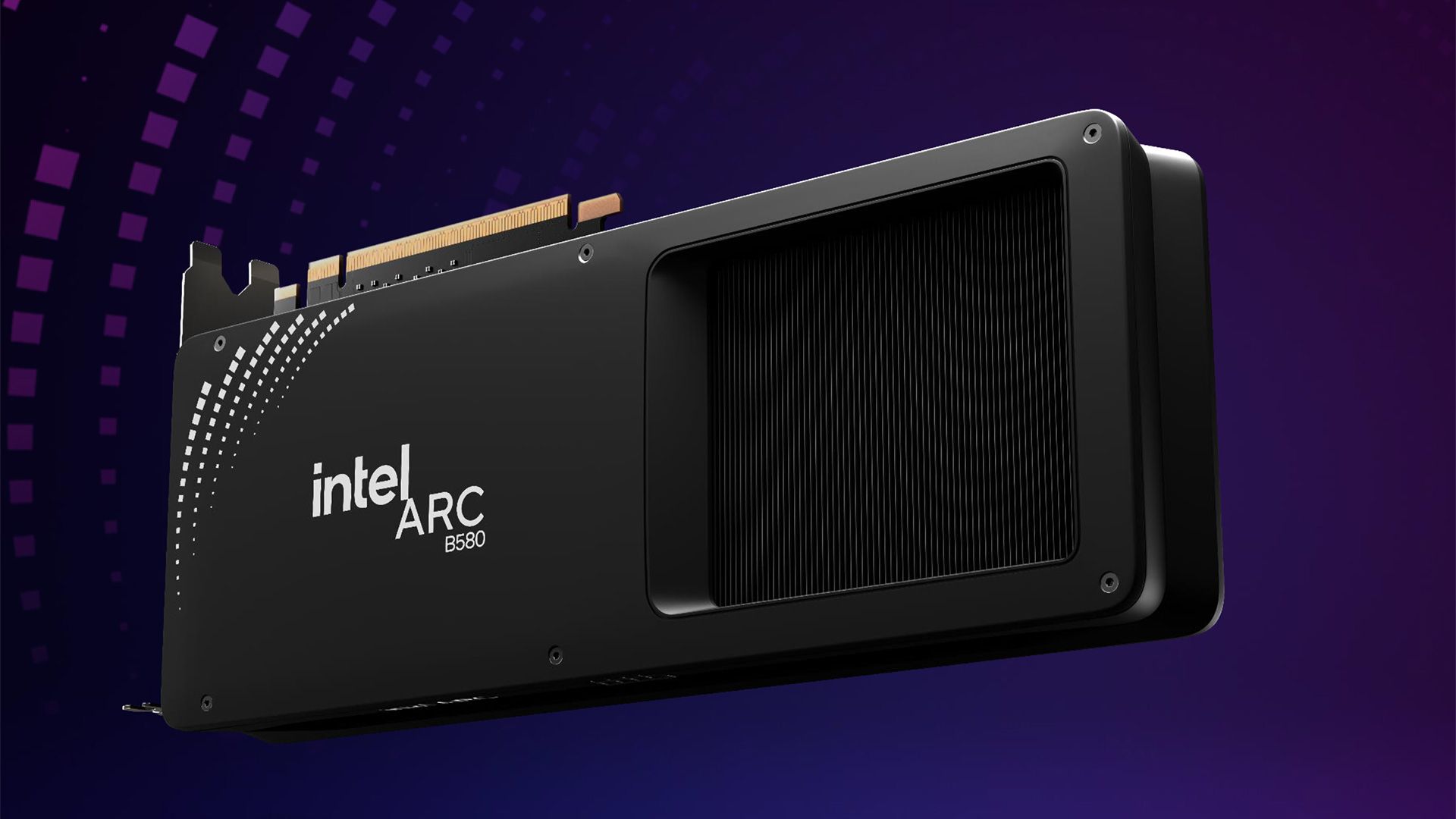
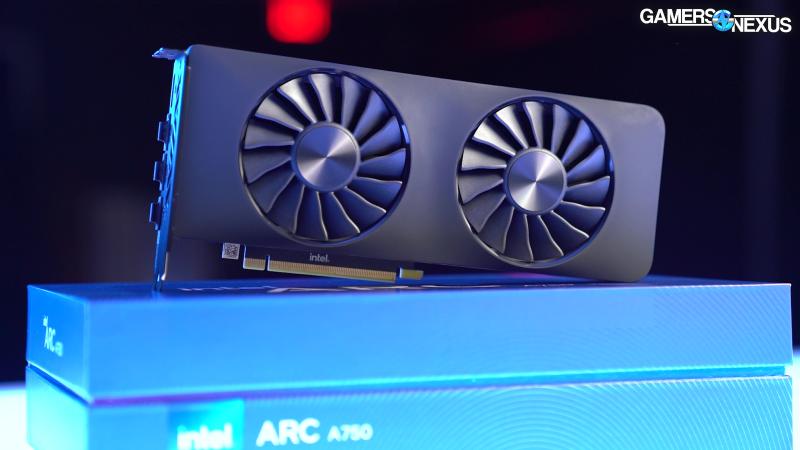
Six months ago, recommending an Intel GPU to anyone felt like a gamble. Today, the Intel Battlemage B-Series GPU lineup has quietly become one of the smartest buys in PC gaming — and the latest price drops are the reason you should finally pay attention.
Intel Battlemage B-Series GPU: The Numbers That Changed Everything
When Intel launched the Arc B580 at $249 and the Arc B570 at $219 late last year, the cards were competitive but not quite compelling enough to pull buyers away from established NVIDIA and AMD options. Fast forward to mid-2025, and the math has changed dramatically. The Arc B580 is now regularly available at $234 — and some models have dipped to $229 — while the B570 has settled around $209. That’s a 12GB VRAM card for less than what NVIDIA charges for 8GB on the RTX 4060.
Let that sink in: 50% more VRAM at 22% less money. In a market where 8GB is increasingly insufficient for modern titles at 1440p, Intel’s VRAM advantage isn’t just a spec-sheet win — it’s a practical one.
Benchmark Reality: Where the Intel Battlemage B-Series GPU Actually Wins
The performance story is more nuanced than any single benchmark can capture. According to GamersNexus’s comprehensive testing, the Arc B580 delivers a staggering 28.6% lead over the RTX 4060 at 4K in Final Fantasy XIV and runs 62% ahead in Cyberpunk 2077 with ray tracing at medium settings.
But here’s what makes the Intel Battlemage B-Series GPU lineup truly interesting: they scale better at higher resolutions. While the B580 and RTX 4060 trade blows at 1080p, the gap widens in Intel’s favor as you push to 1440p and 4K. For anyone building a system around a 1440p monitor — which is the sweet spot for PC gaming in 2025 — the B580’s resolution scaling is a significant advantage.
The Game-by-Game Breakdown
- Cyberpunk 2077 (RT Medium, 1440p): Arc B580 leads by 62% over RX 7600 — Intel’s ray tracing implementation is genuinely impressive
- Final Fantasy XIV (4K): B580 delivers 47 FPS with a 28.6% lead over RTX 4060
- Starfield (1440p): RTX 4060 leads by 31% — Intel still struggles with some Bethesda titles
- Baldur’s Gate 3: Mixed results with some frametime consistency issues on Intel
- Arc B570 vs RTX 4060 in Cyberpunk RT Medium: The $209 B570 outperforms the $300 RTX 4060
The pattern is clear: in ray-traced and resolution-heavy workloads, Intel punches well above its price class. In CPU-bound scenarios and specific game engines, NVIDIA still holds advantages — but those gaps are closing with every driver update.
The Driver Story: From Disaster to Decent
Intel’s biggest weakness with the original Alchemist GPUs was drivers. Crashes, poor compatibility, and missing features plagued early adopters. With Battlemage, Intel has turned a corner. The Xe2 architecture launched with significantly better driver stability, and ongoing updates throughout 2025 have delivered measurable gains.
The most impactful improvement came through CPU overhead optimization. Early Battlemage drivers showed performance penalties on older CPUs, but recent updates have largely eliminated this issue. According to Phoronix’s analysis, compute performance has also improved substantially over the past year, suggesting Intel’s driver team is actively committed to the platform.
XeSS 2.0, Intel’s answer to DLSS and FSR, has also matured. While it still trails DLSS in visual quality, XeSS support is expanding to more titles, and the Frame Generation feature helps push frame rates in supported games. It’s not a reason to buy an Intel GPU on its own, but it’s no longer a reason to avoid one.
Market Context: Why Intel’s 3.7% Share Matters More Than You Think
Here’s the uncomfortable reality: Intel holds just 3.7% of current-generation GPU listings on major retailers, compared to NVIDIA’s dominant 79%. AMD captures 17.3%. Intel is a tiny player in the discrete GPU market, and that creates both risks and opportunities for buyers.
The risk is obvious — will Intel continue to invest in discrete GPUs? The company’s financial struggles and restructuring efforts have raised legitimate questions about the Arc program’s future. However, the B770 “Big Battlemage” rumors and Intel’s confirmed development of the Arc Pro B70 workstation GPU suggest the company isn’t abandoning the market.
The opportunity? Intel is the underdog that needs to over-deliver to win market share, and that benefits consumers directly. The aggressive pricing on B-Series cards isn’t accidental — it’s a strategic move to build a user base before NVIDIA and AMD can respond with their next generation of budget options.
Who Should Actually Buy an Intel Battlemage B-Series GPU Right Now
The Arc B580 at $234 is an easy recommendation for 1440p gamers who play ray-traced titles and want the most VRAM per dollar. The 12GB buffer future-proofs the card against increasingly demanding texture packs and mod libraries. If you primarily play Cyberpunk, Final Fantasy, or other visually demanding titles, the B580 delivers exceptional value.
The Arc B570 at $209 is the budget king for 1080p gaming. It outperforms the RTX 4060 in ray-traced titles while costing $91 less, and its 10GB VRAM still outclasses the competition’s 8GB offerings. For a secondary PC, a first gaming build, or a compact SFF system, the B570 is hard to beat on pure value.
Skip Intel if you’re heavily invested in NVIDIA’s CUDA ecosystem for creative work, if you play competitive esports titles where NVIDIA’s lower-latency Reflex technology matters, or if driver stability is your absolute top priority. Intel has improved dramatically, but NVIDIA and AMD still have deeper game compatibility libraries.
The Bottom Line: Intel Finally Made a GPU Worth Recommending
The Intel Battlemage B-Series GPU story in mid-2025 is simple: the hardware was always competitive at the right price, and now the price is right. The Arc B580 at $234 with 12GB VRAM against an 8GB RTX 4060 at $300 isn’t just a reasonable alternative — it’s arguably the better buy for most gamers who care about resolution and ray tracing over raw framerate in every title.
Intel still has work to do on drivers, game compatibility, and market presence. But for the first time in the company’s discrete GPU history, the recommendation is clear: if you’re building a budget gaming PC in 2025, the Intel Battlemage B-Series deserves serious consideration before you default to green or red.
Looking for expert guidance on building the perfect PC or optimizing your creative workflow? Sean Kim brings 28+ years of audio and tech expertise to every consultation.
Get weekly AI, music, and tech trends delivered to your inbox.