Black Friday 2025: 12 Best Headphone Deals From AirPods to Sennheiser — Up to 56% Off
November 11, 2025
Suno AI v5 Deep Dive: A Massive Leap in Vocal Clarity and Arrangement Intelligence
November 12, 2025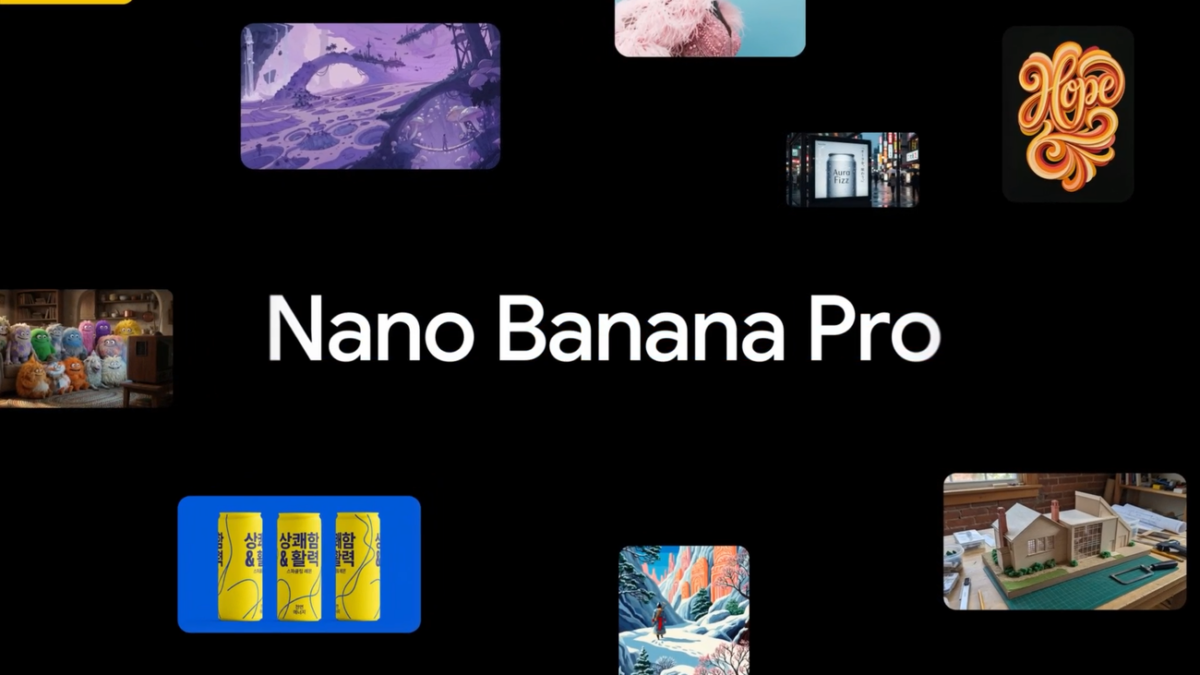
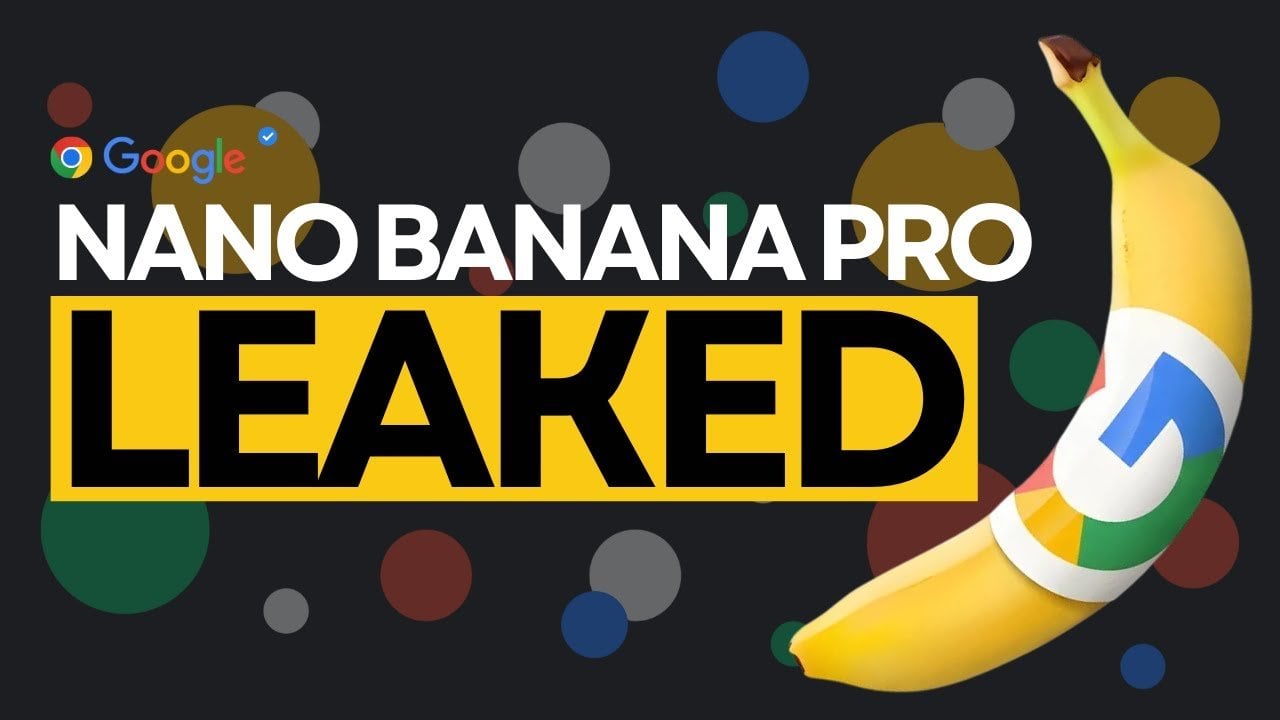
Something big just slipped through the cracks at Google. On November 7, code references to a next-generation image generation model called Nano Banana Pro surfaced on the Vertex AI platform — and the implications for creative professionals are massive. With Black Friday right around the corner and plenty of AI tool subscriptions about to go on sale, the timing of this leak could not be more interesting.
How the Nano Banana Pro Leak Happened
The story broke when WinBuzzer reported the discovery of a preview model labeled “gemini-3-pro-preview-11-2025” on Google’s Vertex AI platform. Alongside this, code referencing “Nano Banana 2” was found embedded in the Gemini website — pointing to what appears to be a major upgrade to Google’s image generation capabilities.
This was not an isolated find. According to Geeky Gadgets, additional evidence surfaced from the Gemini iOS app’s internal code and promotional materials. The leak has generated significant market attention — over $800,000 has been wagered on prediction markets regarding the model’s launch timing. This is not idle speculation. Multiple independent sources are pointing to the same conclusion: Nano Banana Pro is real, and it is coming soon.
The timing is telling, too. Google has a pattern of announcing major AI models in mid-to-late November. Last year’s Gemini 1.5 followed a similar cadence. Whether this leak was a calculated tease or a genuine slip, the signals all point to an official announcement being imminent — likely within the next two to three weeks.
What the Leaked Nano Banana Pro Specs Reveal
Let us get into the specifics of what has been uncovered so far. The leaked information paints a picture of a model that is not just iterating on current capabilities — it is attempting to redefine what AI image generation can do. If even a portion of these specs hold up at launch, Nano Banana Pro would represent a generational leap forward.
4K Native Resolution Output
The most immediately impressive spec is native 4K resolution output. To put this in perspective, the current industry standard for AI image generation tops out at 1024×1024 pixels — that includes Midjourney, DALL-E 3, and Stable Diffusion XL. A 4K output at 4096×4096 pixels represents sixteen times the pixel count. That is not an incremental improvement; it is the difference between a social media graphic and a print-ready poster. For photographers, designers, and anyone producing content for large format displays, this eliminates the need for upscaling tools like Topaz Gigapixel or Magnific AI — saving both time and additional subscription costs.
Multilingual Text Rendering
If you have ever tried to generate an image with text in it using any current AI model, you know the pain. Garbled letters, misspelled words, inconsistent fonts — text rendering has been the Achilles’ heel of AI image generation since day one. The Nano Banana Pro leak suggests Google has tackled this problem head-on, with accurate text rendering not just in English but across multiple languages including CJK characters (Chinese, Japanese, Korean). For marketers creating multilingual campaigns or designers producing materials for global audiences, this alone could be a reason to switch platforms. Imagine generating a product mockup with perfectly rendered Korean and English text in a single pass — no Photoshop post-processing required.
Web Search Integration via Google Search
This is perhaps the most unconventional feature in the leak, and it reveals the advantage of having a search engine parent company. Nano Banana Pro appears to integrate directly with Google Search, allowing the model to fact-check visual content in real time before generating it. The practical implications are significant: think infographics with accurate statistics, maps with correct geographical data, diagrams that reflect current information, or charts based on real market data. No other image generation model has access to a live search engine, and this could position Nano Banana Pro as the go-to tool for data-driven visual content creation.
Professional Camera Controls
The leaked specs also reference granular camera controls that would make Nano Banana Pro feel less like a text-to-image generator and more like a virtual photography studio. Users would reportedly be able to adjust camera angle, lighting conditions, depth of field, and color grading with precision. This moves beyond simple prompt-based generation into territory that professional photographers and cinematographers would find genuinely useful — particularly for pre-visualization work, storyboarding, and rapid concept iteration.
Pricing Tiers and Access
The pricing structure revealed in the leak follows a familiar freemium pattern but with some notable details. A free tier is expected with watermarked outputs — still useful for experimentation and non-commercial work. Above that, references to AI Pro, AI Ultra, and AI Studio tiers suggest differentiated pricing based on resolution limits, generation speed, API access, and commercial licensing rights. The AI Studio tier in particular appears aimed at developers and enterprises who need API-level integration for automated workflows.
Google Ecosystem Integration
Perhaps the most strategically important aspect of the leak is the deep integration with the broader Google ecosystem. References to Google Ads, Antigravity (Google’s experimental design platform), Flow (its video generation tool), and Workspace suggest that Nano Banana Pro is not being built as a standalone product. It is designed to be a visual generation engine embedded across Google’s entire productivity and advertising stack. For businesses already operating within Google’s ecosystem, this integration could eliminate friction that currently exists when moving assets between separate creative tools and distribution platforms.
- Resolution: Native 4K (4096×4096) — 16x more pixels than the current 1024×1024 standard
- Text rendering: Accurate multilingual output including CJK characters
- Web search: Real-time fact-checking via Google Search for data-driven visuals
- Camera controls: Adjustable angle, lighting, depth of field, and color grading
- Pricing: Free tier (watermarked) plus AI Pro, AI Ultra, and AI Studio paid tiers
- Ecosystem: Deep integration with Google Ads, Antigravity, Flow, and Workspace
- Engine: Built on Gemini 3 Pro reasoning model for contextual understanding
The Black Friday Dilemma for Creative Professionals
Here is the awkward timing problem. Black Friday 2025 is just weeks away, and every AI tool vendor is preparing discounts on annual subscriptions. Midjourney Pro plans, Adobe Creative Cloud bundles, Runway ML subscriptions, various Stable Diffusion hosting services — all are likely to see significant price cuts. The question on every creative professional’s mind: should you lock in a year-long commitment right now, or wait?
My advice depends on where you are in your AI creative workflow. If you are already deeply invested in Midjourney or DALL-E and they are tightly integrated into your production pipeline, go ahead and grab those Black Friday deals. Nano Banana Pro will likely be an addition to your toolkit rather than a full replacement — each model has its own aesthetic personality and strengths. Having multiple tools in your belt is an advantage, not a redundancy.
But if you are just starting to explore AI image generation and have not committed to any platform yet, I would seriously consider waiting two to three weeks for Google’s official announcement. The leaked free tier is particularly significant here — if Google offers a robust free option, even with watermarks, it could become the default starting point for anyone new to AI-generated imagery. Why pay for a Midjourney subscription when you can test Google’s latest model for free?
There is also a third scenario worth considering. Some professionals might benefit from a hybrid approach: grab a short-term monthly subscription to a current tool for immediate project needs, while keeping annual commitments on hold until the Nano Banana Pro dust settles. The flexibility is worth a small premium in monthly pricing.
Nano Banana Pro vs the Competition: How Does It Stack Up?
Leaked specs are one thing — context is another. To understand what Nano Banana Pro actually means for the market, we need to compare it against the tools creative professionals are using right now. Here is how the leaked capabilities stack up against the current generation of AI image generators.
Nano Banana Pro vs Midjourney v6
Midjourney has been the undisputed champion of artistic quality and aesthetic consistency. Its v6 model produces images with a distinctive visual polish that many photographers and artists prefer. However, Midjourney operates exclusively through Discord (and its limited web alpha), maxes out at 1024×1024 resolution, and has no text rendering capability worth mentioning. Midjourney’s strength has always been its artistic sensibility — the way it interprets prompts with an almost editorial eye for composition and lighting. If Nano Banana Pro’s camera controls deliver on the leaked specs, it could match Midjourney’s aesthetic control while offering dramatically higher resolution and accurate text. That said, Midjourney’s style library and community ecosystem represent years of accumulated value that Google cannot replicate overnight. Price-wise, Midjourney’s $10-60/month range will face pressure if Google’s free tier is genuinely competitive.
Nano Banana Pro vs DALL-E 3 and gpt-image-1
OpenAI’s DALL-E 3 currently leads the market in text rendering accuracy — it is the only widely available model that can reliably generate images with readable text in English. But its multilingual text capability remains limited, and its maximum resolution is constrained. The newer gpt-image-1 model shows improvements but still operates within similar resolution bounds. Where DALL-E has a significant advantage is its deep integration with ChatGPT and the OpenAI API ecosystem, making it the easiest model to incorporate into automated workflows. Nano Banana Pro would need its Google AI Studio API to be equally developer-friendly. If Google delivers on multilingual text rendering and 4K output, it could leapfrog DALL-E in both areas where DALL-E currently dominates — text accuracy and API accessibility.
Nano Banana Pro vs Stable Diffusion XL and Flux
The open-source ecosystem — Stable Diffusion XL, Flux, and their countless fine-tuned variants — occupies a fundamentally different position. These models can run locally, can be customized with LoRA adapters, and cost nothing beyond hardware. For users who need complete control over their models, data privacy, or highly specialized outputs (specific art styles, consistent characters, NSFW content), open-source will remain irreplaceable. Nano Banana Pro cannot compete on customizability or data privacy. However, it can compete on raw capability and convenience. Most creative professionals do not want to manage GPU servers, install Python dependencies, or navigate ComfyUI node graphs. If Nano Banana Pro offers superior results through a simple web interface with no setup, it will attract the majority of users who just want great images without technical overhead.
Nano Banana Pro vs Adobe Firefly
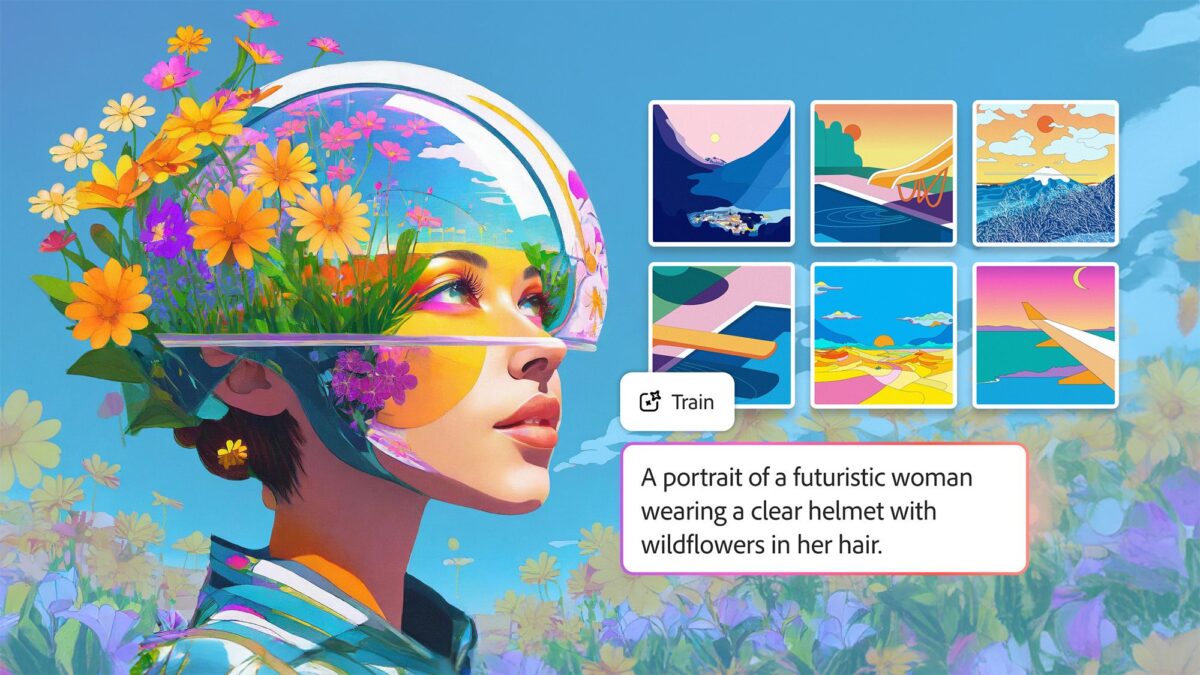
Adobe Firefly occupies a unique position: it is the only major AI image generator trained exclusively on licensed content, making it the safest choice for commercial use from a legal perspective. Enterprise clients who worry about copyright infringement lawsuits have gravitated toward Firefly for this reason. Its integration with Photoshop, Illustrator, and the broader Creative Cloud suite is seamless. Nano Banana Pro’s challenge here is trust. Google has not been as explicit about its training data sourcing, and enterprises with conservative legal teams may hesitate. However, Google’s ecosystem integration with Ads and Workspace could appeal to marketing teams who live in Google’s world rather than Adobe’s. The competitive dynamic here is less about image quality and more about ecosystem lock-in and legal comfort.
The Gemini 3 Pro Differentiator
The key differentiator that none of these competitors can match is the Gemini 3 Pro reasoning engine underpinning Nano Banana Pro. Current image generation models are essentially pattern-matching systems — they map text descriptions to visual outputs based on training data. Gemini 3 Pro adds a reasoning layer that can understand context, verify facts against web search results, and make informed compositional decisions. This is not just a better image generator; it is an image generator that thinks before it creates. For complex prompts that require spatial reasoning, accurate data representation, or multi-element compositions, this reasoning capability could produce dramatically more accurate results than any competitor.
- vs Midjourney v6: Higher resolution and text rendering, but Midjourney retains artistic style edge and community ecosystem
- vs DALL-E 3 / gpt-image-1: Potential leap in multilingual text and resolution; API integration battle is key
- vs Stable Diffusion / Flux: Convenience and capability advantage, but open-source retains customization and privacy edge
- vs Adobe Firefly: Ecosystem integration competition; Firefly holds legal safety advantage with licensed training data
- Key differentiator: Gemini 3 Pro reasoning engine enables fact-checked, context-aware image generation — a category first
What This Means for the Creative Industry
If Nano Banana Pro delivers on even half of what the leaks suggest, the ripple effects across the creative industry will be substantial. Advertising agencies could dramatically reduce the time and cost of initial concept work and client presentations. Entertainment studios will have faster concept art pipelines, allowing more creative iteration before committing to expensive production. Digital artists gain access to 4K output and granular camera controls that open entirely new creative possibilities.
The expected integration with Google’s broader ecosystem — Ads, AI Studio, Antigravity — deserves special attention. If image generation, ad targeting, placement optimization, and performance analytics all live under one roof, that is a fundamental workflow shift for marketing teams at every scale. It also raises the competitive stakes significantly for Adobe, which has been carefully positioning Firefly as the safe, enterprise-grade, legally clean choice for AI-generated content.
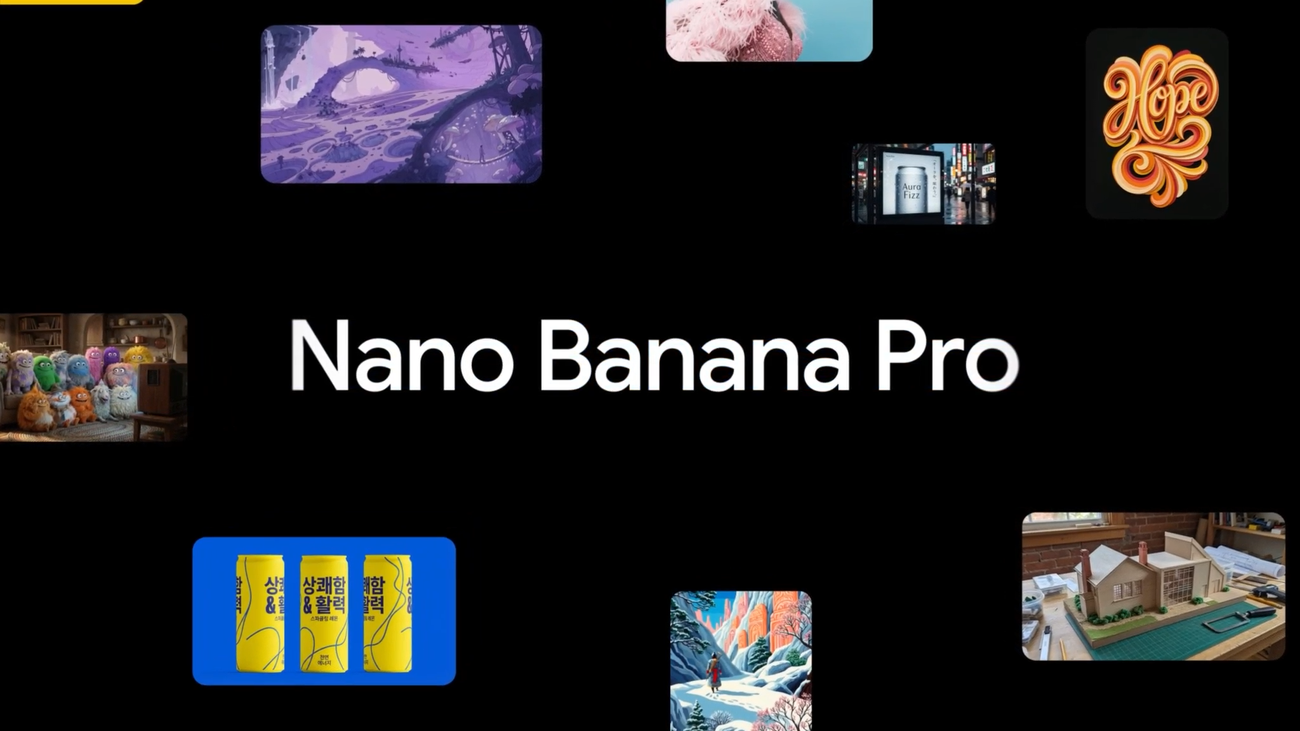
For individual creators and small studios, the potential free tier changes the accessibility equation entirely. Professional-quality AI image generation has required paid subscriptions until now. If Google makes a genuinely capable model available at no cost, it democratizes access in a way that could accelerate adoption across the entire creative field.
Of course, we are still working with leaked information, and specifications could change between now and the official launch. But the direction is unmistakable: Google is combining Gemini 3 Pro’s reasoning capabilities with image generation in a way that no competitor has attempted. Whether you are a designer, marketer, content creator, or developer building on AI APIs, this is a development worth tracking very closely. The official announcement cannot come soon enough.
Interested in integrating AI image generation tools into your creative workflow or building automation pipelines? Let’s talk.
Get weekly AI, music, and tech trends delivered to your inbox.