DLSS 4.5 Dynamic Multi Frame Generation: 6X Mode Delivers 35% Boost, Launches March 31
March 20, 2026
Midjourney v8 Launches: 5x Faster with Native 2K, But Premium Features Cost 4x More
March 20, 2026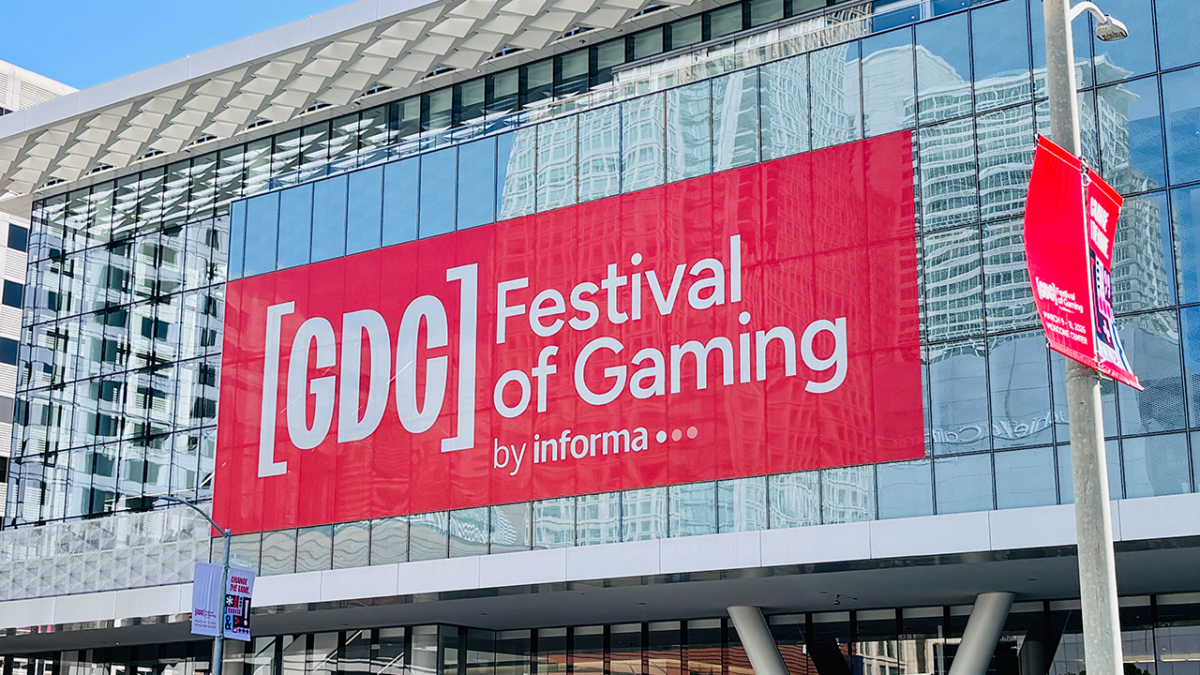
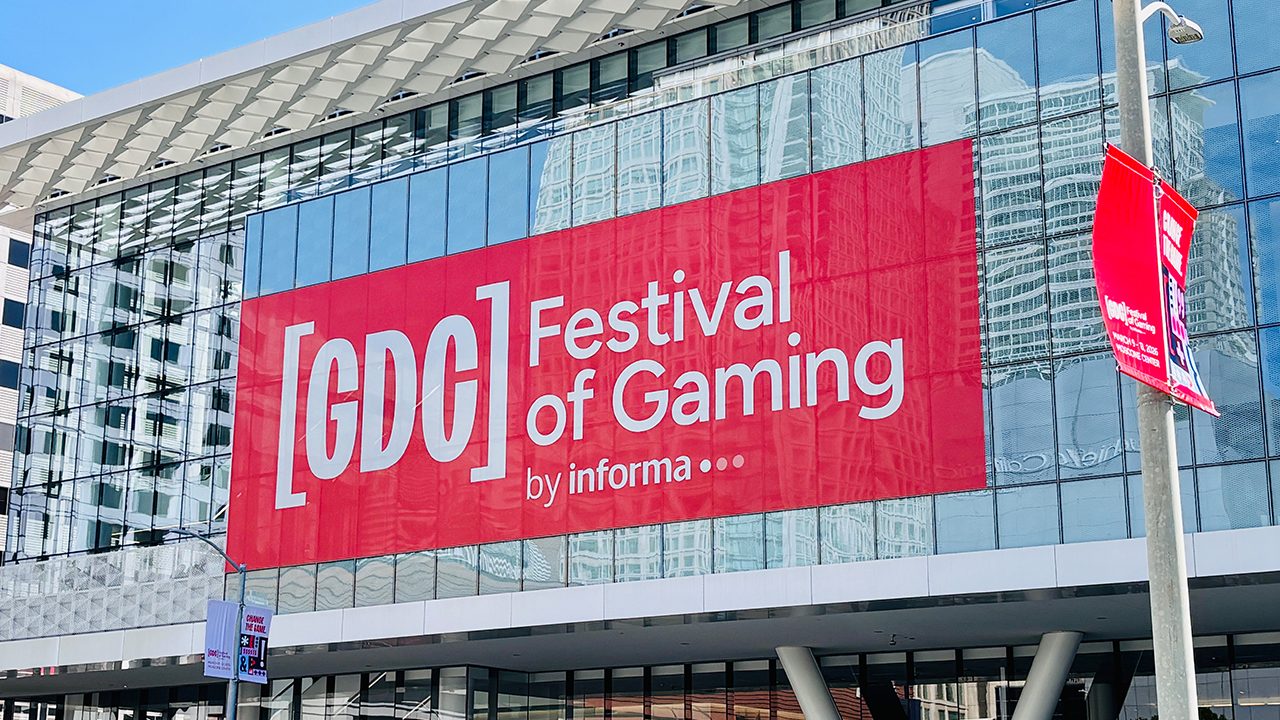
20,000 people. 85 countries. And Google just demoed an AI that generates playable 3D worlds from a text prompt — with a standing-room-only crowd that turned away over 100 people at the door. GDC 2026, freshly rebranded as the “Festival of Gaming,” didn’t just host another developer conference. It staged a reckoning with where this industry is headed.
After five packed days in San Francisco — 700+ sessions, 1,100 speakers, 300+ exhibitors spread across five distinct “neighborhoods” — the dust has settled enough to separate signal from noise. Here are the five biggest takeaways from GDC 2026 that will shape game development for years to come.
1. Google Genie 3 Steals the Show at GDC 2026 — But Reality Checks Are Included
The single most talked-about moment at GDC 2026 was Google DeepMind’s live demonstration of Genie 3, a generative AI model that creates fully navigable 3D environments from text prompts. Type “abandoned space station with flickering emergency lights and zero-gravity debris,” and within seconds you’re walking through it. The demo room hit capacity almost instantly, with over 100 attendees turned away.
But here’s the nuance that got lost in the hype cycle: Genie 3’s generated worlds currently degrade after roughly 60 seconds of exploration. Textures break down, geometry collapses, and the illusion shatters. That’s a dramatic improvement from earlier versions — which fell apart in mere seconds — but it’s still nowhere near production-ready for shipping games.
Google themselves were careful to frame Genie 3 as a prototyping and ideation tool, not a replacement for game development. “This is about accelerating the earliest stages of creative exploration,” the team explained during the Q&A session. For level designers who currently spend hours blocking out environments in gray-box, that 60-second window could still be transformative — even if the final product needs traditional tools to finish.
The real question isn’t whether AI can generate game worlds. It clearly can. The question is whether 60 seconds becomes 60 minutes, and how quickly. If DeepMind’s trajectory holds — months ago the worlds collapsed in seconds, now they sustain for a full minute — we could see production-viable generative environments within two years. That timeline should have every engine developer and level design toolmaker paying very close attention.
2. Tencent’s AI Summit: The Quiet Power Play
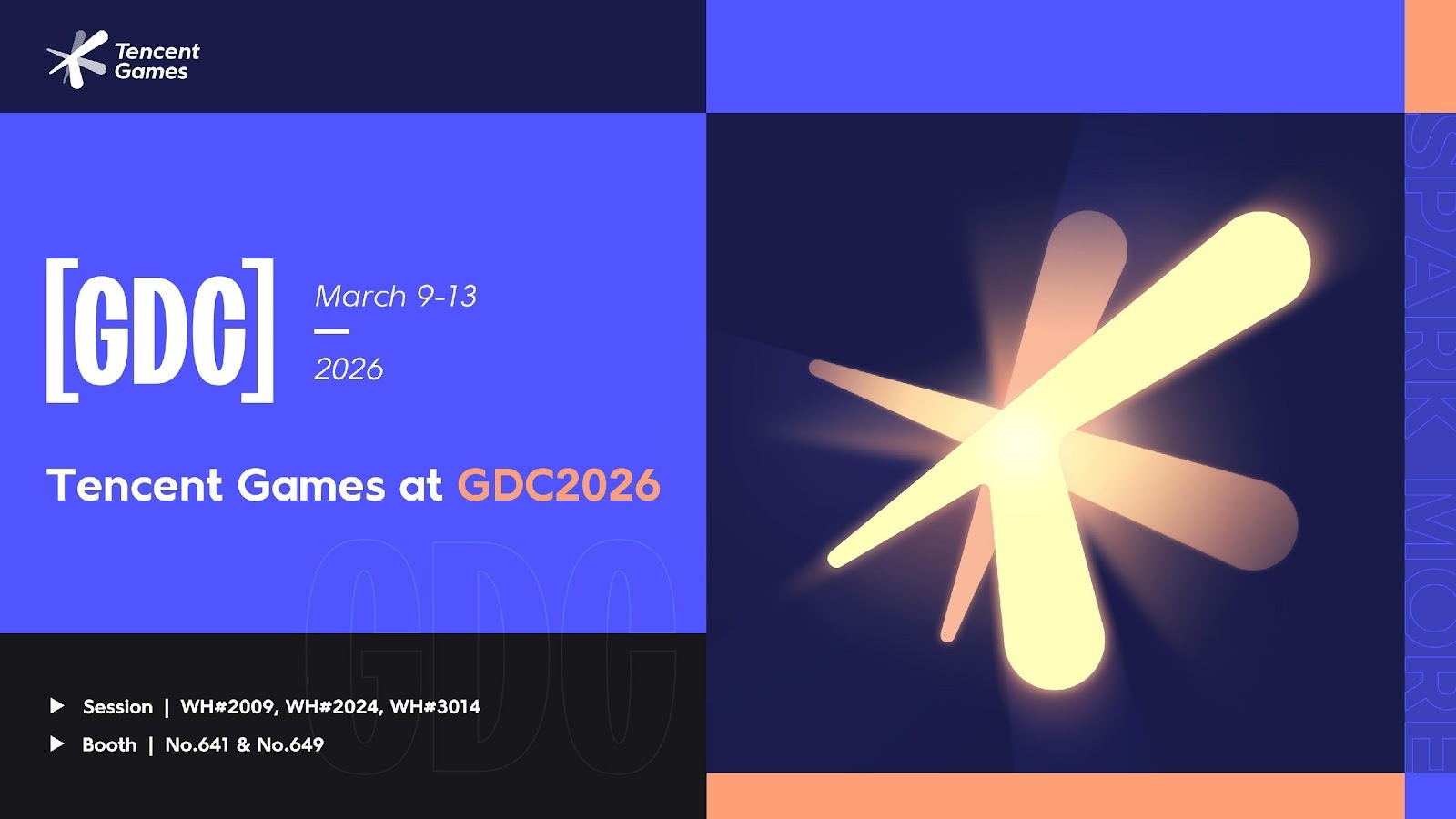
While Google grabbed the headlines, Tencent ran a parallel AI summit with over 20 dedicated sessions that may prove more immediately impactful for working developers. The Chinese tech giant unveiled three core AI tools designed to slot directly into existing game development pipelines.
MagicDawn handles procedural asset generation — think characters, props, and environmental objects created from reference images and text descriptions. Unlike Genie 3’s world-scale ambitions, MagicDawn focuses on the granular asset pipeline that eats up most of a studio’s production budget.
VISVISE tackles the visual testing nightmare. It uses computer vision to automate QA processes that currently require teams of human testers playing through every possible scenario. For studios shipping live-service games with constant updates, this alone could cut QA cycles by weeks.
ACE (AI Character Engine) generates NPC behaviors and dialogue trees that respond dynamically to player actions. This isn’t the scripted branching dialogue we’ve had for decades — it’s contextual AI that adapts in real-time, similar to what we’ve seen in experimental narrative games but now packaged as a middleware solution.
The subtext here is significant. Chinese companies are now leading in practical AI application for game development, according to GDC’s own State of Industry Report. While Western studios debate the ethics and implications, Tencent is shipping tools. That gap in adoption speed could reshape competitive dynamics across the global market.
3. Microsoft Project Helix: The Next-Gen Xbox Nobody Expected
Microsoft used GDC 2026 to pull back the curtain on Project Helix, their next-generation Xbox hardware platform. The headline feature: machine-learning-powered ray tracing that reportedly delivers path-traced lighting at frame rates current hardware can only dream of.
But the bigger story is the platform strategy. Project Helix represents a full unification of console and PC — not just cross-play compatibility, but a single development target. Games built for Helix run identically across dedicated console hardware and Windows PCs with compatible specs. Microsoft is essentially dissolving the boundary between console and PC gaming at the hardware-software interface level.
For developers, this means one build instead of two. For players, it means your hardware choice becomes about form factor and price, not exclusive ecosystems. For the industry, it’s the most aggressive platform consolidation move since Valve launched Steam on multiple operating systems.
Speaking of Valve, they also showed up with new details on their Steam Machine Verification program, creating a standardized spec tier for PC hardware that mirrors console generations. The convergence between console and PC gaming is no longer a talking point — it’s the engineering roadmap both companies are actively building.
4. The Indie Renaissance Is Real — And the Awards Prove It
Bloomberg’s Jason Schreier summarized it best in his post-GDC analysis: “Indies are more interesting than ever.” This wasn’t just critical commentary — the awards backed it up.
At the Independent Games Festival, Titanium Court took home the Seumas McNally Grand Prize, while the Game Developers Choice Awards crowned Clair Obscur: Expedition 33 as Game of the Year. What’s notable isn’t just the quality of these titles — it’s the development context. Both were made by relatively small teams operating on a fraction of AAA budgets.
The Festival of Gaming’s new layout reinforced this shift. The “Indie & Education” neighborhood was one of the five core areas alongside Future Tech and Monetization — not a sideshow or a satellite hall. The message from organizers was clear: independent development isn’t the industry’s fringe. It’s increasingly its creative engine.
Several factors are converging to fuel this renaissance. AI tools (including the ones Tencent just announced) are dramatically lowering the production barrier for small teams. Digital distribution has eliminated the gatekeeping of physical retail. And player fatigue with formulaic AAA releases is driving audiences toward novel experiences that only risk-tolerant indie studios are willing to create.
This doesn’t mean AAA is dead — far from it. But the gap between indie ambition and AAA execution is narrowing faster than most industry veterans predicted. When a small team with smart AI tooling can compete for Game of the Year, the old playbook of throwing hundreds of millions at a project starts looking less like a competitive advantage and more like a structural liability.
5. The Job Market Elephant in the Room at GDC 2026
For all the exciting technology on display, GDC 2026 couldn’t escape the shadow of the industry’s ongoing employment crisis. The State of Industry Report acknowledged what everyone on the show floor was talking about: layoffs continue to reshape the workforce, and generative AI is dividing opinions on whether it’s a job creator or destroyer.
Schreier’s reporting highlighted two related trends. First, “everyone needs a job” — the networking energy at GDC 2026 had a palpable edge of urgency, with experienced developers from shuttered studios actively seeking new positions. Second, “co-development is ubiquitous” — studios are increasingly outsourcing major portions of their games to external partners, fundamentally altering the traditional studio employment model.
The “reuse” mentality is the third piece of this puzzle. Studios are building modular, reusable systems and assets rather than creating bespoke content for each project. This is smart engineering, but it also means fewer artists and designers are needed per project. When you combine reusable assets with AI-generated content and widespread co-development, the math on traditional full-time studio employment gets uncomfortable.
This isn’t unique to gaming — similar restructuring is happening across creative industries. But the gaming sector’s combination of rapid AI adoption, cyclical boom-bust development, and a massive talent pool from recent layoffs makes it a bellwether for how other industries will navigate this transition.
What Comes Next
GDC 2026 — or rather, the Festival of Gaming — delivered exactly what its rebrand promised: a broader, more inclusive look at where interactive entertainment is heading. The five neighborhoods (Game Dev, Future Tech, Indie & Education, International, Monetization & Player Engagement) reflected an industry that’s simultaneously fragmenting and converging.
The technology announcements were genuinely impressive. Google Genie 3 proved that AI-generated game worlds are no longer science fiction. Tencent showed that practical AI tools are ready for production pipelines today. Microsoft’s Project Helix is redrawing the console-PC boundary. And indie developers continue to punch far above their weight class.
But the human story underneath it all — the job uncertainty, the anxiety about AI’s role, the question of who benefits from all this efficiency — is what will actually define the next era of game development. GDC 2027 is already scheduled for March 1-5 in San Francisco, with session submissions opening in July 2026. By then, we’ll know whether Genie 3’s 60-second worlds have stretched to 60 minutes, whether Tencent’s tools have gained Western adoption, and whether the industry found a way to share the gains from all this innovation with the people who build the games.
The Festival of Gaming showed us an industry in transition — technically brilliant, creatively vibrant, and deeply uncertain about its own future. That tension is what makes this moment so fascinating to watch.
Get weekly AI, music, and tech trends delivered to your inbox.