Udio AI + UMG Licensing Deal: From $150M Lawsuit to a Licensed AI Music Platform in 2026
October 7, 2025
Google Pixel 10 Pro Fold Review: The First IP68 Foldable Changes Everything (Almost)
October 7, 2025
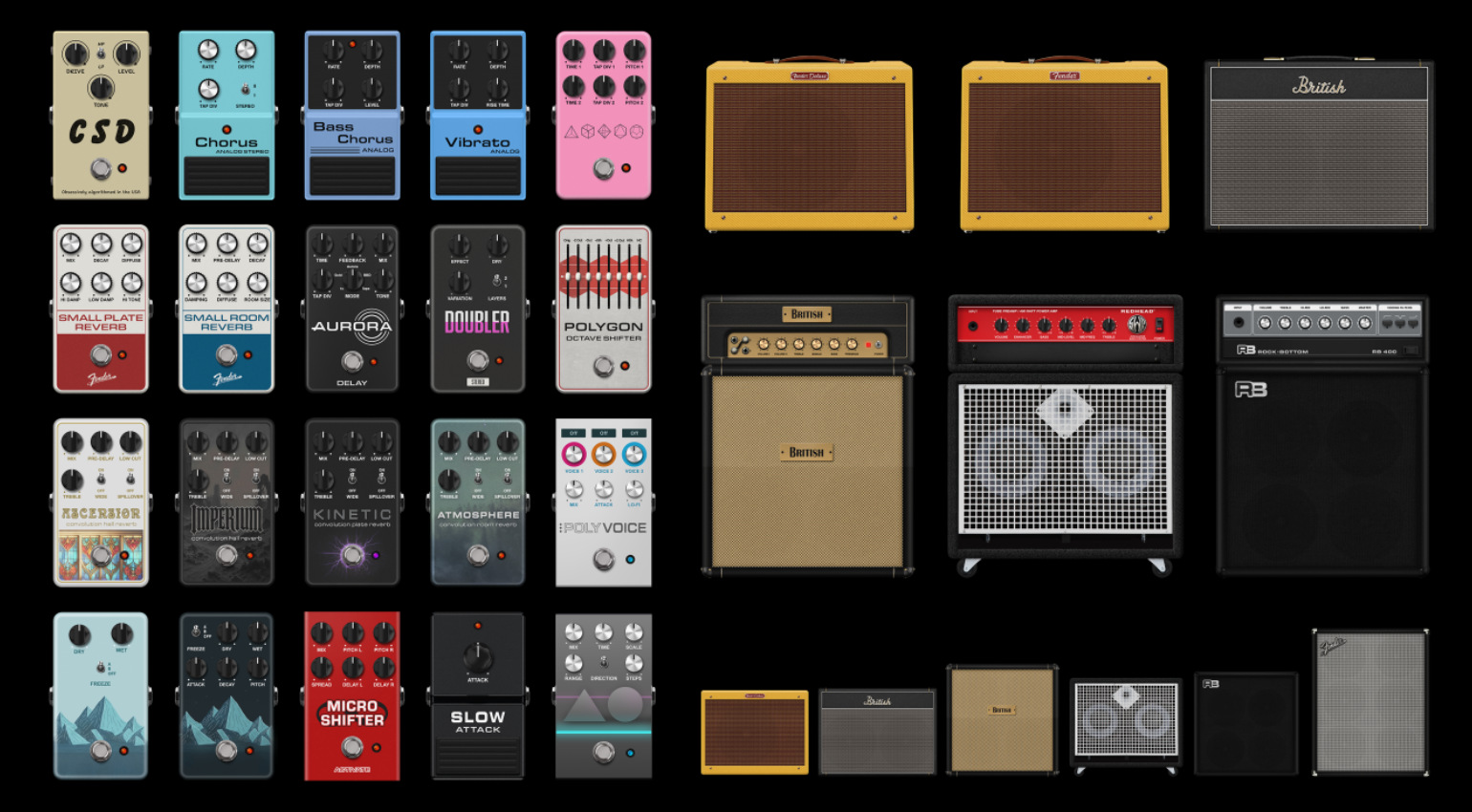
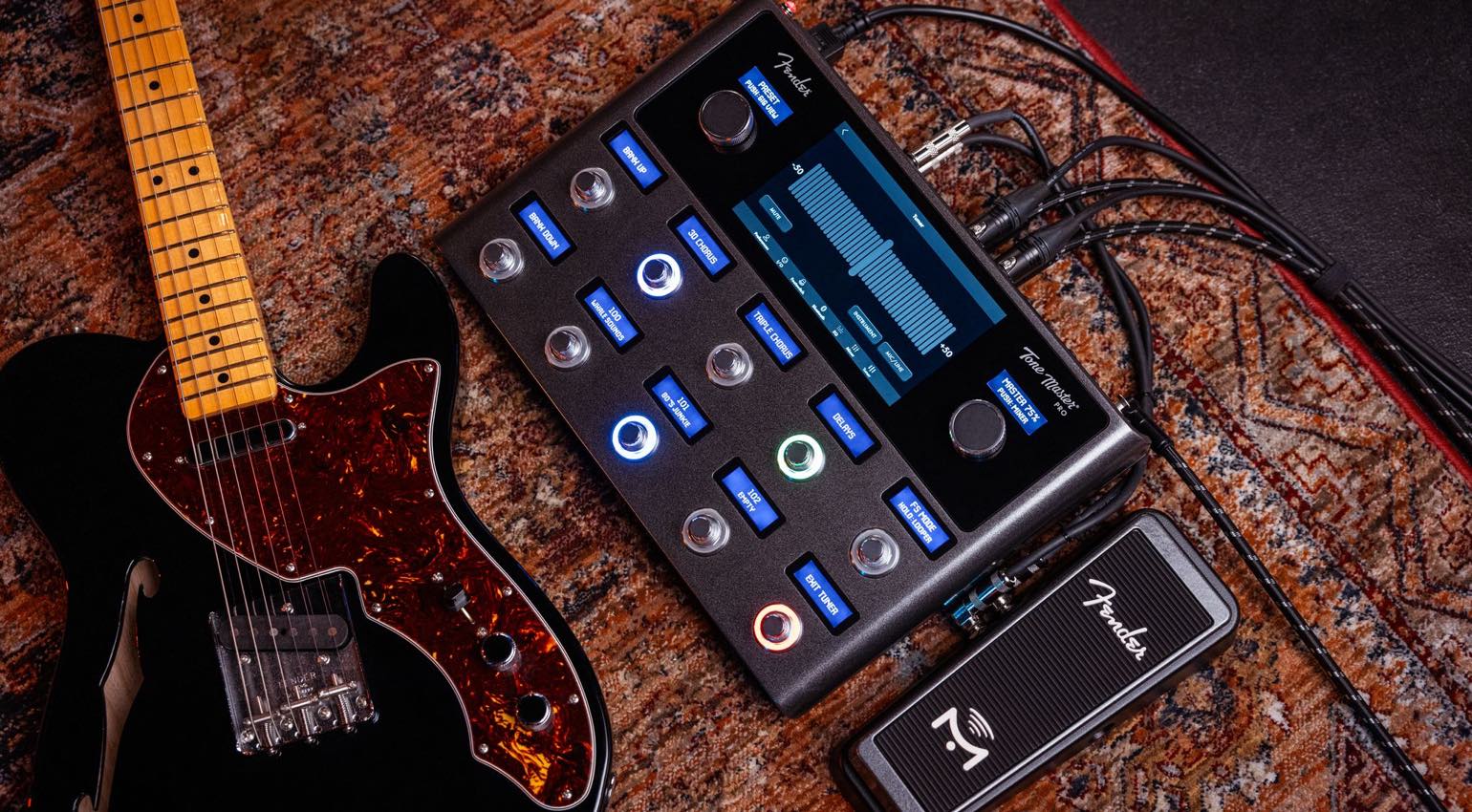
Fender just dropped the biggest Fender Tone Master Pro firmware update since the unit launched — and it’s not even close. Version 1.6 adds six new amp models (including two bass amps that nobody saw coming), 22 effects heavily weighted toward ambient sound design, a dual mic feature for cabinet simulations, and serious IR loader improvements. For anyone who dismissed the Tone Master Pro as a “Helix killer that wasn’t quite ready,” this update demands a second look.
What’s New in Fender Tone Master Pro Firmware 1.6
Released in May 2025, firmware 1.6 represents Fender’s most ambitious update to the Tone Master Pro platform to date. According to Fender’s official announcement, this isn’t just an incremental improvement — it’s a fundamental expansion of what the Tone Master Pro can do. The initial v1.6.34 release was followed by a stability patch (v1.6.48) on August 27, 2025, which addressed scene preset tracking issues, tuner output muting bugs, and an IR loading problem with the 4×12 British Alnico 100 cabinet.
Let’s break down each major addition and what it means for your workflow, whether you’re gigging, recording, or building tones in your home studio.
Six New Amp Models: Four Guitar, Two Bass
The headline feature of firmware 1.6 is the addition of six new amplifier models that significantly broaden the Tone Master Pro’s tonal palette. But the real story here isn’t just the number — it’s the strategic choices Fender made about which amps to model.
Guitar Amp Models
The four new guitar amps cover ground that Tone Master Pro users have been requesting since launch. The ’57 Deluxe captures the vintage clean-to-breakup character of the 1957 Fender Deluxe — that creamy, touch-sensitive overdrive that responds to pick dynamics like few other amps can. It’s the kind of tone that session guitarists have relied on for decades, and having it available in the Tone Master Pro ecosystem is a significant addition for studio work.
The Blues Junior LTD models one of the best-selling tube amps in history. Its warm midrange and responsive gain structure make it equally at home in a blues club or a tracking room. If you’ve ever needed that “small amp cranked” sound for a recording, this model delivers without the volume complaints from your neighbors.
Then there are the British-voiced models. The Brit Breaker and British 45 both draw inspiration from classic Marshall-style circuits, giving Tone Master Pro users access to that quintessential British crunch and high-gain territory. As Fender’s product page describes them, the Brit Breaker leans toward more aggressive overdrive while the British 45 offers a slightly more vintage-flavored response with rich harmonic overtones. Having these Marshall-inspired tones available on a Fender platform is a clear signal that the company is prioritizing versatility over brand purism.
Bass Amp Models: The Game Changer
This is where firmware 1.6 becomes genuinely significant for the broader market. The addition of two bass amplifier models transforms the Tone Master Pro from a guitar-only device into a multi-instrument platform. According to Fender’s official article, the Tone Master Pro now explicitly supports both guitarists and bassists — a positioning shift that opens up entirely new use cases.
For studio owners and home recording enthusiasts, this means one less piece of gear to buy, house, and maintain. Instead of needing separate amp modeling solutions for guitar and bass tracking, the Tone Master Pro can handle both. For live performers who double on guitar and bass, the practical benefits are even more obvious — one pedalboard, one unit, full coverage.
The bass amp models are particularly relevant in the context of modern recording workflows, where DI bass tracking is the norm. Having quality amp simulation available directly in the Tone Master Pro means you can print amp tone during tracking rather than relying on plugins in the mix stage — an approach that many engineers prefer for the commitment and character it brings to a performance.
22 New Effects: An Ambient Sound Designer’s Dream
The sheer number of new effects is impressive, but what’s more interesting is the curation. As Gearnews reported, the 22 new effects are heavily tilted toward ambient and atmospheric sound design — a category that’s seen explosive growth in the guitar world over the past several years.
Three New Chorus Effects
The chorus additions range from subtle detune shimmer to deep, swirling modulation. Whether you’re going for that classic 80s rack chorus sound or a more modern, understated movement, these three new options fill important gaps in the existing effects library. Layered with the new reverbs, they open up serious ambient territory.
Six Reverbs Including Four Convolution Reverbs
This is arguably the most significant effects addition in the entire update. Four of the six new reverbs use convolution processing — meaning they’re based on impulse responses captured from real acoustic spaces. Unlike algorithmic reverbs that simulate space mathematically, convolution reverbs reproduce the actual sonic signature of specific rooms, halls, chambers, and studios.
For recording applications, this is huge. Convolution reverbs can provide studio-quality spatial processing right at the source, before the signal even hits your DAW. If you’ve ever used high-end convolution reverb plugins like Altiverb or Audio Ease Spaces, you know the difference in realism and detail compared to algorithmic alternatives. Having this capability built into a floor unit means you can make reverb decisions during performance rather than deferring them to the mix.
It’s also worth noting that this is an area where the Tone Master Pro now has a clear advantage over some competitors. The Line 6 Helix, despite its mature effects library, doesn’t offer dedicated convolution reverbs in the same way. Neural DSP’s Quad Cortex has some IR-based spatial processing, but the dedicated convolution reverb blocks in the Tone Master Pro feel like a more focused implementation.
Arctic Sustainer and Micro Shifter
Two standout individual effects deserve special mention. The Arctic Sustainer creates infinite sustain textures — think EHX Freeze or TC Electronic Infinite, but integrated directly into the Tone Master Pro’s signal chain where it can interact with every other effect in your preset. For ambient guitarists, sound designers, and anyone who builds layers and textures, this is an essential addition.
The Micro Shifter handles pitch shifting duties, from octave effects to subtle detune thickening to harmony generation. Combined with the new reverbs and chorus effects, it makes the Tone Master Pro a one-stop shop for creating massive, layered soundscapes from a single guitar input. The ability to pitch shift, chorus, and then feed into a convolution reverb — all within the same signal chain — eliminates the need for separate pedals that would otherwise eat up pedalboard space and introduce signal chain complexity.
Dual Mic Feature and Enhanced IR Loader
The new dual mic function allows you to place two virtual microphones on combo and half-stack cabinet simulations. If you’ve ever set up a Shure SM57 and a Sennheiser MD421 on a guitar cab in the studio, you know how much tonal flexibility comes from blending two different microphone characters. The Tone Master Pro now replicates this workflow digitally, letting you adjust mic position, angle, and blend to dial in exactly the recorded tone you’re after.
This pairs beautifully with the enhanced IR loader capabilities. Fender has provided over 6,000 impulse responses captured from their own cabinet collection, and the system now supports third-party IRs as well. The Pro Control App handles IR importation and management, making it straightforward to build a custom library of cabinet simulations tailored to your specific needs.
Seven new cabinet models round out the speaker simulation additions. Between the new cabs, the dual mic feature, 6,000+ Fender IRs, and third-party IR support, the Tone Master Pro now offers one of the most comprehensive cabinet simulation ecosystems in the floor modeler market.
Scene Change Behavior: A Small Feature with Big Live Impact
Buried in the release notes is a feature that live performers will immediately appreciate: Scene Change Behavior. This option allows the Tone Master Pro to remember effect activation states across scene changes within a preset. In practical terms, if you turn on a delay during a solo and then switch to a different scene for the verse, switching back preserves your delay state rather than resetting to the scene’s default.
This might sound like a minor detail, but anyone who’s wrestled with preset management during a live performance knows how frustrating it is when your carefully adjusted effect states get wiped by a scene change. It’s the kind of quality-of-life improvement that separates “studio-ready” from “gig-ready,” and it shows that Fender is listening to real-world user feedback from working musicians.
Where Does the Tone Master Pro Stand Now?
As Guitar World noted in their coverage, firmware 1.6 puts the Tone Master Pro in genuine contention with the established players in the premium modeler space. The Line 6 Helix Floor still leads in overall effects count and has years of firmware maturity behind it. The Neural DSP Quad Cortex continues to impress with its neural capture technology and mobile-inspired touchscreen interface. But the Tone Master Pro now brings unique strengths to the table: Fender’s unmatched amp modeling heritage, convolution reverbs that competitors lack, a growing IR ecosystem backed by 6,000+ official impulse responses, and the fastest firmware development pace in the category.
For studio professionals in particular, the combination of bass amp support, convolution reverbs, dual mic simulation, and comprehensive IR loading makes a compelling case. Add in the built-in USB audio interface for direct DAW integration, and the Tone Master Pro becomes a versatile tracking tool that handles guitar and bass with equal competence.
The fact that all of this arrived as a free firmware update shouldn’t be overlooked either. Fender is clearly committed to building the Tone Master Pro platform through ongoing development, and the pace of improvement since launch has been impressive. If firmware 1.6 is any indication of where this platform is headed, the competition should be paying very close attention.
Whether you’re a guitarist exploring ambient textures, a bassist looking for a capable modeler, or a studio professional who needs versatile amp simulation and recording capabilities in a single unit, the Tone Master Pro after this update earns serious consideration. The hardware was always strong — now the software has caught up.
Need help integrating gear like the Tone Master Pro into your studio workflow, or looking for professional mixing and mastering services?
Get weekly AI, music, and tech trends delivered to your inbox.