Apple Intelligence January 2026 Update: Gemini-Powered Siri, 16 New Languages, and a Secret AI Search Engine
January 20, 2026
Eurorack Modular System Beginner Guide: Budget Setup for 2026
January 20, 2026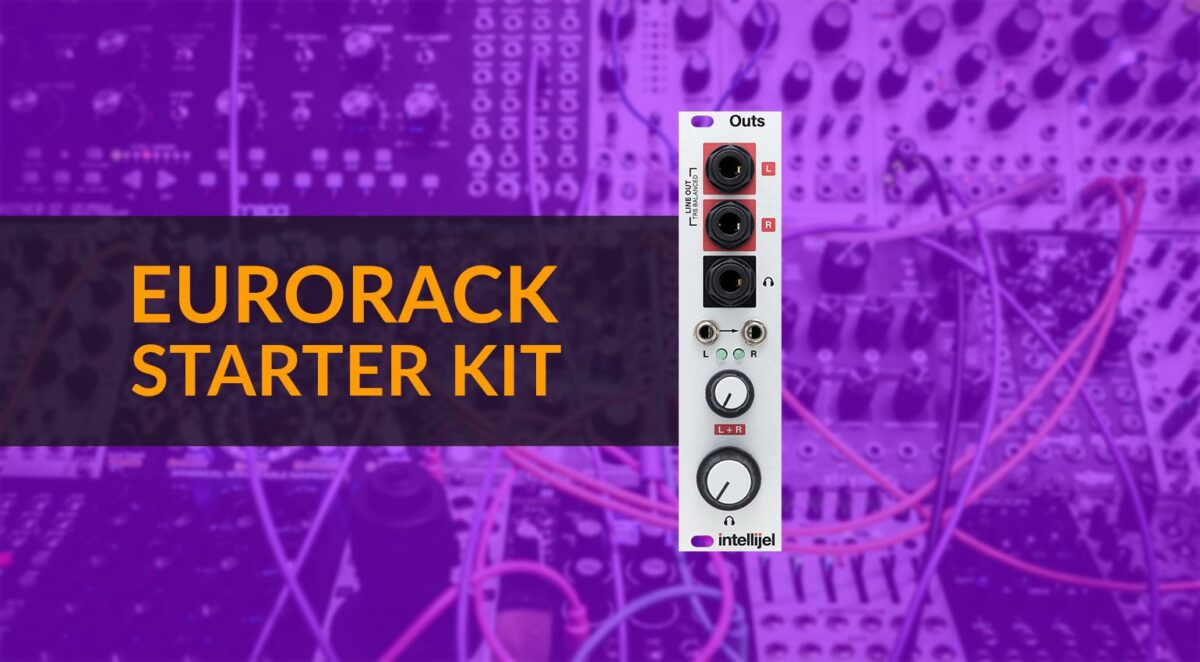
I just walked the NAMM 2026 floor, and the eurorack modular system beginner section was twice the size it was last year. Behringer’s new JT-2 Jupiter voice at an estimated $299, Acid Rain’s Ziggurat quantizer, ASM’s Leviasynth — the barrier to entry keeps dropping. If you’ve been eyeing those blinking lights and tangled patch cables, 2026 might be the most affordable year to finally dive in.
But here’s the thing most YouTube tutorials won’t tell you: getting into eurorack isn’t about buying the “best” modules. It’s about building a system that actually makes sounds you want to hear, without blowing your rent money. After 28 years in music production and running my own studio, I’ve watched dozens of people start their modular journey — and the ones who succeeded all had one thing in common: they started with a plan.
This guide breaks down exactly what you need, at three budget levels, with specific modules and real prices. No vague “it depends” answers. Let’s build your first rack.
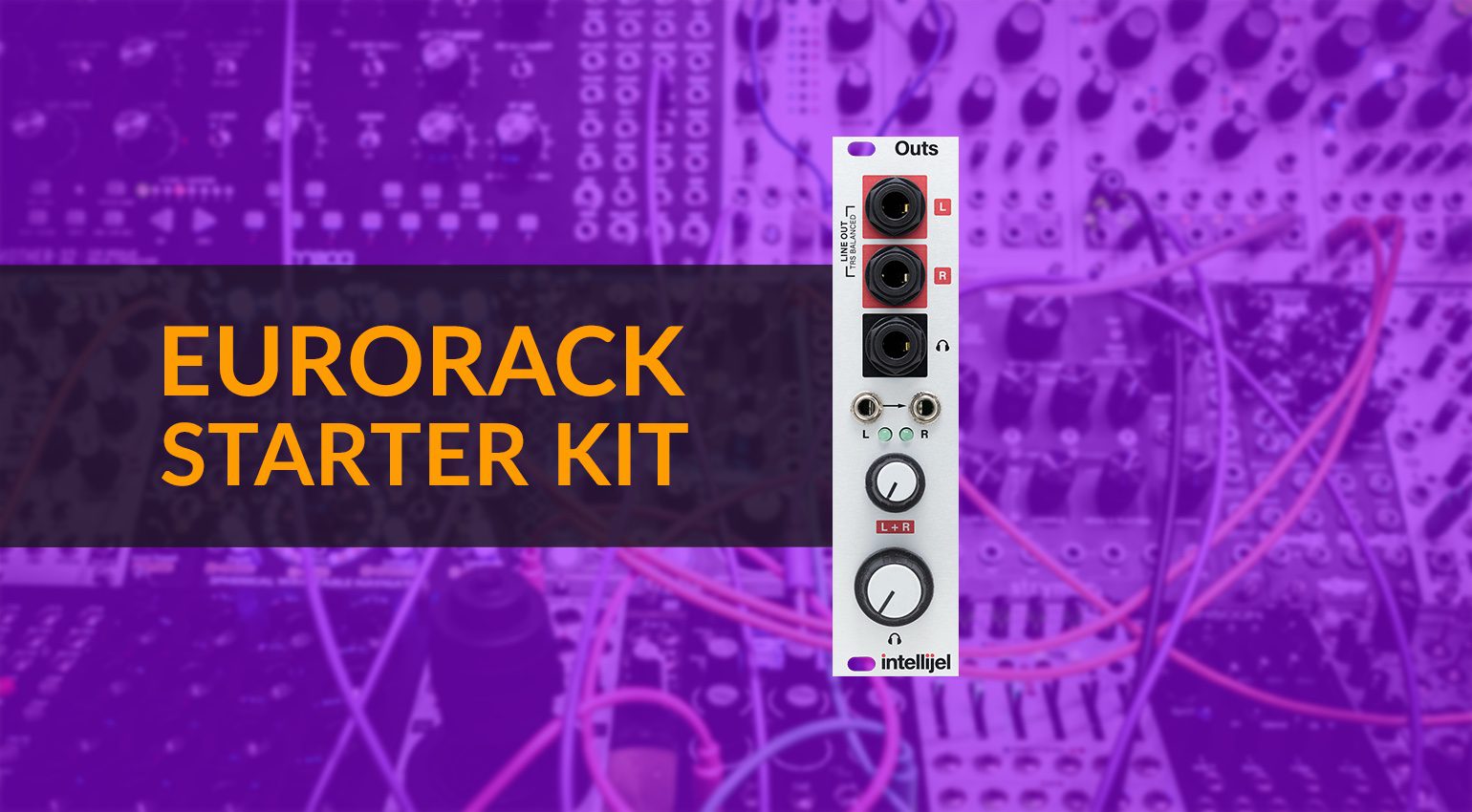
What Is Eurorack and Why Should a Beginner Care in 2026?
Eurorack is a standardized format for modular synthesizers, originally created by Dieter Doepfer in 1996. Every module follows the same physical standard: 3U height (128.5mm), powered by ±12V rails, and measured in HP (Horizontal Pitch) units for width. This means a filter from Doepfer in Germany, an oscillator from Make Noise in North Carolina, and a sequencer from Behringer can all live in the same case and talk to each other through patch cables carrying control voltage (CV).
Why 2026? Three reasons. First, NAMM 2026 just dropped a wave of affordable modules — Behringer alone now offers 60+ eurorack modules, many under $100. Second, the used market on Reverb and ModWiggler is flooded with great deals as early adopters upgrade. Third, semi-modular synths like the Make Noise 0-Coast and Moog Mother-32 give you a complete instrument that also plugs into eurorack when you’re ready to expand.
The 4 Things Every Eurorack Modular System Beginner Needs
Before you buy a single module, you need to understand the four essential components of any eurorack system:
1. Case (Housing)
Your case holds everything together. The minimum practical size for a starter system is 84HP (one row). Popular budget options in January 2026:
- Tiptop Audio Happy Ending Kit — $129. Bare-bones DIY approach: Z-Rails, Z-Ears, and MicroZEUS power supply. Mounts in any standard 19″ rack. No frills, maximum value.
- Cre8audio NiftyCase — $193. 84HP powered case with built-in MIDI-to-CV converter and audio output. The built-in MIDI means you can use all 84HP for sound modules instead of wasting space on utility.
- Arturia RackBrute 3U — $222. 88HP with external power supply, supports up to 20 modules. Expandable — add a second RackBrute later.
- Tiptop Audio Mantis — ~$335. The gold standard starter case. 208HP across two rows with the rock-solid Zeus power supply. If you can stretch your budget, this one case can grow with you for years.
2. Power Supply
Most starter cases include power. If yours doesn’t, the Tiptop MicroZEUS ($65) or the 4ms Row Power 40 ($99) are reliable choices. Check your total module current draw against the supply’s +12V, -12V, and +5V ratings — ModularGrid.net calculates this automatically when you plan your rack.
3. Modules
This is where it gets exciting (and dangerous for your wallet). A basic subtractive synth voice needs at minimum: an oscillator (VCO), a filter (VCF), an amplifier (VCA), an envelope generator (EG), and some modulation source (LFO). We’ll cover specific picks in the budget tiers below.
4. Patch Cables
Budget $15-30 for a starter set of 10-20 cables. The sssnake DD1060 6-pack ($12.50) is a solid value pick. Tiptop Stackcables ($7.60 each) let you split signals without a dedicated mult module — worth having a few.
3 Budget Tiers: Your Eurorack Modular System Beginner Roadmap
Here’s where we get specific. Each tier includes a complete, playable system with real 2026 street prices.
Tier 1: The $500-700 Starter
The goal here is a single voice that makes real music, not just bleeps.
- Case: Cre8audio NiftyCase — $193 (84HP, built-in MIDI-to-CV)
- Oscillator: Behringer BRAINS — ~$99 (20 synthesis algorithms based on Mutable Instruments Plaits open-source firmware, 14HP)
- Filter/Mixer: Behringer 305 EQ/Mixer/Output — $55 (4-channel mixer + 4-band parametric EQ + output, 24HP)
- Envelope/Utility: Behringer 150 RING MOD/NOISE/S&H/LFO — ~$49 (multiple functions in one module)
- VCA: Doepfer A-130-8 Octal Linear VCA — ~$85 (best cost-per-VCA ratio on the market)
- Cables: sssnake DD1060 x2 — $25
Total: ~$506. That’s a real, playable eurorack system for about the price of a decent guitar. The BRAINS module alone gives you 20 completely different synthesis engines — from analog modeling to granular to FM — so you won’t run out of sounds anytime soon.
Tier 2: The $1,000-1,500 Capable System
This is the sweet spot — enough modules to really explore, without going overboard.
- Case: Tiptop Audio Mantis — ~$335 (208HP, two rows, Zeus power supply)
- Oscillator: Mutable Instruments Plaits (or clone) — ~$250 (16 synthesis algorithms, 12HP)
- Filter: Doepfer Wasp Filter — ~$79 (12dB multimode, incredible value-to-sound ratio)
- Modulation/Utility: Make Noise Maths — ~$290 (the Swiss Army knife of eurorack: envelope, LFO, slew, attenuverting mixer, 20HP)
- VCA: Intellijel Quad VCA — ~$189 (4 high-quality VCAs with built-in mixer)
- Mixer/Output: Doepfer A-138s Mini Stereo Mixer — $77
- Cables: Assorted pack — $40
Total: ~$1,260. This is the tier I recommend for most beginners who are serious about learning. Maths alone will teach you more about synthesis than any YouTube tutorial — it’s the highest-rated and most popular module in eurorack for good reason.
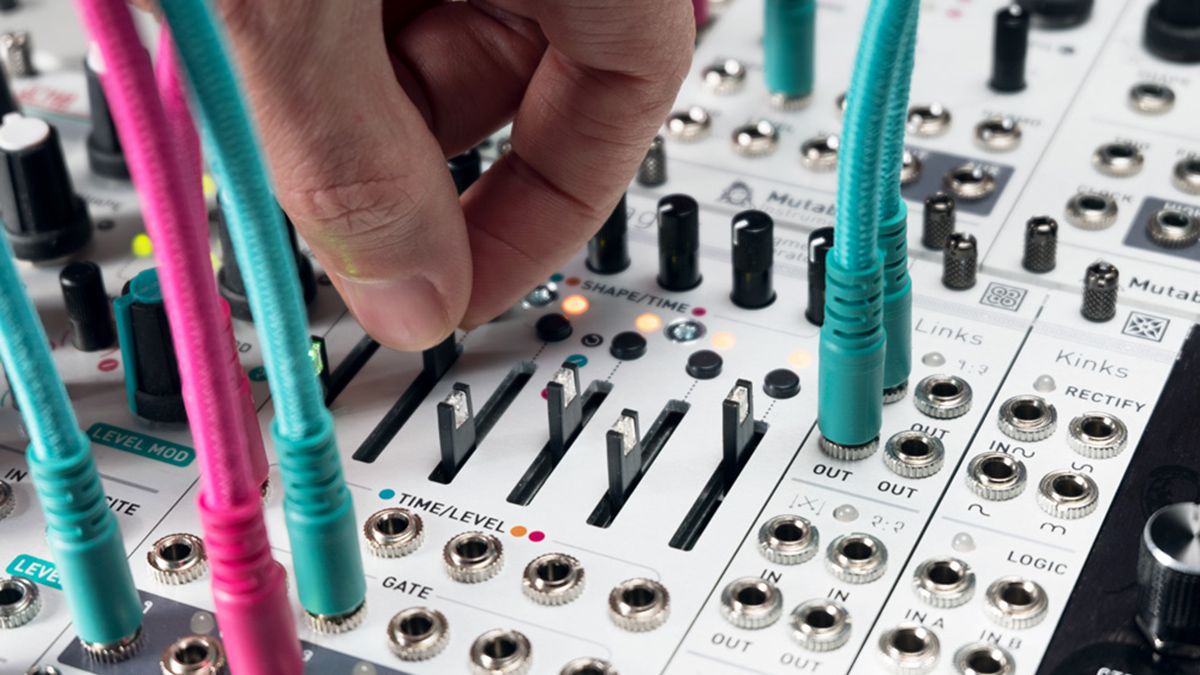
Tier 3: The $2,000-3,000 Full Voice
A complete performance-ready system with dedicated effects and sequencing.
- Case: Tiptop Mantis — ~$335
- Oscillators: Plaits + Intellijel Rubicon2 — ~$250 + ~$349 (digital versatility + analog depth)
- Filter: Instruo Csӕ-L or similar — ~$299
- Modulation: Make Noise Maths — ~$290
- VCA: Intellijel Quad VCA — ~$189
- Clock/Modulation: ALM Busy Circuits Pamela’s New Workout — ~$275 (8 channels of clocked modulation)
- Effects: Strymon Starlab — ~$449 (studio-grade reverb in eurorack format)
- Output: Intellijel Designs Outs — $164 (balanced TRS, headphone out)
- Cables: Quality assorted — $50
Total: ~$2,650. At this level, you have a complete instrument that can hold its own in a live set or studio session. The Strymon Starlab’s reverb quality rivals standalone pedals costing twice as much.
NAMM 2026: Eurorack Modular System Beginner Picks Worth Watching
NAMM 2026 (January 20-24) just wrapped, and several announcements are directly relevant to beginners building their first system:
- Behringer JT-2 — A single Roland Jupiter-8 voice crammed into eurorack format. Two VCOs, cross-modulation, sync, dual envelopes, LFO, and arpeggiator. Estimated $299. For that price, you’re getting one of the most iconic analog synth voices ever made.
- Acid Rain Technology Ziggurat — A four-voice pitch quantizer and sequencer with an SH-101-style layout. Perfect for beginners who want to add melodic sequencing without learning a complex interface.
- ASM Leviasynth — Available in keyboard and desktop versions with extensive CV connectivity. Macro controls and a three-track sequencer make it a potential gateway drug into full modular.
5 Mistakes Every Eurorack Beginner Makes (and How to Avoid Them)
- Buying too many oscillators, not enough utilities. You need VCAs, mixers, attenuverters, and modulation sources more than you need a fifth oscillator. The “boring” modules are what make your system musical.
- Ignoring the used market. Eurorack modules are built like tanks. Buying used on Reverb, ModWiggler, or r/modular saves 20-35%, and you can resell at minimal loss if something doesn’t click.
- Skipping ModularGrid. Plan your rack at ModularGrid.net before spending a dime. It shows HP usage, power draw, and lets you swap modules virtually. This one step prevents 90% of buyer’s remorse.
- Going too small on the case. That 84HP case feels roomy with 3 modules. It feels claustrophobic with 6. If you’re choosing between case sizes, go bigger — you’ll fill it faster than you think.
- Not having an output strategy. Your eurorack signal is hot (around 10V peak-to-peak). You need either a dedicated output module or a case with built-in output (like the NiftyCase) to safely connect to headphones, speakers, or an audio interface.
The Semi-Modular Shortcut: Start Playing Today
If you’re not ready to commit to full eurorack, semi-modular synths are the perfect stepping stone. They work as standalone instruments out of the box but include patch points for eurorack integration:
- Make Noise 0-Coast — ~$499. West Coast synthesis philosophy, built-in sequencer, MIDI input. No case needed.
- Moog Mother-32 — ~$649. Classic Moog sound with a 32-step sequencer. Fits into a eurorack case when you’re ready to expand.
- Behringer Neutron — ~$299. Two oscillators, overdrive, delay, and extensive patch bay. Ridiculous value.
I’ve seen many producers start with a 0-Coast, add a NiftyCase with a few utility modules, and suddenly they have a hybrid system that rivals setups costing three times as much. There’s no wrong starting point — only the one that gets you patching.
Your First Patch: Making Sound in Under 5 Minutes
Once your modules are racked and powered, here’s your very first patch:
- Step 1: Oscillator audio output → Filter audio input
- Step 2: Filter audio output → VCA audio input
- Step 3: VCA audio output → Mixer or output module
- Step 4: Envelope generator output → VCA CV input (this opens/closes the volume)
- Step 5: LFO output → Filter cutoff CV input (this creates movement)
- Step 6: Trigger your envelope with a gate signal (from MIDI, a sequencer, or a manual gate button)
Congratulations — you’ve just built a classic subtractive synth voice from scratch. Now start tweaking. Every knob does something. That’s the magic of modular: there are no presets, only discoveries.
The eurorack modular system beginner journey doesn’t have to start with thousands of dollars. A NiftyCase, a BRAINS module, a mixer, and some patch cables — that’s $500 and a world of sonic exploration. Plan on ModularGrid, buy used when you can, and remember: the best system is the one you actually use. Start small, patch often, and let your ears guide the next purchase.
Building a modular studio or need help integrating eurorack into your production workflow? Sean Kim has 28+ years of music production and studio engineering experience.
Get weekly AI, music, and tech trends delivered to your inbox.