Summer Music Production Workflow: 5 Tips to Stay Creative When the Heat Hits
July 28, 2025
Modal Labs GPU Cloud: Serverless AI Inference at 50% Lower Cost Than AWS
July 29, 2025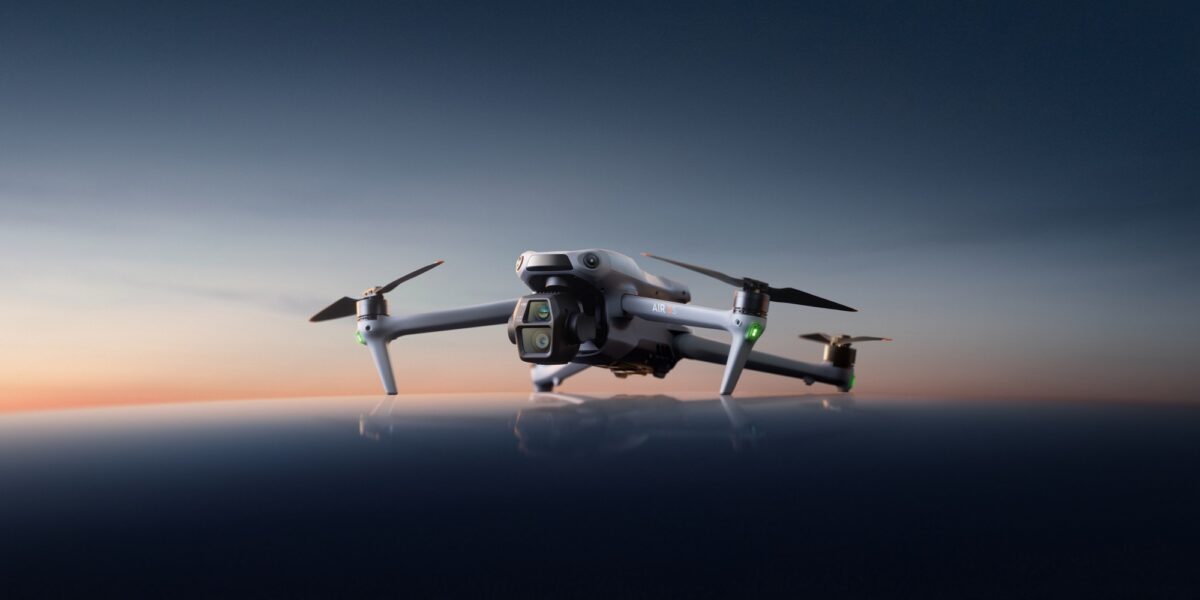
A crashed prototype in a field just changed everything we thought we knew about DJI’s next compact drone. In this DJI Air 4 review preview, we break down the leaked photos, rumored specs, and what they mean for content creators and aerial filmmakers heading into late 2025.
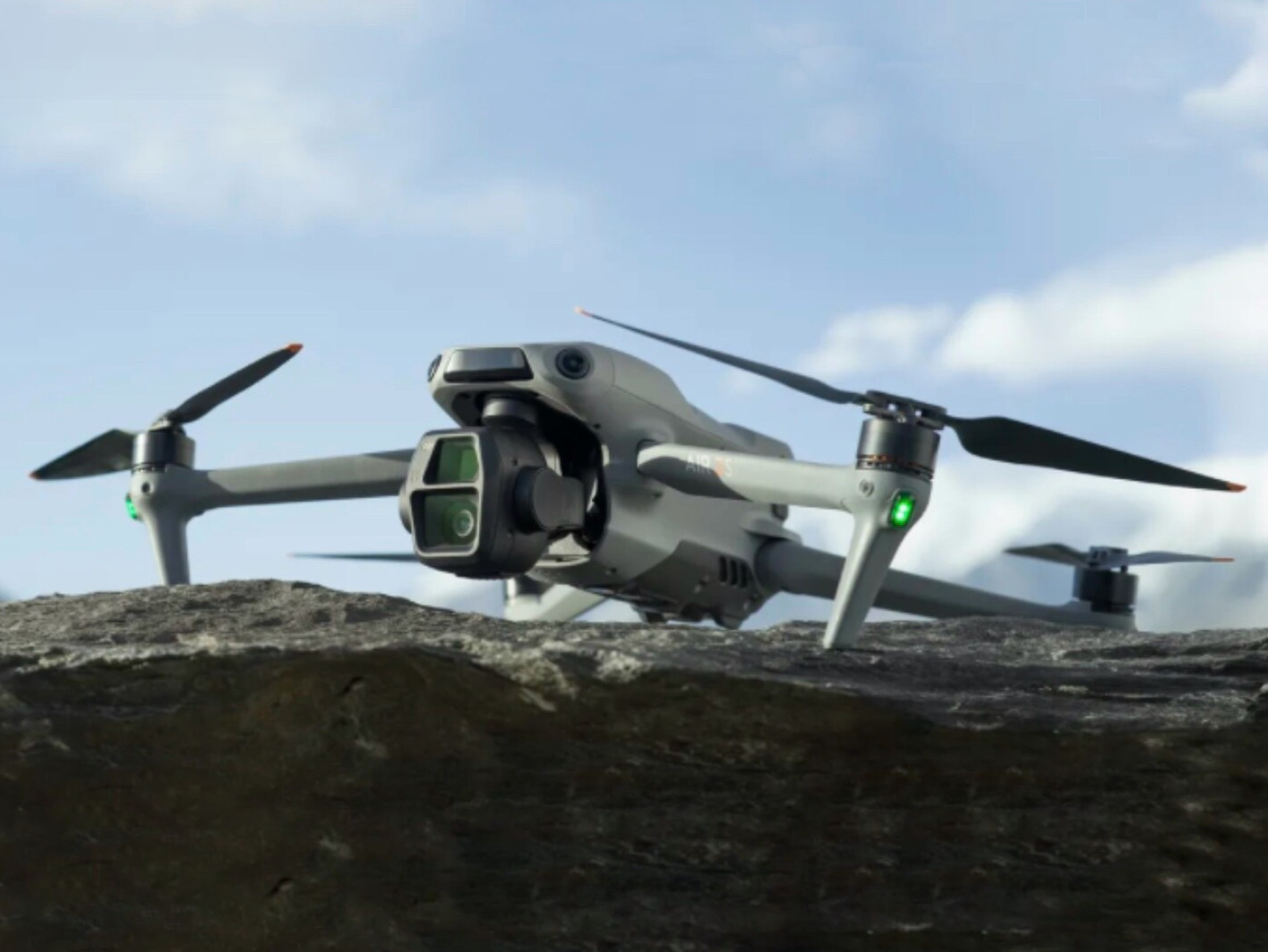
When photographer Jasper Ellens shared images of a crashed DJI prototype in February 2025, the drone community went into overdrive. The device showed three top-mounted sensors, thicker foldable arms, and a redesigned front section — unmistakable signs of a new Air-series drone borrowing heavily from the Mavic 4 Pro design language. Since then, leaks and analyst reports have painted an increasingly clear picture of what DJI has in the pipeline.
DJI Air 4 Review of Leaked Design: What the Prototype Tells Us
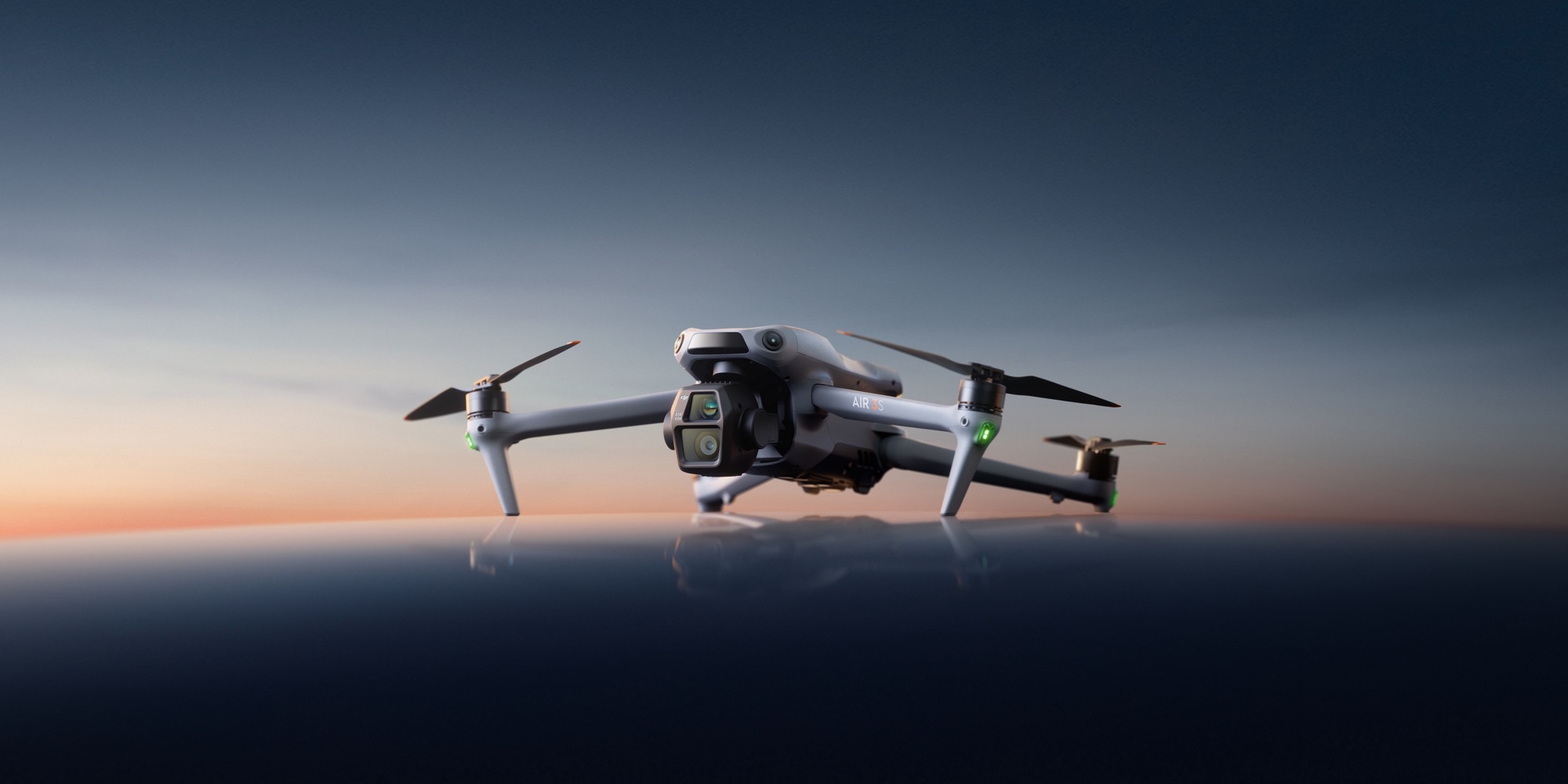
The prototype that surfaced on DroneXL revealed several telling design choices. Most notably, the Air 4 appears to adopt the circular triple-camera module that debuted on the Mavic 4 series. The front section houses an updated LiDAR sensor array — a significant upgrade over the single forward-facing LiDAR on the Air 3S. The arms are visibly thicker than those on the Air 3S, suggesting improved structural rigidity and potentially better wind resistance during flight.
Despite these upgrades, DJI appears committed to keeping the Air 4 within the compact, travel-friendly form factor that has defined the Air series. According to NotebookCheck’s analysis, the foldable design will be maintained, meaning the Air 4 should still fit comfortably in a camera bag alongside your other gear.
Expected Specs: 6K Video, Triple Camera, and Built-in ND Filters
Based on multiple leak sources and industry analysis, here is what we expect the DJI Air 4 to deliver:
- Camera System: Circular triple-camera module with a 1-inch CMOS primary sensor, plus 2.5x and 6x optical zoom lenses — a massive leap from the Air 3S’s dual camera setup
- Video Resolution: Up to 6K recording capability, compared to the Air 3S’s 4K/60fps maximum
- ND Filters: Built-in ND filter system replacing the clip-on filters used in previous models, streamlining the aerial filming workflow
- AI Tracking: Enhanced FocusTrack with improved AI subject recognition, expected to inherit the refined algorithms from the Mavic 4 Pro
- LiDAR: Enhanced multi-directional LiDAR sensor array for superior obstacle detection in all lighting conditions
- Flight Time: Rumored 38–40 minutes, up from the Air 3S’s 45-minute rating (though real-world numbers often differ)
- Vertical Shooting: Native vertical video mode optimized for short-form platforms like TikTok, Instagram Reels, and YouTube Shorts
- Transmission: Expected to retain or improve upon O4 transmission with 20km+ range
DJI Air 4 vs Air 3S: What Actually Changes?
The Air 3S is already an excellent compact drone — so what justifies a new generation? The answer lies in three key areas: the camera system, AI capabilities, and build quality.
The Air 3S features a 50MP primary sensor paired with a 48MP 70mm telephoto — a capable dual-camera system. The Air 4’s rumored triple-camera setup with 2.5x and 6x zoom would give creators significantly more compositional flexibility without needing to fly closer to subjects. For real estate, travel, and nature content, that additional reach is transformative.
The jump from 4K to potential 6K resolution is another major shift. While most creators still deliver in 4K, having 6K source footage allows for aggressive cropping and stabilization in post without quality loss — a technique already popular among professional videographers using cinema cameras.
Then there is the AI tracking upgrade. The Air 3S’s FocusTrack is reliable but occasionally loses subjects in complex environments. If the Air 4 inherits the Mavic 4 Pro’s refined algorithms, we could see dramatically improved subject lock in challenging scenarios — through trees, around buildings, and during rapid direction changes.
Expected Pricing: Where Will the Air 4 Land?
The current DJI Air 3S starts at $1,099 for the base package. Industry analysts expect the Air 4 to be priced between $999 and $1,199 for the standard kit, with the Fly More Combo potentially reaching $1,399. That pricing would keep it firmly in the prosumer sweet spot — more capable than entry-level options, but far more accessible than the Mavic 4 Pro.
If DJI manages to deliver 6K video, a triple camera system, and enhanced AI tracking at around $1,100, the value proposition would be remarkable. It would essentially bring Mavic 4 Pro-level technology down to the Air-series price point.
Release Timeline: When Can We Expect the DJI Air 4?
Based on DJI’s historical release cadence and current industry chatter, the most likely timeline points to late 2025 or Q1 2026. DroneDJ’s early analysis suggested a late 2025 announcement, while other sources indicate the Air 4 may follow a few months after the Mavic 4 Pro refresh cycle completes.
DJI typically announces major Air-series models in the fall, with availability following within weeks. If the pattern holds, we could see an October or November 2025 reveal — though delays into early 2026 would not be surprising given the complexity of integrating a triple-camera system into a compact body.
Why This Matters for Content Creators
As someone who works at the intersection of technology and creative production, I find the Air 4’s rumored spec sheet genuinely exciting. The convergence of AI-driven subject tracking, 6K resolution, and a compact form factor signals a broader shift: professional-grade aerial capabilities are becoming standard in consumer-accessible drones.
For solo creators, travel filmmakers, and small production teams, the Air 4 could eliminate the need to choose between portability and capability. The addition of native vertical shooting mode also shows DJI is paying attention to where content actually lives today — on phones, in feeds, in stories. That kind of platform-aware design thinking matters.
The built-in ND filter system, if confirmed, would also streamline the aerial shooting workflow significantly. No more fumbling with tiny clip-on filters in windy conditions — just select your setting and fly. For run-and-gun creators, that alone could be worth the upgrade.
The Bottom Line: Worth the Wait?
If you are currently in the market for a compact camera drone, the Air 3S remains an outstanding choice at its current price point. But if you can afford to wait a few months, the Air 4’s leaked specs suggest a generational leap that could redefine what is possible in the sub-$1,200 drone category.
We will continue tracking every leak, rumor, and official announcement leading up to the DJI Air 4’s release. Until then, the prototype photos have given us plenty to analyze — and plenty to look forward to.
Stay Updated on Drone Tech and AI Hardware
Want to be the first to know when the DJI Air 4 officially drops? Subscribe to the Sean Kim Tech newsletter for in-depth reviews, spec breakdowns, and analysis of the latest in drone technology, AI tools, and creative hardware.