Apple Intelligence Review: What Actually Shipped vs What Was Promised After One Year
December 15, 2025
Best AI Tools 2025: Editor’s Picks Across 10 Categories
December 16, 2025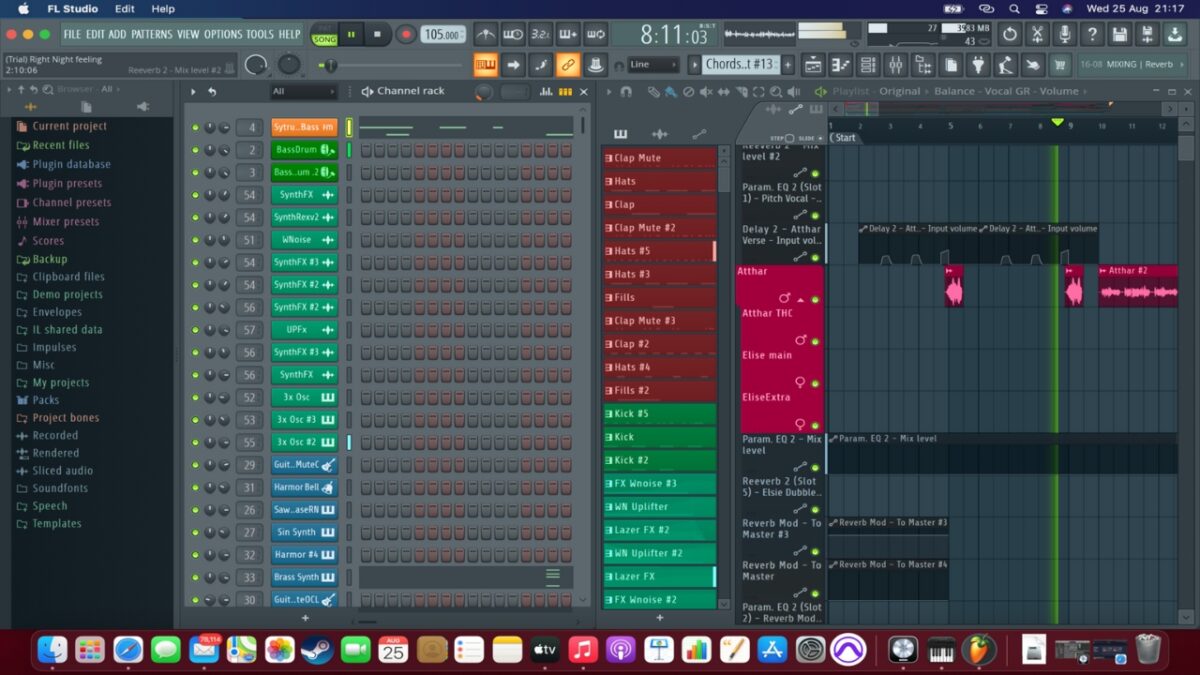
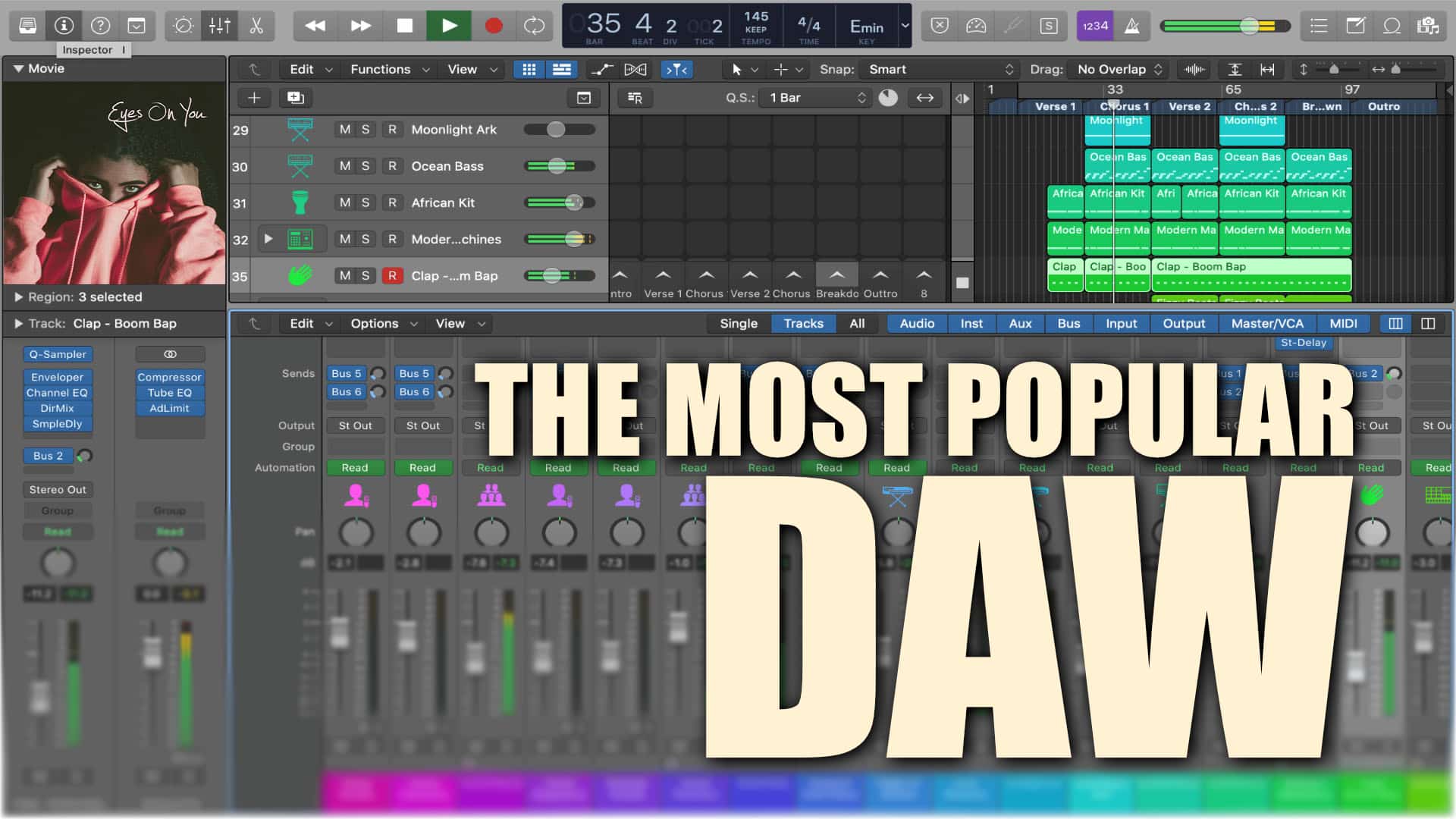
DAW market share 2025 — three words that spark heated debate in every studio, forum, and Discord server. The global DAW industry hit $3.49 billion this year, yet ask any two producers “which DAW is number one?” and you’ll get completely different answers. After digging through multiple surveys, revenue reports, and user data, the reason is crystal clear: the professional studio world and the bedroom producer world are playing entirely different games.
The DAW Market Share 2025 Numbers: What the Data Actually Says
Let’s start with the big picture. According to Fortune Business Insights, the global digital audio workstation market was valued at USD 3.49 billion in 2025, projected to hit USD 7.16 billion by 2034 at an 8.20% CAGR. This isn’t some stagnant software category — it’s an industry that’s roughly doubling in under a decade.
The platform breakdown is telling: Windows commands 63.3% of total revenue, while the music production segment alone accounts for 45.3% of the entire market. North America leads in overall spending, but the rapid growth of home studios and independent labels across Asia, Europe, and Latin America is reshaping the competitive landscape at an unprecedented pace.
These aren’t just abstract numbers. The 8.20% CAGR means the industry is on track to roughly double in under a decade — fueled by AI features, subscription models, and an explosion of independent creators who need professional-grade tools at accessible price points. Understanding where this growth is happening requires looking at the market from two very different angles.
Pro Studios vs. Bedroom Producers: Two Completely Different Markets
Here’s where it gets interesting. The answer to “what’s the most popular DAW?” depends entirely on who you ask.
Professional Studios: Pro Tools Still Dominates
The Production Expert 2025 DAW Survey, with over 2,500 respondents, paints a clear picture of the professional landscape. Pro Tools leads at 37.2%, followed by Logic Pro at 12.6%, Studio One at 8.4%, Reaper at 7.4%, and Ableton Live at 5.9%.
Narrow the focus to post-production — film, broadcast, and game audio — and the gap becomes a chasm. Pro Tools commands 63.8%, with Nuendo and Reaper tied at 10.1%, and Fairlight at 6.4%. That’s roughly a 6:1 ratio over Nuendo. In Hollywood and major studios, Pro Tools remains the undisputed industry standard.
Home Studios and Independents: The Ableton-FL-Logic Trio
According to ProducerHive’s analysis, Ableton Live, FL Studio, and Logic Pro collectively hold about 58% of the global consumer user base. That’s a radically different picture from the Production Expert survey.
As Bobby Owsinski pointed out in his analysis of the Production Expert data, survey results are heavily shaped by who’s being surveyed. Run the same poll on an electronic music forum, and Ableton or FL Studio would almost certainly top the charts. Ask hip-hop producers, and FL Studio’s pattern-based workflow would likely take the crown. Poll film composers, and you’d see a very different picture with Logic Pro and Cubase rising to prominence.
This reveals something fundamental about the DAW market share conversation: it’s not a single number — it’s a complex, fragmented ecosystem where different tools dominate entirely different niches. The “best DAW” question is as meaningless as asking “what’s the best vehicle?” without specifying whether you need a family sedan or a construction crane.
What’s particularly noteworthy is the growth velocity. High-quality DAW platforms saw a 30% increase in user base within a single year, driven primarily by home studios and indie music labels. The barrier to commercial-quality music production has never been lower.
The Major DAW Updates That Shaped 2025
2025 wasn’t just another year of incremental updates. Each major DAW made significant moves, with AI integration and cloud connectivity emerging as the defining themes.
Ableton Live 12.2: Native Stem Separation and Splice Integration
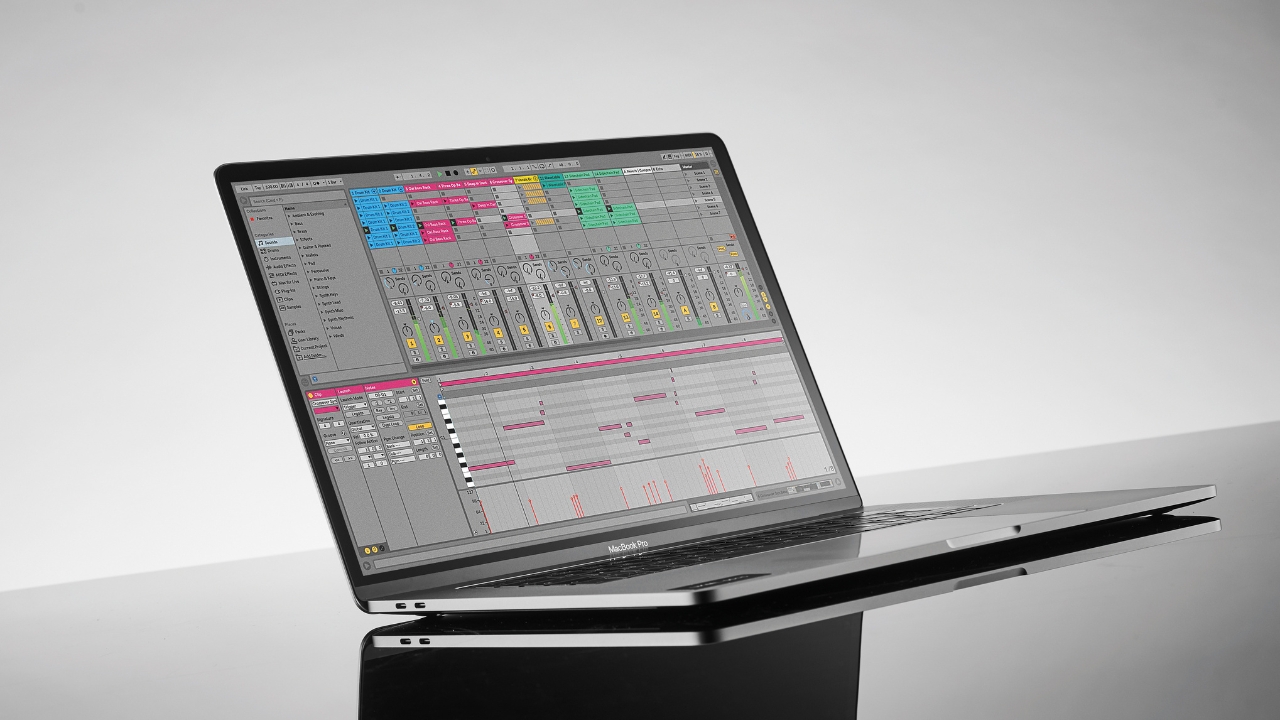
In June 2025, Ableton dropped Live 12.2 with native stem separation and Splice integration — two features that fundamentally changed how producers interact with audio. What previously required iZotope RX or specialized third-party plugins now works directly inside the DAW with a few clicks. For remix work, sampling, and live performance, this was a genuine game-changer.
The Splice integration deserves special attention. Being able to browse, preview, and drag samples directly into your arrangement without leaving the DAW eliminates a significant friction point in the creative process. For the millions of producers who already use Splice as their primary sample source, this integration alone could be reason enough to switch to or stay with Ableton.
FL Studio: The Gopher AI Assistant
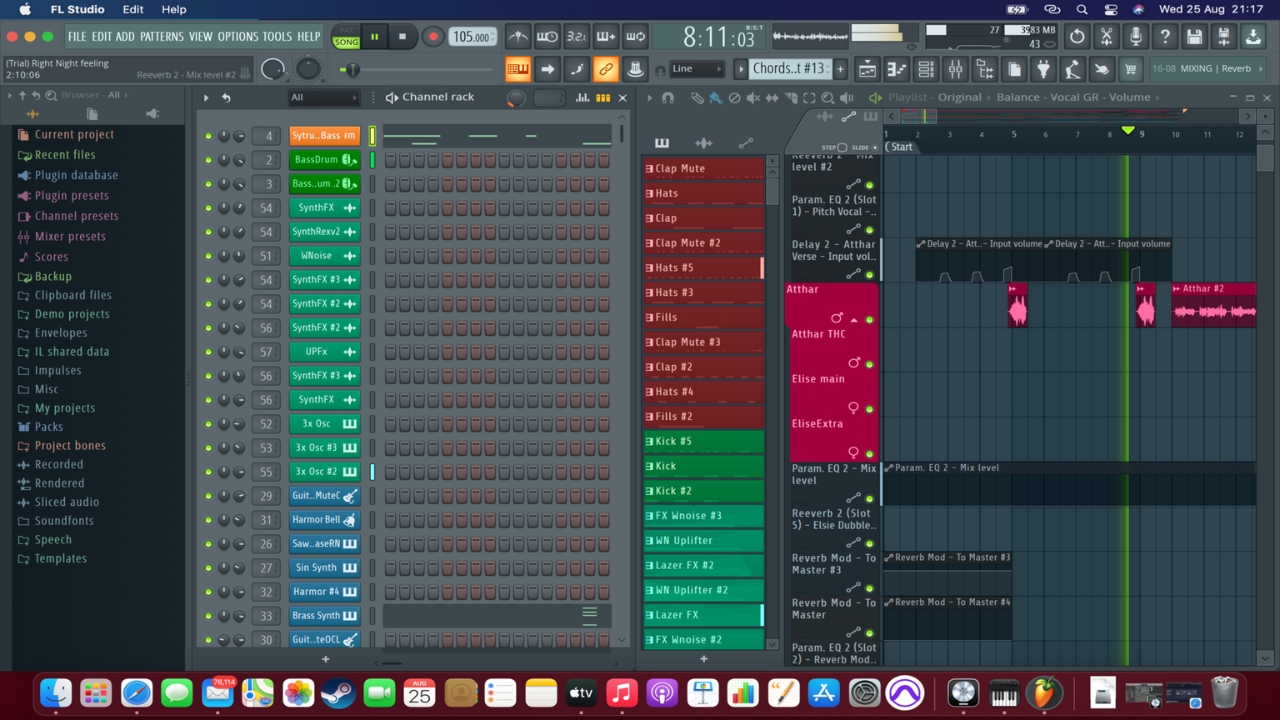
FL Studio introduced “Gopher,” an AI assistant for DAW navigation and workflow automation. For beginners, it flattens the learning curve considerably. For experienced producers, it automates repetitive tasks. Combined with FL Studio’s already-intuitive pattern-based workflow, Gopher makes what was already the most beginner-friendly DAW even more accessible.
Cubase 14: Modulators and Pattern Sequencer
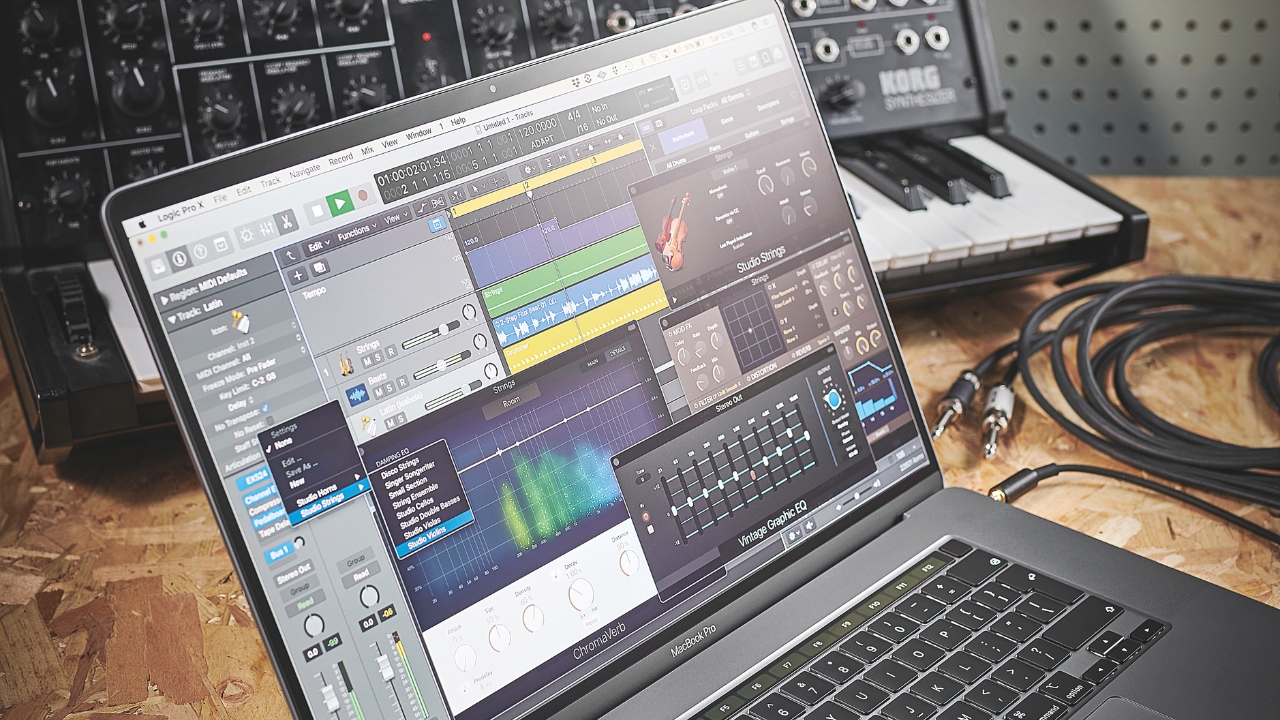
Steinberg’s Cubase 14 brought modulator tools, a pattern sequencer, and fresh effects to the table. Cubase has always been the go-to for composers and orchestral work, and the 2025 update reinforced that position while making the DAW more competitive in electronic production as well.
Studio One 7 and Reaper 7: The Dark Horses
Studio One 7 added Splice integration, stem separation, and clip launching — features that put it in direct competition with Ableton’s creative workflow. PreSonus is clearly positioning Studio One as a DAW that can handle both linear recording and loop-based production, and the 2025 update is the most convincing evidence yet that this strategy is working.
Reaper 7, meanwhile, introduced Track Lanes, Swipe Comping, and FX Containers while maintaining its extraordinary $60 price point ($225 for commercial use). The fact that Reaper captured 7.4% of the professional market in the Production Expert survey genuinely surprised industry observers. At a fraction of the cost of Pro Tools, Reaper is proving that price and professional capability aren’t necessarily correlated. Its open architecture and deep customization options have attracted a loyal following among power users who value flexibility over polish.
AI Is Reshaping the DAW Landscape — And 2025 Was the Turning Point
The single biggest trend running through the 2025 DAW market is AI. Stem separation, chord generation, intelligent arrangement, automated mastering — these features are no longer relegated to third-party plugins. They’re being built directly into the DAWs themselves.
Fortune Business Insights identified AI and automation as the primary growth drivers for the entire DAW market. This goes beyond convenience. AI is lowering the barrier to entry, pulling in entirely new demographics of users, and expanding the total addressable market. The $3.49 billion-to-$7.16 billion growth trajectory is, in large part, an AI story.
The impact is most visible in the home studio segment. Skills that once required years of training — mixing, mastering, arrangement — are now augmented by AI tools that help beginners produce commercially viable results much faster. The gap between “bedroom producer” and “professional” output quality is narrower than it’s ever been.
Consider this: a producer working in their apartment in 2025 has access to AI-powered stem separation, intelligent mastering, automated chord suggestions, and cloud-based collaboration — all built into their DAW. Five years ago, achieving equivalent results required thousands of dollars in plugins and years of ear training. This democratization isn’t just changing who makes music; it’s fundamentally altering the economic dynamics of the entire industry.
Year-End Verdict: The Multi-DAW Era Is Here
Looking back at 2025, the clearest trend is the normalization of multi-DAW workflows. The Production Expert survey confirmed what many of us already knew: very few professionals use just one DAW. Compose in Ableton, record and mix in Pro Tools, master in Studio One — this kind of hybrid approach has become standard practice.
As Bobby Owsinski noted, nearly all major DAWs now share the same core capabilities. The real differentiation in 2025 lies in workflow philosophy, ecosystem integration, and specialized features — not in raw functionality. Ableton excels at creative exploration and live performance. Pro Tools remains the gold standard for tracking, editing, and mixing in commercial studios. FL Studio owns the beginner-to-intermediate beat-making space. Logic Pro offers Apple-ecosystem integration that no competitor can match. Cubase dominates in orchestral and film scoring. Each tool has found its lane.
So, is there a “best DAW of 2025”? No — and that’s actually the most exciting conclusion. Pro Tools defended its throne in professional studios with 37.2% market share. Ableton, FL Studio, and Logic Pro split 58% of the creator market among them. Reaper and Studio One carved out impressive niches through exceptional value and relentless innovation. Meanwhile, dark horses like Bitwig and Fairlight continue to serve specialized communities that the major players overlook.
The $3.49 billion DAW market is becoming more diverse, more accessible, and more AI-driven with each passing year. As we close out 2025, the takeaway is clear: the tool you use matters far less than what you create with it. Whether you’re running Pro Tools on a console worth more than most cars, or producing bangers in FL Studio on a laptop in your bedroom, the playing field has never been more level — and the creative possibilities have never been greater.
From DAW selection to mixing and mastering workflow optimization — 28 years of professional engineering experience at your service.
Get weekly AI, music, and tech trends delivered to your inbox.