NAMM 2026 New Gear: Top 10 Announcements That Stole the Show
January 30, 2026
Claude Opus 4.6: 7 Groundbreaking Features That Make It Anthropic’s Most Powerful AI Model
February 2, 2026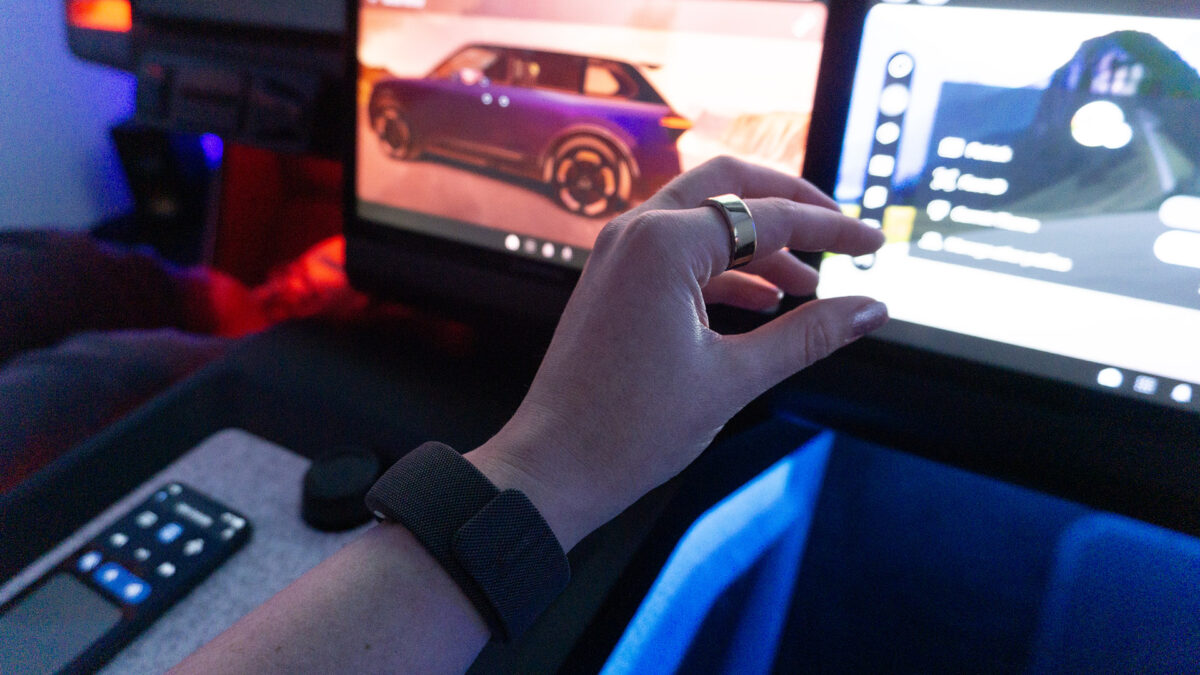
Nine companies, nine announcements, one unmistakable signal — 2026 is the year AI steps out of the screen and into the physical world. Here’s every major CES 2026 AI announcements worth your attention, from NVIDIA’s 10x performance leap to robots that fold your laundry.
If CES 2025 was the year of agentic AI — software agents that could reason and plan — then CES 2026 belongs to physical AI. The dominant theme across the Las Vegas Convention Center was clear: AI is leaving the cloud and entering factories, homes, and vehicles. Chip makers are racing to make local AI execution viable, robot companies are announcing production timelines instead of demos, and autonomous driving systems are finally explaining their decisions in plain language.
Let’s break down the nine most consequential announcements and what they mean for the rest of the year.
CES 2026 AI Announcements — The Next-Generation Chip War
1. NVIDIA Vera Rubin Architecture: 10x Everything
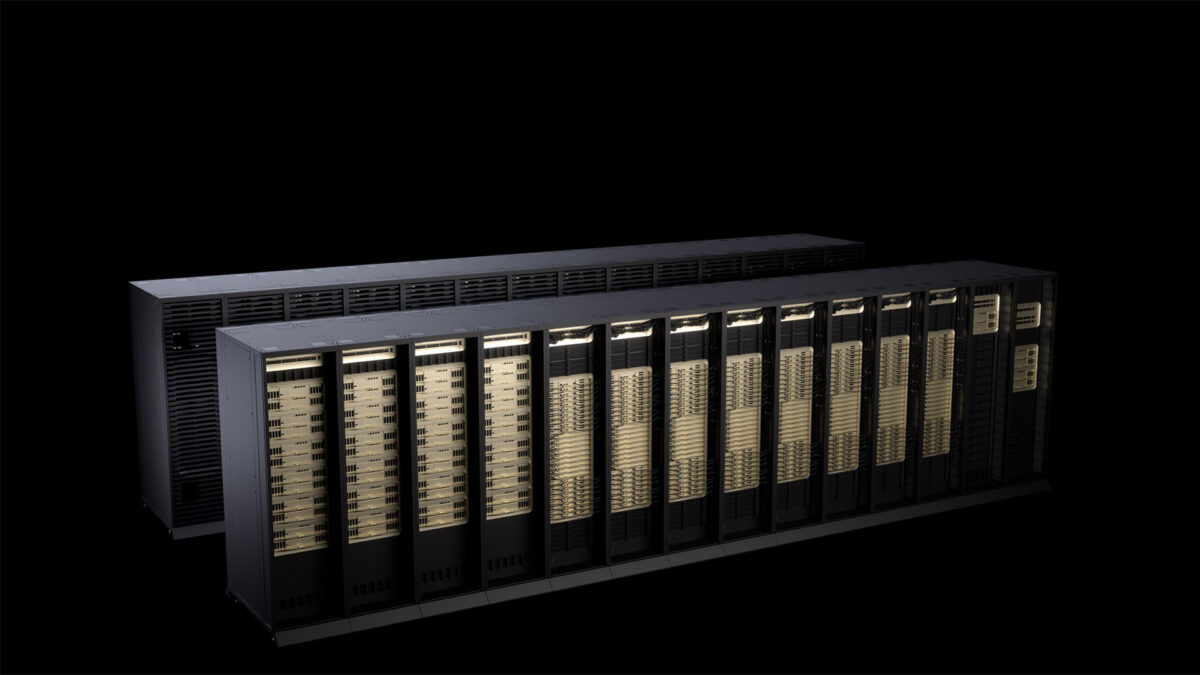
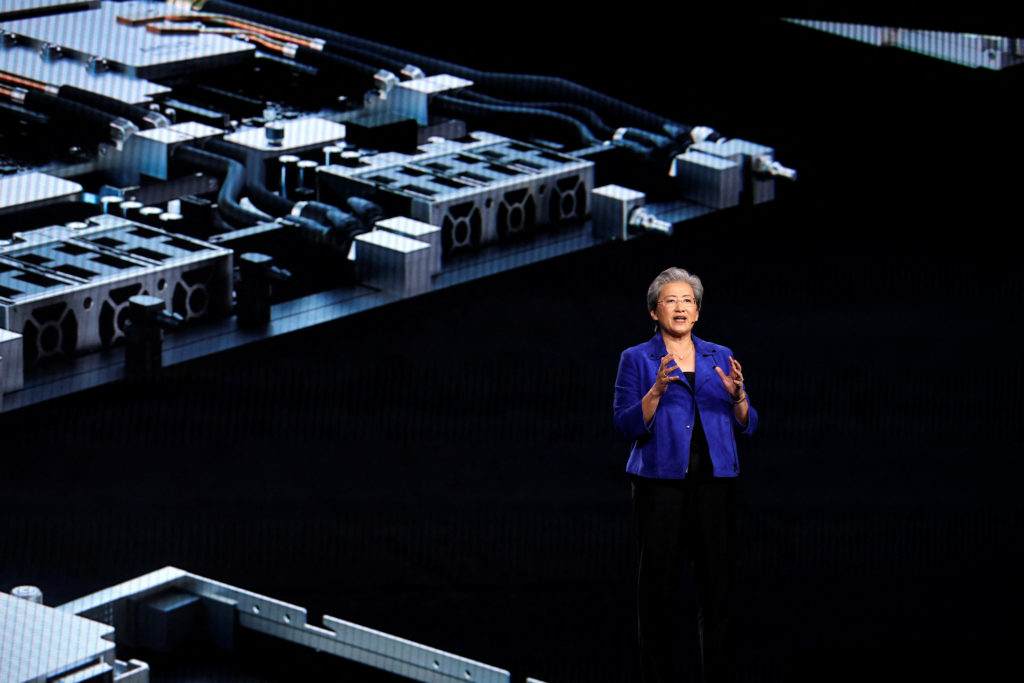
Jensen Huang took the stage to unveil Vera Rubin, NVIDIA’s successor to the Blackwell architecture. The numbers are staggering: six new chips combining the Vera CPU and Rubin GPU deliver a 10x throughput improvement over Grace Blackwell, along with a 10x reduction in inference token costs. Training Mixture of Experts (MoE) models now requires 4x fewer GPUs, and the new BlueField-4 processors are purpose-built for agentic reasoning acceleration.
This isn’t just a performance bump — it’s a fundamental restructuring of AI infrastructure economics. When inference costs drop by an order of magnitude, entirely new categories of AI applications become commercially viable. Enterprise AI deployments that were prohibitively expensive six months ago suddenly make financial sense.
2. Intel Panther Lake (Core Ultra Series 3): 180 TOPS on Your Laptop
Intel’s response to the AI chip race is Panther Lake, built on their 18A manufacturing process. The headline number is a 180 TOPS NPU that can execute large AI models locally — no internet connection required. Processing performance is up 50% over the previous generation, with a matching 50% bump in Arc GPU performance.
The significance here goes beyond raw numbers. Local AI execution means privacy-sensitive workloads never leave your device. For enterprise users handling confidential data, for creators who don’t want their work processed on remote servers, and for anyone who’s been frustrated by cloud latency — this is the inflection point. Intel is betting that the future of AI isn’t just in the data center; it’s on your desk.
3. Qualcomm Snapdragon X2 Plus and AMD Ryzen AI Max+
Qualcomm and AMD took opposite approaches to the same problem. Qualcomm’s Snapdragon X2 Plus targets mid-range laptops with an 80 TOPS AI processor and a remarkable 43% power reduction. The pitch: an AI smart assistant that runs all day on a single charge. This is where AI goes mainstream — not in $3,000 workstations, but in the laptop your company issues to every employee.
AMD went the other direction entirely. The Ryzen AI Max+ is a professional-grade beast with 128GB of shared high-speed memory, designed to run extremely large AI models locally without memory bottlenecks. If you’re a researcher or developer who’s been relying on cloud GPUs to run models that don’t fit in standard laptop memory, AMD just handed you a reason to work offline.
Robots Move from Demo Stage to Production Line
4. Boston Dynamics Atlas (Electric): Production-Ready at Last
According to TechCrunch’s comprehensive CES coverage, Boston Dynamics revealed the production-ready electric version of Atlas — and this time, there’s a deployment date attached. Powered by Google DeepMind’s Gemini Robotics reasoning engine and equipped with 360-degree rotating joints that enable movements no human could replicate, the electric Atlas is scheduled for rollout at Hyundai manufacturing facilities starting in 2028.
This marks a historic transition. For years, humanoid robots have been perpetually “two years away” from practical deployment. Boston Dynamics attaching a specific manufacturing partner and timeline signals that the demo era is ending and the production era is beginning.
5. LG CLOiD: Your Household Robot Butler
LG’s CLOiD is a two-armed household robot on wheels that can fold laundry, load the dishwasher, and respond to voice commands. It bridges the gap between visual perception and physical action — seeing a pile of clothes, understanding what needs to happen, and actually doing it. As the centerpiece of LG’s “Zero Labor Home” vision, CLOiD represents the most practical consumer robotics demonstration at CES this year.
Autonomous Driving AI Gets Transparent
6. NVIDIA Alpamayo: Self-Driving That Shows Its Work
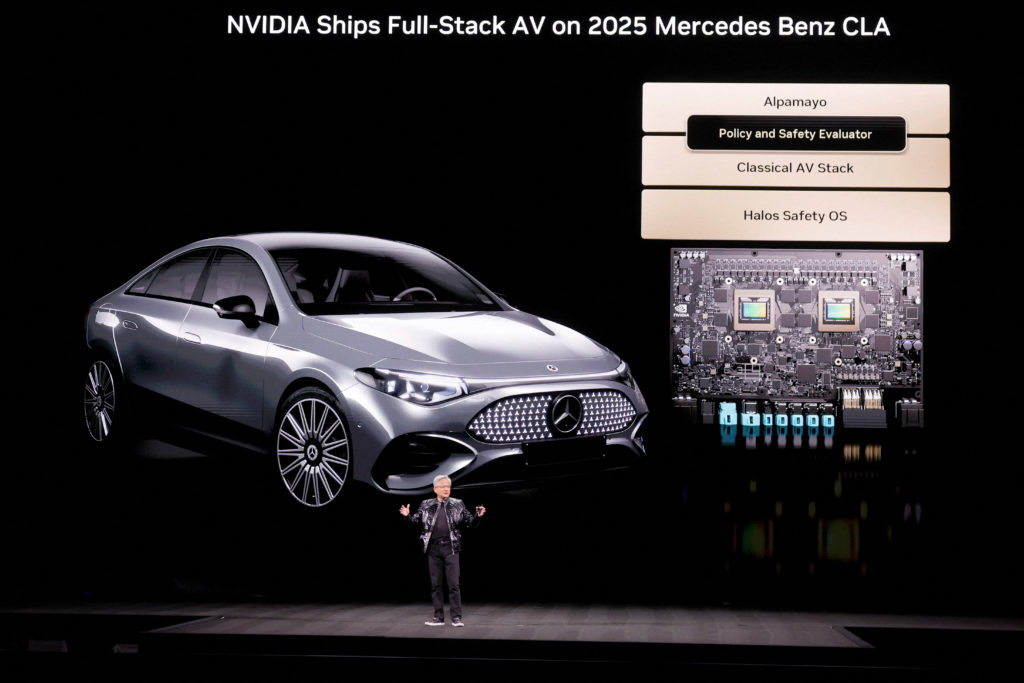
NVIDIA’s Alpamayo autonomous driving system takes a fundamentally different approach to self-driving. Instead of black-box neural networks making opaque decisions, Alpamayo uses deliberate, human-like reasoning. It can interpret complex traffic scenarios — including police hand signals — and provide human-readable explanations for every decision it makes.
Debuting on the Mercedes-Benz CLA 2026, Alpamayo addresses one of the biggest barriers to autonomous vehicle adoption: trust. When a self-driving system can explain why it’s braking or changing lanes in plain language, the psychological barrier for passengers drops dramatically. This is the transparency standard the industry has needed.
7. Lucid-Uber-Nuro Robotaxi: Autonomous Rides in San Francisco
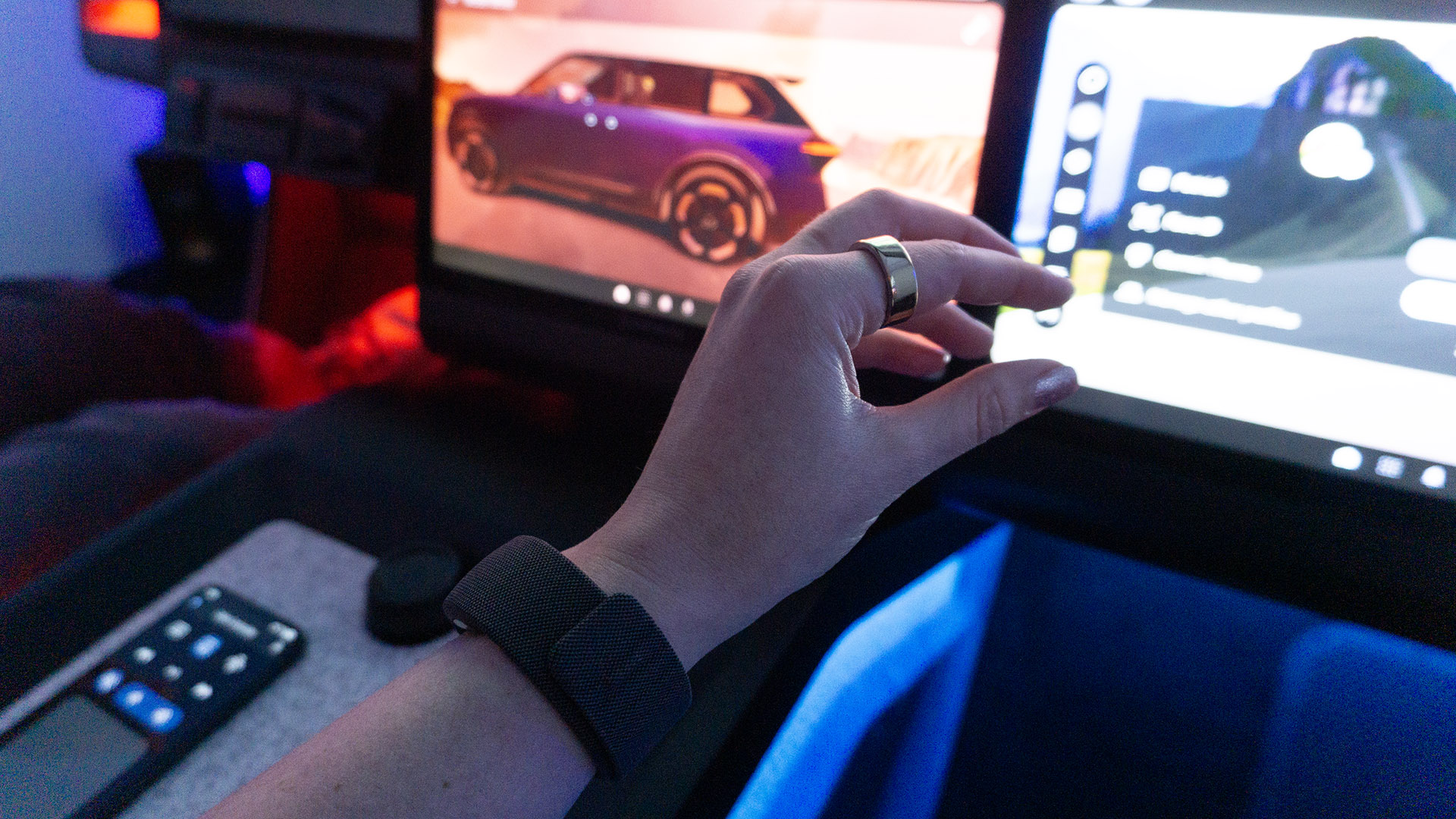
Three companies joined forces for one of the most practical autonomous vehicle announcements at CES. The Lucid Gravity SUV platform, equipped with Nuro’s Level 4 autonomous driver, will operate as a robotaxi through Uber’s ride-hailing network. It’s geofenced to the San Francisco Bay Area initially, and passengers can watch the car’s real-time decision-making process on interactive interior screens.
What makes this different from previous robotaxi announcements is the ecosystem: Lucid provides the premium hardware, Nuro provides the autonomous driving technology, and Uber provides the massive user base and logistics network. It’s a collaboration designed for actual scale, not just a proof of concept.
More CES 2026 AI Products Worth Watching
8. Ford AI Assistant: Cars That Understand Context
Ford’s AI Assistant goes beyond voice commands into genuine state awareness. It monitors tire pressure, oil life, and cargo status — and can visually analyze what’s in your trunk (the demo showed it counting bags of mulch). Launching in the Ford mobile app in 2026 and moving to in-car systems by 2027, this represents automotive AI evolving from “play my playlist” to “I see you have four bags of mulch — would you like directions to your garden center?”
9. The Wild Cards: EMG Wristbands, AI Rings, and Dancing Robots
Beyond the headline announcements, Engadget’s first-day roundup captured some fascinating outliers. Meta’s EMG wristband uses electromyography to read neural signals from your forearm — a controller with no buttons, no touchscreen, just thought-to-action. Lenovo showed AI smart glasses with live translation and image recognition. Razer’s Project Motoko is an AI-powered gaming headset, and the Pebble Index 01 is a $75 AI ring.
Perhaps the most entertaining demos came from Agibot, whose humanoid robots A2 and X2 can learn movements from video — including TikTok dances. Samsung’s Galaxy Z TriFold turned heads in the mobile space, while NVIDIA’s DLSS 4.5 pushed gaming into 4K at 240fps with full path tracing. As Yahoo Finance noted, this is just the beginning.
What CES 2026 Tells Us About the Year Ahead
The through-line connecting every major CES 2026 AI announcement is the shift from digital to physical. NVIDIA’s Vera Rubin slashes infrastructure costs by 10x, making large-scale AI deployment economically viable for a wider range of companies. Intel, Qualcomm, and AMD are pushing AI processing to the edge — your laptop, your phone, your car — reducing cloud dependency. And the robotics announcements from Boston Dynamics, LG, and Agibot aren’t conceptual anymore; they come with production dates and manufacturing partners.
If 2025 was the year we learned what AI agents could do in software, 2026 is shaping up to be the year those agents get bodies, wheels, and arms. The second half of this year will reveal which of these announcements translate into real products you can buy, ride in, or deploy. CES has always been about possibility — but this year, the timelines felt real.
Want to stay on top of these developments as they move from announcement to reality? The weekly newsletter covers exactly this kind of industry shift.
Get weekly AI, music, and tech trends delivered to your inbox.