
Best Music Production Gear of 2025: Top Picks Across All Categories
December 3, 2025
AWS re:Invent 2025 Recap: 7 Biggest AI and ML Announcements That Matter
December 4, 2025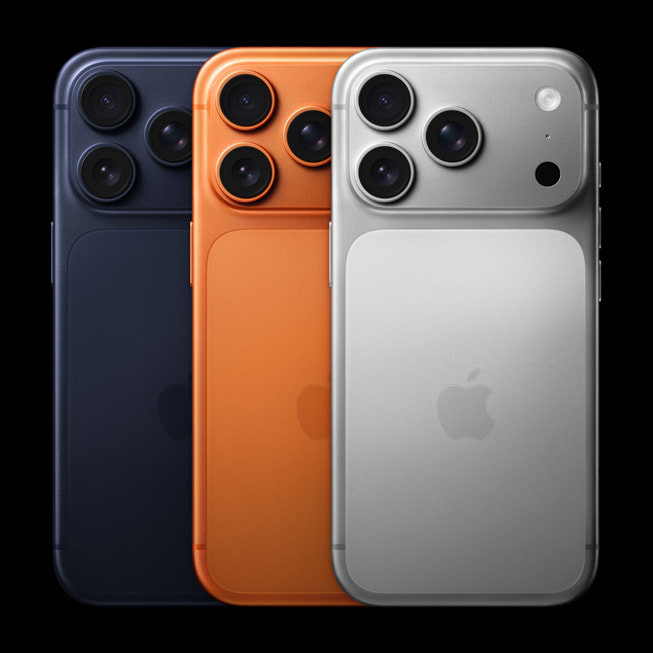
Three flagships, twelve months of real-world use, and one question that never gets a clean answer: which phone actually deserves your money as 2025 wraps up? I’ve spent the year switching between the iPhone 17 Pro Max, Galaxy S25 Ultra, and Pixel 10 Pro — and the winner depends entirely on what you refuse to compromise on.
Best Smartphones 2025: The Year-End Flagship Landscape
2025 was arguably the most competitive year in smartphone history. Samsung fired first with the Galaxy S25 Ultra in February, packing a Snapdragon 8 Elite chip, titanium frame, and a 200MP camera that still hasn’t been matched. Google followed in August with the Pixel 10 Pro, betting everything on its custom Tensor G5 chip and AI-first photography. Then Apple closed the year with the iPhone 17 Pro Max in September — its most divisive flagship in years, swapping titanium for aluminum while adding an 8x optical zoom that changes the telephoto game entirely.
Let’s break down every category that matters.
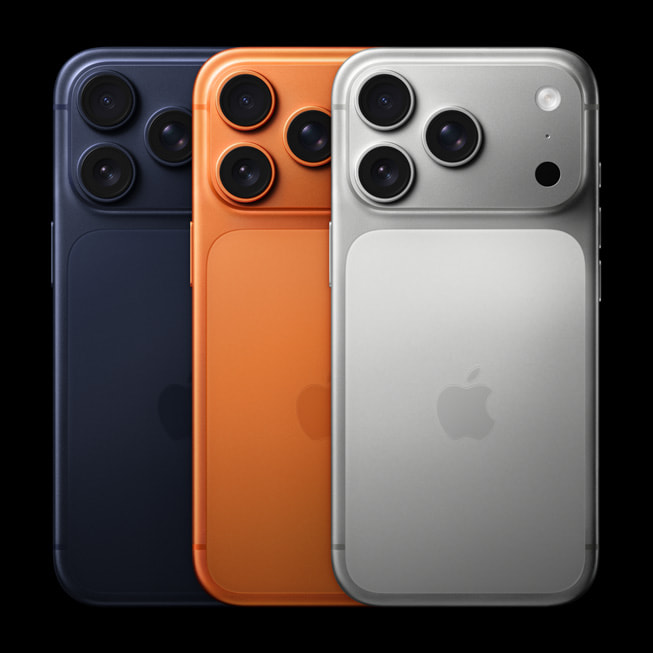
Design and Build: Titanium vs Aluminum vs Glass
The Galaxy S25 Ultra’s titanium frame with rounded corners is the most refined Android hardware I’ve held. At 218g, it strikes the perfect balance between premium feel and daily comfort. The Gorilla Armor 2 anti-reflective display coating is a genuine game-changer — using this phone outdoors in direct sunlight feels effortless compared to any competitor.
Apple’s controversial switch from titanium to aluminum on the iPhone 17 Pro Max divided the internet, but in hand, the 227g device still feels unmistakably premium. The weight distribution is excellent, and the new color-infused aluminum resists fingerprints better than last year’s titanium.
The Pixel 10 Pro takes a different approach entirely. At 207g and 6.3 inches, it’s the most compact flagship of the three — perfect for one-handed use. Google’s matte glass back and flat aluminum rail give it an understated elegance that’s almost Scandinavian in its restraint.
Winner: Galaxy S25 Ultra — titanium build, anti-reflective display, and the S Pen give it the edge in overall premium feel and functionality.
Performance: A19 Pro vs Snapdragon 8 Elite vs Tensor G5
Raw benchmarks tell one story; daily experience tells another. The Snapdragon 8 Elite in the Galaxy S25 Ultra dominates multi-core tests and sustains peak performance under heavy loads — 8K video recording, split-screen multitasking, and S Pen-intensive workflows barely make it flinch. The 12GB RAM handles 20+ apps in memory without breaking a sweat.
Apple’s A19 Pro takes the single-core crown once again, and iOS 19’s optimization means the iPhone 17 Pro Max feels faster in everyday tasks despite lower multi-core scores. The 12GB RAM is a welcome upgrade from the iPhone 16 Pro Max’s 8GB, and it shows in Safari tab retention and app switching speed.
Google’s Tensor G5 is the wildcard. Built on TSMC’s 3nm process, it’s 34% faster than the Tensor G4 in CPU tasks and 60% more powerful in TPU (AI) workloads. But it still sits at the bottom in raw benchmark comparisons — 28% behind the S25 Ultra in single-core and 37% behind in multi-core. The thing is, you’d never know it from daily use. Google’s software optimization is so tight that the Pixel 10 Pro feels just as snappy as either competitor for 95% of tasks.
Winner: Tie between Galaxy S25 Ultra (raw power) and iPhone 17 Pro Max (optimized performance). Pixel 10 Pro earns honorable mention for making less silicon feel like enough.
Camera System: The Category That Decides Everything
This is where the three flagships diverge most dramatically, and where your personal shooting style determines the winner.
Galaxy S25 Ultra: Maximum Versatility
Samsung’s quad-camera system is the most versatile in the business. The 200MP main sensor captures extraordinary detail that holds up even when cropping aggressively. The upgraded 50MP ultrawide (up from 12MP on the S24 Ultra) is a massive improvement for macro shots and architectural photography. Dual telephoto lenses at 3x and 5x give you seamless zoom transitions, and the 8K video at 30fps is genuinely usable now — not just a spec sheet trophy.
iPhone 17 Pro Max: The Videographer’s Dream
Apple’s new 8x optical zoom periscope telephoto is the headline feature, and it delivers. The jump from 5x to 8x means you can capture subjects at distance with genuine optical quality — no digital crop fuzzing at the edges. The 4K 120fps slow-motion capability remains unmatched, and ProRes Log recording gives video editors the kind of latitude that used to require dedicated cinema cameras. The new 18MP Centre Stage front camera with its rotatable square sensor is brilliant for content creators who switch between portrait and landscape selfies.
Pixel 10 Pro: AI-Powered Point-and-Shoot Perfection
Google’s approach is fundamentally different. The Tensor G5’s new Image Signal Processor (ISP) processes photos with an AI pipeline that understands scenes, faces, and lighting conditions at a level neither Apple nor Samsung can match. Night mode photos are almost indistinguishable from daylight shots. The 48MP 5x telephoto produces images with a natural, almost film-like quality that Samsung’s aggressive processing can’t replicate. And the 42MP selfie camera is simply the best in any smartphone — period.
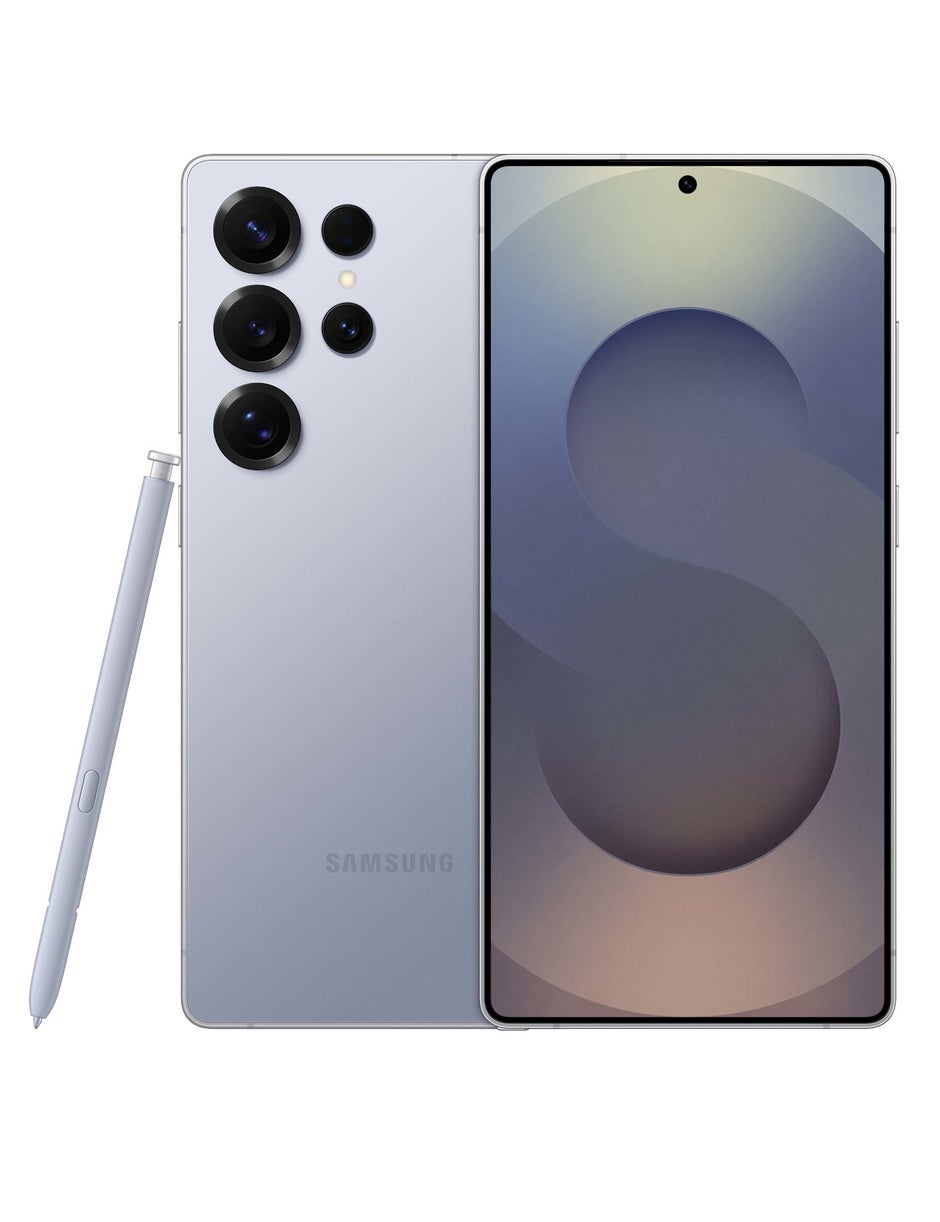
Winner: Depends on your style. Galaxy S25 Ultra for versatility and zoom range. iPhone 17 Pro Max for video and the 8x telephoto. Pixel 10 Pro for the most consistently beautiful photos with zero effort.
Battery Life: Who Lasts Longest in the Real World?
The Galaxy S25 Ultra’s 5,000mAh battery with 45W wired charging and Qi2 wireless gets you comfortably through a heavy day with 20-30% remaining by bedtime. Samsung’s aggressive but intelligent power management has matured significantly with One UI 7.
Apple claims 28 hours of video playback for the iPhone 17 Pro Max’s 4,800mAh cell, and in practice, it’s the most efficient phone here for light-to-moderate use. Scrolling social media, messaging, and web browsing barely dent the battery. Heavy camera use and gaming close the gap with the S25 Ultra.
Google’s claim of “30+ hours” for the Pixel 10 Pro is the most aggressive battery promise of the three, and it largely delivers. The Tensor G5’s efficiency improvements over the G4 are real — this is the first Pixel that consistently makes it through a full day of heavy use without anxiety.
Winner: Pixel 10 Pro by a narrow margin, thanks to the Tensor G5’s efficiency gains and Google’s stellar power management. The S25 Ultra is a close second.
AI Features: The New Battleground
2025 is the year AI stopped being a marketing bullet point and became a genuine differentiator. Each manufacturer took a radically different approach.
Google’s Pixel 10 Pro treats AI as the operating system itself. Gemini Nano runs on-device for everything from smart replies to photo editing, and the integration is seamless. Ask Gemini to summarize a webpage, edit a photo, or draft a response — it all happens locally, instantly, and privately. The Pixel 10 Pro is proactive, surfacing information and suggestions before you ask.
Samsung’s Galaxy AI on the S25 Ultra combines Google’s Gemini with Samsung’s own tools to create the most flexible AI system. Real-time translation during calls, voice cloning for accessibility, AI-powered photo and video editing — Galaxy AI does more individual tricks than any competitor. The trade-off is that it occasionally feels like a collection of features rather than a unified experience.
Apple Intelligence on the iPhone 17 Pro Max is the most conservative approach, but also the most polished. Everything it does — writing tools, image generation, Siri improvements — feels cohesive and Apple-quality. It just does less than the competition. The 12GB RAM finally gives Apple Intelligence room to breathe, and the on-device processing is noticeably faster than last year.
Winner: Pixel 10 Pro — AI isn’t a feature on the Pixel; it’s the foundation. Galaxy S25 Ultra takes second for breadth. iPhone 17 Pro Max third for polish over ambition.
Value: Price vs What You Get
- Google Pixel 10 Pro — $999: Best cameras, best AI, best battery efficiency, most compact form factor. The value champion by a wide margin.
- Apple iPhone 17 Pro Max — $1,199: Best video, 8x zoom, unmatched ecosystem. Premium pricing for premium integration.
- Samsung Galaxy S25 Ultra — $1,299: Most features, S Pen, 200MP camera, titanium build. You pay more and get more — whether you need it all is the question.
The Verdict: Who Wins in December 2025?
There is no single “best smartphone of 2025.” There are three exceptional phones that win in different scenarios:
- Choose the iPhone 17 Pro Max if you’re in the Apple ecosystem, shoot a lot of video, or want the 8x telephoto zoom. The $1,199 entry is steep but justified by the camera hardware alone.
- Choose the Galaxy S25 Ultra if you want the most complete package: S Pen productivity, 200MP camera versatility, titanium build, and the best display in any smartphone. At $1,299, it’s the power user’s choice.
- Choose the Pixel 10 Pro if you want the smartest phone rather than the most powerful one. At $999, it delivers 90% of the flagship experience with the best AI, the most consistent camera, and battery life that outlasts both competitors. It’s my personal pick for most people.
The real story of 2025 isn’t which phone won — it’s that the gap between these three has never been smaller. Pick any one of them and you’ll be happy for the next two years. The question is whether you’re buying into Apple’s ecosystem, Samsung’s feature maximalism, or Google’s AI-first vision of what a phone should be.
Need help choosing the right tech setup for your creative workflow? Whether it’s a smartphone, studio hardware, or an AI-powered production pipeline — let’s figure it out together.
Get weekly AI, music, and tech trends delivered to your inbox.