Best Audio Interfaces of 2025: Year-End Roundup and Comparison from $100 to $3,500
December 8, 2025
GPT-5 Developer Workflows After 4 Months: The Real-World Report Card
December 9, 2025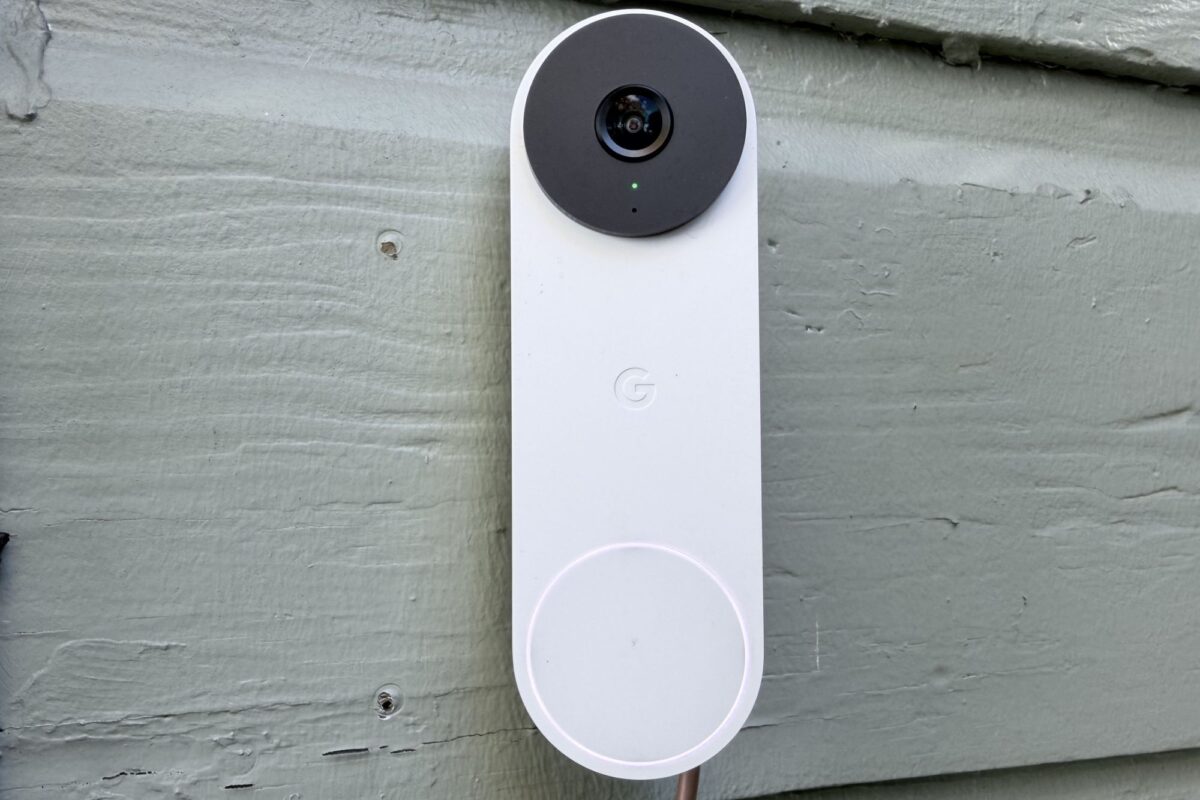
Forget everything you thought you knew about smart homes in 2024. This year, the industry didn’t just iterate — it fundamentally changed how our devices think, communicate, and anticipate our needs. After testing over 30 products throughout 2025, these are the 8 best smart home devices that earned a permanent spot in my connected home.
Why 2025 Was the Year Smart Home Finally Got Smart
Three major shifts defined the best smart home devices of 2025. First, Matter 1.5 launched in November, adding security camera support for the first time and making cross-platform compatibility a reality rather than a marketing promise. Second, Google’s Gemini AI started showing up in everyday home products, turning basic doorbell cameras into contextual security systems. Third, robot vacuums evolved from floor cleaners into genuinely useful home assistants with mechanical arms and multi-function docking stations.
The result? A smart home ecosystem that’s finally worth the investment — whether you’re in the Apple, Google, or Amazon camp.
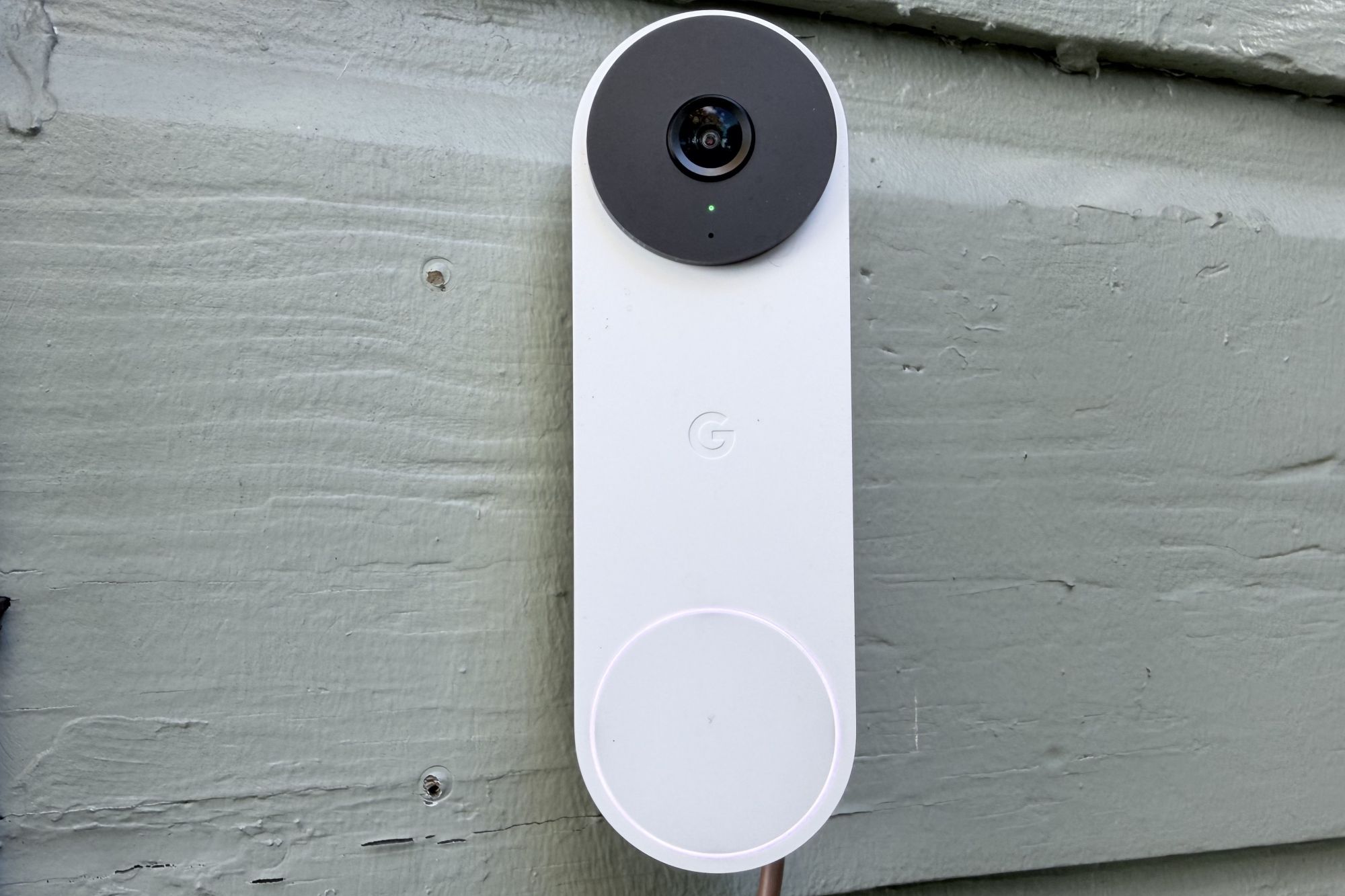
1. Google Nest Doorbell with Gemini AI — The Security Game Changer
The single most impressive smart home device of 2025 wasn’t a flashy gadget — it was a doorbell. Google’s integration of Gemini AI into the Nest Doorbell transformed it from a simple video feed into an intelligent security system. Ask it “Did anyone come to the door while I was out?” and it provides a natural-language summary of events, complete with timestamps and context.
The AI can distinguish between a delivery driver, a neighbor, and an unfamiliar face. It searches through days of high-resolution recordings using conversational queries. According to PCWorld’s extensive testing, this feature alone makes the Nest Doorbell the most significant smart home upgrade of the year.
Price: $179 | Best for: Anyone who wants AI-powered home security without a monthly subscription for basic features
2. Philips Hue Bridge Pro — 200+ Devices, Zero Compromises
Philips Hue has been the gold standard in smart lighting for years, but the Bridge Pro takes it to another level. Supporting over 200 devices — 150 lights plus 50 accessories — it eliminates the biggest frustration of growing smart homes: hitting the device cap. Even more impressive, it turns your existing Hue lights into motion sensors through radar-like presence detection, eliminating the need for separate sensor hardware.
For my studio setup with 40+ Hue bulbs across multiple rooms and zones, the Bridge Pro was an immediate upgrade. Response times dropped noticeably, and the presence detection means lights now react to actual room occupancy rather than timer-based schedules.
Price: $129 | Best for: Hue ecosystem users who’ve outgrown the standard bridge or want motion-sensing without additional hardware
3. Roborock S8 MaxV Ultra — The Robot Vacuum That Removes Its Own Obstacles
Robot vacuums have been around for over a decade, but the Roborock S8 MaxV Ultra genuinely surprised me. Its five-axis mechanical arm can pick up small obstacles — socks, toys, napkins — before vacuuming, solving the perennial “I have to clean before the robot can clean” problem. The 22,000Pa suction power combined with a dual anti-tangle system handles pet hair without the frustrating brush-cleaning routine.
The self-emptying and self-washing dock means weeks of hands-free operation. I set mine to run every morning at 7 AM, and it genuinely handles the entire main floor without intervention. That’s the kind of automation that justifies the premium price tag.
Price: $1,799 | Best for: Pet owners and busy households who want true hands-free floor maintenance
4. Ecobee Smart Thermostat Premium — Highest ROI Smart Home Purchase
If you own your home and haven’t installed a smart thermostat yet, the Ecobee Premium should be your very first smart home purchase. Not because it’s exciting — because it literally pays for itself. Multiple independent studies confirm a payback period under 12 months for most households, with real energy savings of 15-23% on heating and cooling bills.
The 2025 model adds improved room sensors with air quality monitoring, a built-in Alexa speaker, and Matter compatibility out of the box. The DIY installation takes about 30 minutes, and the energy reports actually show you where money is being saved. In a year when energy prices continued climbing, this was the smartest purchase in my entire smart home setup.
Price: $249 | Best for: Homeowners looking for measurable energy savings and the fastest smart home ROI
5. Aqara Hub M3 — The Budget-Friendly Multi-Protocol Powerhouse
For anyone building a smart home on a budget, the Aqara Hub M3 is the answer. Supporting Zigbee, Thread, Bluetooth, and Wi-Fi simultaneously, it integrates with Apple HomeKit, Amazon Alexa, and Google Home without requiring separate hubs for each protocol. Pair it with Aqara’s dirt-cheap door/window sensors ($15 each), and you have a complete home security baseline for under $200.
The M3 also supports Matter natively, which means it’s future-proof as more devices adopt the universal standard. Aqara’s Panel Hub S1 Plus — a touchscreen controller that replaces a light switch — finally launched in the US market this year, adding a sleek control interface without cluttering your countertops.
Price: $139 (hub + 2 sensors kit) | Best for: Budget-conscious buyers who want multi-protocol support without ecosystem lock-in
6. SwitchBot K20+ Pro — The Swiss Army Knife of Robot Vacuums
SwitchBot took the most unexpected approach to smart home in 2025. The K20+ Pro isn’t just a robot vacuum — it’s a modular platform. The base unit docks with interchangeable accessories: a fan, an air purifier, a security camera, and even an iPad holder. This transforms a single device into a mobile smart home assistant that physically moves through your house.
Is it perfect? No — the vacuum performance alone doesn’t match the Roborock S8 MaxV Ultra. But the concept of a mobile platform that brings different smart home functions to wherever you need them is genuinely innovative. SwitchBot’s Bot accessory — a tiny robot finger that physically presses buttons on “dumb” devices — remains one of the cleverest solutions for legacy appliance integration.
Price: $799 (base kit) | Best for: Tech enthusiasts who want a modular, expandable smart home platform
7. Matter 1.5 Compatible Devices — The Ecosystem Unifier
Matter 1.5 isn’t a device — it’s the standard that made every other device on this list work better together. Released in November 2025, it added security camera support for the first time, meaning your Ring, Nest, and Arlo cameras can finally talk to each other through a unified protocol. Thread 1.4’s improved network sharing means new border routers join existing mesh networks instead of creating conflicting ones.
The real victory is price: IKEA brought Matter-certified smart home products to market for under $10. When the cheapest smart plug in your home speaks the same language as your $1,800 robot vacuum, the smart home dream becomes accessible to everyone. Over 200 companies now support Matter, and the device count has crossed critical mass.
Best Matter devices to watch: Eve Energy smart plug ($39), Nanoleaf Essentials bulbs ($19), Yale Assure Lock 2 ($249)
8. Lutron Caséta Smart Switches — The Reliability Champion
In a world chasing AI features and flashy interfaces, Lutron Caséta did something radical: it just worked. Every single time. The Clear Connect RF protocol avoids Wi-Fi congestion entirely, giving sub-second response times that make smart switches feel like physical ones. The Pico remotes — small battery-powered buttons you can mount anywhere — solve the “smart switch broke my wall switch” problem elegantly.
After two years with Caséta switches throughout my home, I’ve had exactly zero connectivity issues. Zero missed commands. Zero “the light didn’t turn off” moments. In the smart home world, that kind of reliability is genuinely rare, and it’s why Lutron consistently tops expert recommendation lists despite its premium pricing.
Price: $69 (starter kit) | Best for: Anyone who values rock-solid reliability over bleeding-edge features
The Bottom Line: Smart Home in 2025 Is About Integration, Not Isolation
The best smart home devices of 2025 share one common trait: they play well with others. Matter 1.5’s expansion, Google’s Gemini AI in everyday hardware, and budget options from Aqara and IKEA mean that building a smart home no longer requires picking a single ecosystem and hoping for the best. Whether you start with a $10 IKEA smart plug or a $1,799 Roborock, every device now speaks a common language.
My recommendation for 2025 holiday shoppers: start with the Ecobee thermostat (it pays for itself), add Aqara sensors for security basics, and upgrade your lighting with Philips Hue. That combination covers energy savings, security, and ambiance — the three pillars that make a smart home actually useful rather than just a tech demo.
Want help building the perfect smart home setup or need tech consulting for your automation projects?
Get weekly AI, music, and tech trends delivered to your inbox.