Open Source AI February 2026: Qwen 3.5’s 397B MoE, GLM-5’s #1 Debut, and 10 Models That Reshaped the Rankings
February 24, 2026
Sora 2 vs Runway Gen-4 Turbo: Which AI Video Tool Wins in February 2026?
February 25, 2026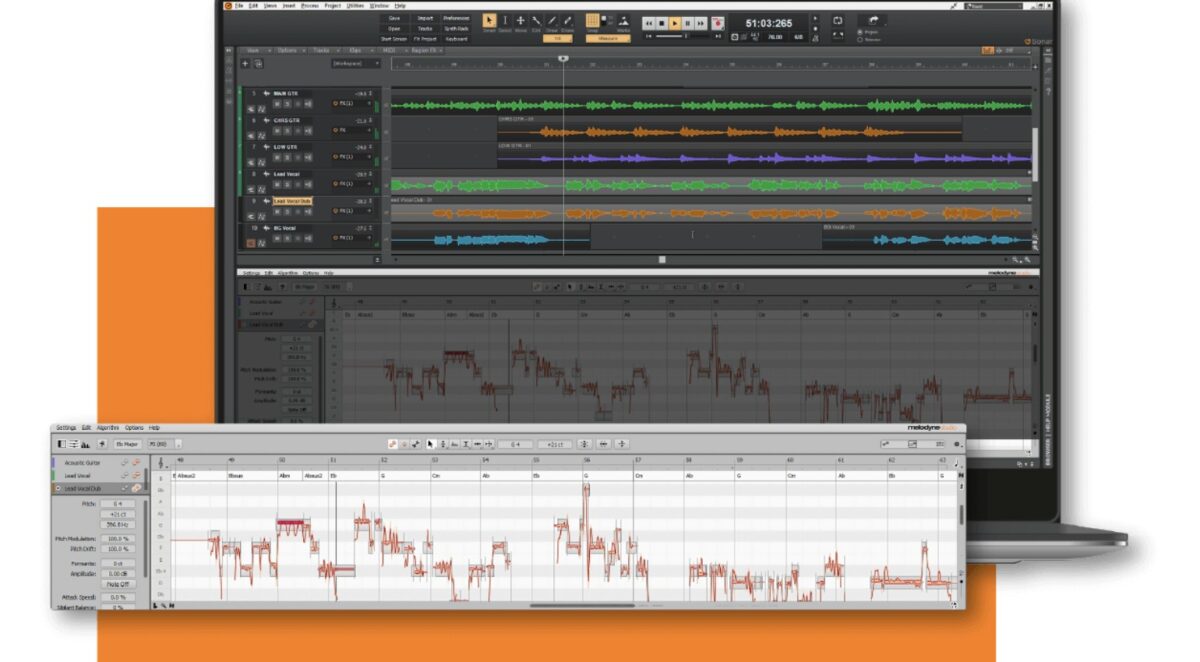
Still paying hundreds for a DAW? In February 2026, the best free DAW options have reached a level that would have been unthinkable five years ago. Cakewalk Sonar now offers unlimited tracks with a 64-bit engine at zero cost. Ardour 9.0 just shipped with Ableton-style live looping. And GarageBand continues to run on the same audio engine as Logic Pro. Here’s how the three best free DAW 2026 contenders actually stack up when you put them side by side.
Why the Best Free DAW 2026 Landscape Has Fundamentally Shifted
Two major events reshaped the free DAW market heading into 2026. First, BandLab deactivated the original Cakewalk by BandLab in August 2025, replacing it with the rebranded Cakewalk Sonar — complete with a generous free tier that retained most professional features. Second, the Ardour team dropped version 9.0 on February 5, 2026, arguably the biggest single update in the project’s two-decade history. Meanwhile, GarageBand has remained Apple’s gateway drug into professional music production, stable and polished as ever.
What makes this moment particularly interesting is that these three DAWs cover every major platform — Windows, macOS, and Linux — without any overlap in their core philosophies. Each one represents a fundamentally different approach to what a free DAW should be.
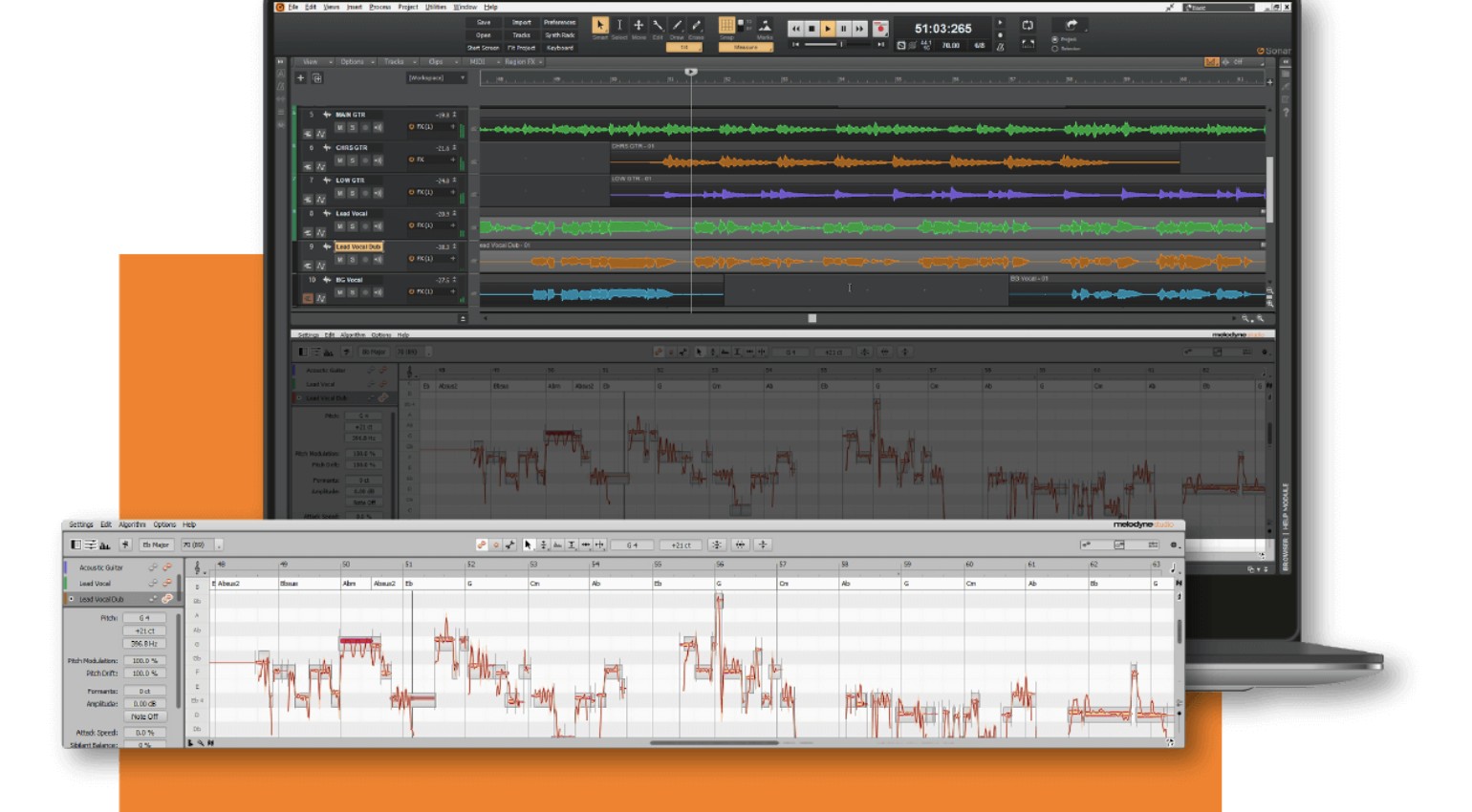
Cakewalk Sonar Free Tier: The Professional Windows Workhorse
When Cakewalk by BandLab was officially retired, many producers worried they’d lose access to one of the most capable free DAWs ever released. Cakewalk Sonar’s free tier put those fears to rest. The core feature set is remarkably complete: unlimited audio and MIDI tracks, a full 64-bit audio engine, ProChannel with tape and console emulators built in, VST3 and ARA plugin support, and VocalSync for vocal alignment.
ProChannel deserves special attention here. Most free DAWs give you a basic mixer and call it a day. Sonar’s ProChannel includes tape saturation, console emulation, EQ, and compression modules directly in the channel strip — the kind of processing that typically requires third-party plugins costing $50-200 each. For Windows-based producers who want a traditional, full-featured DAW workflow without spending a dime, Cakewalk Sonar is hard to beat.
The catch? It’s Windows-only, and you need a BandLab account to use it. Some advanced features are locked behind paid tiers, but the free version covers the vast majority of production needs. If you’re coming from any traditional DAW like Cubase, Studio One, or the original SONAR, you’ll feel right at home.\n\n\n\n
One detail worth noting: Sonar’s VocalSync technology is included in the free tier. This feature automatically aligns backing vocal takes to a lead vocal — something that typically requires dedicated plugins like VocAlign or Revoice Pro. For anyone recording vocals at home, this alone makes Cakewalk Sonar worth installing. The MIDI editing is also mature, with a piano roll that supports articulation maps and advanced quantization options that rival DAWs costing several hundred dollars.
GarageBand: Still the Best Starting Point on macOS
GarageBand doesn’t try to compete with professional DAWs on feature count, and that’s exactly why it works. It runs on the same Core Audio engine as Logic Pro, which means audio quality is never an issue. The included Drummer tracks generate realistic drum patterns that respond to your playing dynamics. Smart Instruments make it possible for non-musicians to create surprisingly musical parts. And the loop library is massive — thousands of royalty-free loops across every genre.
The limitations are real, though. GarageBand only supports AU (Audio Unit) plugins, not VST — which means the vast ecosystem of free VST plugins is off the table. Advanced mixing features like bus routing, sidechain compression setup, and detailed automation are limited compared to both Sonar and Ardour. But here’s the strategic advantage: every GarageBand project opens directly in Logic Pro. When you’re ready to step up, you keep all your work. No other free DAW offers that kind of upgrade path.
For beginners, students, and anyone who values simplicity and sound quality over feature depth, GarageBand remains the gold standard among free DAWs on macOS and iOS. The cross-device workflow between Mac and iPad is another underrated strength — start a track on your iPhone during a commute, refine it on your iPad, and finish it on your Mac. No other free DAW offers this kind of seamless device continuity.
\n\n\n\nOne more thing worth mentioning: GarageBand’s built-in instruments are surprisingly capable. The Alchemy synth engine, shared with Logic Pro, provides rich, detailed sounds that go far beyond typical stock presets. Combined with the extensive Apple Loops library, you can produce polished tracks without downloading a single third-party plugin.
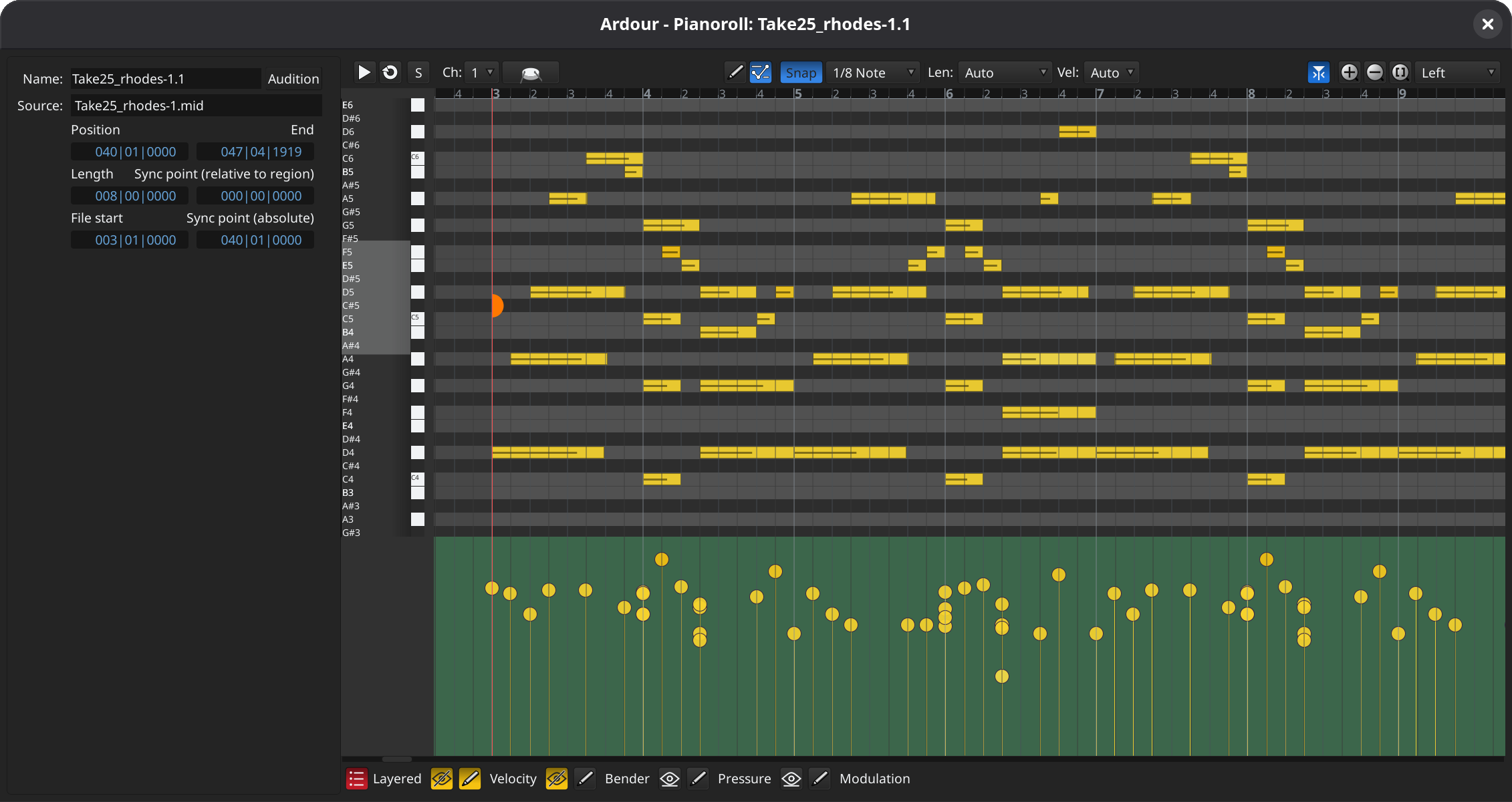
Ardour 9.0: The Open-Source Powerhouse Gets Serious Competition Features
Ardour 9.0, released February 5, 2026, is a landmark update for the open-source DAW. Licensed under GPL v2 and available on Linux, macOS, and Windows, Ardour has long been the go-to choice for Linux-based music production. But this release pushes it firmly into territory previously dominated by commercial DAWs.
The headline features are significant. Pianoroll windows now float independently, making MIDI editing far more flexible. Cue recording brings Ableton-style live looping directly into Ardour — a feature that many producers have been requesting for years. Region FX allows non-destructive audio processing at the region level. The new realtime perceptual analyzer provides professional metering that visualizes audio the way your ears actually hear it. Multi-touch GUI support modernizes the interface for touchscreen workflows. And keyboard automation editing makes detailed parameter control faster than ever.
Ardour supports both VST3 and LV2 plugins, giving you access to a wide range of third-party tools. The $45 purchase removes the startup nag screen, but all features are available for free. This makes Ardour unique among the three: it’s the only one that’s truly cross-platform, fully open source, and completely unrestricted in its free version.
\n\n\n\nFor Linux users, Ardour 9.0 is essentially the only professional-grade option, and it delivers. But even Mac and Windows users should take notice — the combination of cue recording, Region FX, and the perceptual analyzer gives Ardour capabilities that some paid DAWs still lack. The open-source community behind Ardour continues to push boundaries, and version 9.0 represents their most ambitious release yet.
Which Free DAW Should You Choose? A Platform-by-Platform Breakdown
- Windows + traditional DAW workflow: Cakewalk Sonar free tier. ProChannel and unlimited tracks make it the clear winner for serious Windows-based production.
- macOS/iOS + beginner to intermediate: GarageBand. Same engine as Logic Pro, intuitive interface, and a seamless upgrade path when you’re ready.
- Linux or open-source preference: Ardour 9.0. Cross-platform, no feature restrictions, and the most powerful open-source DAW available.
- Live looping and experimental workflows: Ardour 9.0’s cue recording brings Ableton-style session workflows to a free DAW for the first time.
- Mixing and mastering focus: Cakewalk Sonar’s ProChannel provides the most complete mixing toolset of any free DAW.
The best part about all three being free? You can install every one of them and test with your actual projects. In 2026, choosing a free DAW isn’t about settling for less — it’s about finding the workflow that matches how you actually make music. The right choice depends entirely on your platform, your experience level, and the kind of music you want to create.
Need help choosing the right DAW or optimizing your studio setup? With 28+ years in music production, Sean Kim can help you build the perfect workflow.