DAW Market Share 2025: Pro Tools, Ableton, FL Studio, Logic Pro — The Full Breakdown
December 15, 2025
Music Production YouTube Channels 2025: 12 Best Free Learning Resources That Actually Deliver
December 16, 2025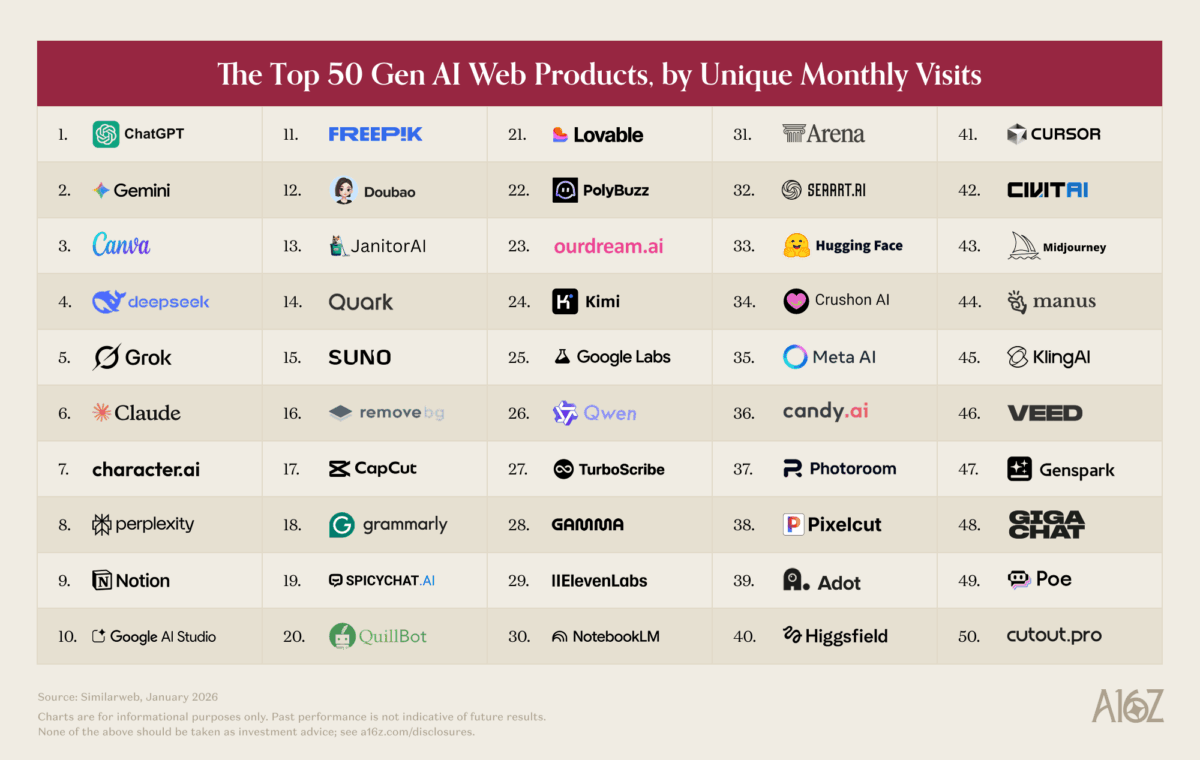
I spent over 200 hours testing AI tools this year — and the honest truth is that 90% of them are not worth your time. But the remaining 10%? They fundamentally changed how I work, create, and think. Here are the best AI tools 2025 has to offer, broken down across 10 categories, with clear winners, runner-ups, and the tools that almost made the cut.
This is not a sponsored listicle — this is my definitive guide to the best AI tools 2025. Every tool here earned its spot through months of real-world use. Whether you are a developer, designer, writer, or just someone trying to work smarter — this guide will save you the trial-and-error I went through.
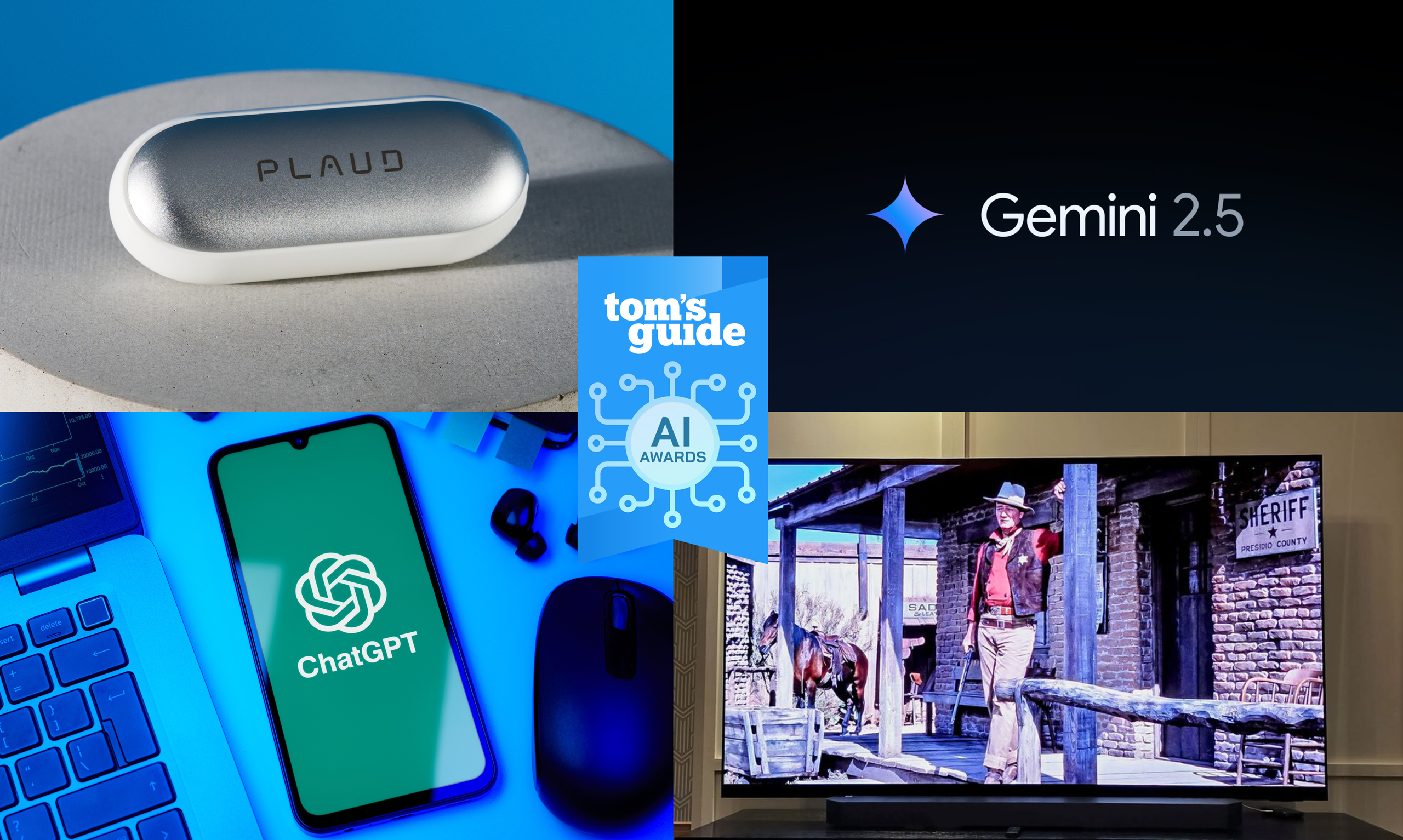
1. Best AI Chatbot: ChatGPT (GPT-4o / o1)
Winner: ChatGPT — With over 300 million weekly active users, ChatGPT cemented its dominance in 2025. The GPT-4o model brought true multimodal capabilities — voice, vision, and text in a single conversation — while the o1 reasoning model tackled complex logic and math problems that previously stumped every AI. At $20/month for Plus or free for GPT-4o mini, it remains the most versatile AI assistant available.
Runner-up: Claude 3.5 (Anthropic) — Claude quietly became the preferred choice for developers and writers who value nuance and safety. Its 200K context window handles entire codebases in a single prompt. Honorable mention: Gemini 2.0 from Google, which excels at integrating with the Google ecosystem — Gmail, Docs, Search — making it the natural pick if you live in Google’s world.
2. Best AI Coding Tool: GitHub Copilot
Winner: GitHub Copilot — Still the industry standard for AI-assisted coding. Copilot’s deep integration with VS Code and JetBrains, combined with its massive training data from GitHub repositories, makes it the most reliable code completion tool. At $10/month for individuals, it pays for itself within the first day of use.
Runner-up: Cursor — The breakout story of 2025 in the coding space. Cursor is not just an AI plugin — it is an AI-native IDE built from the ground up. Its ability to understand entire project contexts and generate multi-file changes made it the darling of indie developers and startups. Honorable mentions: Codeium (free tier that actually works) and Replit Agent (build full apps from a prompt).
3. Best AI Image Generation: Midjourney V6.1
Winner: Midjourney V6.1 — When it comes to pure artistic quality, nothing touches Midjourney. Version 6.1 brought improved text rendering, better hand anatomy, and a web-based editor that finally freed users from the Discord-only workflow. Starting at $10/month, it is the go-to for designers, marketers, and creative professionals.
Runner-up: DALL-E 3 (via ChatGPT) — The convenience factor is unbeatable. Generate images directly inside ChatGPT conversations without switching tools. Honorable mentions: Stable Diffusion 3 for the open-source community, and Ideogram for its surprisingly accurate text-in-image rendering.
4. Best AI Video Generation: Runway Gen-3 Alpha
Winner: Runway Gen-3 Alpha — Hollywood is already using Runway, and that tells you everything. Gen-3 Alpha produces cinematic-quality video clips from text or image prompts with remarkable consistency in motion and physics. Starting at $12/month, it is accessible to independent creators too.
Runner-up: Sora (OpenAI) — Launched in December 2024 with jaw-dropping demo reels, Sora showed what is possible when you throw massive compute at video generation. Still limited in availability as of late 2025. Honorable mentions: Kling from Kuaishou (competitive quality from China) and Pika (quick, fun video effects).
5. Best AI Search & Research: Perplexity AI
Winner: Perplexity AI — This is the tool that fundamentally changed how I research. Perplexity’s citation-first approach means every answer comes with sources you can verify. The Pro tier ($20/month) with its multi-step research and file analysis turned it into a genuine research assistant, not just a fancy search engine. Valued at over $500 million, Perplexity proved that AI search is a real category.
Runner-up: Google AI Overviews — Google’s AI-powered summaries rolled out globally in 2025, giving quick answers directly in search results. Not as deep as Perplexity, but the distribution advantage is massive. Honorable mentions: You.com and Phind (developer-focused AI search).
6. Best AI Writing & Content: Claude 3.5 Sonnet
Winner: Claude 3.5 Sonnet — For long-form writing, Claude has no equal in 2025. Its ability to match tone, maintain consistency across thousands of words, and produce genuinely well-structured prose makes it the writer’s choice. The Artifacts feature lets you iterate on documents in real-time. At $20/month for Pro, it is essential for anyone who writes professionally.
Runner-up: ChatGPT — More versatile and better at short-form content, brainstorming, and quick drafts. Honorable mentions: Jasper (pivoted hard into enterprise marketing) and Copy.ai (solid for sales copy and email sequences).
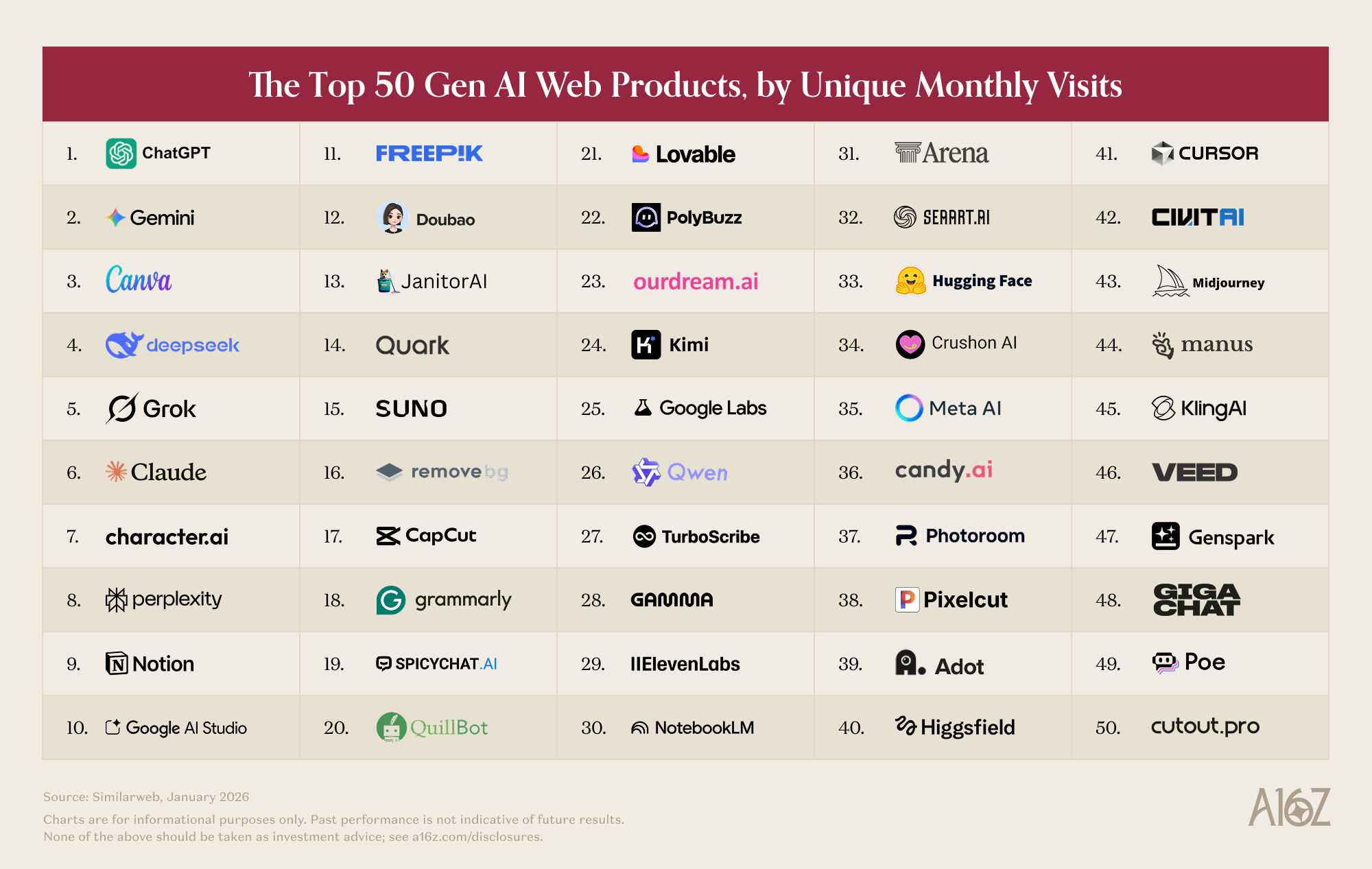
7. Best AI Productivity Tool: Notion AI
Winner: Notion AI — Notion’s AI features weave into your existing notes, databases, and documents so naturally that you forget you are using AI. Ask questions across your entire workspace, auto-fill database properties, summarize meeting notes — all without leaving the tool you already use daily. The AI add-on is $10/month per member.
Runner-up: Microsoft Copilot (365) — If your organization runs on Word, Excel, and PowerPoint, Copilot for Microsoft 365 is transformative. At $30/user/month for enterprise, it is expensive but powerful. Honorable mentions: Otter.ai and Fathom for meeting transcription and action items — both legitimate time-savers.
8. Best AI Music & Audio: Suno
Winner: Suno — Type a description, get a full song with vocals, instruments, and production — in under 30 seconds. Suno’s quality leap in 2025 was staggering. The free tier gives you 10 generations per day, and Pro at $10/month unlocks commercial rights. Yes, there are ongoing copyright debates, but the technology itself is undeniably impressive.
Runner-up: Udio — A strong competitor with arguably better genre diversity, especially for electronic and orchestral music. Honorable mentions: ElevenLabs (the undisputed leader in voice synthesis and cloning) and Stable Audio (open-source alternative for sound design).
9. Best AI Design & Presentations: Canva Magic Studio
Winner: Canva Magic Studio — Canva went all-in on AI in 2025, and it paid off. Magic Studio bundles text-to-design, background removal, image expansion, and video editing into one suite. For non-designers who need professional visuals fast, nothing else comes close. The Pro plan at $13/month is one of the best values in the entire AI tools market.
Runner-up: Gamma AI — Need a presentation in 60 seconds? Describe your topic, and Gamma generates a complete, well-designed slide deck. It is not perfect, but for internal presentations and quick pitches, it is a game-changer. Honorable mentions: Beautiful.ai (polished templates) and Figma AI (design-to-code prototyping).
10. Best AI Document Analysis: Google NotebookLM
Winner: Google NotebookLM — The breakout hit of 2025, and it is completely free. Upload your documents — PDFs, slides, websites, YouTube videos — and NotebookLM answers questions exclusively from those sources. Zero hallucination by design. The podcast generation feature (“Audio Overview”) that turns your documents into a conversational podcast went viral and introduced millions of people to a genuinely new way of consuming information.
Runner-up: ChatGPT with file upload — Upload PDFs, spreadsheets, or images and ask questions. Broader capabilities than NotebookLM but less focused. Honorable mentions: Anthropic Artifacts (interactive document analysis) and Adobe Acrobat AI (PDF-specific workflows).
Key Trends That Shaped the Best AI Tools 2025
Looking at these winners, several patterns emerge. First, multimodal became table stakes — the best tools handle text, images, voice, and video within a single interface. Second, AI agents are the next frontier, with tools like Replit Agent and Claude Computer Use pointing toward a future where AI does not just answer questions but takes actions. Third, pricing wars drove costs down dramatically — most category winners cost $20/month or less, making professional-grade AI accessible to individuals and small teams.
Perhaps most importantly, 72% of business professionals now use AI tools regularly, according to recent surveys. This is not early-adopter territory anymore. If you are not using at least a few tools from this list, you are leaving significant productivity on the table.
The AI landscape will look different again by mid-2026. But right now, in December 2025, these are the tools that actually deliver — tested, verified, and recommended. Pick the ones that match your workflow, start with the free tiers where available, and upgrade when you hit the limits. That is the smartest approach to navigating this rapidly evolving space.
Need help building an AI-powered workflow or integrating these tools into your business? Let’s talk about what makes sense for your specific needs.
Get weekly AI, music, and tech trends delivered to your inbox.