Hugging Face Community Models: 7 Open Source AI Highlights from October 2025
October 21, 2025
Apple TV 4K 2025 Update: A17 Pro Chip Brings AI Upscaling and Apple Intelligence to Your Living Room
October 21, 2025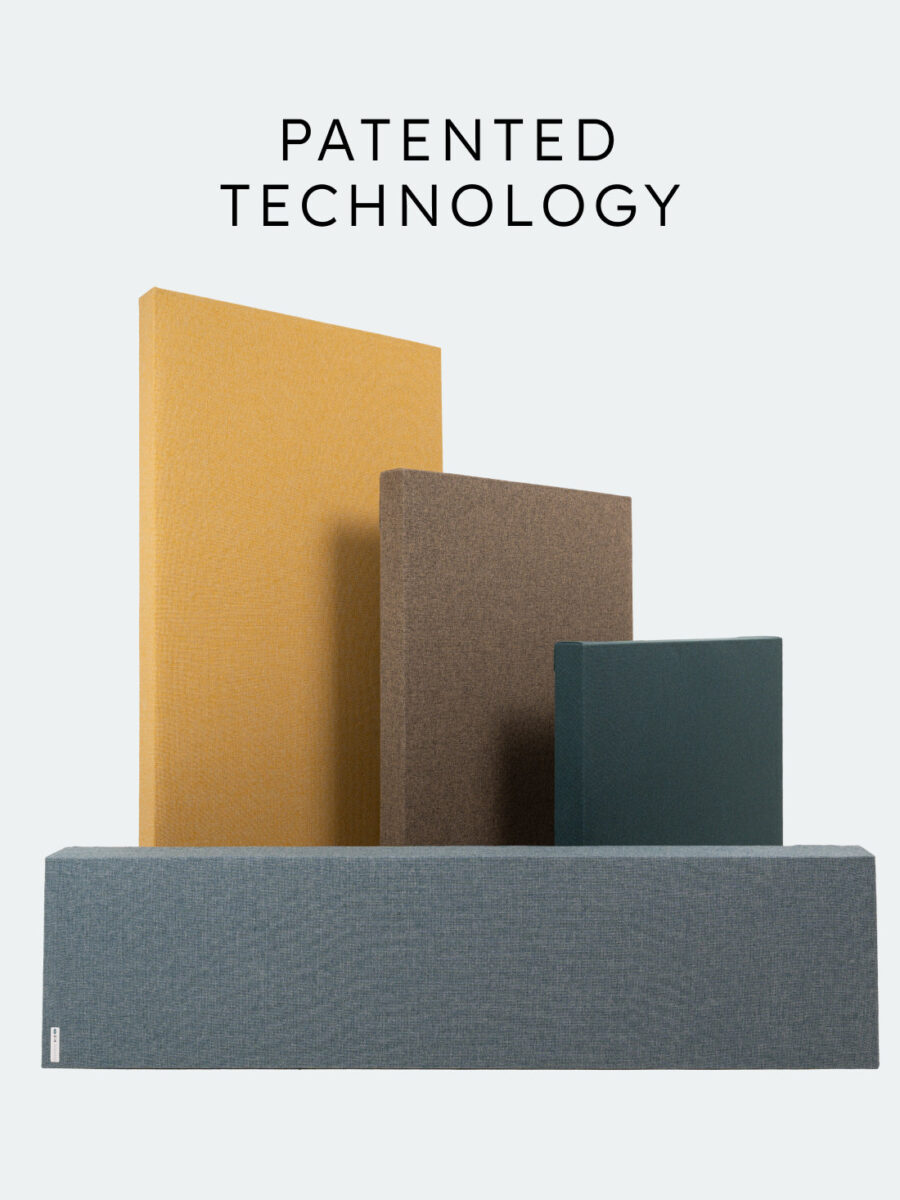
I spent $800 on Auralex foam in 2019. My room measurements barely changed. That experience — and the frustrating realization that I’d been treating symptoms instead of problems — is exactly why this comparison exists.
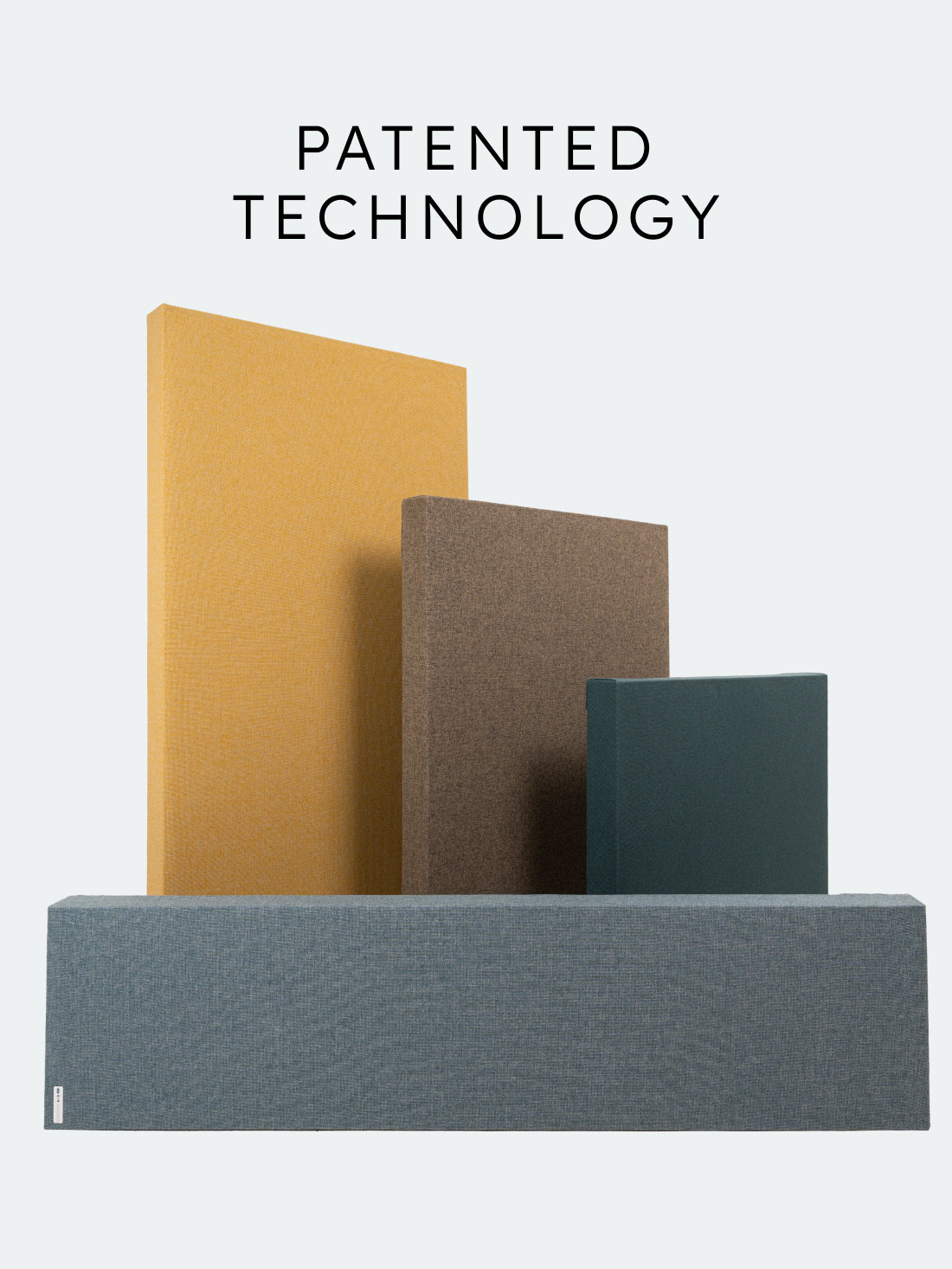
The acoustic treatment panels market in 2025 has three clear lanes: professional rigid panels from companies like GIK Acoustics, foam-based solutions from Auralex, and the ever-growing DIY community building panels with Rockwool and Owens Corning 703. But which approach actually delivers results per dollar? Let’s break it down with real NRC data, actual costs, and the tradeoffs nobody talks about.
Acoustic Treatment Panels 101: Why Foam Alone Won’t Save Your Mix
Before comparing products, let’s address the biggest misconception in home studio acoustics: foam is not acoustic treatment. At least not in the way most producers think. Foam panels — even premium ones from Auralex — primarily absorb high frequencies above 1kHz. The problematic frequencies that actually ruin your mixes? Those live between 60Hz and 500Hz, where room modes create peaks and nulls that no EQ plugin can fix.
Real acoustic treatment panels use dense, rigid materials like mineral wool or fiberglass that absorb broadband frequencies. The difference in a room measurement before and after is night and day — but only if you choose the right product for your room’s specific problems.
GIK Acoustics: The Professional Standard for Home Studios
GIK Acoustics has earned its reputation as the go-to brand for serious home studio builders, and their flagship FlexRange 242 panel is the reason why. At an NRC rating of 1.05 — meaning it absorbs more sound energy than a theoretical perfect absorber thanks to edge diffraction — this panel outperforms virtually every competing product in its class.
GIK 242 FlexRange Key Specs
- NRC: 1.05 (broadband absorption)
- Dimensions: 24″ x 48″ x 2″ (60cm x 120cm)
- Core: Rigid fiberglass with built-in air gap
- Price: ~$65–$80 per panel (2025 pricing)
- Fire Rating: Class A
- Finish Options: 20+ fabric colors, custom prints available
What sets GIK apart isn’t just the product — it’s the service model. Every purchase includes a free acoustic consultation where their team analyzes your room dimensions, listening position, and measurement data (if you have REW measurements) to recommend specific panel placement. This alone can save you hundreds of dollars in wasted purchases.
GIK’s product lineup also includes the Monster Bass Trap (NRC 1.18 at 125Hz — exceptional low-end control), the Tri-Trap corner unit, and their Alpha Series diffuser/absorber combos. For a typical home studio room (10′ x 12′), a complete GIK treatment package runs $800–$1,500 depending on how many panels you need.
Auralex Studiofoam: The Convenient (But Limited) Option
Auralex practically invented the “studio foam” category, and their Studiofoam Pro remains one of the most recognizable products in music production. But recognition doesn’t equal effectiveness — at least not for the problems most home studios face.
Auralex Studiofoam Pro Specs
- NRC: 0.90 (primarily mid-high frequency absorption)
- Dimensions: 24″ x 48″ x 1.5″
- Material: Open-cell polyurethane foam
- Price: ~$25–$35 per panel (10-pack pricing)
- Fire Rating: Class A, melamine free
- Finish: Charcoal gray wedge pattern
The NRC of 0.90 looks decent on paper, but here’s what that number doesn’t tell you: almost all of that absorption happens above 500Hz. At 125Hz — where most small room problems live — the absorption coefficient drops to around 0.15. In practical terms, Auralex foam barely touches your bass problems.
Where Auralex does excel is convenience. The panels are lightweight, easy to mount with adhesive, and the Studiofoam Pro’s wedge pattern eliminates flutter echo effectively. For podcasters, voice-over artists, or anyone primarily dealing with high-frequency reflections and room slap, Auralex offers a quick fix at a reasonable price. But for critical music mixing and mastering, foam alone is a half-measure.
Auralex also makes higher-end products — their ProPanel line uses fiberglass cores similar to GIK — but at significantly higher prices and with less community support and consultation resources.

DIY Acoustic Treatment Panels: Maximum Performance Per Dollar
If you own a saw, a staple gun, and have a free weekend, DIY acoustic panels deliver professional-grade results at a fraction of the cost. The secret? The insulation materials that professional panel makers use are available at your local building supply store.
DIY Material Showdown: Rockwool vs Owens Corning 703
Owens Corning 703 has been the gold standard for DIY acoustic panels for decades. It’s a rigid fiberglass board with excellent broadband absorption. At 2″ thick, its NRC approaches 1.0 — nearly identical to GIK’s panels. The catch? It costs roughly $3.00 per square foot, and it’s not always easy to find at retail.
Rockwool (Roxul) Safe’n’Sound and Rockboard 80 are the budget champions. At approximately $1.00 per square foot, Rockwool delivers absorption performance within 5–10% of OC 703 across most frequencies. It’s denser (8 lb/pcf vs 3 lb/pcf for 703), which actually gives it a slight edge in low-frequency absorption. The tradeoff is that mineral wool is less rigid and can be messier to work with — always wear gloves and a mask.
DIY Panel Cost Breakdown (Per Panel, 24″ x 48″ x 2″)
- Insulation (Rockwool): $6–$10
- Wood frame (1×3 lumber): $5–$8
- Acoustically transparent fabric: $4–$6
- Hardware (brackets, staples): $2–$3
- Total per panel: $17–$27
Compare that to $65–$80 for a GIK 242 or $25–$35 for an Auralex foam panel that absorbs a fraction of the frequency range. At $20 per panel, you can treat an entire room for under $300 — including bass traps in all four corners.
Head-to-Head: GIK vs Auralex vs DIY Performance Comparison
Here’s where it gets real. Let’s compare these three approaches across the metrics that actually matter for your mixes:
Absorption Performance by Frequency
- 125Hz (bass): GIK 242: 0.86 | Auralex Pro: 0.15 | DIY Rockwool 2″: 0.78
- 250Hz (low-mid): GIK 242: 1.02 | Auralex Pro: 0.74 | DIY Rockwool 2″: 0.95
- 500Hz (mid): GIK 242: 1.07 | Auralex Pro: 0.99 | DIY Rockwool 2″: 1.02
- 1kHz (upper-mid): GIK 242: 1.07 | Auralex Pro: 1.04 | DIY Rockwool 2″: 1.05
- 2kHz (high): GIK 242: 1.05 | Auralex Pro: 1.03 | DIY Rockwool 2″: 1.04
The numbers don’t lie. At the critical 125Hz region where small rooms create the worst problems, GIK’s rigid panel with its built-in air gap delivers 5.7 times more absorption than Auralex foam. DIY Rockwool panels come remarkably close to GIK’s performance at roughly one-third the cost.
Total Room Treatment Cost (10′ x 12′ Room)
- GIK full treatment (8 panels + 4 bass traps): $900–$1,400
- Auralex foam equivalent coverage: $400–$600 (but inadequate bass control)
- DIY Rockwool (8 panels + 4 corner traps): $250–$400
Which Acoustic Treatment Panels Should You Choose?
Choose GIK Acoustics if: You want professional results without the DIY hassle. The free consultation is invaluable — their team can identify problems in your room that you might not even know exist. The panels look clean and professional, and the customer service is exceptional. Budget: $1,000–$1,500.
Choose Auralex if: You’re a podcaster, voice-over artist, or content creator who needs to reduce echo and room slap — not fix complex bass issues. The foam is lightweight, easy to install, and effective for speech clarity. Also consider it as a supplement to rigid panels for high-frequency flutter echo. Budget: $200–$400.
Choose DIY if: You have basic woodworking tools, a weekend to spare, and want maximum acoustic performance per dollar. The performance gap between a well-built DIY Rockwool panel and a GIK 242 is less than 10% — at one-third the cost. Just be prepared for the labor and the messy fiberglass handling. Budget: $200–$400.
The uncomfortable truth is that acoustic treatment panels are one of the few areas in music production where spending more doesn’t always mean getting more. A $300 DIY setup with proper placement will outperform a $1,000 foam installation every single time. The key is understanding what your room actually needs — and that starts with a measurement, not a shopping cart.
Need help designing your studio’s acoustic treatment plan? From room analysis to Dolby Atmos mixing, Sean Kim brings 28+ years of audio engineering expertise.
Get weekly AI, music, and tech trends delivered to your inbox.