Figma AI Auto Layout Revolution: Grid, MCP Server, and Make from Config 2025 Explained
June 19, 2025
7 Best PC Cases 2025: Airflow, Cable Management & Aesthetics Ranked
June 19, 2025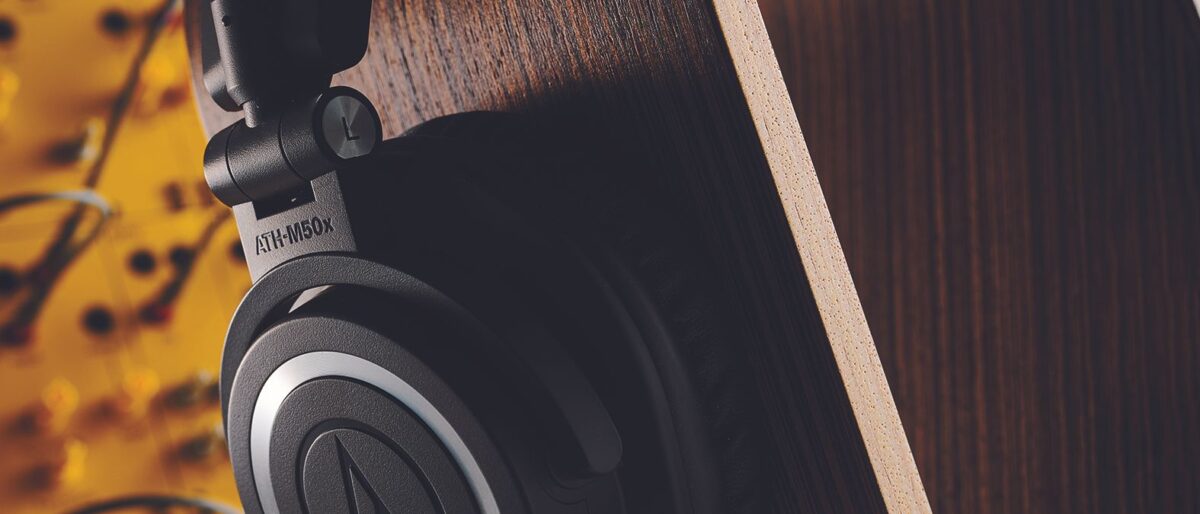
After 28 years in audio production, I’ve developed a healthy skepticism toward any headphone that claims to be both “wireless” and “studio-grade.” Those two words have historically been mutually exclusive. So when Audio-Technica dropped the Audio-Technica ATH-M50xBT2 as the wireless successor to one of the most trusted monitoring headphones in the industry, I had to find out: did they actually pull it off, or is this just another Bluetooth compromise wrapped in a familiar shell?
Audio-Technica ATH-M50xBT2: Overview and First Impressions
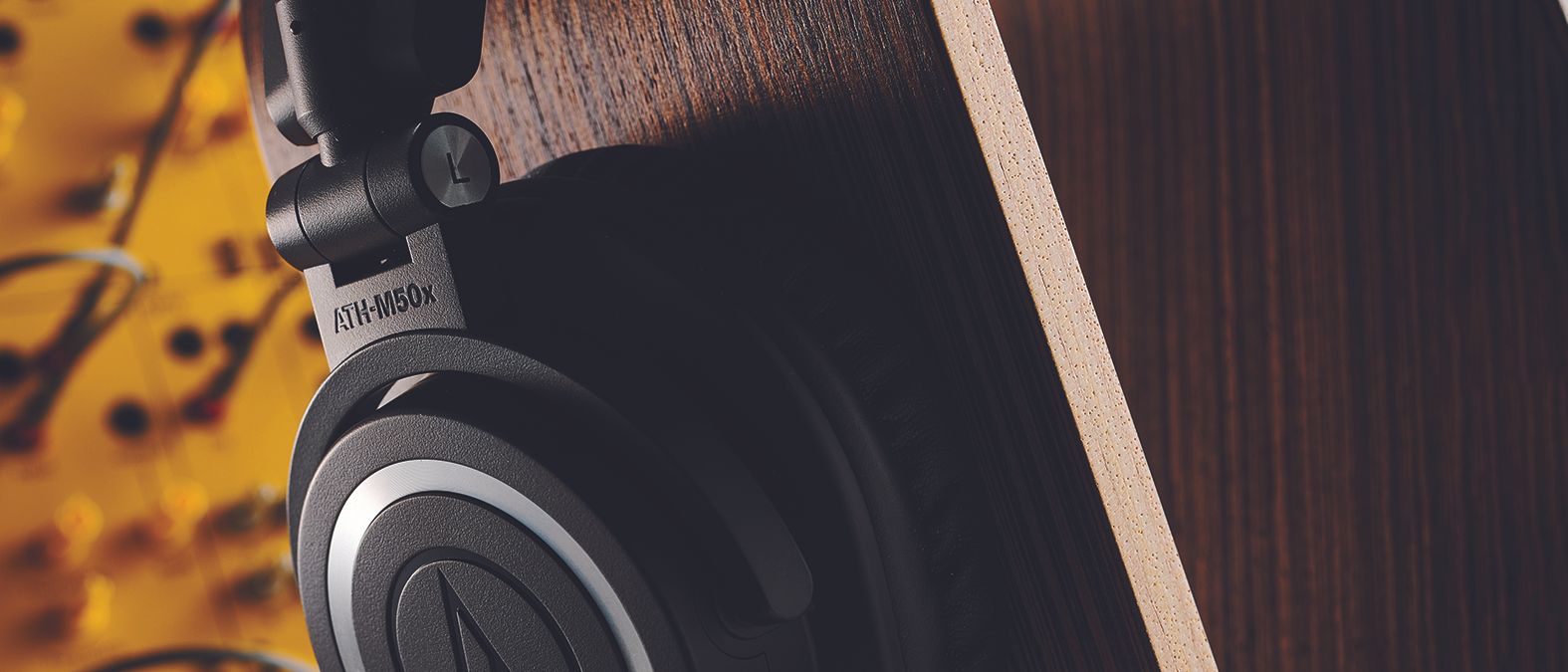
The original ATH-M50x has been a studio staple for over a decade. Walk into any recording studio, broadcast booth, or post-production facility and you’ll find at least one pair hanging on a hook somewhere. Audio-Technica clearly understood the weight of that legacy when designing the BT2 revision. The ATH-M50xBT2 keeps the same 45mm large-aperture drivers, the same closed-back over-ear design, and the same 15Hz–28kHz frequency response that made the original a reference standard. What’s new is everything underneath: Bluetooth 5.0, LDAC codec support, a dedicated low-latency mode, USB-C charging, and a companion app that turns these cans into a surprisingly tweakable monitoring tool.
At $199 for the black version ($219 for the Lantern Glow colorway), Audio-Technica is positioning these squarely between consumer wireless headphones and professional studio monitors. That’s a bold space to occupy, and the execution matters more than the marketing.
Sound Quality and Studio Performance
Let’s get straight to what matters most: how do they sound? The ATH-M50xBT2 retains the flat, analytical character that made the wired M50x a mixing reference. The low end is tight and controlled—not the bloated bass boost you get from consumer wireless cans. Mids are detailed and forward without being fatiguing, and the highs extend cleanly up to 28kHz without the sibilance that plagues cheaper alternatives.
What genuinely surprised me is how closely the Bluetooth signal matches the wired connection. MusicRadar’s review by London-based mixer/producer Jon Musgrave awarded these 4.35 out of 5 stars, noting the extensive onboard tweaking capabilities and the strong passive noise isolation. That tracks with my experience—when you’re wearing these in a treated room, the closed-back design does a respectable job of isolating you from the environment without active noise cancellation.
For critical mixing sessions, I’d still reach for wired reference monitors. But for tracking, editing, commuting with rough mixes, or late-night sessions where you need wireless freedom, the ATH-M50xBT2 delivers a level of accuracy that I haven’t heard from other Bluetooth headphones in this price range. The stereo imaging is precise, and transient response is fast enough to catch timing issues in drum editing.
Wireless Features: LDAC, Bluetooth 5.0, and Low Latency Mode
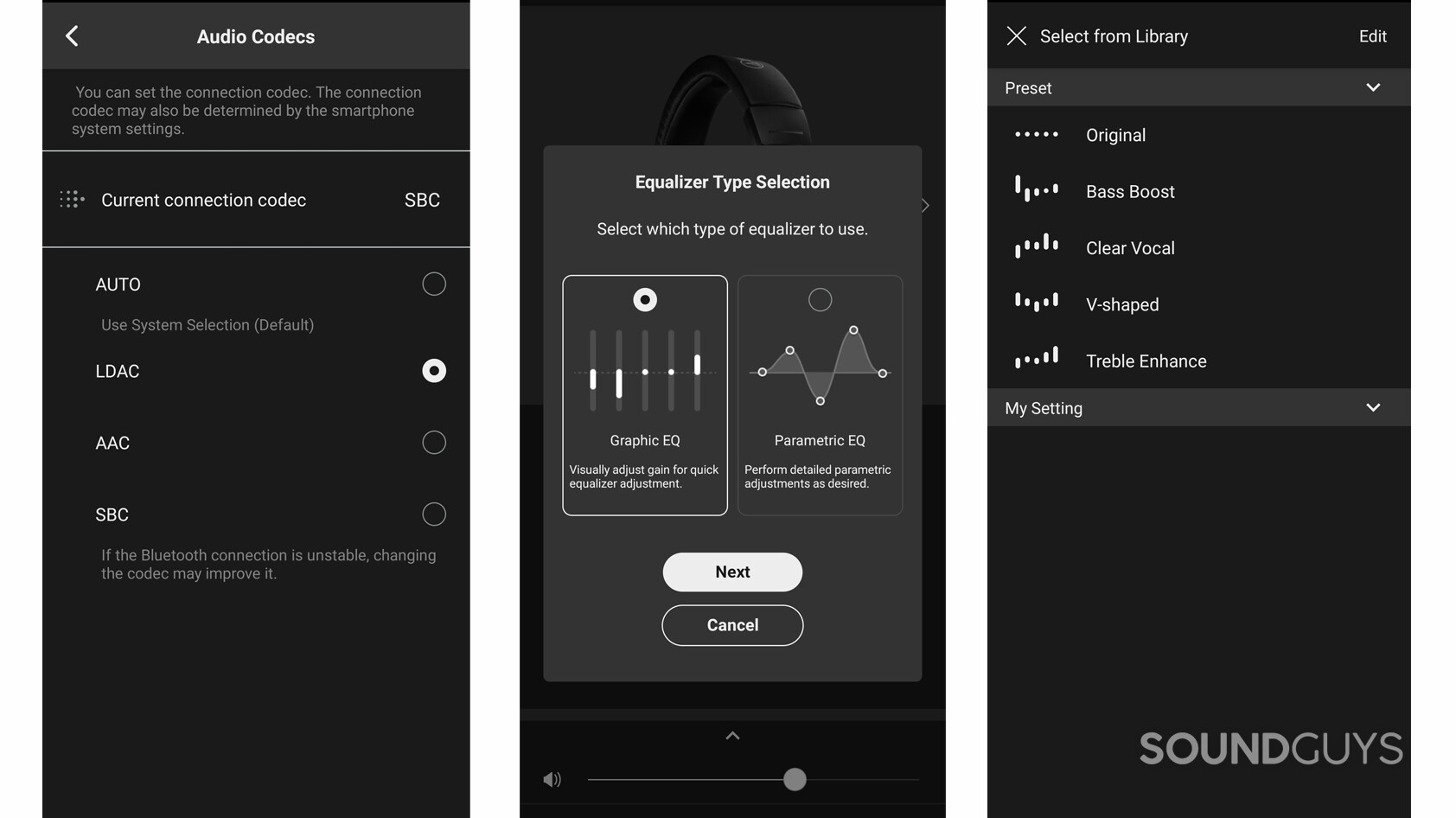
The Audio-Technica ATH-M50xBT2 supports three Bluetooth codecs: LDAC, AAC, and SBC. LDAC is the star here—Sony’s high-resolution audio codec transmits up to 990 kbps, which is roughly three times the bitrate of standard SBC. If your source device supports LDAC (most modern Android phones and many DAPs do), you’re getting near-wired quality over Bluetooth. AAC provides solid performance for iOS users, and SBC serves as the universal fallback.
The low-latency mode is a feature that shows Audio-Technica actually thought about how producers work. Activating it through the A-T Connect app reduces Bluetooth delay to a level where video editing and casual monitoring become viable. It’s not zero-latency—nothing wireless is—but it’s tight enough that lip-sync issues disappear and you can comfortably edit to a video timeline.
Multipoint pairing lets you connect to two devices simultaneously. In practice, this means you can stay connected to your phone for calls while working from your laptop or tablet. Google Fast Pair support makes the initial Android setup nearly instant. These are quality-of-life features that matter when you’re switching between devices throughout the day.
Battery Life and Comfort for Long Sessions
Fifty hours of battery life. That’s not a typo. Audio-Technica claims 50 hours on a single charge, and real-world usage backs this up. Even with LDAC engaged (which draws more power than AAC or SBC), you’re looking at well over 40 hours. The quick-charge feature adds another practical touch: 10 minutes of USB-C charging gives you about 3 hours of playback. For those marathon mixing sessions or week-long trips, battery anxiety simply isn’t a factor.
Comfort-wise, the ATH-M50xBT2 uses the same oval earcup design and headband padding as the wired version. If you’ve worn M50x headphones before, you know what to expect: snug but not punishing, with good clamp force for isolation. For sessions beyond 3–4 hours, the clamp can become noticeable—the Beyerdynamic DT 770 Pro still wins the all-day comfort category—but for most working scenarios, these are perfectly fine. The swiveling earcups fold flat for transport, and they come with a carrying pouch.
A-T Connect App and EQ Customization
The A-T Connect app is where the ATH-M50xBT2 really differentiates itself from the competition. You get both a graphic EQ and a parametric EQ—the parametric option alone puts these ahead of most wireless headphones, which typically offer only preset sound profiles or basic bass/treble sliders.
For studio users, the parametric EQ means you can correct for known deficiencies in your listening chain or match a target curve for reference monitoring. You can save custom presets and switch between them depending on whether you’re mixing, mastering, or just listening to music on the go. The dual-mic beamforming system handles calls clearly, which is a bonus if you’re doing remote sessions or client calls between takes.
One notable caveat, as Sweetwater’s user reviews confirm: the EQ and sound customization features only work in Bluetooth mode. When you plug in the included 3.5mm cable for wired use, the app’s EQ is bypassed. This means your carefully crafted parametric corrections vanish the moment you go wired. It’s an understandable technical limitation, but it’s worth knowing if you planned to use these as EQ-corrected wired monitors.
Audio-Technica ATH-M50xBT2 vs. the Competition
How does the ATH-M50xBT2 stack up against the headphones it’s most likely to compete with? Let’s break it down.
vs. Sony WH-1000XM5 (~$348): The Sony offers superior active noise cancellation and a more consumer-friendly tuning with enhanced bass. If your primary use case is commuting and casual listening, the XM5 is the better lifestyle headphone. But for studio work, the Sony’s sound signature is too colored—it flatters music rather than revealing it. The ATH-M50xBT2’s flat response and $199 price tag make it the clear winner for production use.
vs. Beyerdynamic DT 770 Pro (~$159): The DT 770 is a wired-only legend with arguably better comfort for marathon sessions and a more analytical sound in the upper frequencies. If you never need wireless and you want the most comfortable closed-back studio can in the price range, the DT 770 still holds its ground. But the ATH-M50xBT2 matches it sonically while adding wireless freedom, an app, and 50-hour battery life for about $40 more.
vs. Sennheiser HD 25 (~$150): The HD 25 is an industry-standard for DJ and broadcast work—incredibly durable, lightweight, and punchy. But it’s wired-only, on-ear (less isolation), and hasn’t been meaningfully updated in years. The ATH-M50xBT2 offers a different value proposition entirely: over-ear comfort, wireless convenience, and app-based customization that the HD 25 simply can’t match.
The Verdict: Who Should Buy the Audio-Technica ATH-M50xBT2?
After spending serious time with the ATH-M50xBT2, here’s my honest assessment: these are the best wireless headphones for music producers under $250, period. They’re not perfect—the lack of active noise cancellation means they won’t replace ANC cans for noisy commutes, and the EQ-only-in-Bluetooth limitation is a genuine annoyance. But the sound quality, the 50-hour battery, LDAC support, and the parametric EQ app create a package that no competitor matches at this price point.
If you’re a producer, engineer, or serious music listener who wants wireless freedom without sacrificing the flat, accurate sound you need for studio work, the ATH-M50xBT2 delivers. At $199, it’s one of the smartest gear investments you can make in 2025.
Whether you’re building out a home studio, looking for reliable headphones for mobile production, or just want a pair of cans that respects your mix instead of coloring it, these belong on your shortlist. And if you’re already invested in the M50x ecosystem with aftermarket cables and earpads, the BT2 accepts the same accessories—so your upgrade path is seamless.
Looking for professional mixing, mastering, or studio workflow optimization? Sean Kim brings 28+ years of audio production experience to every project.
Get weekly AI, music, and tech trends delivered to your inbox.