Suno AI Copyright Settlement: How the WMG Deal Reshapes the Entire AI Music Landscape
September 3, 2025
Apple Intelligence in iOS 26: ChatGPT-Powered Image Playground, Live Translation, and 20+ AI Features That Actually Shipped
September 4, 2025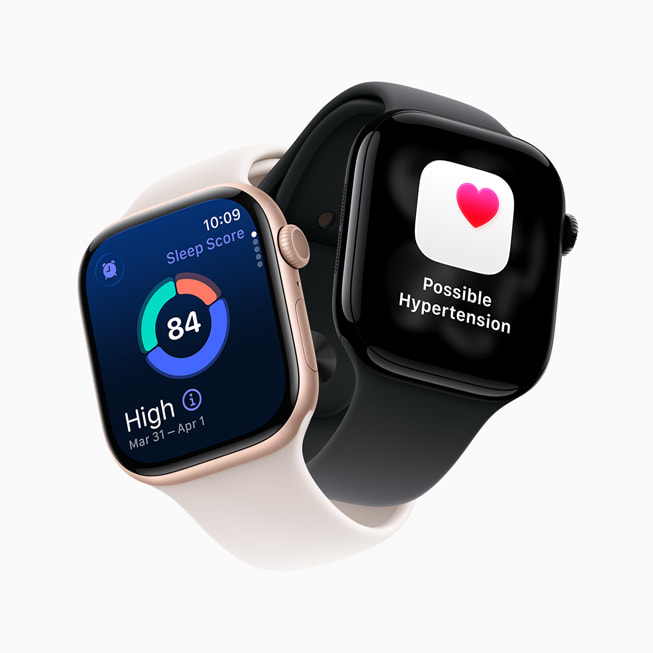
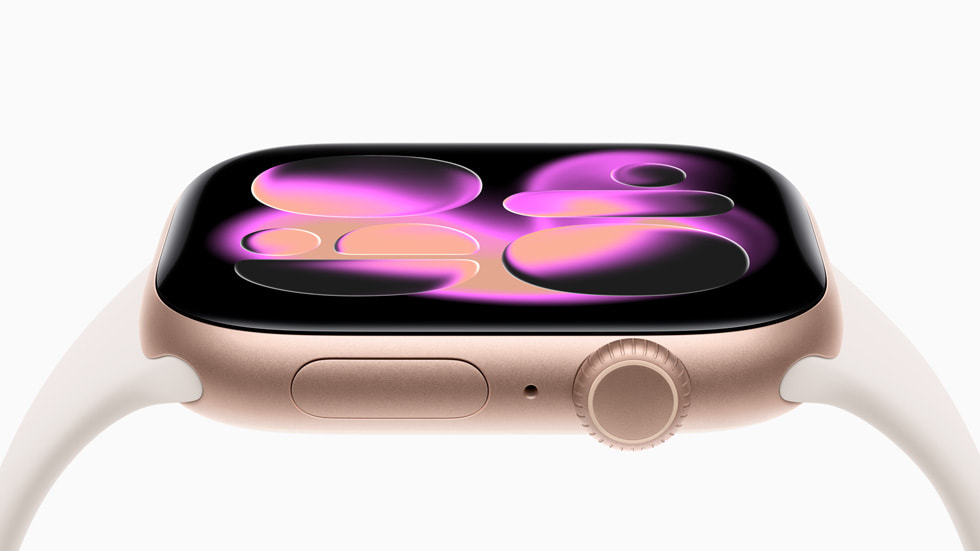
The Apple Watch Series 11 just made a promise no smartwatch has kept before: detect hidden hypertension in over a million people within its first year. Unveiled on September 9, 2025, this device is not just another iterative smartwatch update. It is a fundamental shift in how wearable technology approaches preventive health care, introducing passive blood pressure monitoring, sleep apnea detection, and a comprehensive sleep score system that could genuinely save lives. After years of incremental health features, Apple has delivered what might be the most medically significant smartwatch upgrade we have ever seen.
Apple Watch Series 11 Blood Pressure Monitoring: A Completely New Approach
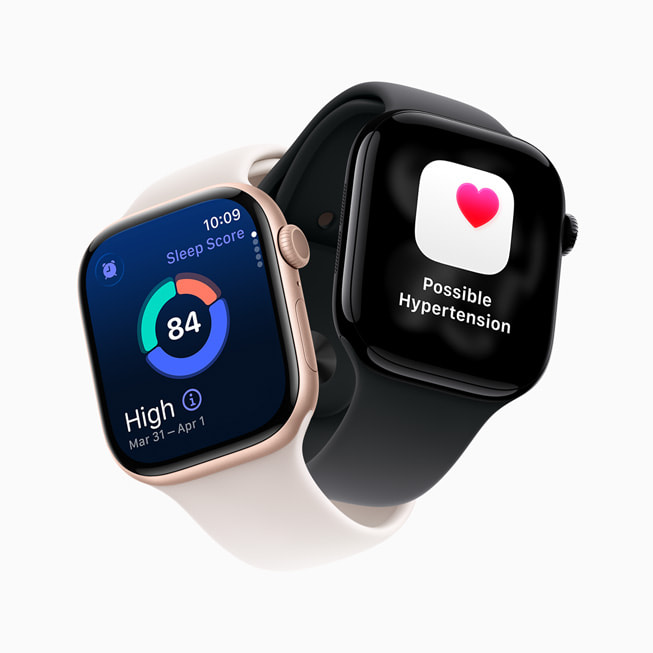
The headline feature of the Apple Watch Series 11 is its hypertension notification system, and it works in a fundamentally different way from anything we have seen before in a consumer smartwatch. Instead of requiring you to sit still, press a button, and wait for a reading like existing smartwatch blood pressure solutions, Apple’s system runs entirely in the background. The optical heart sensor continuously collects data over 30-day periods, analyzing physiological trends to identify signs of high blood pressure without any user intervention whatsoever.
This distinction matters far more than it might seem at first glance. Samsung introduced blood pressure monitoring on the Galaxy Watch3 back in 2020, which was a genuine milestone in wearable health technology. However, Samsung’s approach comes with significant practical limitations. Users must calibrate the watch using a traditional blood pressure cuff every 30 days. Each measurement requires the user to sit still with their wrist at heart level. And despite being available in several markets, the feature still has not received FDA approval in the United States, limiting its availability and clinical credibility for American users.
Apple has taken the diametrically opposite approach with the Series 11: no calibration needed, no user action required, and continuous background analysis that works while you go about your daily life. The optical heart sensor quietly monitors cardiovascular patterns throughout the day and night, building a comprehensive 30-day health profile. When the algorithm detects trends consistent with hypertension, it sends a notification prompting the user to consult a healthcare provider.
According to TechRadar’s detailed technical analysis, Apple expects this passive monitoring approach to flag unknown hypertension in more than one million users during the first year alone. Given that an estimated 46 percent of American adults have hypertension, with nearly half of them unaware of their condition, even an imperfect early warning system could drive millions of people to get proper medical evaluations they would otherwise have never sought.
It is worth noting that FDA clearance was still pending at launch. This means the hypertension notifications should be treated as health trend indicators rather than medical diagnoses. Apple is careful to position this as a wellness feature rather than a diagnostic tool, but the practical impact could be enormous. A notification saying “your blood pressure trends suggest you should see a doctor” may be all it takes to catch a condition that, left undetected, could lead to heart attack, stroke, or kidney disease.
Sleep Apnea Detection and Sleep Score: Your Apple Watch Series 11 Never Sleeps
The health monitoring upgrades extend well beyond blood pressure. Apple Watch Series 11 introduces sleep apnea detection through continuous breathing disturbance monitoring during sleep. Sleep apnea is a condition where breathing repeatedly stops and starts during sleep. It affects an estimated 936 million adults worldwide, according to the World Health Organization, yet the vast majority remain undiagnosed. Many people dismiss classic symptoms like excessive daytime sleepiness, morning headaches, and loud snoring as simply not sleeping well, when in reality they have a treatable medical condition that, if ignored, significantly increases the risk of cardiovascular disease.
The Apple Watch Series 11 monitors breathing patterns throughout the night using its array of sensors. When it detects repeated breathing disturbances consistent with sleep apnea, it alerts the user and suggests they discuss the findings with their healthcare provider. This is not a replacement for a formal polysomnography sleep study, but it serves as an incredibly valuable screening tool that could prompt millions of people to seek diagnosis and treatment they desperately need.
Complementing the sleep apnea detection is the new Sleep Score feature. The American Academy of Sleep Medicine (AASM) highlighted that the score is calculated from four key factors: total sleep duration, bedtime consistency, wake frequency throughout the night, and sleep stage distribution. Rather than just telling you how many hours you slept, it provides a holistic picture of sleep quality that can help you identify patterns and make meaningful improvements to your sleep hygiene over time.
The combination of sleep apnea detection and sleep scoring creates a compelling sleep health ecosystem that is greater than the sum of its parts. If your Apple Watch detects potential breathing disturbances while simultaneously showing declining sleep scores, that convergent data could be invaluable when consulting with a healthcare provider about whether a formal sleep study is warranted. Previously, getting to that conversation often required a partner noticing loud snoring or the patient experiencing severe daytime impairment. Now, your watch can be the one to raise the flag.
Hardware Upgrades: 5G Connectivity, 24-Hour Battery, and Enhanced Durability
While health features dominate the conversation around the Apple Watch Series 11, the hardware improvements make the overall experience significantly better in ways that directly support those health capabilities. The most notable addition is 5G cellular connectivity, a first for the Apple Watch lineup. The completely redesigned antenna enables faster, more reliable data connections when your iPhone is not nearby, transforming the cellular model into a much more compelling standalone device for running, swimming, or any activity where you want to leave your phone behind.
Battery life has jumped from 18 hours to a full 24 hours, a 33 percent improvement that finally brings the Apple Watch into genuine all-day territory with room to spare for overnight sleep tracking. This is particularly important given the new sleep monitoring features. Previously, many Apple Watch users faced a frustrating choice: wear the watch to bed for sleep tracking and risk running out of battery the next day, or charge it overnight and miss out on sleep data entirely. The 24-hour battery largely resolves this dilemma.
The fast charging capability makes the remaining logistics even easier. Just 15 minutes on the charger provides 8 hours of use. In practical terms, this means you can charge your Apple Watch during your morning shower and have more than enough juice to get through the entire day and following night of sleep tracking. For users who want to take full advantage of both the daytime health monitoring and nighttime sleep analysis, this charging speed is a game changer.
Durability gets a meaningful boost as well. The aluminum models feature Ion-X glass with a new ceramic coating that Apple claims delivers twice the scratch resistance of the previous generation. Anyone who has winced at a scratch appearing on their watch crystal after an accidental doorframe collision will appreciate this improvement. Titanium models retain the premium sapphire crystal display, which remains among the most scratch-resistant materials available in consumer electronics.
The watch comes in two sizes, 42mm and 46mm, with four aluminum color options (jet black, silver, rose gold, and space gray) and three titanium finishes (natural, gold, and slate). One interesting footnote about the internals: this is the first Apple Watch to ship without a new chip, using the same S10 processor from Series 10. Rather than viewing this as a shortcoming, it signals where Apple concentrated its engineering resources this generation. The focus was clearly on sensors, connectivity, and battery efficiency rather than raw processing power, and given the results, that seems like the right call.
Pricing, Availability, and What Comes in the Box
The Apple Watch Series 11 starts at $399 for the aluminum model and $699 for the titanium version, with general availability beginning September 19, 2025. It ships with watchOS 26, which introduces the Workout Buddy feature that provides real-time coaching and motivation during exercise sessions, adding another dimension to the health and fitness experience. For those who have been waiting for a compelling reason to upgrade from a Series 8 or Series 9, the combination of blood pressure monitoring, sleep apnea detection, 5G, and the battery improvement makes a strong case.
The recognition from TIME, which selected the Apple Watch Series 11 as one of the Best Inventions of 2025 in their special mentions category, lends additional credibility to what Apple has achieved here. It is rare for a product iteration rather than an entirely new product category to earn this distinction, which speaks to how significant the health monitoring breakthroughs are perceived to be by the broader technology and innovation community.
Apple Watch Series 11 vs Samsung Galaxy Watch: Two Philosophies of Health Tracking
The competition between Apple and Samsung in the smartwatch blood pressure monitoring space reveals two fundamentally different philosophies about how wearable health technology should work. Samsung offers on-demand measurements that give you an immediate blood pressure reading whenever you want one. There is something satisfying about being able to check your numbers on the spot. However, this comes with the trade-off of required cuff calibration every 30 days, the need to sit still during measurements, and limited regional availability due to regulatory constraints.
Apple offers continuous background monitoring that requires zero user intervention but provides trend-based notifications rather than specific numerical readings. You cannot pull up your watch and see “120/80” on demand. Instead, the watch quietly analyzes your cardiovascular patterns over weeks and alerts you only if it detects concerning trends. It is a fundamentally different value proposition: Samsung tells you your blood pressure right now, while Apple tells you whether your blood pressure trajectory over time suggests a problem you should discuss with your doctor.
For most users, Apple’s passive approach may prove more practical and more impactful in the long run. The uncomfortable truth about health wearables is that features only matter if people actually use them consistently. A blood pressure monitoring system that requires monthly calibration, manual initiation, and a specific body position for each reading creates multiple points of friction. Many users will try it a few times, find it inconvenient, and stop using it. A monitoring system that works automatically, without requiring you to remember to take a reading or recalibrate with a cuff, removes every barrier to consistent health tracking. And in preventive health care, consistency is everything.
It is also worth noting that other major players in the smartwatch space, including Google, Garmin, and Polar, have been investing heavily in health monitoring features. But as of this launch, no competitor offers the combination of passive blood pressure trend monitoring and sleep apnea detection in a single device. The Apple Watch Series 11 is currently in a category of one.
The Bottom Line: A Pivotal Moment for Wearable Health
The Apple Watch Series 11 represents a pivotal moment for wearable health technology. The simultaneous introduction of passive blood pressure monitoring, sleep apnea detection, and comprehensive sleep scoring establishes a new benchmark that competitors will be measured against for years to come. These are not incremental improvements or nice-to-have additions. They are features that can identify serious health conditions before symptoms become severe, potentially changing outcomes for millions of people who would otherwise have gone undiagnosed.
Pair those health capabilities with 5G connectivity that makes the watch a true standalone device, a genuine 24-hour battery that enables round-the-clock health monitoring, fast charging that eliminates battery anxiety, and improved durability that keeps the watch looking good through daily wear. At $399 for the aluminum model, you are getting a package that justifies the investment for anyone serious about proactive health management. This is not just a smartwatch upgrade. It is the moment wearables started becoming legitimate preventive health tools, and the implications of that shift will be felt far beyond the technology industry.
Get weekly AI, music, and tech trends delivered to your inbox.