OpenAI’s Audio AI Strategy: How New Music and Voice Models Will Transform Creator Workflows
March 11, 2026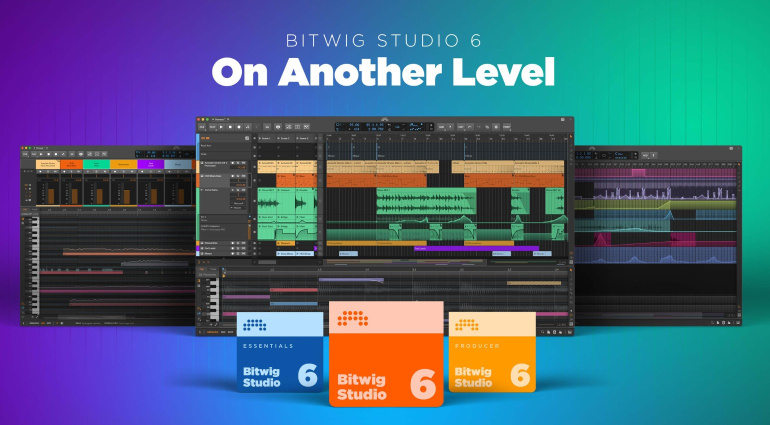
Bitwig Studio 6 Is Here — Automation Clips, Clip Aliases, and Everything New
March 11, 2026Apple Music AI Transparency Tags — A New Era of Disclosure
On March 4, 2026, Apple Music officially unveiled its Transparency Tags system — a metadata framework designed to identify AI-generated content across the platform. As AI-created music floods streaming services at an unprecedented rate, Apple has taken the first major step toward systematic AI disclosure in the music industry.

Breaking Down the Four Tag Categories
Apple’s transparency framework covers four core creative elements, each addressing a distinct aspect of music production where AI might play a role.
Artwork Tag
Applied at the album level, this tag flags when AI has generated a material portion of static or motion graphic artwork. With AI image generators becoming increasingly popular for album covers, this tag addresses a rapidly growing use case.
Track Tag
Available at the track level only, this is used when AI generates a material portion of a sound recording — think AI-synthesized vocals, AI-composed instrumentals, or fully generated tracks.
Composition Tag
This covers AI-generated lyrics or other compositional elements. As tools like Suno and Udio continue to evolve, the line between human and AI composition becomes increasingly blurred.
Music Video Tag
Applies to any visual content, whether bundled with albums or delivered as standalone music videos. Given the explosion of AI video generation tools, this tag addresses a critical gap.
The Voluntary Disclosure Problem
Here’s where things get complicated. The current system is entirely voluntary. Labels and distributors must choose to declare AI usage — and if they don’t, Apple assumes no AI was involved. While Apple has stated these tags will eventually become mandatory for new content, the lack of enforcement mechanisms raises legitimate concerns.
As Apple put it: “Proper tagging of content is the first step in giving the music industry the data and tools needed to develop thoughtful policies around AI.”

Deezer’s Detection-First Approach — A Stark Contrast
While Apple relies on self-reporting, Deezer has taken a fundamentally different path. The French streaming platform has built its own AI detection infrastructure and the numbers are staggering: over 13.4 million AI-generated tracks identified, with 60,000 fully synthetic tracks arriving daily.
Perhaps the most alarming finding? Deezer reports that 85% of AI-music streams involve fraud rather than legitimate creative use — artists gaming the system to collect royalties on machine-generated filler content.
Spotify, meanwhile, has adopted a self-reporting model similar to Apple’s, creating a clear divide in the industry between trust-based and technology-based approaches to AI transparency.
What This Means for Music Creators and Producers
For producers and audio engineers, this shift has real implications. If you’re using AI tools in your workflow — whether for stem separation, mastering assistance, or creative generation — the expectation for transparency is becoming an industry standard.
The good news? Tools used for production assistance (noise reduction, stem separation, mixing aids) likely won’t trigger these tags. The focus is on content where AI plays a generative role — creating the actual music, lyrics, or visuals.
For listeners, this represents an expansion of their right to know how the music they consume was made. As AI-generated content becomes indistinguishable from human-created work, transparency tags may become as standard as songwriter credits.
The first move has been made. Whether Apple’s voluntary tagging system or Deezer’s automated detection approach becomes the industry standard remains to be seen — but one thing is clear: the era of AI transparency in music has begun.
Get weekly AI, music, and tech trends delivered to your inbox.