Udio UMG AI Music Deal: From Lawsuit to Licensed Platform in 18 Months
October 30, 2025
Meta Connect 2025: 5 AI-Powered Updates That Make Quest the Smartest VR Platform Yet
October 31, 2025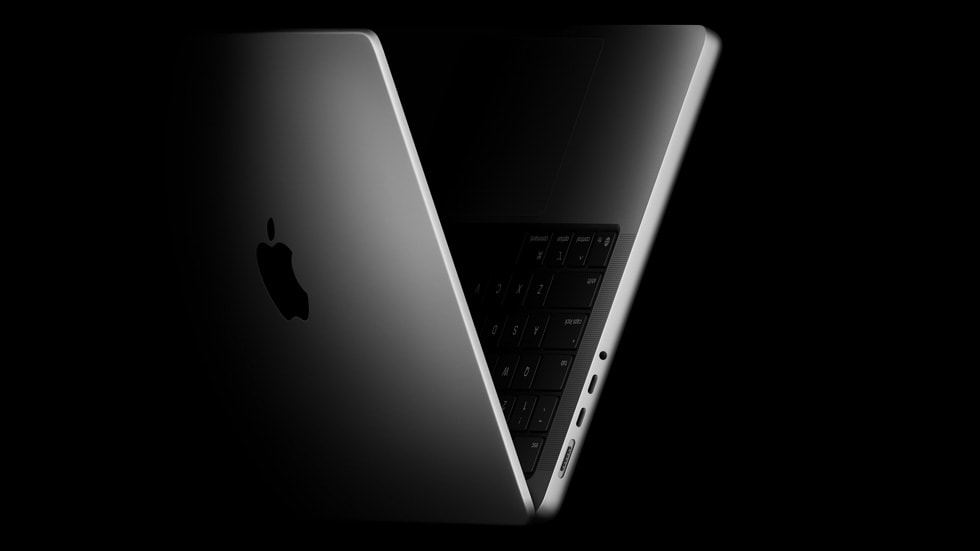
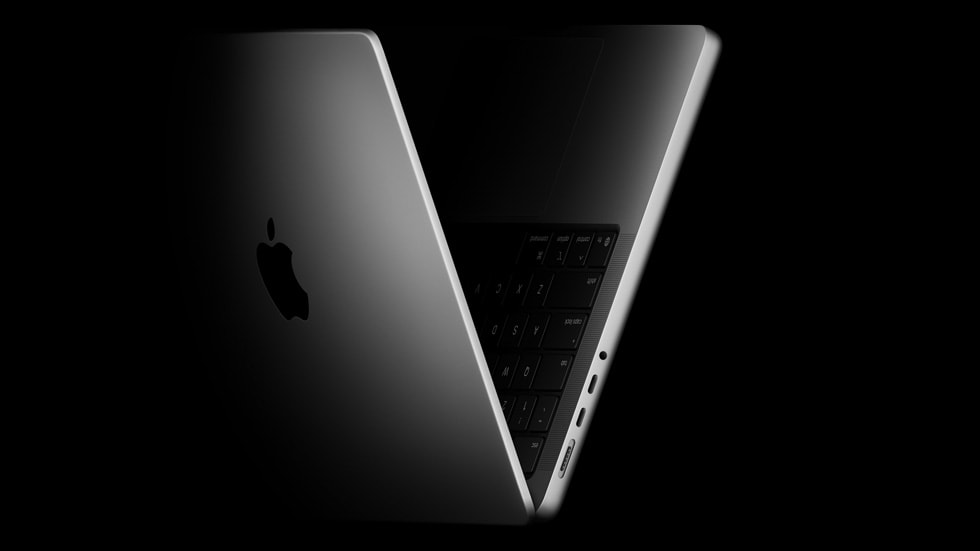
Finally — the M5 is here, and the numbers Apple is throwing around aren’t just marketing fluff this time. A 3.5x leap in AI performance? A GPU architecture that embeds Neural Accelerators directly into every single core? After testing the new 14-inch MacBook Pro M5, I can tell you: some of these claims actually hold up.
MacBook Pro M5: What Apple Actually Changed Under the Hood
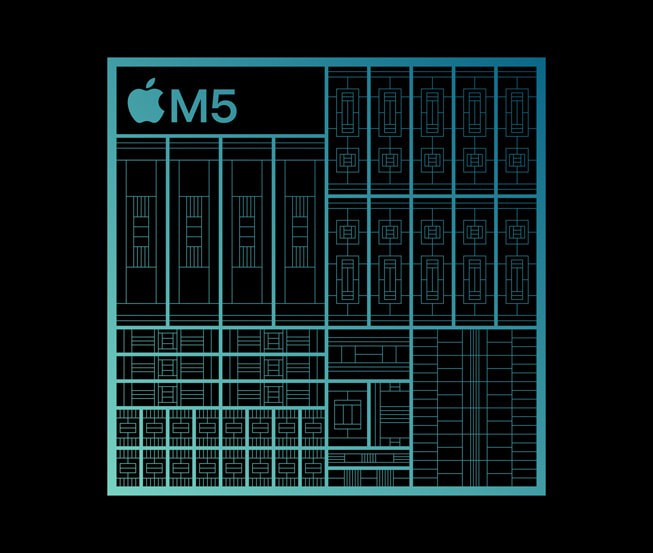
Apple’s M5 chip, built on third-generation 3-nanometer technology, represents the biggest architectural shift since the original M1 transition. The headline feature isn’t just faster cores — it’s the introduction of Neural Accelerators embedded directly into each of the 10 GPU cores. This is a first for Apple Silicon and fundamentally changes how the chip handles AI workloads.
Here’s the spec breakdown that matters:
- CPU: 10-core (4 performance + 6 efficiency) — up to 15% faster multithreaded vs M4
- GPU: 10-core with Neural Accelerator in each core — up to 1.6x faster graphics, 4x peak AI compute vs M4
- Neural Engine: 16-core (improved) — 3.5x AI performance vs M4
- Memory Bandwidth: 153GB/s — 30% increase over M4, 2x over M1
- Process: 3rd-gen 3nm — more efficient transistor density
- Battery: Up to 24 hours — same class-leading endurance
MacBook Pro M5 Benchmarks: Where the Real Gains Are
Let’s cut through the marketing and look at actual numbers. In Geekbench 6 single-core tests, the M5 scores 4,263 — a 14% improvement over the M4’s 3,738. That’s solid but not earth-shattering for everyday tasks.
But the GPU story is completely different. The GPU quantized score hits 23,391 compared to the M4’s 15,259 — that’s a 53% boost. For anyone running local AI models, stable diffusion workflows, or GPU-accelerated creative tools, this is where the M5 earns its upgrade premium.
Real-world testing from Macworld’s benchmark suite shows practical gains too: Lightroom photo exports dropped from 66.4 seconds to 55.96 seconds (562 photos), while Blender rendering times were nearly identical. The pattern is clear — the M5 is an AI and GPU chip first, a CPU upgrade second.
Neural Accelerators in Every GPU Core: Why This Architecture Matters
The most significant innovation in the M5 isn’t a spec number — it’s architectural. By placing a dedicated Neural Accelerator inside each GPU core, Apple has essentially created a hybrid compute engine. Previous generations relied on the separate Neural Engine for AI tasks, creating a bottleneck when both the GPU and Neural Engine were competing for memory bandwidth.
With M5, AI workloads can run directly on the GPU without routing through the Neural Engine, while the Neural Engine handles its own tasks simultaneously. The result? Running a large language model locally while editing in Final Cut Pro is no longer a slideshow experience. Apple Intelligence features — Image Playground, Writing Tools, Genmoji — all benefit from this dual-path AI processing.
MacBook Pro M5 vs M4: Should You Upgrade?
Here’s the honest breakdown based on your use case:
Upgrade if: You run local AI models (Stable Diffusion, LLMs), work with Apple Intelligence features daily, or need the GPU performance boost for 3D/video work. The 53% GPU gain and 3.5x AI performance are transformative for these workflows.
Skip if: You’re on an M4 and primarily use web browsing, office apps, and light creative work. The 14% CPU gain won’t feel dramatic, and the M4 already handles these tasks excellently. Wait for the M5 Pro or M5 Max if you need serious multi-core grunt.
Best upgrade path: Coming from an M1 or M2? This is your moment. The M5 delivers over 6x the AI compute and 2.5x the graphics performance versus the original M1. The memory bandwidth alone — 153GB/s vs 68.25GB/s on M1 — transforms how the machine handles large datasets and complex projects.
Pricing, Availability, and the Elephant in the Room
The 14-inch MacBook Pro M5 starts at $1,599 — the same price as the M4 model it replaces. Pre-orders opened October 15 with availability starting October 22, 2025. Apple also launched the M5-powered iPad Pro and refreshed Apple Vision Pro alongside.
The elephant in the room? This is just the base M5. Apple is clearly holding back the M5 Pro and M5 Max for a spring 2026 refresh, which means serious professionals should think twice before jumping now. If you need more than 24GB of unified memory or more than 10 GPU cores, patience pays.
That said, for the vast majority of MacBook Pro buyers — creative professionals who don’t need workstation-class power — the base M5 at $1,599 is the sweet spot. The Neural Accelerator architecture future-proofs this machine for the AI-native software era that’s clearly arriving, and the 24-hour battery life means you’re not sacrificing anything to get there.
Thinking about upgrading your creative setup or need advice on which MacBook Pro configuration fits your workflow?
Get weekly AI, music, and tech trends delivered to your inbox.