Dolby Atmos Mixing Guide: Free DAW Tools for Your First Immersive Mix in 2025
November 18, 2025
Claude Team Plan Pricing in November 2025: Standard vs Premium Seats and What They Mean for Your Team
November 19, 2025
Apple just killed the M4 Ultra — and that might actually be the best news Mac Pro hopefuls have heard in years. Just days after Mark Gurman dropped his bombshell report about the Mac Pro being “largely written off” at Apple, a clearer picture of the M5 Ultra is emerging, and it tells a fascinating story about where Apple’s pro desktop strategy is headed.
The M5 Foundation: What We Already Know
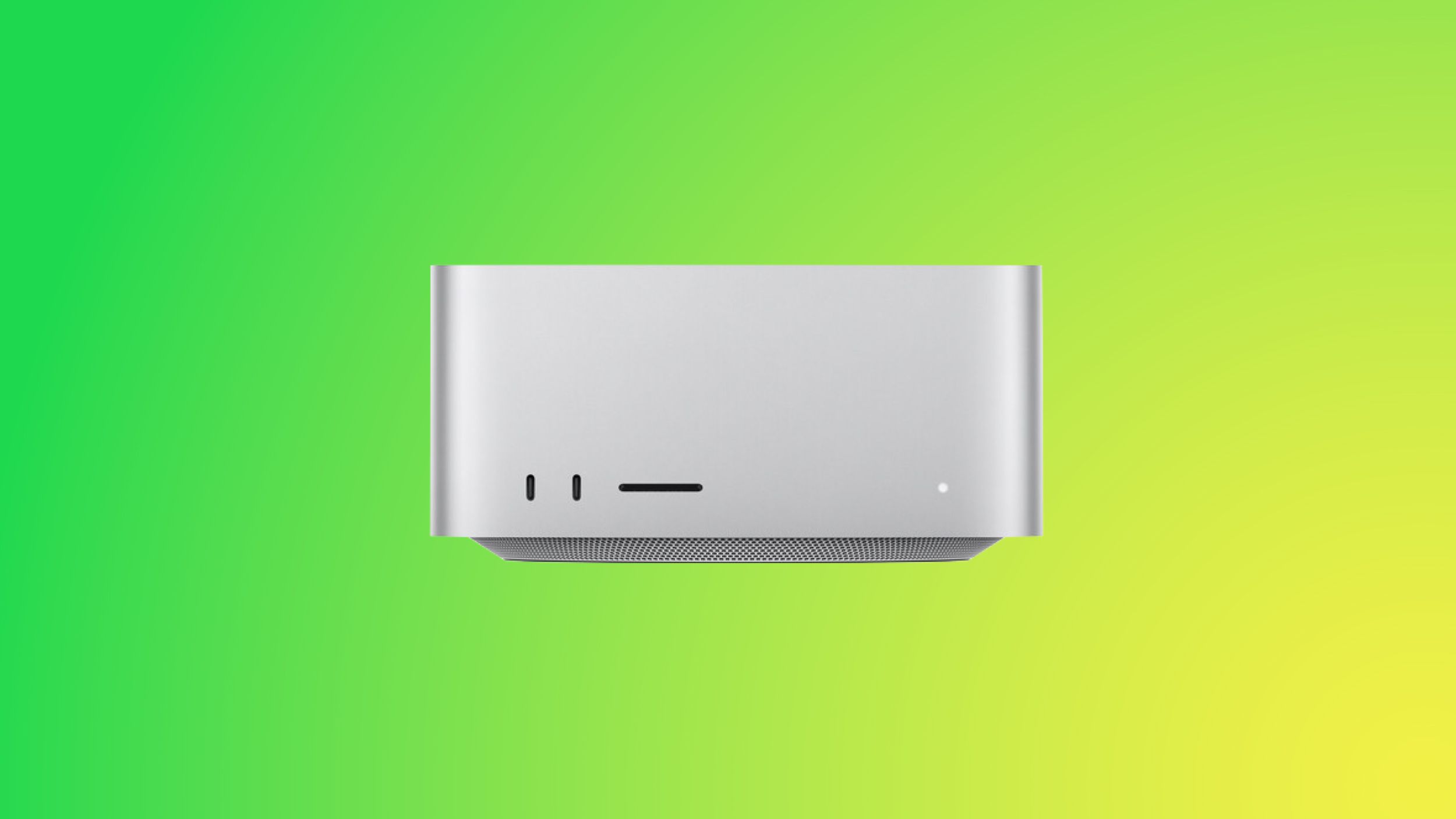
Apple unveiled the base M5 chip on October 15, 2025, and the numbers are significant. Built on TSMC’s third-generation 3-nanometer process, the M5 packs a 10-core CPU and 10-core GPU with a 16-core Neural Engine. But the headline figure is the AI performance: 4x peak GPU compute for AI workloads compared to the M4, driven by a dedicated Neural Accelerator embedded in each GPU core.
Memory bandwidth jumps to 153GB/s — nearly 30% more than the M4 and over 2x the original M1. For anyone running local AI models, diffusion-based image generation, or large language model inference, this is the chip that makes on-device AI genuinely practical rather than merely possible.
Apple M5 Ultra: Doubling Down with UltraFusion
Here’s where things get interesting. Apple skipped the M4 Ultra entirely because the M4 Max lacked the UltraFusion interconnect needed to fuse two Max dies together. It was a conspicuous absence — the first time Apple had broken its Ultra cadence since introducing the technology with the M1 Ultra in 2022.
But according to MacRumors’ report from November 4, the M5 Max will include the UltraFusion connector, confirming that an M5 Ultra is indeed in development. The Ultra has traditionally been created by fusing two Max dies together, and this generation is no exception.
Expected Apple M5 Ultra Specifications
If Apple follows its established doubling formula, here’s what the M5 Ultra should deliver:
- CPU: Up to 36 cores (28 performance + 8 efficiency), doubled from the expected M5 Max’s 18 cores
- GPU: 80-84 cores with per-core Neural Accelerators — meaning 80+ dedicated AI acceleration units working in parallel
- Neural Engine: 32-core configuration (doubled from 16-core)
- Unified Memory: Up to 256GB or potentially 512GB, with bandwidth exceeding 300GB/s
- Transistor Count: Estimated 200+ billion transistors
- AI Performance: 8x peak GPU AI compute vs M4 (doubled from M5’s 4x advantage)
Early projections based on M3-to-M3-Ultra scaling suggest the M5 Ultra could achieve a Geekbench 6 CPU score exceeding 41,000 — roughly 40% above the fastest currently available Mac. For context, that would put it in the same territory as high-end server processors, but in a compact desktop form factor with unified memory architecture.
Mac Studio 2026: The New Pro Desktop King
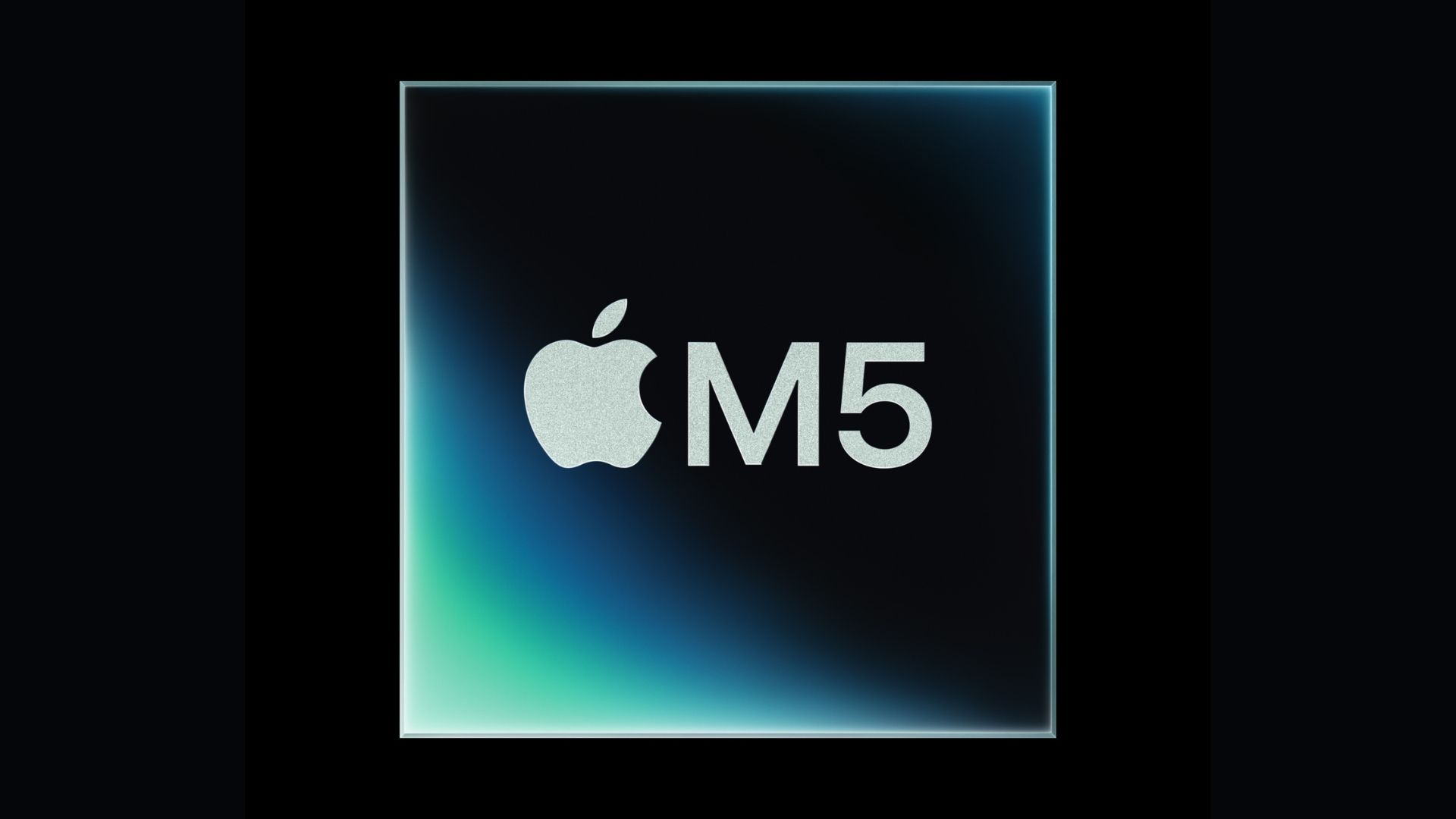
The Mac Studio is the confirmed home for the M5 Ultra, with Bloomberg’s Mark Gurman indicating a mid-2026 launch window — likely around WWDC in June. The current Mac Studio lineup starts with M4 Max options, but the M5 generation will bring both M5 Max and M5 Ultra configurations.
Pricing expectations suggest the M5 Max Mac Studio will start around $2,000, while the M5 Ultra model could begin at $4,000. Storage is expected to start at 1TB for Max models and 2TB for Ultra, reflecting the professional workloads these machines target.
For music producers, video editors, and 3D artists, the M5 Ultra Mac Studio could be transformative. With 80+ GPU cores each containing a Neural Accelerator, running complex AI-assisted workflows — think real-time AI audio processing, local Stable Diffusion generation, or running multiple LLMs simultaneously — becomes viable on a desktop that sits quietly on your desk.
The Mac Pro Question: “Largely Written Off”
And then there’s the elephant in the room. On November 16, just two days ago, Mark Gurman reported in his Bloomberg Power On newsletter that Apple has “largely written off” the Mac Pro. The M4 Ultra — which would have been the natural chip for a Mac Pro refresh — was “nixed” entirely. The sentiment internally at Apple, according to Gurman, is that “the Mac Studio now represents both the present and future of Apple’s professional desktop strategy.”
This is a significant shift. The Mac Pro has been Apple’s flagship professional workstation since its introduction in 2006, and the current Apple Silicon Mac Pro (with M2 Ultra) launched in June 2023. If Gurman’s reporting holds, it means the Mac Pro hasn’t just been delayed — it’s been strategically deprioritized.
What This Means for Pro Users
The implications are worth unpacking:
- No PCIe expansion: The Mac Studio lacks the internal PCIe slots that some professionals rely on for specialized hardware — video capture cards, audio interfaces, GPU accelerators
- Thunderbolt ceiling: While Thunderbolt 5 is fast, it doesn’t match internal PCIe bandwidth for all use cases
- Unified memory advantage: The flip side is that Apple’s unified memory architecture eliminates the GPU VRAM bottleneck that plagues traditional workstations for AI workloads
- Thermal headroom: The Mac Studio’s compact design limits sustained thermal dissipation compared to the Mac Pro’s larger chassis
For most creative professionals, the Mac Studio with M5 Ultra will likely exceed their needs. But for the small percentage who need internal expansion — particularly in broadcast, scientific computing, and high-end post-production — the Mac Pro’s uncertain future is genuinely concerning.
The Bigger Picture: Apple’s AI Silicon Strategy
What’s really driving the M5 Ultra’s development is Apple’s aggressive push into on-device AI. The per-GPU-core Neural Accelerator introduced with the M5 is a architectural innovation that scales beautifully with the Ultra’s doubled GPU count. While NVIDIA dominates data center AI with discrete GPUs, Apple is betting that unified memory and integrated AI acceleration will win the on-device inference battle.
Consider the math: an M5 Ultra with 80+ GPU cores, each with its own Neural Accelerator, combined with up to 256GB of unified memory, creates a machine that can run substantial AI models without the memory transfer bottleneck that limits traditional GPU setups. For developers building Apple Intelligence features, machine learning researchers, and creative professionals using AI-assisted tools, this architecture could be a compelling alternative to a multi-GPU workstation.
Release Timeline and What to Watch
Based on current reporting, here’s the expected timeline:
- Early 2026: M5 Pro and M5 Max debut in updated MacBook Pro models
- Mid-2026 (June/WWDC): Mac Studio with M5 Max and M5 Ultra launches alongside potential new Apple displays
- Late 2026: Possible (but uncertain) Mac Pro update, if Apple reverses course
The key variable is pricing. If the M5 Ultra Mac Studio starts at $4,000 and maxes out around $8,000-10,000 with upgraded memory and storage, it could cannibalize whatever remains of Mac Pro demand — further cementing Apple’s decision to deprioritize the tower form factor.
Bottom Line: The Ultra Returns, the Pro Fades
The Apple M5 Ultra represents a course correction after the M4 Ultra’s absence. With UltraFusion returning and specs that could push past 41,000 in Geekbench, the M5 Ultra Mac Studio is shaping up to be Apple’s most powerful consumer Mac ever. But the simultaneous marginalization of the Mac Pro signals that Apple sees the future of professional computing in compact, highly integrated systems rather than expandable towers.
Whether that bet pays off depends on how well the M5 Ultra’s raw performance compensates for the Mac Studio’s lack of internal expansion. For the vast majority of professionals, it will be more than enough. For the niche users who need PCIe slots and maximum thermal headroom, the search for alternatives may begin in earnest.
Planning your next studio upgrade around Apple Silicon? Get expert guidance on building a future-proof creative workflow.
Get weekly AI, music, and tech trends delivered to your inbox.