Omnisphere 3 Review: 26,000 New Patches, Omni FX Rack, and 300+ Hardware Profiles After 10 Years
March 14, 2026
Anthropic Acquires Bun: How Claude Code’s $1B Revenue Triggered AI’s First JavaScript Runtime Deal
March 14, 2026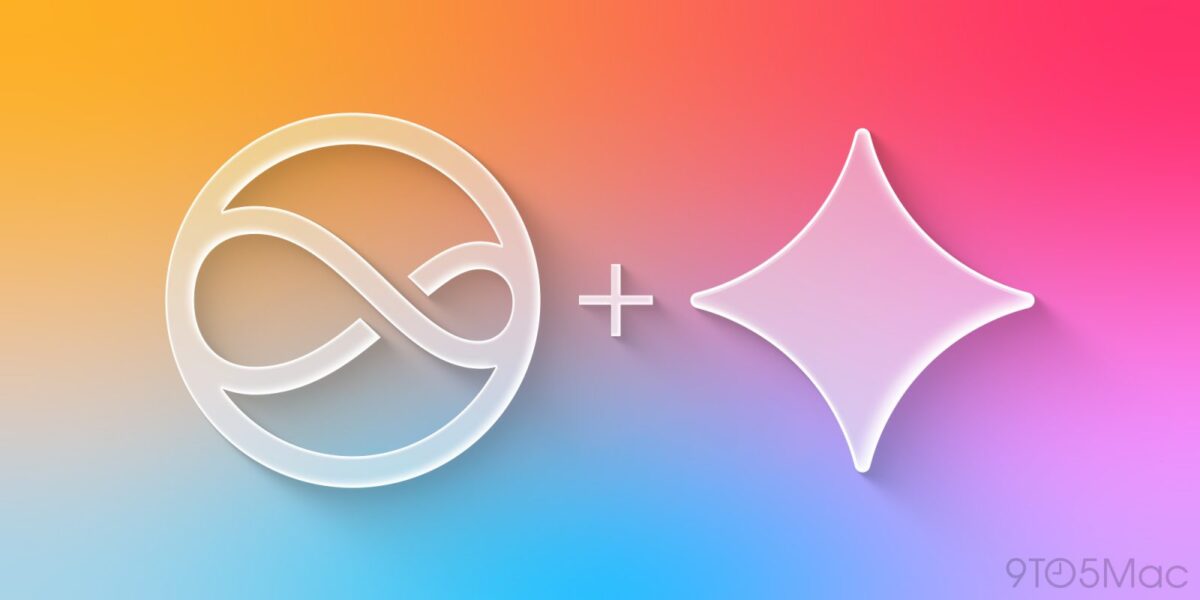
Core ML is about to become a relic. The Apple Core AI framework is set to debut at WWDC 2026 this June, and it will fundamentally change how developers build AI-powered iOS apps. According to Mark Gurman’s reporting, Apple has concluded that “machine learning” is a dated term — and the company is backing that conviction with an entirely new framework. This isn’t a rebrand. It’s a ground-up rethinking of how third-party AI models, on-device inference, and cloud-based intelligence come together inside your apps.
What Is the Apple Core AI Framework — and How Does It Differ from Core ML?
Core ML launched at WWDC 2017 as Apple’s answer to on-device machine learning inference. For nearly a decade, it served developers well — handling image classification, natural language processing, and custom model deployment with impressive efficiency. But the AI landscape has shifted dramatically since then. Large language models, generative AI, and multimodal systems have exposed Core ML’s limitations: integrating external AI services required cobbling together third-party SDKs, and cloud-based model access was entirely the developer’s responsibility.
The Apple Core AI framework solves these problems at the platform level. It provides a unified API that handles both on-device models and cloud-hosted AI models through a single integration point. Developers will be able to leverage Apple Foundation Models — the same models powering enhanced Siri and Apple Intelligence features — without building their own inference infrastructure. There’s also speculation about MCP (Model Context Protocol) integration, which would enable seamless interoperability between different AI model providers within the framework.
iOS 27 and Apple Intelligence — What Core AI Means for the Developer Ecosystem
Core AI arrives alongside iOS 27 as the backbone of Apple Intelligence’s developer-facing infrastructure. Consider the trajectory: iOS 26.5 is already rolling out Siri upgrades with Google Gemini integration. Apple is clearly signaling that third-party AI collaboration is no longer optional — it’s central to the platform’s future.
For developers, the practical impact breaks down into three major shifts. First, third-party AI SDK dependencies drop significantly. Instead of juggling multiple libraries for different AI capabilities, Core AI provides native integration paths for external models. Second, the framework handles on-device and cloud model switching automatically — your app doesn’t need to manage where inference happens. Third, direct access to Apple Foundation Models means your app can tap into the same AI capabilities that power Siri’s latest features, without reverse-engineering or workaround solutions.
- On-device inference: Real-time AI processing while maintaining user privacy
- Cloud AI integration: Large-scale models hosted on Apple’s servers, accessible via native APIs
- Third-party model support: External AI services connected through standardized framework interfaces
- Core ML backward compatibility: Gradual migration path for existing Core ML implementations
How Developers Should Prepare — WWDC 2026 Strategy Guide
WWDC 2026 is scheduled for June, and the Core AI framework announcement is widely expected to be a centerpiece. Bloomberg’s reporting indicates that Apple has been testing the framework internally for months, with beta SDK distribution likely immediately following the keynote.
If you’re maintaining existing Core ML-based apps, there’s no reason to panic. Apple has a strong track record of maintaining backward compatibility during framework transitions — think UIKit to SwiftUI, which still coexist years later. Core ML models will almost certainly continue to function within the Core AI ecosystem during a transition period. However, if you’re planning new projects that involve AI model integration, waiting for Core AI’s native tooling could save you months of third-party SDK management down the road.
The smartest move right now is to audit your current AI dependencies. Which third-party SDKs are you using for model inference? Which cloud AI services are you calling directly? Understanding your current integration points will help you map out a migration strategy once Core AI’s documentation drops.
The Bigger Picture — Every Platform Is Moving to Unified AI Frameworks
Apple isn’t operating in a vacuum. Google has been pushing beyond ML Kit toward Gemini-based AI integration across Android and Chrome OS. Microsoft’s Windows Copilot Runtime follows a strikingly similar pattern — one unified framework that abstracts away the complexity of multiple AI model providers. The entire industry is converging on the same conclusion: developers shouldn’t have to be AI infrastructure engineers just to add intelligence to their apps.
Where Apple’s Core AI framework differentiates itself is privacy. The on-device-first approach — processing locally by default, scaling to the cloud only when necessary — aligns with Apple’s long-standing philosophy. For developers, this means a consistent API regardless of where the model actually runs, combined with the privacy guarantees that Apple’s user base expects. It’s the best of both worlds, assuming Apple delivers on the execution.
The shift from “machine learning” to “AI” in Apple’s framework naming isn’t just marketing — it reflects a genuine paradigm change in how developers will integrate intelligence into iOS applications. Core AI promises to lower the barrier to entry for AI development across the Apple ecosystem while maintaining the performance and privacy standards that define the platform. With WWDC 2026 just three months away, every iOS developer building AI-powered features should be paying close attention to what comes next.
If you’re exploring AI integration strategies for your apps or need guidance on building scalable AI architectures, let’s talk about how to position your product for the Core AI transition.